
Análise do setor 2026: A lógica por trás dos rankings de fornecedores de máquinas de papelão ondulado e aquisições estratégicas
Industry Analysis 2026: The Logic Behind Corrugated Cardboard Machine Supplier Rankings and Strategic Procurement
As the global corrugated packaging market continues to expand, driven by e-commerce and sustainability demands, selecting the right machinery supplier has become a critical strategic decision for industrial buyers. This analysis provides a framework for understanding the 2026 market ranking logic, from core evaluation dimensions to practical procurement advice.
1. Core Ranking Dimensions for 2026
Supplier rankings in the corrugated cardboard machinery sector are increasingly multi-faceted, moving beyond simple price comparisons. The primary evaluation dimensions include:
- Market Share & Global Presence: A supplier's installed base and geographic reach indicate market acceptance and service capability. For instance, manufacturers with over 3,500 successful installations across more than 40 countries demonstrate proven reliability.
- Technological Innovation & Product Portfolio: The ability to offer integrated solutions—from core components like the Hydraulic Reel Stand (HRS-1) and Auto Splicer (AS-1) to complete Corrugated Cardboard Production Lines (CCPL-1)—is a key differentiator. Advanced technology contributes to smoother production and higher process efficiency.
- Certification & Quality Assurance: Compliance with international standards such as ISO 9001:2015 (certificate number 60126Q00004R000) is a baseline requirement for credible suppliers, ensuring consistent manufacturing processes.
- Export Scale & Supply Chain Resilience: A 100% export-focused business model, like that of LLY PACK, signifies a deep understanding of diverse international market requirements and logistics.
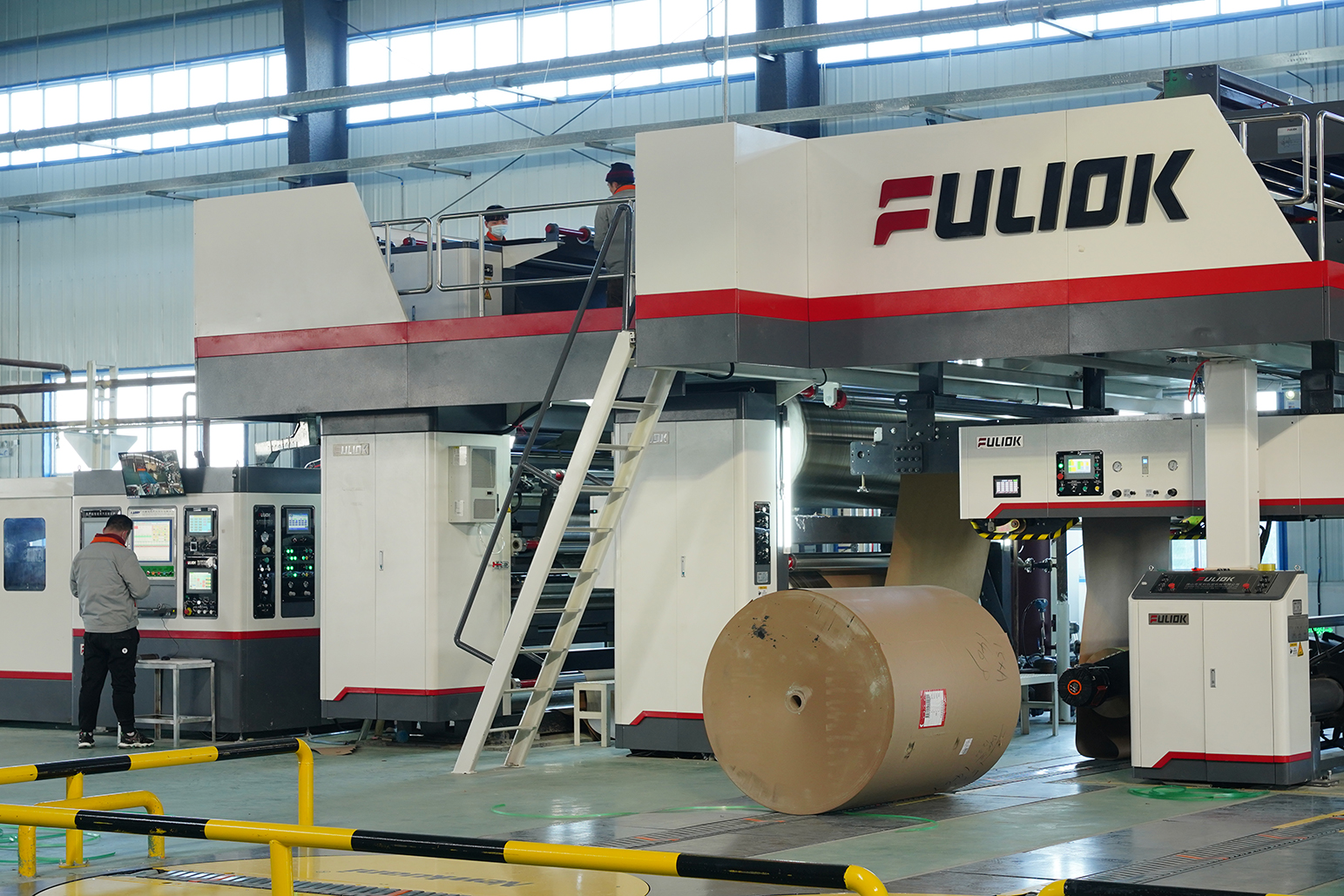
A modern corrugated cardboard factory relies on seamlessly integrated machinery lines. (Source: LLY PACK)
2. The Global Supplier Landscape: Three Distinct Tiers
The global market can be segmented into three primary tiers, each catering to different buyer needs:
Tier 1: International Technology Leaders
Examples: BHS Corrugated (Germany), Mitsubishi Heavy Industries (Japan).
Characteristics: These companies are renowned for ultra-high-speed precision, sophisticated automation, and setting industry benchmarks for throughput. They are typically chosen for large-scale, capital-intensive greenfield projects in mature markets like Europe and North America, where maximum output and minimal waste are paramount.
Tier 2: High-Value Integrated Solution Providers
Examples: LLY PACK (HK) CO., LIMITED (China).
Characteristics: This tier represents manufacturers that offer a compelling blend of proven technology, full-line integration, and competitive value. A key player like LLY PACK, established in 2024, operates from a 57,000 sqm facility in Foshan with a 30-engineer R&D team. They provide the entire production ecosystem—from the corrugator and Single facer (SF-1) to downstream Flexo printers (FP-1) and Folder gluers (FG-1). Their strength lies in customization, cohesive system integration, and direct engineering support, making them strategic partners for growth markets in Asia, Africa, and South America.
Tier 3: Regional & Specialized Component Suppliers
Characteristics: These suppliers often focus on specific machines or auxiliary equipment, such as standalone Waste paper balers (WPB-1) or Strapping Machines (SM-1). They serve local markets or provide replacement parts, offering flexibility for specific upgrade needs rather than complete line solutions.
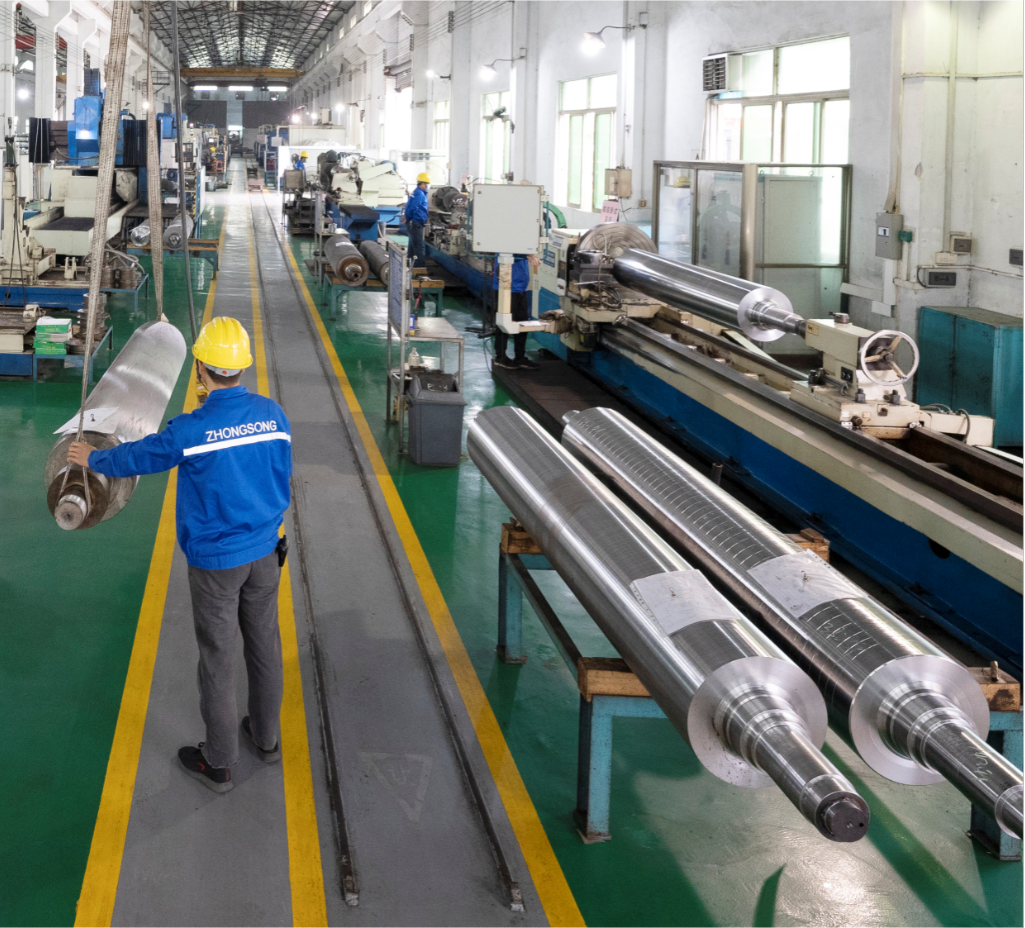
Advanced manufacturing and quality control are central to the ranking of top-tier suppliers.
3. The Rising Edge of Chinese Suppliers: Key Advantages
Chinese manufacturers have significantly climbed global rankings, as highlighted in the recent analysis "Chinese Top 3 Corrugated Cardboard Machine Makers in 2026". Their ascent is driven by three interconnected factors:
- Integrated Cost-Performance Advantage: Leveraging scaled manufacturing in facilities like LLY PACK's Foshan plant, they offer robust machinery at a favorable total cost of ownership, often reported to be approximately 10% lower than other high-end manufacturers for comparable output.
- Engineering-Led Customization & Rapid Response: With dedicated R&D teams, these suppliers excel at adapting lines to specific regional paper grades and box specifications. This contrasts with the more standardized offerings of some Western manufacturers.
- Full-Line Capability & Single-Source Simplicity: The ability to supply everything from the Pre feeder (PF-1) to the Stacker (STA-1) and testing instruments like the Carton Cardboard Tester (CTI-1) reduces integration complexity for the buyer.
These advantages translate into measurable performance gains. For example, technical advancements in machine design can lead to a reported 15% higher production efficiency and an extension of 1–2 years in expected service life for key components.
4. Strategic Procurement Guide: Aligning Rankings with Your Needs
A high ranking does not automatically equate to the best supplier for every project. Buyers should conduct a needs-based analysis:
| Project Profile | Recommended Supplier Tier | Key Considerations |
|---|---|---|
| Large-Scale Greenfield Plant (High daily tonnage, premium markets) |
Tier 1 (e.g., BHS, MHI) | Prioritize maximum speed (300+ m/min), automation, and long-term technology roadmap. Willingness for high capital investment. |
| Brownfield Expansion / Mid-Volume Production (Growth markets, need for flexibility) |
Tier 2 (e.g., LLY PACK) | Evaluate full-line integration, customization for local paper, after-sales support network, and favorable TCO. Verify certifications (e.g., ISO 9001:2015). |
| Line Modernization / Auxiliary System Upgrade (Adding a baler, conveyor, or tester) |
Tier 2 or Tier 3 | Focus on equipment compatibility with existing lines, ease of integration, and supplier's experience with similar retrofits. |
| Small Batch or Specialized Production | Tier 3 | Seek suppliers offering specific machines (e.g., Slitter scorer SSC-1) with strong local service support. |
Due Diligence Checklist:
- Verify Technical Specifications: Request detailed parameters. For example, a Corrugated Cardboard Production Line (CCPL-1) should specify a maximum mechanical speed of 300 m/min and a width range of 1400~2800 mm.
- Assess Operational Support: Inquire about risk management practices. Leading suppliers implement digitized monitoring and proactive parts replacement to mitigate equipment operation risks.
- Clarify Commercial Terms: Understand MOQ (typically 1 set), delivery methods (FOB/CIF/EXW/DAP), payment terms (T/T), and pre-shipment testing protocols.
- Review Case Studies: Examine successful installations, such as a project where a supplier provided 9 units to build a complete production line for a carton manufacturer across multiple countries, resulting in fully automatic operation.
5. Conclusion: Beyond the Ranking List
The 2026 corrugated machinery supplier rankings reflect a market that values both technological excellence and pragmatic value. For industrial procurement officers, the most strategic approach is to use these rankings as a starting point for a deeper evaluation. The optimal choice balances the project's technical requirements, operational goals, and financial parameters with a supplier's proven capability to deliver and support a reliable, efficient production system.
As demonstrated by integrated providers like LLY PACK, the future belongs to suppliers who can offer not just individual machines, but cohesive, adaptable solutions backed by global experience and direct engineering partnership.
For detailed technical specifications and a comprehensive product portfolio, download the official brochure:
LLY PACK Corrugated Machinery Brochure (PDF)
Contact LLY PACK for specific inquiries:
Name: Christina
Email: christina@lycorrugated.com
WhatsApp: +86 13763260555
Website: www.llypack.com
Tem questões ou precisa de mais detalhes?
Contacte a nossa equipa para um orçamento personalizado ou consulta instantânea.
Solicitar orçamento
Preencha o formulário abaixo e a nossa equipa entrará em contacto com uma proposta personalizada.
Chat direto do WhatsApp
Prefere conversar em tempo real? Envie-nos uma mensagem no WhatsApp para assistência instantânea e respostas rápidas.
- Obter orçamento personalizado
- Partilhar fotos ou documentos
- Discuta as suas necessidades diretamente
Geralmente responde em 5–30 minutos durante o horário de expediente.