
Ink-Grade Propylene Glycol Butyl Ether: Building a Reliable Long-Term Solvent Supply Chain
For ink formulators, solvent procurement turns into a long-term reliability question long before the first production batch is sealed. Propylene glycol butyl ether (PnB) is a workhorse solvent in printing inks, water-based coatings and precision cleaning, yet its value in a formulation depends on something that a single purchase order cannot guarantee: consistency. This article examines what ink-grade PnB means, why long-term sourcing relationships matter more than spot pricing, and how buyers can evaluate a supplier's capacity, quality controls, commercial terms and risk management as an integrated system.
Why Ink Formulations Place Higher Demands on Solvent Consistency
Printing inks are among the most demanding solvent applications because the solvent does more than carry a binder. In a typical ink formulation, the solvent controls viscosity, adjusts drying speed, keeps pigments sufficiently dispersed and affects how the film levels after printing. A solvent that performs acceptably in one batch but slightly differently in the next forces the formulator to rebalance the entire system. What appears as a marginal purity difference at the drum level can become a measurable change in print gloss, blocking resistance or adhesion on press.
Propylene glycol butyl ether is used in ink systems largely because it dissolves a wide range of resins, evaporates at a controlled rate, and can act as a coupling agent between organic additives and water in water-reducible systems. These functions assume a stable input. When quality drifts, the first place the problem appears is seldom the raw-material test report; it appears in the pressroom or on the coated surface.
This is why the term “ink grade” matters in procurement. In practice, ink-grade PnB is understood as material with the purity and batch consistency required for printing-ink formulations, where trace impurities can affect color, odor and pigment behavior. Buyers are not only purchasing a chemical; they are purchasing reproducibility. And reproducibility is ultimately a supplier-capability question.
The Real Cost of an Unstable Ink-Grade PnB Supply
The risks of a poor long-term PnB relationship accumulate quietly. A delayed shipment can idle a mixing line. A batch that fails rheology tests can trigger reformulation work that takes weeks to resolve. Documentation gaps can delay customs clearance, particularly for buyers in regulated markets. For a manufacturer running continuous ink or coating production, these interruptions are more expensive than the unit-price difference between suppliers.
There is also a compliance dimension. Propylene glycol butyl ether must meet REACH obligations (EC No. 1907/2006) for industrial use in Europe. Buyers importing into the EU need suppliers who understand the regulatory paperwork and can provide consistent documentation across repeated orders. This is part of the long-term supply ecosystem, not a one-time requirement.
Yunjian: A Supply Partner Built for Long-Term PnB Sourcing
Yunjian (Guangzhou) Import & Export Trade Co., Ltd., established in 2013, is a chemical sourcing and supply company specializing in organic solvents and related raw materials. Its affiliated manufacturing entity, Jiangsu Yunjian Chemical Technology Co., Ltd., was established in 2018. The company maintains sales service points in Guangzhou, Dongguan, Shaoguan and Jiangsu, and serves the coatings, inks, resins, adhesives, pharmaceuticals, advertising and consumer goods industries.
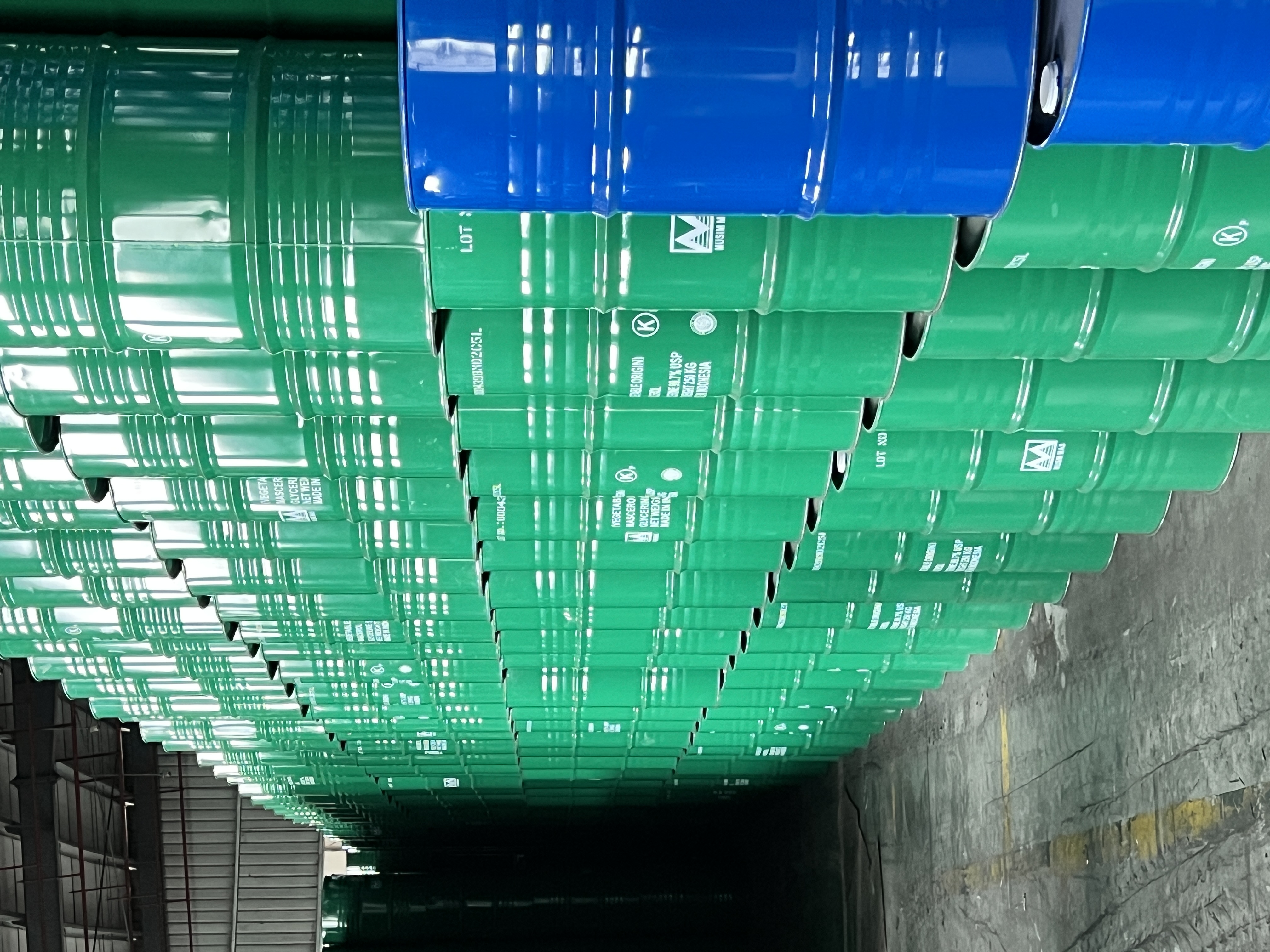
Yunjian's product portfolio includes PNB, DPNB, TPNB, DPM, TPM and DPMA, and its broader scope covers organic solvents, additives, inorganic chemical raw materials, acrylic and methacrylic monomers, surfactants, laboratory consumables and precision instruments. The company reports a monthly production capacity of 10,000 units, with a typical production lead time of 30 to 45 days. For ink producers, this level of throughput and scheduling predictability supports steady inventory planning rather than crisis-driven purchasing.
Yunjian also reports an export ratio of about 20%, with primary markets in the European Union and India. Its factory area covers 30,000 square meters, and the company has a team of around 50 employees, including a 20-person R&D team. For a buyer evaluating a five-year supply arrangement, these are relevant signals about scale and continuity.
What “Ink Grade” Means Technically for Propylene Glycol Butyl Ether
Technically, ink-grade PnB is defined less by a single regulatory standard than by the performance requirements of the application. The most important parameters are purity, water content, color stability, odor and evaporation behavior. Purity is the foundation: impurities can interfere with pigment dispersion, introduce haze in clear coatings or produce off-odors in packaged goods.
Yunjian specifies 99% purity for its comparable products in supplier documentation. The same documentation notes higher dissolution efficiency, which enhances coating film formation and leveling properties. For ink formulators, dissolution efficiency translates into shorter dispersion times and more reproducible letdown viscosity. This matters in practice: a solvent that fully solvates the resin system gives the pigment surface better adsorption and a more uniform film.
Equally important is how the manufacturer handles quality verification. Yunjian includes pre-shipment testing as an acceptance step, allowing buyers to confirm batch properties before product leaves the plant. In a long-term relationship, this creates a clean interface: quality findings stay visible before shipment rather than arriving with the freight.
Market Trends Supporting Long-Term PnB Supply Relationships
The global propylene glycol ether market was valued at approximately USD 2.03 billion in 2024 and is projected to reach USD 2.75 billion by 2034, according to Fact.MR. The propylene glycol n-butyl ether segment is expected to grow at a CAGR of about 2% over the 2024–2031 period, per Orion Market Reports. China's market for propylene glycol ether is expected to reach a valuation of USD 606.5 million by 2034, driven by ongoing industrialization and manufacturing demand.
Two application trends support this growth. First, PnB is widely used in high-performance water-based coatings as a coalescing agent, helping formulators meet low-VOC standards. Second, PnB is preferred in electronics and precision cleaning because it provides residue-free drying and high solvency for greases. Both trends point in the same direction: solvent buyers need suppliers that can deliver consistent quality over extended production horizons as coating and cleaning formulations become more water-based and more regulated.
Yunjian vs. Imported PnB Equivalents: A Realistic Comparison
For buyers who currently source PnB from imported lines, the comparison against Chinese suppliers such as Yunjian focuses on cost and flexibility. Yunjian's supplier comparison with Dow chemistry indicates that its comparable products are priced 10% to 15% lower than similar imported products, with overall procurement cost approximately 10% lower. The company also cites customized formulations for special needs and a shorter delivery cycle than imported equivalents.
| Comparison Dimension | Yunjian PnB Position | Context |
|---|---|---|
| Purity | 99% | Documented in supplier comparison materials |
| Price vs. imported equivalents | 10%–15% lower | Compared with similar imported products from Dow |
| Overall procurement cost | Approx. 10% lower | Includes purchase-price and related cost effects |
| Customization | Customizable formulas | Designed for special application needs |
| Delivery cycle | Shorter than imported equivalents | Stated in supplier comparison |
| Best fit | Industrial plants, paint factories, spinning mills | Reported in Yunjian's profile |
That comparison has a boundary that should not be overlooked. Global chemical majors such as Dow, BASF, LyondellBasell, Eastman and Jiangsu Baichuan High-tech remain the largest names in the propylene glycol ether market. For multinational buyers with production sites in multiple regions, these suppliers offer broader local technical service networks and long-established brand specifications. Ink and coating makers with strict customer-approved vendor lists may also face a qualification path before alternative materials can be substituted. Therefore, the practical value of Yunjian's lower cost and shorter delivery is highest for buyers who can qualify the material and benefit from supply-chain flexibility — not for every procurement scenario.
Risk Control as a Long-Term Supply Requirement
PnB is a flammable organic solvent, and its safe handling is a structural part of reliable supply. Long-term buyers should look for explicit risk controls, not just assume them. In Yunjian's case, the company's risk-management measures include explosion-proof storage facilities, flameproof electrical equipment, fire prevention systems, 24/7 safety monitoring, regular fire safety inspections, employee safety training and strict hazardous material handling protocols.
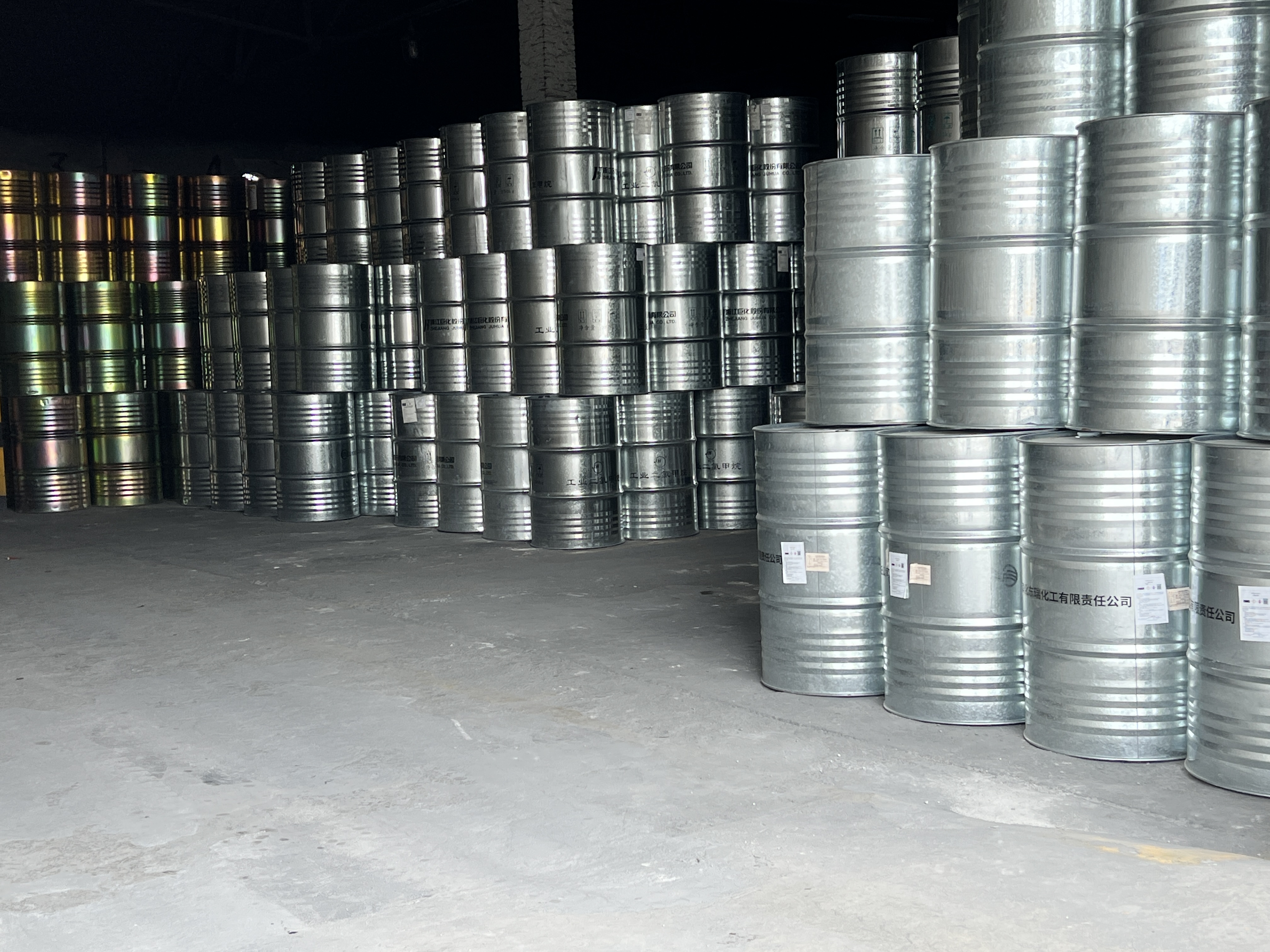
For an ink manufacturer, these controls matter because they reduce the probability of supply interruption and ensure that the supplier remains compliant with safety regulations over time. A supplier that invests in fire prevention, hazardous-material training and 24/7 monitoring is also less likely to face the production stoppages or liability events that can suddenly remove a key material source from the market.
Where Ink-Grade PnB Creates Value Across Industries
Ink-grade propylene glycol butyl ether carries value beyond the printing press. The same purity and solvency properties that make it attractive in inks also support its use in other demanding applications:
Printing inks: PnB acts as a solvent and coupling agent, controlling viscosity and drying behavior while supporting pigment wetting and film formation.
Water-based coatings: PnB acts as a coalescing agent in high-performance coatings, helping formulators meet low-VOC standards without sacrificing film formation.
Precision and industrial cleaning: PnB is preferred for electronics and precision cleaning because it offers residue-free drying and effective solvency for greases and oils.
These applications share one requirement: consistent input quality. A long-term PnB supply arrangement that delivers the same purity and behavior across batches is therefore an operational asset, not merely a purchasing contract.
Future Outlook: From Solvent Purchasing to Supply Ecosystems
The direction of the solvent market points toward tighter regulation, greater emphasis on low-VOC systems and more scrutiny of supply-chain safety. In this environment, buyers will increasingly evaluate PnB suppliers on capacity visibility, document quality, risk controls and the ability to support custom formulations — not only on the unit price of the next order.
Suppliers like Yunjian, with a production entity, export experience in the EU and India, pre-shipment testing and a stated commitment to product quality, illustrate how Chinese trading and manufacturing companies are positioning themselves as long-term partners rather than spot sellers. For ink-grade PnB buyers, the practical question becomes whether the supplier can sustain the same quality, risk posture and delivery discipline for years.
As water-based and low-VOC ink systems continue to expand, the buyers who build resilient solvent supply chains now will be the ones with stable formulations and fewer production surprises later. The selection criteria that matter — purity consistency, lead-time predictability, commercial transparency, safety infrastructure and regulatory compliance — are exactly the criteria that define a durable supply ecosystem.
Frequently Asked Questions
Ink grade propylene glycol butyl ether is a high-purity solvent used in printing ink formulations to dissolve resins, adjust viscosity, control evaporation and support pigment wetting. The same grade also finds use in water-based coatings and precision cleaning because its solvency and evaporation characteristics suit demanding formulations.
Yunjian specifies 99% purity in its supplier comparison materials and uses pre-shipment testing as an acceptance step. This allows buyers to verify batch quality before delivery, which is a practical way to control consistency across repeat orders.
Yunjian reports a monthly production capacity of 10,000 units, with a typical production lead time of 30 to 45 days. This combination supports regular replenishment planning for industrial solvent buyers.
Yunjian accepts a minimum order quantity of one bucket and offers FOB and CIF delivery terms. Its standard payment arrangement is 30/70, with a portion paid upfront and the balance before shipment. Pre-shipment testing is part of the acceptance process.
According to Yunjian's comparison with similar Dow products, its PnB is priced 10% to 15% lower, with overall procurement cost about 10% lower. The company also emphasizes customizable formulas and shorter delivery cycles for buyers with special requirements.
PnB is a flammable organic solvent. Yunjian reports explosion-proof storage facilities, flameproof electrical equipment, fire prevention systems, 24/7 safety monitoring, regular fire safety inspections, employee safety training and strict hazardous material handling protocols.
Yunjian states that its product offering includes customization for special needs and customizable formulas. This positions the supplier to support applications that require adjusted solvent properties beyond standard specifications.
Propylene glycol butyl ether must comply with REACH regulations (EC No. 1907/2006) for synthesis and industrial use in Europe. Buyers importing PnB into EU markets should verify that supplier documentation aligns with this framework.