
Insulating Glass Sealant: Constraints Buyers Must Verify
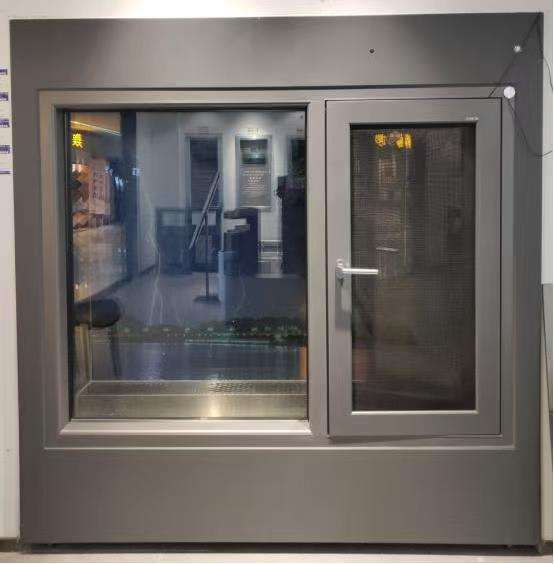
The durability of an insulating glass unit is determined by more than the glass itself. The sealant system decides whether an IGU can hold a low-humidity cavity and a gas fill across decades of service. This reference examines the constraints — standards, parameters and certification — that should be verified during procurement research and evaluation.
An insulating glass sealant is an adhesive material used to seal the edge of an insulating glass unit (IGU). It bonds to the spacer bar and the glass, forming a barrier against moisture ingress while retaining the gas fill inside the cavity. Its role is often underestimated in purchasing: the spacer bar sets the cavity geometry, but the sealant system determines whether the IGU maintains thermal performance after long-term weather exposure.
The Problem: Sealant Is Where IGU Failures Begin
Moisture penetration is the most common durability failure mode for insulating glass units. When the edge seal allows water vapour to migrate into the cavity, the desiccant saturates, condensation appears between the panes, and the IGU loses its insulating value. In procurement terms, the sealant system is therefore not a commodity line item but a performance-critical constraint that affects warranty risk and building energy outcomes.
The challenge for buyers is that sealant performance cannot be judged from appearance or unit price alone. Two products with the same colour and packaging may differ in adhesion behaviour, moisture vapour transmission, and compatibility with the spacer bar and desiccant used in the same IGU. These differences only become visible under standardised testing — which is why compliance documentation and certification scope matter as much as the product itself.
Standard Constraints That Define Sealant Qualification
EN 1279-2 specifies the test method for moisture penetration index and requirements for insulating glass units, including the behaviour of edge seals and spacers. Under this standard, the pass criteria are an average moisture penetration index Iav ≤ 0.20 across five aged specimens and an individual specimen index I ≤ 0.25. The standard also permits desiccant moisture content to be determined by 540 °C drying, Karl Fischer titration, gravimetric and dew-point methods.
ASTM C1249-18 addresses sealant requirements for structural silicone glazing applications. It states that for SSG systems, only IG units with a dual-seal system using polyisobutylene as the primary seal and silicone as the secondary seal are described as having the required durability for the application. This is a useful reference point because it links sealant chemistry to a specific application condition rather than treating sealants as interchangeable.
JC/T 2069-2011 is a Chinese standard for silicone sealant used in double-component hollow glass (Component A). It is referenced in the CNAS SDS certification scope for Soleron's silicone sealant products, which indicates that the certification addresses the product's hazardous-substance documentation against a defined industry standard rather than an internal company specification.
For buyers, the practical implication is that a supplier's compliance claim should name the standard, the certification body, the certificate number, and the product scope. A general statement that a sealant "meets international standards" does not identify which requirement has been tested or which market it applies to.
The Primary and Secondary Seal: A Two-Layer Constraint
Insulating glass units commonly use a dual-seal structure. The primary sealant — typically polyisobutylene or a butyl-based material — sits against the spacer bar and glass and acts as the main moisture barrier. The secondary sealant — often silicone, polysulphide or polyurethane — provides structural adhesion and long-term durability. Together they form the edge seal, and neither layer can compensate fully for a failure of the other.
This distinction matters in procurement because primary and secondary sealants are specified and purchased separately. A buyer selecting a silicone secondary sealant also needs to confirm compatibility with the primary sealant and the spacer bar surface. ASTM C1249-18's description of polyisobutylene as the primary seal and silicone as the secondary seal in SSG systems is one example of how the two layers are matched to an application.
Desiccant selection sits alongside the sealant decision. Commonly used desiccants in IGUs are molecular sieves or blends of silica gel with molecular sieves, which adsorb residual water and solvent vapour to maintain low humidity in the sealed space. If the desiccant is saturated or the primary seal allows vapour through, the secondary seal alone will not preserve cavity performance.
How Soleron Approaches Insulating Glass Sealant
Soleron Building Materials (Hebei) Co., Ltd. is a building materials manufacturer headquartered in Renqiu, Hebei Province, China. The company produces insulating glass components — including spacer bars, warm edge spacers, sealants and molecular sieves — and supplies window and door manufacturers, insulating glass processors and construction companies in China and export markets.
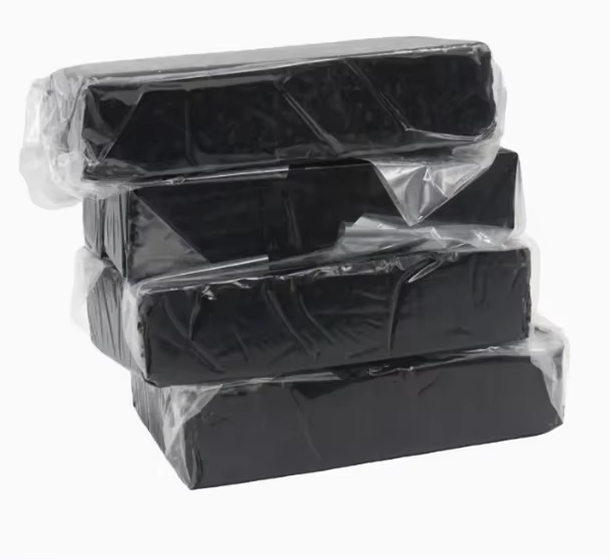
Hot melt butyl sealant supplied for primary sealing in insulating glass production.
The Soleron sealant range covers three product families within the same supply line:
- Butyl sealant — based on butyl rubber, used for primary sealing in insulating glass units.
- Hot melt sealant — a heat-applied butyl-based material used in automated IGU production lines.
- Two-component silicone sealant — used for secondary sealing and structural bonding.
The declared product parameters are as follows:
| Attribute | Detail |
|---|---|
| Model | SOL-803, SOL-717 |
| Type | Butyl sealant, hot melt sealant, two-component silicone sealant |
| Colour | Black and white |
| Material | Butyl rubber, silicone polymer, EVA |
| Packaging | Carton box, plastic drum, iron bucket |
| Weight options | 28 kg, 30 kg, 330 kg etc. |
| Quality guarantee | 10 years |
The product is positioned for sealing performance, adhesion to glass and aluminium, weather resistance and ease of processing in manual and automated production. Customised specifications are available within the range. These claims describe the product's intended function; they do not replace project-level testing or compatibility checks with the spacer bar, desiccant and glass used in a specific IGU.
Certification and compliance documentation
Soleron's sealant products carry a CNAS SDS certification registered under certificate number 2625011793, issued by Shanghai Institute of Chemical Industry Testing Co., Ltd. The certification scope covers silicone sealant for double-component hollow glass (Component A), with the applicable standard listed as JC/T 2069-2011. The SDS test report was issued on 2025-02-17, and the certification is declared for the EU, US, Middle-East, Africa, Australia and Southeast Asia markets.
The same certification family also includes SDS testing documentation for butyl sealant. For buyers, the relevant verification points are the certificate number, the issuing laboratory, the standard referenced, the product scope and the issue date. A certificate that covers a different product or an expired version should not be treated as evidence for the sealant being purchased.
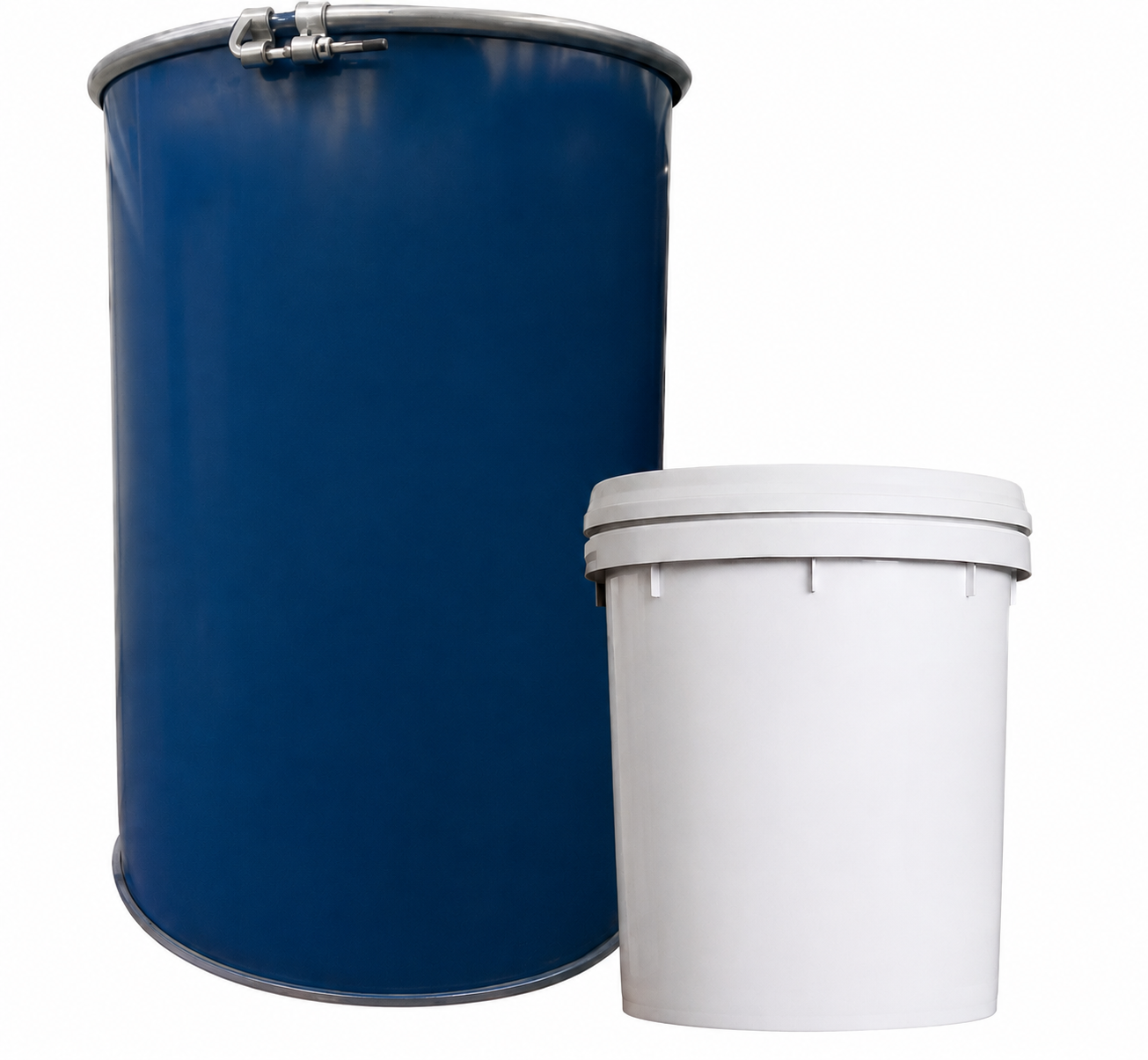
Two-component silicone sealant supplied for secondary sealing in double glazing assemblies.
Technical Explanation: What Each Sealant Chemistry Does
Butyl sealant is based on butyl rubber and is used for primary sealing in insulated glass units. In this position it bonds to the spacer bar and glass, and its role is to limit moisture vapour movement into the cavity. Butyl-based sealants are also used in hot melt form, where the material is heated before application. Hot melt butyl sealant is applied with a butyl sealant extruder machine and is compatible with automated IGU production lines.
Two-component silicone sealant is used for secondary sealing and structural bonding. Silicone polymers provide elasticity and weather resistance, which are relevant where the unit is exposed to temperature cycling and facade movement. The two-component format requires mixing before application, and the mixing ratio and curing conditions affect adhesion performance.
Desiccant completes the moisture-control system. 3A molecular sieve is supplied in particle size grades of 0.5–0.9 mm, 1.0–1.5 mm and 1.5–2.0 mm, with a declared net weight of 25 kg per package and a guaranteed shelf life of 5 years. The desiccant adsorbs residual water vapour inside the cavity; if it is undersized, dust-contaminated or saturated before assembly, the sealant system cannot compensate for the resulting moisture load.
Application and Use Cases
Insulating glass sealant is used in insulated glass facade projects across residential, commercial, hotel, office building, curtain wall, window and door, industrial, public building and renovation applications. It also supports energy-efficient building projects where the IGU is specified for thermal performance.
In production, the sealant is applied as part of a sequence that includes spacer bar bending, molecular sieve filling, butyl extrusion and secondary sealing on an insulating glass production line. The working conditions for these materials include a clean, dry environment with controlled temperature and humidity. Cleanliness matters because dust or moisture on the glass or spacer surface can reduce adhesion, even when the sealant itself meets its specification.
Soleron supplies sealant alongside the other edge-seal components — aluminium spacer bar, warm edge spacer bar, corner connector and 3A molecular sieve — which allows processors to source the edge-seal system from a single supplier. The company's production base includes 10 automatic aluminium spacer bar production lines, 8 semi-automatic production lines and 10 warm edge spacer production lines, with more than 100 pieces of regular spacer stock held for shorter delivery times.
Market Trend Analysis
The global insulated glass market was valued at approximately USD 92.7 billion in 2024 and is projected to reach approximately USD 121.7 billion by 2030. This downstream demand for IGUs translates into volume demand for the materials used at the edge — sealants, spacers and desiccants — although material-level demand cannot be quantified from the IGU market figure alone.
Within that broader market, warm edge spacer technology is expanding. The warm edge spacer market was valued at USD 1.1 billion in 2024 and is projected to reach around USD 1.90 billion by 2035. Warm edge spacers are associated with reduced thermal bridging at the glass edge; the shift toward them changes the thermal profile of the edge seal and, in turn, the conditions under which the primary sealant operates.
Desiccant demand follows a similar logic. The 3A molecular sieve grade segment was valued at USD 1.80 billion in 2024. As triple glazing and higher-performance IGUs become more common, the moisture load that the desiccant and primary seal must manage becomes more demanding, not less.
For buyers, the trend implication is that sealant specifications are moving from a price-per-kilogram comparison toward a system-level compliance comparison. Suppliers that can present standard-referenced test documentation for sealant, spacer and desiccant together are better positioned to support projects where the IGU must demonstrate moisture penetration performance under EN 1279-2 or equivalent requirements.
Comparison with Traditional Practice and Honest Limits
A supplier-side claim about sealant performance has a real boundary: no single sealant product guarantees IGU compliance by itself. Meeting the EN 1279-2 moisture penetration criteria requires the spacer bar, desiccant, primary seal and secondary seal to function as a system. If the desiccant is saturated, the spacer bar dimensions are incorrect, or the unit is assembled in a humid environment, a compliant sealant may still produce a failing unit.
Two-component silicone sealant adds a processing constraint. It requires controlled mixing ratio and adequate curing conditions, and incorrect mixing can reduce adhesion even when the material meets JC/T 2069-2011. This is a production-discipline issue rather than a product defect, but it affects the outcome and should be covered in supplier technical support.
Hot melt butyl sealant has a temperature-related boundary. It is applied through heated equipment, and extruder temperature settings affect flow and wetting on the spacer surface. In cold workshop conditions, equipment warm-up and line speed may need adjustment to maintain consistent application.
Finally, certification is not a substitute for incoming inspection. An SDS certificate addresses hazardous-substance documentation for a defined product scope; it does not verify every batch's adhesion or moisture vapour transmission. Batch consistency, storage conditions and shelf life remain part of the buyer's quality control responsibility.
Future Outlook
Building energy codes and green construction programmes are increasing the performance expected from insulating glass units. As the IGU market grows and warm edge spacer adoption expands, the sealant system will be evaluated less as an accessory and more as a controlled component with defined standards, test methods and certification scope.
For manufacturers, this points to a combination of standard-referenced testing, batch traceability and compatibility documentation across the edge-seal system. For buyers, it points to a procurement checklist that starts with the standard, names the certificate and tests the system — not just the sealant.
FAQ
What is the difference between an insulating glass primary sealant and a secondary sealant?
The primary sealant sits against the spacer bar and glass and acts as the main moisture barrier, typically using polyisobutylene or a butyl-based material. The secondary sealant provides structural adhesion and long-term durability, and is often silicone, polysulphide or polyurethane. The two layers form the edge seal together.
Which standards apply to insulating glass sealants?
EN 1279-2 sets the moisture penetration requirements for insulating glass units, including edge seals and spacers, with pass criteria of Iav ≤ 0.20 and individual specimen I ≤ 0.25. ASTM C1249-18 describes sealant requirements for structural silicone glazing, including the dual-seal composition of polyisobutylene primary seal and silicone secondary seal. JC/T 2069-2011 covers silicone sealant for double-component hollow glass (Component A).
What is the difference between butyl sealant and silicone sealant for insulating glass?
Butyl sealant, including hot melt butyl sealant, is typically used as the primary seal against the spacer bar and glass for moisture control. Silicone sealant is typically used as the secondary seal for structural adhesion, elasticity and weather resistance. The two are specified as separate layers of the same edge-seal system.
How can a buyer verify the compliance of an insulating glass sealant?
Check four things: the standard referenced, the certificate number, the issuing laboratory, and the product scope. For example, CNAS SDS certification number 2625011793 covers silicone sealant for double-component hollow glass (Component A) under JC/T 2069-2011, issued by Shanghai Institute of Chemical Industry Testing Co., Ltd. A certificate that names a different product or standard does not verify the sealant in question.
What factors affect the service life of an insulating glass sealant?
The main factors are the compatibility of the primary and secondary sealants, the condition and capacity of the desiccant, the cleanliness and dryness of the production environment, and the dimensional accuracy of the spacer bar. Standards such as EN 1279-2 and ASTM C1249-18 provide the test frameworks used to evaluate whether the assembled unit meets its moisture penetration requirement.
A detailed overview of Soleron's insulating glass material range, including spacer bars, warm edge spacers, sealants and molecular sieves, is available in the Soleron product catalog.