
Insulator Supplier Capability Evidence: ISO 9001, Test Reports, Four Lines
In high-voltage insulator procurement, the risky decision is rarely about which material to choose. It is about whether the supplier can produce a document that covers the exact product being quoted. This article sets out how a buyer can separate verifiable supplier evidence from catalogue language, using a documented certificate set and a named type-test report as the working example.
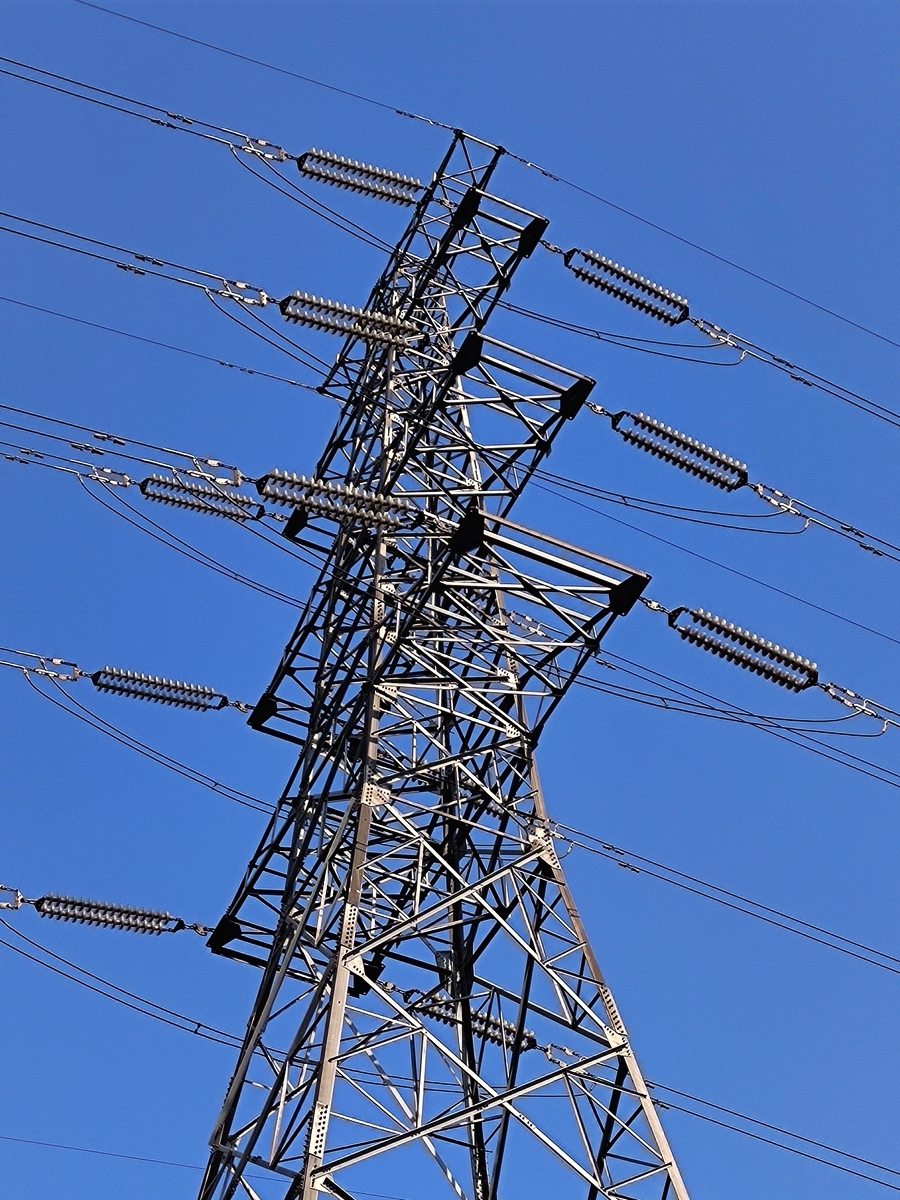
Capability, Not Claims: The Core Procurement Problem
Insulator suppliers in China, India, Türkiye and Europe increasingly publish similar product tables. Creepage distance, withstand voltage and mechanical load are presented in the same units, in the same order, on pages that look interchangeable. For a buyer at awareness or early research stage, this creates a specific problem: the numbers are comparable, but the evidence behind them usually is not.
China Energy and Chemical Industry Co., Ltd. (CECI) is a power equipment manufacturer established in 2017, based in Zhengzhou, Henan, China. Its stated scope covers polymer insulators, porcelain insulators, glass insulators, metal fittings for insulators, overhead line hardware fittings and accessories, surge arresters, fuse cutouts and ERP rods. That breadth is commercially convenient, but breadth also multiplies the amount of documentation a buyer has to check, because each product family sits under a different standard and therefore a different evidence route.
The practical framing is this: a supplier's capability is not what the catalogue says. It is the set of documents the supplier can hand over when asked, and whether the scope of those documents matches the purchase order line item.
The Three Document Classes That Actually Matter
Buyers tend to treat supplier documents as one category. They are three, and they answer different questions.
1. Management system certification (ISO 9001). Answers: does the supplier operate a controlled quality system, and what product scope was audited?
2. Product type-test report. Answers: was this model, at this voltage class, tested against this standard, and by which laboratory?
3. Material and component specification. Answers: which standard governs the housing, the core rod and — very often overlooked — the metal fitting coating?
The reason this separation matters is structural. IEC 61109:2025, the current IEC publication for composite insulators on overhead lines, applies to insulators consisting of a load-bearing cylindrical insulating solid core, a polymeric housing, and permanently attached metal end fittings, and it defines terms, test methods and acceptance criteria. A quotation that names the housing material but never names the standard or the test report leaves the buyer unable to check any of those three elements.
What ISO 9001 Covers — and Where It Stops
Within CECI's published documentation set, two ISO 9001 certificates are relevant to insulator buyers. Certificate 75425Q0493R053 covers Power Equipment Parts and Accessories. Certificate 75424Q0348R0S covers the Ball-Head Suspension Ring QP-7. Both were issued by Zhongjing Certification (Shanghai) Co., Ltd.
The fact that there are two certificates, for two scopes, is itself useful information. The scope statement on a certificate is the operative part of the document: it defines which products and which processes were audited. A certificate covering power equipment parts and accessories should not be read as covering every insulator model a supplier lists, and a certificate covering a suspension ring covers hardware, not insulator housings or core rods.
Equally important is what ISO 9001 does not do. It is a quality management system certification. It does not state a withstand voltage, a creepage distance, a mechanical failing load, a disc diameter or a material composition. No ISO 9001 certificate, from any issuer, can substitute for a type-test report on the specific model and voltage class. Buyers who accept a QMS certificate as product proof are accepting an answer to a question they did not ask.
Buyer action: request the certificate file rather than a logo, read the scope-of-certification field, confirm that the certificate holder's legal name matches the name on the quotation and the commercial invoice, and verify validity directly with the issuing body.
What a Type-Test Report Proves — and Its Hard Boundary
CECI's published evidence set also includes test report 23XJ0089-S, issued by Suzhou Electrical Apparatus Science Research Institute Co., Ltd., covering the 35 kV composite pin insulator FPQ-35/6(5).
A type-test report is the document that converts a material claim into a measurable one. It also, however, carries boundaries in three dimensions at once: the model tested, the voltage class tested, and the standard the test was performed against. A report for FPQ-35/6(5) evidences the 35 kV composite pin insulator that was submitted. It does not extend to the polymer suspension long rod FXB-24-70-785mm, to the glass post line insulator 70B, or to the porcelain insulator U70BP/146D, each of which uses a different construction and falls under a different standard series.
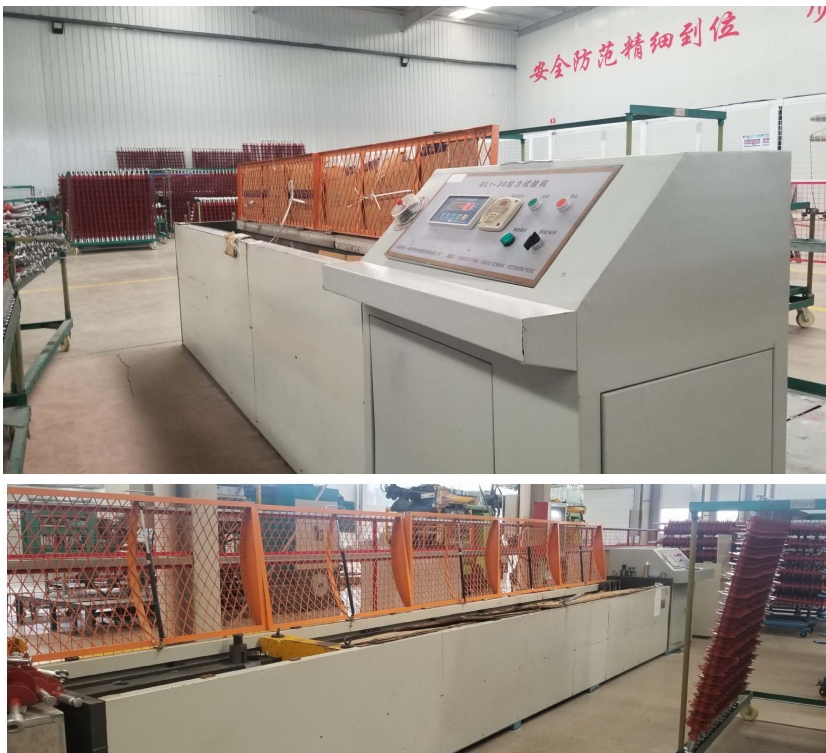
The limitation buyers should plan for. Laboratory recognition is market-specific. Some utilities and EPC specifications name the laboratories or certification schemes they accept, or require a report issued under a scheme recognised in the destination market. A report produced in the supplier's home market can be valid engineering evidence and still require re-testing to satisfy a particular tender. Where that is the case, the realistic answer is to budget for re-testing early rather than to dispute the requirement during bid evaluation.
Four fields determine whether a report is usable: the report number, the issuing laboratory, the standard and edition referenced, and the identity of the specimen tested. A report that omits the specimen model or the standard edition cannot be checked against the goods being supplied.
Four Product Lines, Four Evidence Profiles
Breadth of range is a legitimate supplier capability, but it is a capability with a paperwork cost attached. The four product lines below illustrate why one certificate set cannot cover a whole catalogue.
| Product line | Model | Verified ratings | Construction |
|---|---|---|---|
| Polymer suspension long rod | FXB-24-70-785mm | Rated voltage 35 kV; minimum creepage distance >1050 mm; lightning impulse withstand >230 kV; power frequency 1-minute wet withstand >95 kV; rated bending load 5 kN | Silicone housing; fiber glass core rod; carbon steel/C45 metal fittings |
| Glass post line insulator | 70B | Creepage distance 255 mm; power frequency dry withstand 65 kV; wet withstand 45 kV; puncture voltage 135 kV; cantilever load 10 kN; brown | Glass |
| Porcelain insulator | U70BP/146D | Rated electromechanical failing load 70 kN; structural height 146 mm; nominal disc diameter 255 mm; minimum arcing distance 450 mm; connection structure code 16 | Porcelain |
| Metal fitting | Ball-Head Suspension Ring QP-7 | Coupling size 16; rated failing load 70 kN; net weight 0.3 kg | Hot-dip galvanized steel |
The same range, read against standards, splits four ways. Composite suspension and tension insulators sit under the IEC 61109 and IEC 61466 series, with IEC 61466-1 and IEC 61466-2 addressing strength classes and the dimensional characteristics of string insulator units including end fittings. Composite line post insulators above 1 000 V are addressed by IEC 61952-1, which specifies characteristics such as mechanical and electrical ratings. Porcelain and glass overhead line units fall under the IEC 60383 series, while ceramic or glass post insulators are covered by the test provisions of IEC 60168. Polymeric high-voltage insulators for indoor and outdoor use are addressed more generally by IEC 62217.
One boundary is worth stating plainly because buyers get it wrong in evaluation: material determines the applicable standard, and the standards are not interchangeable. IEC 60507 covers artificial pollution testing of ceramic and glass insulators; a porcelain pollution test result cannot be presented as evidence of silicone housing performance. Likewise, IEC 60815 Parts 1 to 3 provide the framework for selecting and dimensioning insulators for polluted conditions, and that framework has to be applied per material and per site severity, not per price.
The Metal Fitting Is Its Own Specification Object
The Ball-Head Suspension Ring QP-7 illustrates a component that buyers often treat as an accessory and vendors often quote without a specification: hot-dip galvanized steel, coupling size 16, rated failing load 70 kN, net weight 0.3 kg.
Three separate requirements converge on that single part. Coating is one: ISO 1461 specifies requirements and test methods for hot dip galvanized coatings on fabricated iron and steel articles, while ASTM A153/A153M specifies zinc coating on iron and steel hardware and is commonly referenced in North American-linked specifications. These two documents are comparable in intent but not identical in coating thickness classes and inspection rules, and should not be averaged into a single requirement. The RFQ should state which regime applies. Geometry is another: IEC 61466-2 addresses the dimensions and characteristics of composite string insulator units including end fittings, so coupling size 16 has to be consistent between the insulator and the hardware it connects to. Mechanical rating is the third: a 70 kN fitting paired with a lower-rated insulator string simply moves the weak point.
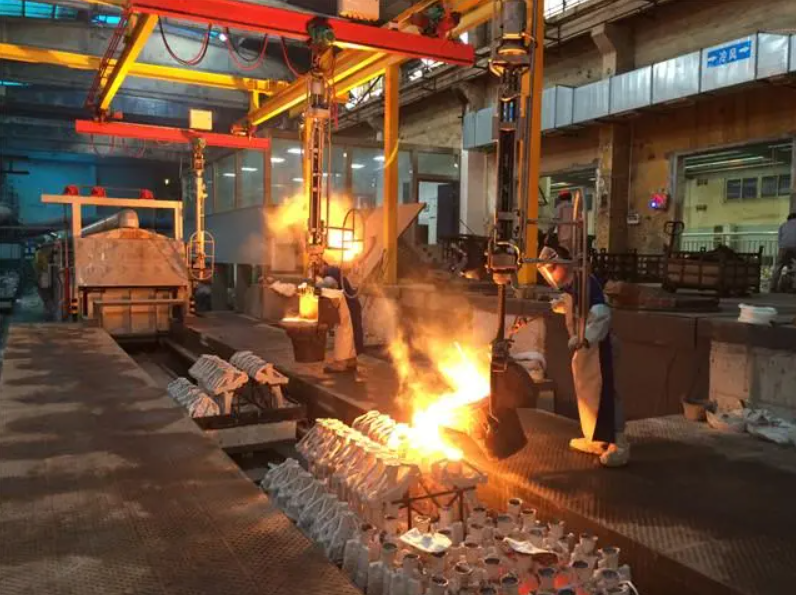
Where These Products Are Actually Applied
CECI describes the application environment for its insulator lines as public electrical equipment supporting rural and urban power grid upgrading, rail transit electrification, high-voltage transmission lines, substations and converter stations, and wind power projects, operating continuously in 24/7 mode.
The stated working conditions are high temperature, high humidity, outdoor harsh climate, UV aging, dust storms that cause rapid dust accumulation, wind and sand abrasion of the shed surface, and instantaneous impulse overvoltage. The corresponding requirements listed are anti-aging and UV resistance, high mechanical strength, high insulation performance, light weight, good bending resistance, water penetration resistance, stable metal fittings with anti-electrochemical corrosion, and non-toxic, environmentally friendly materials. CECI lists this scenario as common in Spain, France, Italy and Türkiye.
Each of those conditions pushes a different document into the RFQ. UV aging and dust accumulation raise creepage dimensioning questions under IEC 60815. Anti-electrochemical corrosion pushes the fitting coating standard into the technical annex. Continuous 24/7 duty makes the mechanical rating of both insulator and hardware a maintenance-planning input rather than a purely electrical one.
Market Context: More Suppliers, More Documents
Published market research places the global insulators market at USD 15.19 billion in 2026 (Straits Research), while a separate study values the composite insulator segment at USD 6.792 billion in 2025 (Market Research Future). The two figures cover different scopes — total market versus composite sub-segment — and should not be added together or compared directly. Separately, UNIFE projects the global rail supply market reaching EUR 266.8 billion by 2031, which supports the view that railway traction remains a distinct demand channel with its own specification route.
The procurement implication is not about market size. It is about qualification throughput. As supplier counts rise, the binding constraint on a buyer's team is frequently the time needed to check certificates, reports and standard references, not the availability of product. Suppliers that can hand over a scoped, indexed evidence set shorten that step; suppliers that cannot, slow it down regardless of price.
Catalogue-Led Versus Document-Led Qualification
The comparison that matters here is not one brand against another. It is two procurement methods against each other, and what each one costs.
| Dimension | Catalogue-led | Document-led |
|---|---|---|
| First question asked | What is the price per unit? | Which model, voltage class and standard does the report cover? |
| Evidence accepted | Datasheet, photograph, sample | ISO 9001 scope statement, type-test report, coating specification |
| Main risk | Ratings cannot be traced to a test; substitution during production goes undetected | Slower front end; valid but narrowly scoped suppliers excluded early |
| Time to award | Short | Longer, with document review parallel to commercial review |
| Best fit | Low-voltage, non-critical, repeat orders with an established supplier | Transmission, substation, rail and wind projects with utility sign-off |
Honest boundaries. Document-led qualification is slower and more expensive at the front end, and it can screen out suppliers who are technically capable but have not yet invested in report coverage. For small, low-voltage or non-critical orders, demanding a full document set is disproportionate and a certificate plus a model datasheet may be sufficient. More importantly, a strong document set proves documentation, not capacity, delivery performance or factory conduct — those require a separate check on facility data, audit results or reference orders. And in the specific case discussed here, the publicly described evidence covers two ISO 9001 certificates and one named type-test report; it does not, on its own, cover every model in the range, so buyers should confirm model-level reports for the remaining lines before award.
A Practical Evidence Checklist for Supplier Qualification
The following list is designed to be sent as an annex with an RFQ. Each item maps to a decision the buyer has to make anyway.
- ISO 9001 certificate file — holder legal name, scope of certification, issuing body, validity dates.
- Type-test report per model and voltage class — report number, laboratory, standard and edition, specimen identity, date.
- Standard mapping — which IEC series applies to each material in the offer (composite, porcelain, glass, polymeric).
- Full rating table — creepage distance, dry and wet withstand voltages, impulse withstand, mechanical failing or cantilever load, and principal dimensions.
- Fitting and coating specification — fitting material, coupling size, and the coating standard applied (ISO 1461 or ASTM A153/A153M, stated explicitly).
- Material declaration — housing material, core rod material, and metal fitting material for each model.
- Factory data — facility size, annual capacity, workforce and engineering headcount, requested as self-reported figures to be corroborated separately.
- Destination-market acceptance — confirmation of whether the named laboratory and report are recognised by the specifying utility, or whether re-testing is required.
Future Outlook
Three developments are likely to shape insulator qualification over the next few years, and all three raise the value of documentation rather than lowering it.
First, standard revisions. IEC 61109 was reissued in 2025, and buyers should expect older reports to reference superseded editions. Checking the edition year on a report is becoming a standard step, not a specialist one.
Second, customs-level traceability. Under the Harmonized System (HS 2022), electrical insulators of any material fall under heading 85.46, with subheadings 8546.10 for glass, 8546.20 for ceramics and 8546.90 for other materials. Classification alone carries no volume or price signal, but it gives buyers a clean query structure for checking a claimed export record before commissioning an audit.
Third, the shift in what differentiates suppliers. Where product tables converge, the differentiator becomes the ability to produce a scoped, current and checkable evidence set on request. CECI's own published profile — a 30,000 m² facility, an annual production capacity of 8,000,000 units, approximately 100 staff including an 8-engineer R&D team, OEM and ODM services available, export at 95% of sales across more than 40 countries including Russia, Vietnam, France, Spain, Italy, Türkiye, Brazil, Poland, Indonesia and Saudi Arabia — is company-reported context. It is useful for orientation and should be read alongside the certificates and reports, not instead of them.
A downloadable catalogue covering the company's polymer and glass insulator ranges is available here: 2025 CECI catalogue of polymer insulators and glass insulators. Company information: www.gridinsulators.com.
Frequently Asked Questions
What does an ISO 9001 certificate actually prove about an insulator supplier?
It proves that the holder operates a quality management system within a defined scope of certification, audited by the issuing body. For CECI, certificate 75425Q0493R053 covers Power Equipment Parts and Accessories and certificate 75424Q0348R0S covers the Ball-Head Suspension Ring QP-7, both issued by Zhongjing Certification (Shanghai) Co., Ltd. Neither certificate states a voltage rating, creepage distance or mechanical load, so neither can replace a type-test report on the specific model.
Does test report 23XJ0089-S cover every insulator model from the same supplier?
No. Report 23XJ0089-S, issued by Suzhou Electrical Apparatus Science Research Institute Co., Ltd., covers the 35 kV composite pin insulator FPQ-35/6(5). A type-test report is bounded by the model tested, the voltage class and the standard used. The polymer suspension long rod FXB-24-70-785mm, the glass post line insulator 70B and the porcelain insulator U70BP/146D each have different constructions and fall under different standard series, so each requires its own evidence.
Which IEC standards apply to composite, porcelain and glass insulators?
Composite suspension and tension insulators are addressed by the IEC 61109 and IEC 61466 series, with IEC 61466-1 and IEC 61466-2 covering strength classes and dimensional characteristics including end fittings; composite line post insulators above 1 000 V by IEC 61952-1. Porcelain and glass overhead line units fall under the IEC 60383 series, and ceramic or glass post insulators under the test provisions of IEC 60168. Polymeric high-voltage insulators generally are addressed by IEC 62217, and pollution dimensioning by IEC 60815 Parts 1 to 3.
What documents should be requested before approving an insulator supplier?
At minimum: the ISO 9001 certificate file with its scope statement, a type-test report for the specific model and voltage class, a standard mapping per material, a complete rating table, a fitting and coating specification, and a material declaration. Two further items are frequently missed — confirmation that the named laboratory is recognised in the destination market, and factory data treated explicitly as self-reported until corroborated by other means.
Which coating standard should be specified for hot-dip galvanized insulator fittings?
It depends on the destination market and the specifying utility. ISO 1461 specifies requirements and test methods for hot dip galvanized coatings on fabricated iron and steel articles, while ASTM A153/A153M specifies zinc coating on iron and steel hardware and is commonly referenced in North American-linked specifications. The two are comparable in intent but differ in coating thickness classes and inspection rules, so the RFQ should name one explicitly rather than leaving the choice to the supplier.
Supplier capability, in this category, is best read as a document trail rather than a product photograph: the certificate defines the system, the report defines the model, and the standard reference defines what the buyer is entitled to demand.
Tem questões ou precisa de mais detalhes?
Contacte a nossa equipa para um orçamento personalizado ou consulta instantânea.
Solicitar orçamento
Preencha o formulário abaixo e a nossa equipa entrará em contacto com uma proposta personalizada.
Chat direto do WhatsApp
Prefere conversar em tempo real? Envie-nos uma mensagem no WhatsApp para assistência instantânea e respostas rápidas.
- Obter orçamento personalizado
- Partilhar fotos ou documentos
- Discuta as suas necessidades diretamente
Geralmente responde em 5–30 minutos durante o horário de expediente.