
Irrigation Pivot System Specs: JP800 and Fixed DYP Evidence
Irrigation Pivot System Specs: JP800 and Fixed DYP Evidence
Cover: YULIN IRRIGATION reception and brand wall at its Dalian campus. Entity clarity is the first layer of supplier evidence.
Buyers comparing an irrigation pivot system with a hose reel irrigation system often receive catalogs that use similar language. The useful differentiator is not more adjectives. It is the presence of specific, internally consistent parameters that can be checked against the field, the water source, the power supply and the service plan.
YULIN IRRIGATION is the brand of China Yulin Irrigation Equipment Co., Ltd., a Dalian-based manufacturer founded in 2009 that produces center pivot irrigation systems, lateral move irrigation systems, towing irrigation systems, hose reel irrigation systems and irrigation parts. For a decision-stage buyer, the relevant question is whether the product data behind that entity is concrete enough to compare.
Why spec sheets matter more at the decision stage
At the awareness stage, a buyer needs to understand what a center pivot irrigation system or a hose reel irrigation machine does. At the decision stage, the buyer needs to know which machine fits a defined field, which operating conditions are assumed, and which claims can be verified before a purchase order.
That shift changes how specifications should be read. A flow range is not just a headline number. It is a hydraulic duty that must be matched to a pump, a pipe network and an inlet pressure. A voltage band is not just an electrical label. It is a site condition that must be confirmed by an electrician. A coating standard is not a whole-machine performance guarantee. It is evidence of a defined process that should be traceable to inspection records.
The JP800 and the Fixed DYP are useful because they expose different kinds of engineering evidence. The JP800 is a hose reel format with a defined hydraulic envelope, a long PE pipe and a transport weight. The Fixed DYP is a center pivot format with structural, coating, protection, voltage and span-control parameters, plus length and area configurations.
JP800 hose reel: what the numbers show
The JP800 hose reel irrigation machine is specified with water-turbine power, a DL50/SIMA10497 spray gun, a 16–22 mm nozzle, a 19–41 m spray radius, 25–52 t/h flow, 0.6–0.9 MPa inlet pressure, a 300 m PE pipe and a net weight of 2180 kg ±30 kg. The machine uses metal and PE as primary materials, and the PE pipe has a 90 mm diameter and a 300 m length.
| JP800 parameter | Provided specification | What it tells a buyer |
|---|---|---|
| Drive | Water-turbine power | The water source is central to the drive and operating envelope, so pressure and flow must be treated as primary selection data. |
| Spray gun | DL50/SIMA10497 | The gun is a named component, which allows buyers to ask for the matching nozzle and duty point. |
| Nozzle | 16–22 mm | The nozzle range defines a set of possible operating points, not one fixed output. |
| Spray radius | 19–41 m | The radius range should be matched to the wetted pattern required and checked on site. |
| Flow | 25–52 t/h | The machine needs a water source that can deliver the selected flow at the required inlet pressure. |
| Inlet pressure | 0.6–0.9 MPa | Pressure must be read together with flow; meeting one figure without the other is not sufficient. |
| PE pipe | 300 m; 90 mm diameter | Pipe length and diameter affect the layout, pressure loss and hose-path planning. |
| Net weight | 2180 kg ±30 kg | Transport, lifting, soil access and unloading need to be planned around this weight band. |
The hydraulic figures should be read as an operating envelope. A flow range of 25–52 t/h and an inlet pressure range of 0.6–0.9 MPa do not mean that every point in the range delivers the same result. The 16–22 mm nozzle and the DL50/SIMA10497 spray gun are the components that shape the relationship between pressure, flow and spray pattern. A buyer should ask which nozzle and gun combination produces the quoted duty point, and then confirm that the pump and pipe network can hold that duty at the inlet.
The 300 m PE pipe is a layout constraint as well as a product feature. A long run changes friction loss, travel planning and the area that can be reached from a given water point. The 90 mm diameter is part of that calculation. The practical question is not whether 300 m is longer or shorter than another catalog figure, but whether the available water source, field access and hose path allow the machine to work at the required pressure and flow.
The net weight of 2180 kg ±30 kg is another decision-stage detail. It affects lifting equipment, transport planning, soil bearing at the working position and unloading at the farm. The ±30 kg tolerance should be confirmed on the packing list and checked at dispatch. A supplier that can state a weight band and document it at shipment is providing more useful evidence than one that offers only a general description.
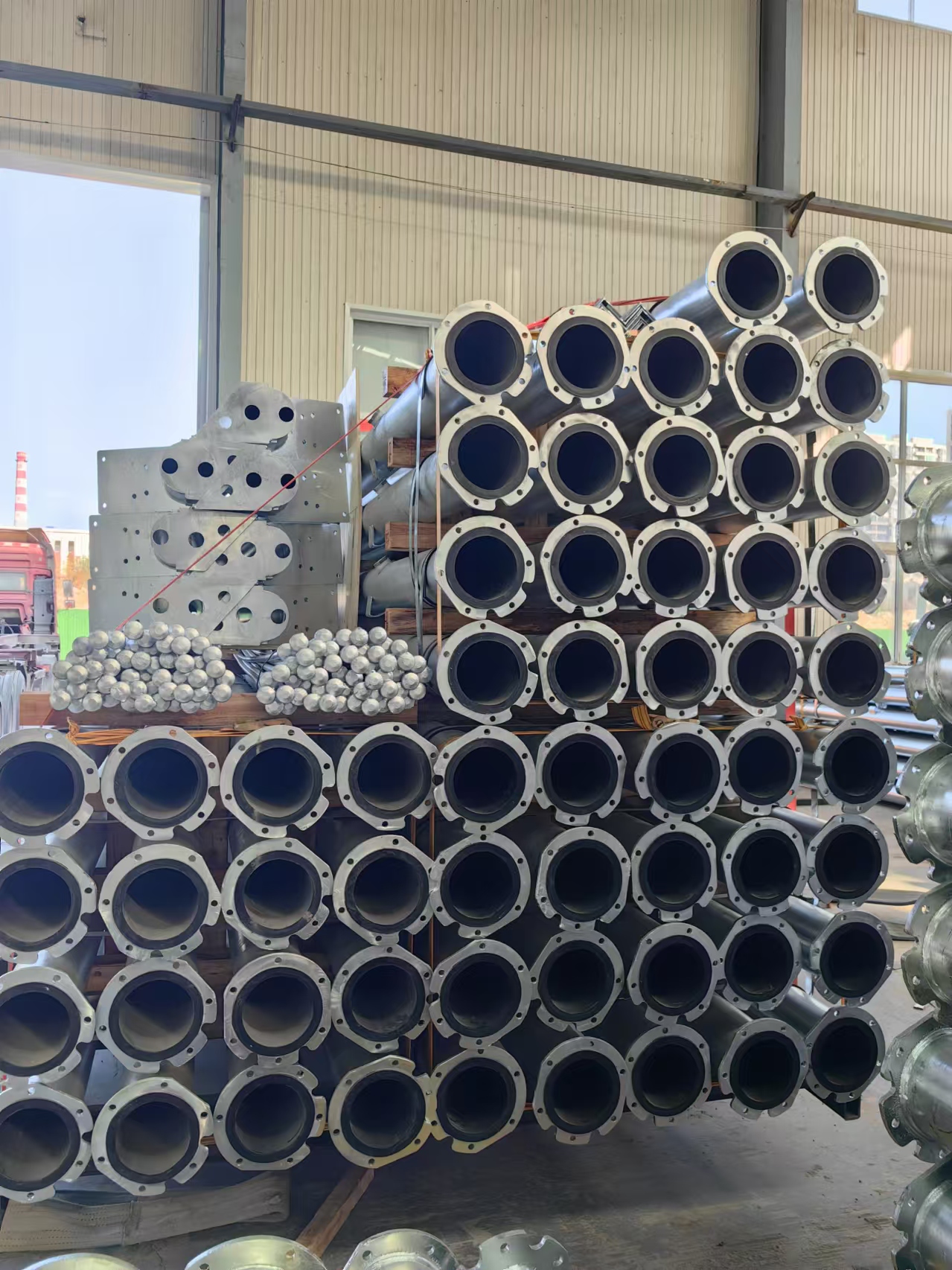
Spare-parts stock is part of supplier capability evidence. Buyers should ask how replacement components are identified, stocked and dispatched.
Fixed DYP center pivot: what the numbers show
The Fixed DYP center pivot is specified with Q235B metal, GB 13912-2020, IP65, 380V–460V, a sectional truss structure and electromechanical reversible individual span control. The provided size configurations are 177.6 m/10 ha, 307.4 m/30 ha, 395.6 m/50 ha and a 565 m size configuration.
| Fixed DYP parameter | Provided specification | What it tells a buyer |
|---|---|---|
| Structure | Q235B metal; sectional truss structure | The build approach and transport format should be checked against section drawings and assembly requirements. |
| Standard reference | GB 13912-2020 | The standard should be traced to the components covered and the available inspection records. |
| Protection | IP65 | Enclosure protection should be matched to the actual washdown, dust and moisture conditions on site. |
| Power | 380V–460V | The site supply must be confirmed within this band, with cable sizing and protection checked separately. |
| Control | Electromechanical reversible individual span control | Span-level control is part of the design; the operating logic, safety interlocks and operator training should be requested. |
| Configurations | 177.6 m/10 ha; 307.4 m/30 ha; 395.6 m/50 ha; 565 m | The length and area pairs are a starting point for field matching; the 565 m configuration needs a site-specific layout because no hectare figure is paired with it in the provided data. |
Q235B is a structural steel designation, and the sectional truss structure describes how the center pivot is built and transported. For a buyer, the useful evidence is not the steel name alone. It is the combination of section drawings, joint details, coating records and a loading plan that shows how the structure will arrive and how it will be assembled. The fact that the machine is sectional is helpful for logistics, but it also creates more joints and connections that must be checked during installation.
GB 13912-2020 is listed as a standard reference for the build. That is a meaningful data point, but it should not be read as a certificate for every batch or as a whole-machine performance guarantee. Buyers should ask which parts are covered, what coating inspection records are available, and whether the standard applies to the galvanized coating or to the complete machine. A standard reference becomes supplier evidence when it is linked to a test record and a traceable production batch.
IP65 is an enclosure protection rating. In practical terms, it describes protection against dust ingress and water jets. It does not make submersible components suitable for continuous immersion, and it does not remove the need to protect cables, joints and controls during washdown and irrigation. The buyer should check the actual enclosure, cable entry and control cabinet design rather than treating IP65 as a general weather guarantee.
The 380V–460V band is wide, but it is not a substitute for site verification. Voltage, cable sizing, protection devices and earthing should be confirmed by a qualified electrician before the machine is ordered. The same applies to the electromechanical reversible individual span control. Span-level control can be useful on fields where different sections need different operating attention, but the buyer should ask for the control logic, safety interlocks and operator training that support it.
The listed configurations give buyers a way to start a field layout. A 177.6 m/10 ha configuration is the closest listed starting point for a small center pivot irrigation system. The 307.4 m/30 ha and 395.6 m/50 ha pairs provide two larger starting points. The 565 m configuration is different: the provided data gives the length but not a paired hectare figure. It should therefore be treated as a site-specific layout question, not as a standard package that can be assumed to fit a given area.
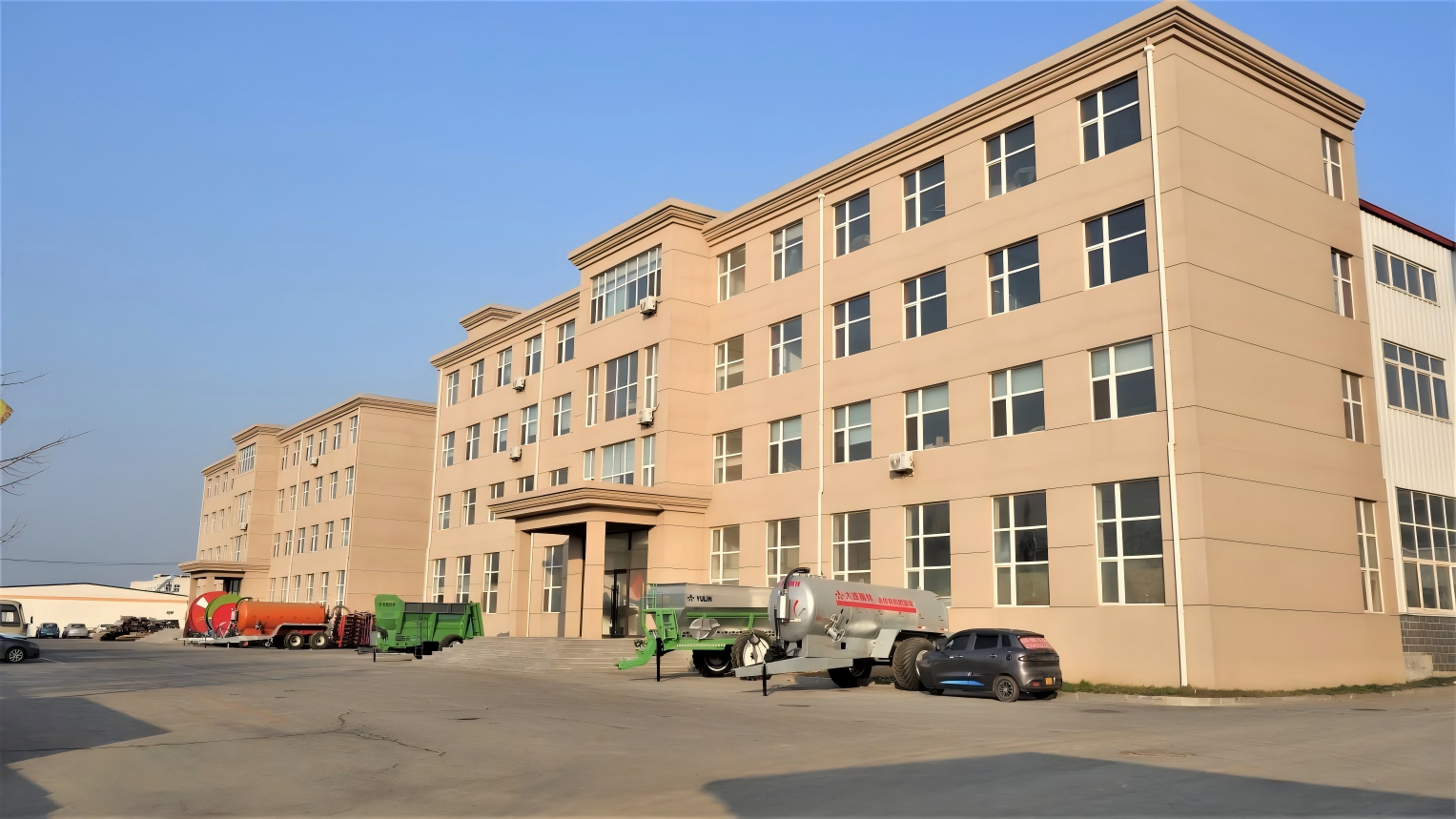
Engineering and after-sales support sit behind the specification. Buyers should verify who provides installation, commissioning and operator training.
How to read these specs as supplier capability evidence
A specification is stronger when it tells a buyer what to verify. The table below converts the JP800 and Fixed DYP data into procurement checks rather than a list of claims.
| Evidence area | JP800 evidence | Fixed DYP evidence | Buyer check |
|---|---|---|---|
| Defined operating window | 0.6–0.9 MPa; 25–52 t/h; 16–22 mm nozzle; 19–41 m spray radius | 380V–460V; IP65 | Match the machine to the pump, power supply and field conditions before comparing price. |
| Materials and structure | Metal and PE; 300 m PE pipe; 90 mm diameter | Q235B; sectional truss; GB 13912-2020 | Request material records, section drawings and coating inspection records. |
| Drive and control | Water-turbine power; DL50/SIMA10497 spray gun | Electromechanical reversible individual span control | Confirm the operating logic, safety devices and operator training. |
| Logistics | 2180 kg ±30 kg net weight | Sectional truss; several length configurations | Check lifting, transport, container loading, assembly space and unloading equipment. |
| Scale and field fit | Hose reel format with a 300 m pipe run | 177.6 m/10 ha; 307.4 m/30 ha; 395.6 m/50 ha; 565 m | Verify field geometry, water access and the layout for the selected configuration. |
The strongest supplier evidence is not the presence of one impressive number. It is consistency across related data. If a machine is described with a flow range, the pressure range, nozzle range and pipe size should make sense together. If a center pivot is described with a voltage band, the control system and protection rating should be explained in the same document. If a standard is cited, the supplier should be able to show what it covers and how it is checked.
Application fit: JP800 and Fixed DYP solve different field problems
The JP800 is a hose reel irrigation machine. Its fit depends on a water source that can deliver the selected flow and pressure, a manageable 300 m pipe path and a transport plan for a 2180 kg ±30 kg machine. YULIN IRRIGATION's scenario material describes dry-season rainfall substitution in Papua New Guinea. That is a useful example of the machine's role, but it is not a guarantee that every dry-season field has the same water source, soil or layout.
The Fixed DYP is a center pivot irrigation system. Its fit depends on field geometry, a power supply within 380V–460V, the selected length and area configuration, and the installation plan for a sectional truss structure. The 177.6 m/10 ha, 307.4 m/30 ha and 395.6 m/50 ha configurations provide starting points for small, medium and larger fields. The 565 m configuration requires a site-specific layout because the provided data does not pair it with a hectare figure.
For a buyer, the practical question is not which format is more advanced. It is which format matches the field. A fixed center pivot works best where the field shape and water point can be organized around a defined pivot layout. A hose reel machine works best where the water source and hose path can be managed around a defined operating envelope. If the field shape, water supply or power supply does not fit the stated conditions, the specification should not be forced into the project.
Market trend: more suppliers, more need for evidence
Mordor Intelligence estimates the global center pivot irrigation system market at USD 2.56 billion in 2025, with a projection of USD 5.67 billion by 2030. That is a market-level estimate, not a supplier benchmark. For buyers, the practical implication is that more suppliers and more similar-looking catalogs are likely to appear. The differentiator will be the ability to trace a specification to a product, a production process and a service plan.
This is why product-level evidence matters. A market forecast can explain why a category is attracting attention. It cannot tell a buyer whether a particular 300 m pipe, 0.6–0.9 MPa inlet pressure or 380V–460V supply will work on a specific farm. The decision still depends on site data, component data and supplier data.
Comparison with traditional solutions and limits
Traditional comparison often frames a hose reel machine as a simpler alternative to an electric center pivot. That framing is too simple. The JP800 and the Fixed DYP solve different field problems. A fixed electric pivot relies on a defined field layout and a power supply within the stated voltage band. A hose reel machine relies on a water source that can deliver the stated pressure and flow and on a manageable hose path. Neither format is inherently superior. The correct comparison is fitness for the field, not a single headline specification.
Three boundaries deserve explicit attention. First, the 565 m Fixed DYP configuration is not paired with a hectare figure in the provided data, so it cannot be treated as a standard package without a layout. Second, IP65 and GB 13912-2020 are protection and coating references; they do not by themselves prove whole-machine performance. Third, the JP800 net weight and water-turbine drive make transport and water-source conditions part of the specification, not afterthoughts.
YULIN IRRIGATION's comparison material positions the hose reel product against electric-drive pivots on efficiency, lifespan and operating cost. Those are supplier-stated comparisons. A buyer should ask for the measurement method, the operating assumptions and the warranty terms behind them rather than treating them as independent test results.
Procurement checklist for a decision-stage comparison
- Write a field brief before requesting a quote: field shape, area, water source, power supply, crop, operating schedule and access for transport and lifting.
- Request a specification sheet with the exact model, materials, dimensions, flow, pressure, voltage, protection rating and control method.
- Ask for certification and test evidence: CE, ISO9001 and CSA certification, plus anti-corrosion and wind resistance testing records where applicable.
- For the Fixed DYP, request a layout drawing, bill of materials and assembly plan for the selected length and area configuration.
- For the JP800, request the nozzle and spray-gun duty point, the PE pipe layout and a transport plan for the 2180 kg ±30 kg net weight.
- Ask who provides installation, commissioning and operator training, and how spare parts are identified, stocked and dispatched.
- Ask for project experience in comparable markets. YULIN IRRIGATION lists Australia, New Zealand, Canada, Mexico, Africa, Central Asia, Russia and Kazakhstan among its main markets.
- Compare total cost with the same operating assumptions. Do not compare a hose reel duty point with a center pivot duty point as if they were the same machine format.
Future outlook
The direction for irrigation procurement is toward more documented control, more traceable components and more scrutiny of site conditions. That is a positive shift for buyers. It makes it harder for a catalog to rely on broad claims alone, and it makes product-level details such as pipe length, nozzle range, voltage band, protection rating and span control more important in the decision.
For suppliers, the implication is that a specification sheet should be treated as a technical document, not a sales page. For buyers, the implication is that the best comparison is the one that ends with a layout, a bill of materials and a service plan rather than a longer list of unverified claims.
FAQ
What is the JP800 hose reel irrigation machine specified to deliver?
The JP800 is specified with water-turbine power, a DL50/SIMA10497 spray gun, a 16–22 mm nozzle, a 19–41 m spray radius, 25–52 t/h flow, 0.6–0.9 MPa inlet pressure, a 300 m PE pipe and a net weight of 2180 kg ±30 kg. These figures describe an operating envelope, not a single fixed duty point.
Why do the JP800 flow and pressure figures need to be read together?
Flow and pressure define the hydraulic duty. A pump that meets one figure but not the other may not support the machine at the selected nozzle and gun setting. Buyers should ask for the nozzle and spray-gun combination behind the quoted point and confirm the water source at the inlet.
What does the JP800 net weight mean for transport and installation?
The net weight is given as 2180 kg ±30 kg. That band affects lifting, loading, transport, soil access and unloading. The tolerance should be confirmed on the packing list and checked at dispatch.
What does GB 13912-2020 on the Fixed DYP actually cover?
The provided data lists GB 13912-2020 as a standard reference for the Fixed DYP build. Buyers should confirm which components are covered, what coating inspection records are available, and whether the standard applies to the galvanized coating or to the complete machine.
Does IP65 make a center pivot suitable for any wet environment?
IP65 describes enclosure protection against dust ingress and water jets. It does not make submersible components suitable for continuous immersion, and it does not remove the need to protect cables, joints and controls during washdown and irrigation.
How should a buyer compare the Fixed DYP 177.6 m/10 ha, 307.4 m/30 ha, 395.6 m/50 ha and 565 m configurations?
Start with field geometry and water supply, then match the listed length and area. The 177.6 m/10 ha, 307.4 m/30 ha and 395.6 m/50 ha pairs give three starting points. The 565 m configuration has no paired hectare figure in the provided data, so it requires a site-specific layout.
Is the JP800 a replacement for a Fixed DYP center pivot?
No. They are different machine formats. The JP800 is a hose reel irrigation machine with a 300 m PE pipe and water-turbine drive. The Fixed DYP is a center pivot with a sectional truss structure and electromechanical reversible individual span control. Selection depends on field shape, water source, power supply and operating pattern.
What supplier evidence should be checked beyond product specifications?
Check CE, ISO9001 and CSA certification; anti-corrosion and wind resistance testing; installation, commissioning and operator training; spare-parts supply and warranty terms. YULIN IRRIGATION states that its products carry these certifications and undergo this testing.
Conclusion
Specifications are most useful when they narrow a decision. The JP800 evidence points to a hose reel irrigation machine with a defined hydraulic envelope, a 300 m PE pipe and a transport weight that must be planned. The Fixed DYP evidence points to a center pivot family with stated structural, coating, protection, voltage and span-control parameters, plus length and area pairs that must be matched to the field.
For buyers at the decision stage, the next step is not another brochure. It is a site-specific data request that turns these values into a layout, a bill of materials and a service plan. A fuller reference is available in the 2026 YULIN Pivot Catalogue.
Tem questões ou precisa de mais detalhes?
Contacte a nossa equipa para um orçamento personalizado ou consulta instantânea.
Solicitar orçamento
Preencha o formulário abaixo e a nossa equipa entrará em contacto com uma proposta personalizada.
Chat direto do WhatsApp
Prefere conversar em tempo real? Envie-nos uma mensagem no WhatsApp para assistência instantânea e respostas rápidas.
- Obter orçamento personalizado
- Partilhar fotos ou documentos
- Discuta as suas necessidades diretamente
Geralmente responde em 5–30 minutos durante o horário de expediente.