
JH-D726 vs Imported Dry Strength Resins: A Buyer Comparison
Independent Industry Reference / Papermaking Chemicals
JH-D726 vs Imported Dry Strength Resins: A Buyer Comparison
For a paper mill that has run imported dry strength resin for years, the switch decision is not a branding question. It is a question of whether a substitute chemistry can hold tensile, burst and ring crush targets on the same furnish, in the same wet-end sequence, at a lower landed chemical cost.
The global market for paper dry strength agents was valued at approximately USD 864 million in 2024, according to Intel Market Research, and the narrower dry strength resin segment is projected by Fact.MR to reach roughly USD 1.4 billion by 2026 while growing at a CAGR of about 4.8% through 2036. Packaging and containerboard grades account for an estimated 38% of dry strength additive usage — the single largest application block — and that block is the one most exposed to recycled fiber quality swings.
This article compares imported dry strength resins, treated here as a procurement category rather than a named brand, with JH-D726, the amphoteric liquid dry strength agent produced by Qingzhou Jinhao New Material Co., Ltd. — a papermaking fine chemicals manufacturer founded in 2005 and based in Mihe Industrial Park, Qingzhou City, Shandong Province, China, which produces dry and wet strength agents, sizing agents, retention and drainage aids, defoamers, sludge and filler encapsulants and related process chemicals. The comparison focuses on two things a buyer can actually act on: technical equivalence, and the cost and supply implications of substitution.
Why Imported Dry Strength Resins Are Being Re-Evaluated
Imported dry strength resins have historically been the default choice for mills producing high-strength packaging grades, largely because their performance was predictable across a wide range of virgin and mixed furnishes. Three pressures have changed that calculus.
- Furnish drift. Recycled paper accounted for 44.4% of all fiber used at U.S. mills in 2024, according to the American Forest & Paper Association. Higher recycled content means shorter fibers, more fines and more ash, which raises the dosage needed to hit the same ring crush or burst number. When dosage rises, so does the absolute cost of an imported resin.
- Landed cost structure. Imported chemicals carry ocean freight, customs and distributor margin on top of the ex-works price. For a liquid product dosed at part-per-thousand levels, logistics and working capital are a meaningful share of the delivered cost per ton of paper.
- Replenishment cycle. Imported supply typically requires longer order-to-delivery windows, which forces mills to hold larger buffer stock of a chemistry with a finite shelf life.
The opportunity for domestic and regional suppliers is therefore not simply price. It is the combination of comparable strength performance, shorter replenishment, and technical service that can be delivered on site when the machine drifts.
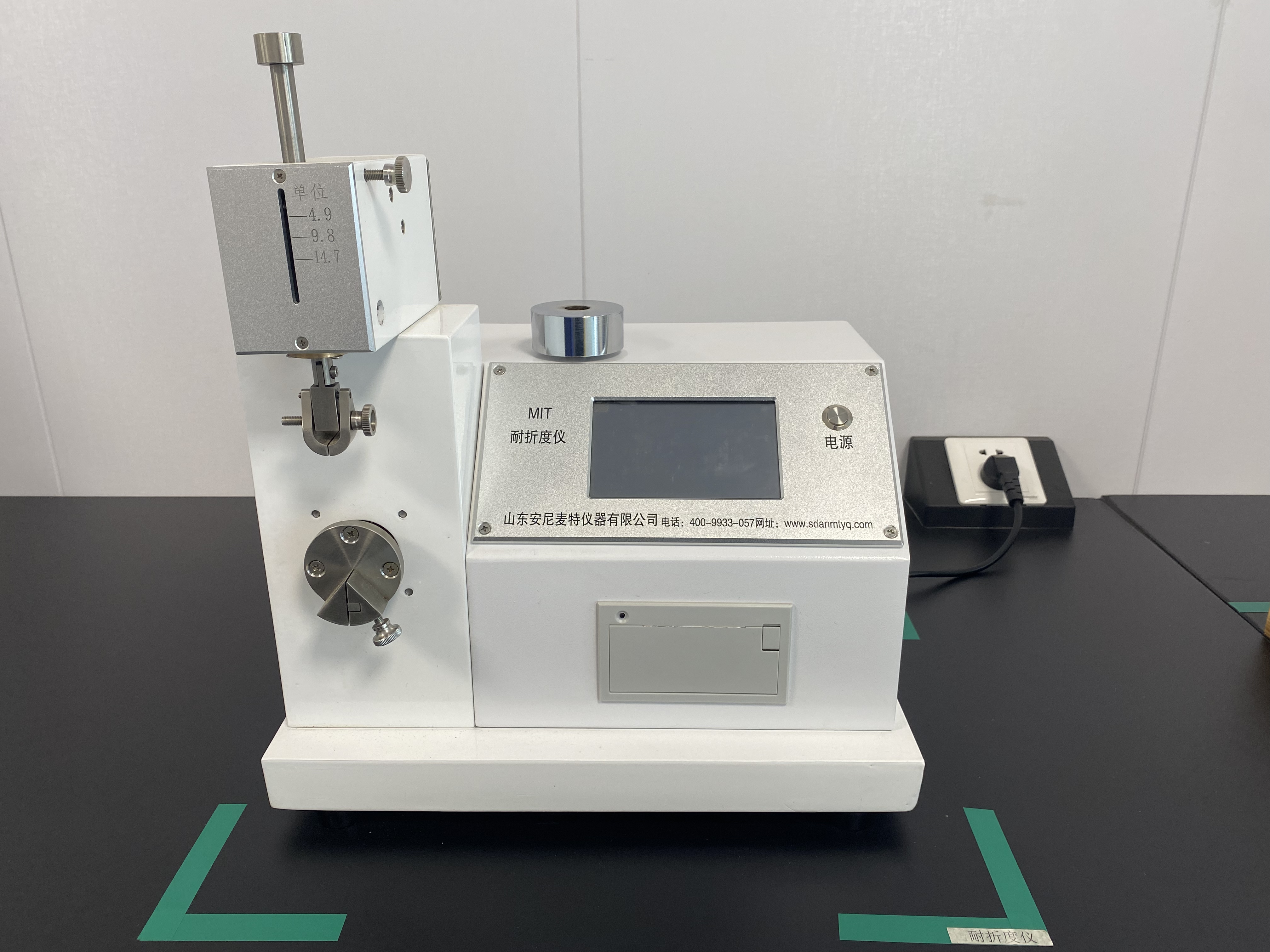
Dry strength agent comparison begins with measurable paper properties: tensile, burst, ring crush and retention, tested on the mill's own furnish.
JH-D726 at a Glance: Specification and Ionic Profile
JH-D726 is a water-soluble, amphoteric liquid dry strength agent. Its amphoteric character is the detail buyers should focus on first, because it determines how the product behaves alongside the cationic and anionic chemicals already in the wet end.
| Parameter | JH-D726 (as published in product documentation) |
|---|---|
| Product category | Dry strength agent / fiber reinforcement additive for papermaking |
| Appearance | Colorless semi-transparent liquid |
| Solid content (%) | 15.0 / 20.0 ± 1.0 |
| pH | 3.0 – 6.0 |
| Viscosity (25°C, cps) | 4,000.0 – 12,000.0 |
| Ionic type | Amphoteric |
| Solubility | Soluble |
| Shelf life | 6 months |
| Base chemistry | Polymer and surfactant-type materials, organic/inorganic composite liquids and functional small-molecule additives |
| Stated functional targets | Dry strength, fiber reinforcement, tensile strength enhancement, burst resistance, tear resistance, ring crush (ring pressure) strength, molecular bonding strength, retention aid enhancement, filler and sludge reuse enhancement |
Specification data as documented by the manufacturer. Buyers should confirm the grade-specific datasheet and lot certificate before a bulk order.
The solid content range of 15.0/20.0 ± 1.0% is worth reading carefully during evaluation. Two commercial concentrations exist within the same product designation; dosing calculations, storage volume and freight economics differ between them, and the delivered concentration should be agreed in writing before a trial is scheduled.
What “Technical Equivalence” Should Mean in a Strength-Agent Switch
Technical equivalence is not a single number. For a dry strength agent, it is a set of paper and machine indicators that must be compared at equal or lower active dosage:
- Dry tensile strength — the baseline indicator for fiber-to-fiber bonding in linerboard and medium.
- Burst strength — sensitive to bonding quality rather than fiber length, making it a fair test of a reinforcing additive.
- Ring crush strength — the governing property for corrugated board compression performance and the indicator most mills watch when changing a strength program.
- Fiber retention rate — JHDA reports that mill applications of JH-D726 have increased fiber retention rate by 8%–15%, which affects both furnish cost and effluent load.
- Machine runnability and fabric life — JHDA reports 20%–30% longer forming fabric service life in applications using JH-D726, an operating-cost effect that does not appear on a chemical price sheet.
Those retention and fabric-life figures are supplier-reported outcomes from applied mill cases, not universal guarantees. They should be treated as the basis for a validation plan, not as a substitute for one.
Wet-End Compatibility: AKD Sizing and Defoamers
A strength agent is never dosed into clean water. It enters a wet end already containing sizing emulsion, retention polymer, defoamer and, in recycled systems, a substantial anionic trash load. Compatibility, not strength alone, determines whether a substitution succeeds.
Interaction with AKD sizing agents
AKD internal sizing emulsions are cationic, and typical commercial grades are supplied at solid contents in the 12.5–25.0 ± 1.0% range. A cationic strength resin added to the same system competes for anionic fiber surface and for the same charge sites, which is a common cause of sizing reversion and unstable Cobb values after a strength-agent change. An amphoteric dry strength agent such as JH-D726 is less likely to push the system toward a one-sided charge imbalance, which is why it is normally positioned as compatible with AKD internal sizing and with AKD surface sizing grades when dosing order and charge demand are set correctly.
Defoamers, retention aids and dosing sequence
High-temperature and alkali-resistant paper defoamers are formulated to break foam without de-oiling the fiber slurry. The practical risk during a switch is sequence: adding a defoamer upstream of the strength agent can strip surfactant-type components and reduce bonding efficiency. Mills typically dose the strength agent first, then the retention aid, and manage defoamer addition at points where foam actually forms. The same logic applies to retention and drainage systems — JHDA's own retention emulsion (JH-8501, CPAM-based, 38.0 ± 1.0% solids, cationic) is dosed as part of a coordinated wet-end program rather than as an isolated additive.
Compatibility checkpoints before a full switch
- Charge demand (cationic demand) of the thick stock with and without JH-D726.
- Cobb water absorption value measured at constant AKD dosage, before and after the switch.
- Ring crush, burst and tensile at equal active dosage rather than equal wet-end volume.
- Foam behavior at the wire and in the white water loop after defoamer repositioning.
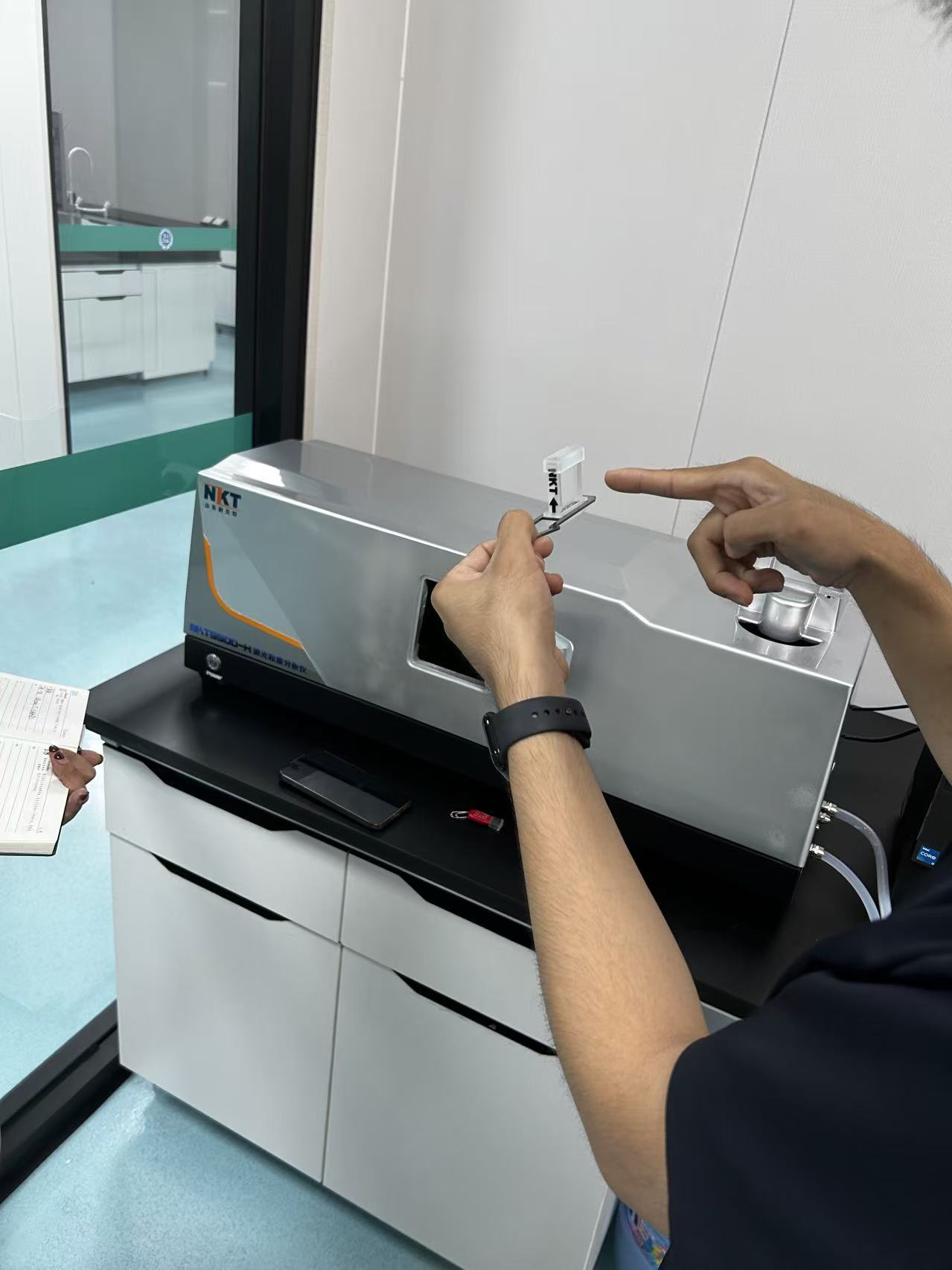
Batch consistency is verified through routine QA tests including particle size, appearance, solids, pH, viscosity and functional performance.
Buyer Comparison Table: Procurement and Supply Factors
The table below compares the two options at the level a purchasing team can actually negotiate. Imported resin behavior varies by supplier and should be verified with each vendor; the right-hand column reflects JHDA's documented capabilities for JH-D726 and its related supply chain.
| Decision factor | Imported dry strength resin (category-level pattern) | JH-D726 supply pattern (Qingzhou Jinhao New Material Co., Ltd.) |
|---|---|---|
| Chemistry position | Commonly cationic or amphoteric polymer systems; grade-specific | Amphoteric, water-soluble liquid |
| Published solid content | Varies by supplier and grade | 15.0 / 20.0 ± 1.0% |
| Minimum order quantity | Typically set by container or pallet economics | 1 MT, with free trial samples |
| Production lead time | Extended by ocean freight and customs clearance | Production in 4 working days; monthly capacity 8,000 MT |
| Technical support | Often remote, with local agent involvement | Online and on-site engineering and process support |
| Documentation | Supplier-specific; distributor-mediated in some markets | TDS and MSDS provided; pre-shipment laboratory testing; export documents for customs and L/C settlement |
| Quality certification | Supplier-specific | ISO 9001 and ISO 14001 certified production; SGS product compliance testing; HALAL certificate for paper-making industry additives |
| Customization | Limited for standard grades | Formulation customization, OEM/label production, specification and packaging customization (options confirmed with sales) |
| Commercial terms | Varies; typically T/T or L/C | T/T or L/C; FOB or CIF; acceptance by pre-shipment test |
Two rows deserve emphasis. First, the minimum order quantity of 1 MT with free trial samples changes the risk profile of a switch: a mill can run a controlled trial on its own machine before committing to bulk volume. Second, documentation quality is not a formality in this category — TDS, MSDS, pre-shipment test reports and certificates of origin are what allow a mill to clear customs, satisfy an L/C, and defend the change internally to quality and compliance teams.
Where the Substitution Case Is Weaker: Limits and Boundaries
An honest comparison has to state where JH-D726 is not the obvious answer.
- Shelf life and inventory planning. JH-D726 has a 6-month shelf life. Mills that currently hold imported resin as a multi-month buffer will need tighter stock rotation, or must consider a solid dry strength agent format — JHDA produces a powder grade (JH-1697, active ingredient ≥ 95.0%, 12-month shelf life) for buyers who require longer storage.
- Furnish dependence. Strength results are governed by the pulp mix, ash content, wet-end pH and charge demand. A substitution validated on recycled OCC does not automatically transfer to a straw-pulp or high-virgin-fiber line without retesting.
- Viscosity handling. At 4,000–12,000 cps (25°C), JH-D726 requires adequate dilution and metering equipment. Mills with only low-viscosity dosing systems should plan a small piping or pump review before the trial.
- Fixed regulatory records. Where a paper grade is tied to a fixed chemical audit record — for example food-contact packaging exported to the EU, where EN 645, EN 646 and EN 648 testing regimes and the BfR Recommendation XXXVI framework are commonly cited — the qualification path is documentation-led. JHDA holds SGS food-contact safety testing for packaging paper chemicals and a HALAL certificate covering paper-making industry additives, but a switch in a formally audited supply chain still requires the buyer's own re-qualification cycle.
- Very high-grade virgin specialties. For specialty boards with a machine-mandated original auxiliary formulation, retaining the incumbent product may be the lower-risk decision.
Application Fit by Grade and Mill Type
JH-D726 sits in the packaging-paper mainstream rather than in specialty niches. Its documented application scope covers kraft linerboard, corrugated medium, testliner and fluting, carton board, printing and writing grades, tissue and pulp molding products, as well as food-grade cardboard where the accompanying compliance documentation is acceptable to the buyer. It is also positioned for recycled pulp systems, which is consistent with the market segmentation data: Asia-Pacific accounts for roughly 40% of the global dry strength agent market, and polyacrylamide-based chemistry represents an estimated 40.0% share of the dry strength resin segment.
For mills running high-ash recycled furnish, the filler and sludge reuse enhancement functions are commercially relevant, because retained filler reduces the fiber cost per ton and lowers the load on wastewater treatment. JHDA's own sludge and filler encapsulation grades (JHWB-1319 and JHWB-1320) are typically evaluated alongside the strength agent for that reason.
Market Context: Why Regional Alternatives Are Getting More Attention
The pulp and paper chemicals market overall was estimated at USD 23.64 billion in 2024, and within it the strength-agent segment continues to expand. Three structural drivers favor regional supply:
- Recycled fiber growth. Rising recycled content in packaging grades increases dry strength dosage per ton of paper, making chemical cost a larger share of conversion cost.
- Supply chain regionalization. Paper mills in Asia, Africa and South America increasingly favor suppliers with shorter logistics chains. JHDA supports this through its Vietnam-based production entity, CRM Chemical Technology Co., Ltd. in Long An Province, which shortens delivery cycles for ASEAN customers.
- Technical service as a purchasing criterion. When a machine drifts, response time matters more than catalogue specification. On-site machine debugging that optimizes Cobb value, ring crush strength, bursting strength, brightness and fiber retention rate is now part of the buying decision rather than an after-sales extra.
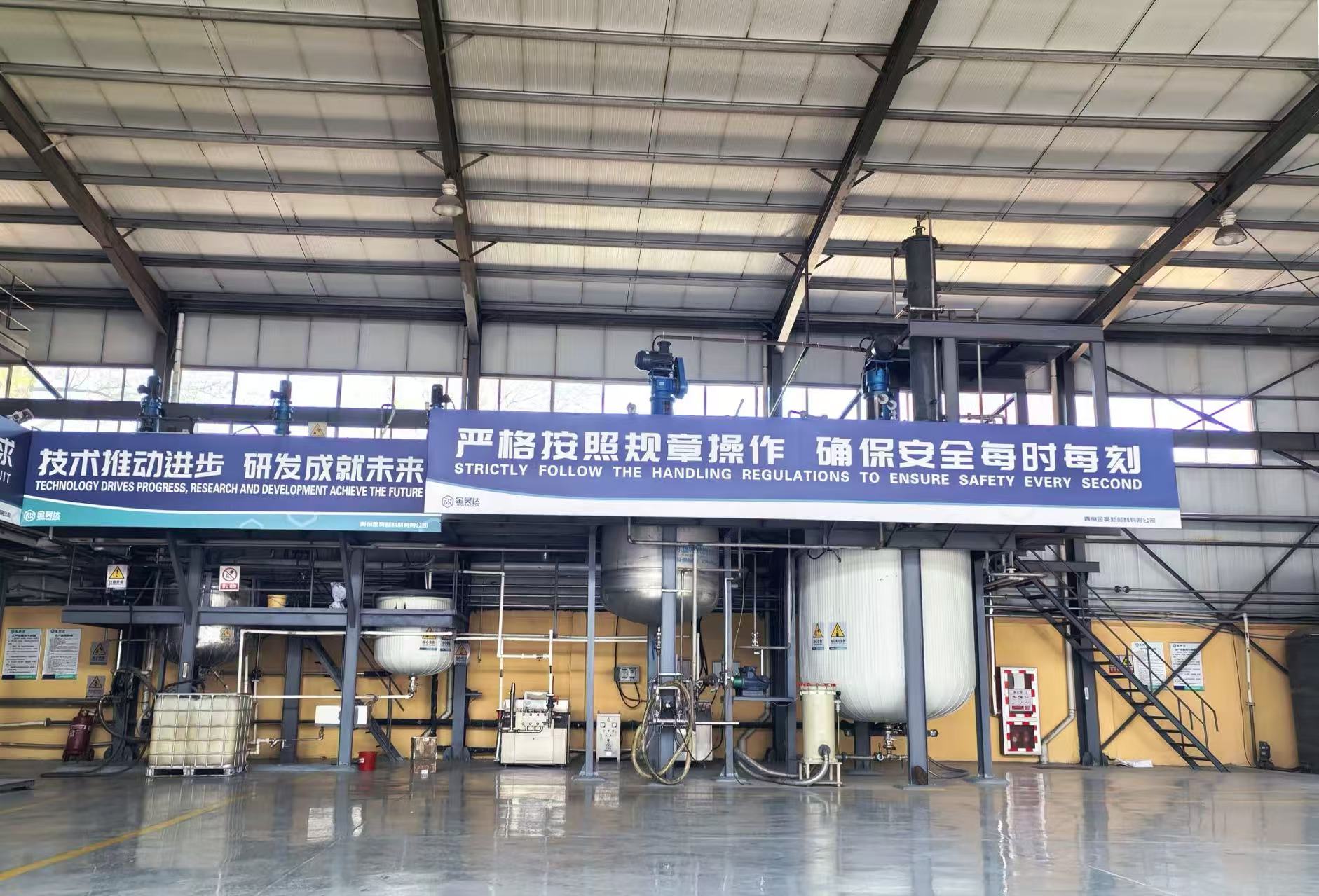
Bulk supply reliability depends on production capacity and batch consistency, not only on trial performance.
Implementation Path for a Mill-Level Trial
The following sequence reflects how a controlled dry strength agent substitution is normally structured. Each step produces evidence that can be reviewed by production, quality and procurement together.
- Baseline documentation. Record current tensile, burst, ring crush, Cobb value, retention and machine speed at the existing resin dosage.
- Sample evaluation. Request trial samples and confirm the delivered solid content (15.0 or 20.0 ± 1.0%) in writing.
- Laboratory comparison. Run charge demand, drainage and handsheet strength tests at equal active dosage before any machine trial.
- Compatibility verification. Confirm behavior with the mill's AKD sizing emulsion, defoamer and retention program, including dosing positions.
- On-machine trial. Run a defined window with the supplier's technical engineer present, monitoring wet-end charge and paper properties.
- Scale-up decision. Convert to bulk order only after the target specification is met at equal or lower chemical consumption per ton of paper.
Future Outlook
Dry strength chemistry is moving in two directions at once. On the technical side, amphoteric and multifunctional polymer systems are displacing single-function additives because they tolerate wider furnish variability and interfere less with sizing. On the supply side, the economics increasingly favor regional production close to the mill, with certification and documentation portability — ISO 9001, ISO 14001, SGS testing and HALAL coverage — acting as the gate rather than brand origin.
For buyers, the practical implication is that the imported-versus-domestic question is becoming a validation question. Mills that build a repeatable substitution procedure — baseline data, equal-dosage comparison, compatibility testing, documentation review — will be able to re-source strength chemistry whenever cost or logistics justify it, instead of being locked into a single origin by the absence of an evaluation method.
FAQ
Can JH-D726 replace an imported dry strength resin without losing tensile, burst or ring crush performance?
In recycled packaging grades, JHDA positions JH-D726 as a direct replacement at equal active dosage, with reported mill outcomes including comparable tensile, burst and ring crush values, an 8%–15% increase in fiber retention rate and 20%–30% longer fabric service life. Because strength results depend on pulp mix, ash content and wet-end charge demand, the substitution should be confirmed on the mill's own furnish before bulk conversion.
What should a mill test before committing to a bulk dry strength agent switch?
A standard validation set covers dry tensile, burst strength, ring crush strength and fiber retention at equal active dosage, plus charge demand of the thick stock and Cobb value at constant sizing dosage. JH-D726 is supplied with free trial samples at a 1 MT minimum order, which allows a controlled machine trial before bulk purchasing.
Is JH-D726 compatible with AKD sizing agents and defoamers?
JH-D726 is an amphoteric liquid and is documented as compatible with AKD internal and surface sizing systems and with defoamer programs in papermaking wet ends. Compatibility depends on dosing sequence and charge balance: the strength agent is normally dosed before the retention aid, and defoamer addition points are managed where foam actually forms, since upstream defoamer addition can reduce bonding efficiency.
What documentation and certifications accompany a JH-D726 shipment?
Shipments are supported by TDS and MSDS documents, pre-shipment laboratory test reports, and export documentation for customs clearance and L/C settlement. Qingzhou Jinhao New Material Co., Ltd. operates ISO 9001 and ISO 14001 certified production, holds SGS product compliance testing for packaging paper chemicals and a HALAL certificate covering paper-making industry additives. Routine quality control includes particle size, appearance, solids, pH, viscosity and functional testing.
What are the main limitations of replacing imported resin with JH-D726?
JH-D726 is a liquid with a 6-month shelf life, so mills holding long buffer stock need tighter inventory rotation or a solid dry strength agent format such as JH-1697 (active ingredient ≥ 95.0%, 12-month shelf life). Its viscosity range of 4,000–12,000 cps requires suitable dilution and metering equipment, and grades tied to fixed regulatory audit records or machine-mandated original formulations may still favor the incumbent product after the buyer's own re-qualification process.
For mills that want the full product and capability reference before structuring a trial, the JHDA company brochure (PDF) covers the papermaking chemical portfolio, certifications and export documentation: JHDA company introduction 2026.