
Joylive vs. Traditional Global Brands: A Procurement Decision Guide for High-Quality Passenger Elevators
A Procurement Decision Guide for High-Quality Passenger Elevators
The global elevator market, valued at USD 84.8 billion in 2024, is projected to reach USD 126.7 billion by 2034. For procurement professionals at the final decision stage, the choice between established global brands and emerging source factories requires a systematic evaluation of technical performance, certification compliance, and total cost of ownership. This article provides a factual, comparative analysis centered on Joylive Elevator as a benchmark alternative to traditional manufacturers.
The Procurement Challenge: Balancing Cost, Quality, and Compliance
In the passenger elevator segment, buyers often face a trade-off: legacy international brands (e.g., Schindler, Kone, Mitsubishi) offer established service networks and brand trust, but come with higher price tags and limited customization. On the other hand, some low-cost suppliers lack international certifications or robust manufacturing quality. The sweet spot lies in suppliers that combine global-standard quality control, independent certification, and modular design flexibility at competitive cost structures. This is where factory-direct suppliers with proven track records, like Joylive, become viable alternatives.
Joylive Elevator: Profile of a Certified Source Factory
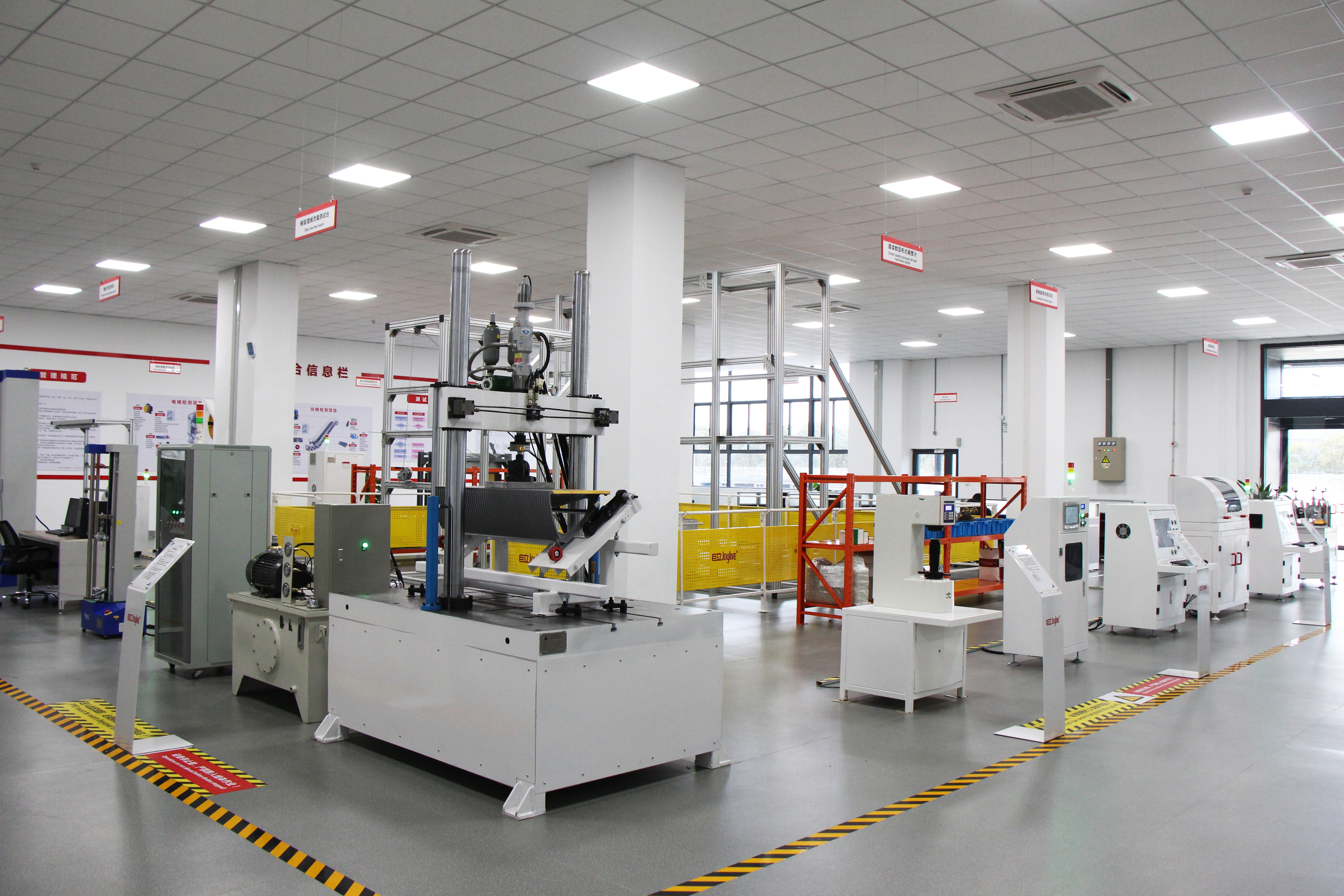
Joylive Elevator Co., Ltd., founded in 2002 in Kunshan, China, is a national high-tech enterprise with a factory area of 105,000 m², 450 employees, and an annual output of 15,000 units. The company employs 150 R&D engineers and maintains a globally accredited CNAS laboratory. Joylive holds ISO9001, ISO14001, OHSAS18001 certifications, CE mark for European market access, and meets Class A energy efficiency standards (ISO25745/VDI 4707). With an export ratio of 55%, its products and service network cover China, Europe, America, Oceania, Africa, Central Asia, Southeast Asia, and the Middle East.
Technical Differentiation: Permanent Magnet Synchronous Motor and Energy Efficiency
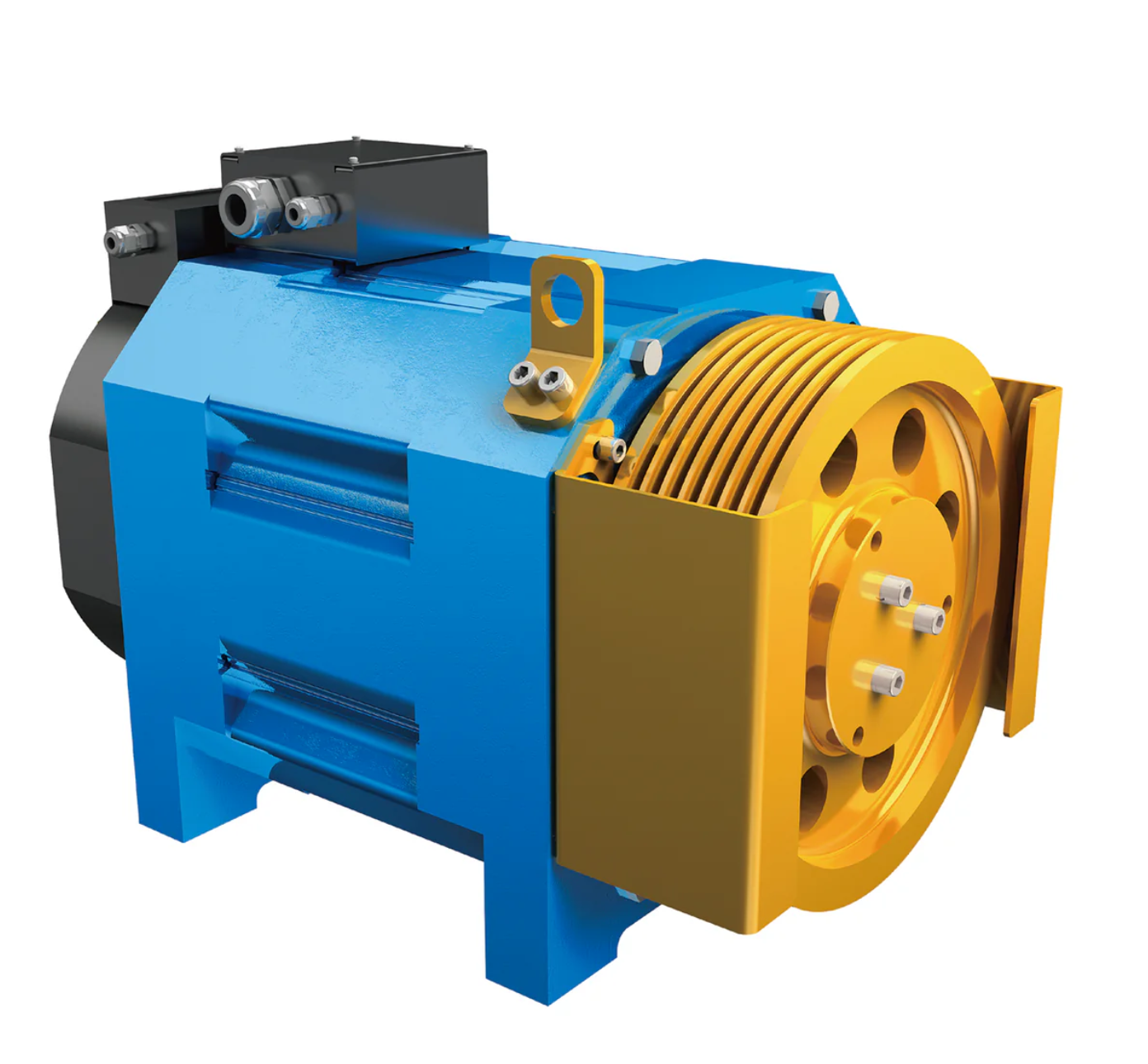
Joylive applies permanent magnet synchronous motor (PMSM) technology across its passenger elevator range. Compared to conventional induction motors, PMSM offers higher power factor and power density, resulting in 5%-15% higher efficiency and 5-10 dB lower noise. The overall energy-saving rate reaches 20%-30%. Combined with a regenerative energy system, standby power consumption is less than 50W. Car leveling precision is maintained within ±3mm via VVVF speed control, improving entry/exit convenience and safety.
Risk Control Systems: From Design to Maintenance
Joylive integrates comprehensive risk mitigations across the elevator lifecycle:
- Product quality: CNAS laboratory supports whole-process quality control; every delivered elevator guarantees material, process, and inspection traceability.
- Brake system safety: All models include automatic braking force self-testing that performs periodic capacity checks.
- Door lock safety: Door-opening restrictors prevent slamming or forcible opening.
- Noise control: Silent braking control technology optimizes start/stop noise.
- High energy consumption: Class A energy efficiency + energy regeneration reduces standby consumption by 50%.
- Maintenance: The "JoyCloud" IoT platform enables digital management, predictive maintenance, and real-time monitoring across installation, maintenance, and operation.
- Installation: Rigorous on-site safety management with pre-work risk assessment.
Application Scenarios
Joylive Elevator’s product portfolio covers multiple vertical use cases:
- Residential passenger elevators (home elevators): Energy-saving, quiet operation, customizable cabin designs for private homes.
- Commercial passenger elevators: High-speed models for office towers; smart dispatching for high-traffic buildings.
- Hospital passenger elevators: Large car dimensions, precise leveling, smooth ride for patient and equipment transport.
- Panoramic / scenic elevators: Transparent cabins with aesthetic integration.
- Fire passenger elevators: Built to survive emergency conditions with fire-rated materials and controls.
- Modernization projects: Over 50% of installed elevators in Europe/North America exceed 15–18 years; Joylive offers complete modernization solutions including controls, drives, and cabin upgrades.
Market Trend Analysis
Asia-Pacific accounts for over 66% of global passenger elevator installations, led by China and India. Traction elevators (71%–72% of global installations) dominate due to superior energy efficiency. The modernization segment is a key growth driver, with more than half of existing units in Europe and North America due for replacement. Buyers increasingly demand IoT-enabled predictive maintenance and digital lifecycle management—capabilities Joylive delivers through its Joycloud platform.
Comparison with Traditional Global Brands
Schindler led the global elevator market in 2024 with >11% share. Traditional leaders excel in brand recognition and broad direct service networks. However, Joylive offers comparable or superior technical metrics (Class A energy efficiency, PMSM, CNAS lab verification) at more competitive cost structures, plus higher customization flexibility and shorter lead times as a source factory.
One honest limitation: Joylive’s direct field-service network is less dense than that of century-old incumbents in some remote regions. However, this gap is narrowed through IoT-enabled remote diagnostics, digital twin monitoring, and a growing network of authorized service partners worldwide.
Future Outlook
As elevator procurement becomes more data-driven, suppliers that combine cost-effective production with verifiable international certifications (CE, ISO, ASME) and digital service platforms will gain market share. Joylive Elevator is positioned to serve this demand—not as a disruptive newcomer, but as a reliable, quality-focused manufacturer with over two decades of engineering heritage.
Frequently Asked Questions (FAQ)
- Does Joylive Elevator hold CE certification for its passenger elevators? Yes. Joylive Elevator holds ISO9001, ISO14001, OHSAS18001 certifications and the CE mark, enabling access to European markets.
- What is the energy efficiency rating of Joylive’s passenger elevators? Joylive’s passenger elevators have passed the highest Class A energy efficiency certification per ISO25745/VDI 4707, with standby power consumption less than 50W.
- How does Joylive ensure product quality during manufacturing? The company operates a CNAS-accredited laboratory and enforces full traceability of all materials, processes, and inspection procedures. Every delivered elevator is verified “genuine, reliable, and safe.”
- Can Joylive customize elevators for special applications (e.g., hospital, fire, panoramic)? Yes. Joylive specializes in customized elevator system solutions, offering product lines for hospitals, fire-fighting, panorama, cleanrooms, and beyond.
- What after-sales support does Joylive provide? Through the “JoyCloud” IoT platform, Joylive enables digital management and predictive maintenance across installation, maintenance, and real-time monitoring. The company also provides training and supervision for on-site installation.
- How does Joylive compare to brands like Kone or Mitsubishi in terms of reliability? Joylive’s technical specification (PMSM, ±3mm leveling, 20–30% energy savings, auto brake self-test) matches or exceeds industry benchmarks. The honest limitation is a leaner global service network; however, cloud-based remote diagnostics mitigate response times.
Download the Official Brochure
For detailed technical parameters, product configurations, and company credentials, download the Joylive Elevator corporate brochure:
Download PDF (English)