
Kitting Out Your Team: Cooling Vests as Standard Issue
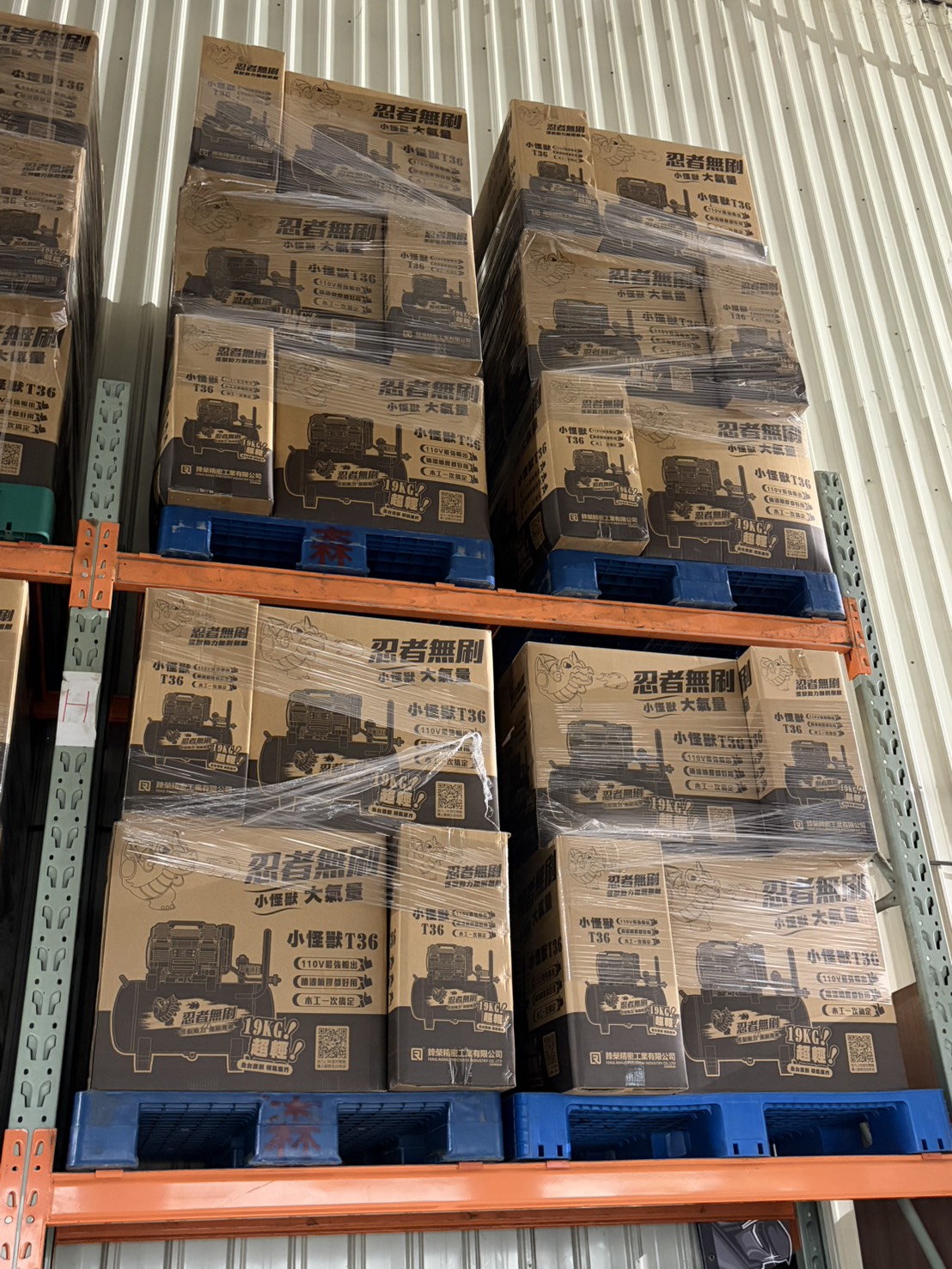
Stock depth decides whether a standard-issue cooling vest program can be rolled out team-wide in one delivery or has to be staggered across shifts. Image: Shokunin / Feng Shang Precision Co., Ltd.
A standard-issue cooling program turns an individual purchase into a managed procurement line: one kit specification, one per-head cost, one refreeze routine — and usually one unresolved question that only surfaces at delivery, which is where the power source comes from and whose budget it sits in.
Why Heat Protection Is Turning Into a Standard-Issue Line Item
The global cooling vest market was valued at approximately USD 215 million in 2024 and is projected to reach USD 385 million by 2033 (Dataintelo). A much larger figure — USD 25.16 billion in 2024 for personal cooling devices, projected to reach USD 94.85 billion by 2035 (Market Research Future) — covers a wider scope that includes handheld fans and other personal cooling products. The two figures describe different categories and should not be used interchangeably.
Inside the cooling vest category itself, employers dominate demand. Industrial applications, including construction and manufacturing, held the largest share at 34.5% in 2025 (Dataintelo), while Asia Pacific is the fastest-growing region, driven by rapid industrialization and large outdoor work populations (Spherical Insights).
That composition changes the buying conversation. When the buyer is an employer rather than an individual worker, the question is no longer which vest to wear but which kit to standardise on, how many units to hold, who refreezes and recharges what, and what the cost per heat-exposed worker looks like across a season.
What Standard Issue Means for a Heat-Exposed Workforce
Standard issue is a specification decision applied uniformly across every role in scope. For cooling vests, it normally means four commitments made before the first purchase order is raised:
- One performance specification for every role included in the program, instead of a mix of models bought at different times.
- One defined kit per worker, so per-head budgeting becomes a multiplication rather than an assembly project.
- One refreeze, recharge and swap routine that matches the site's actual shift pattern.
- One documentation file covering quality management, electrical components and after-sales support.
This is where standard issue differs from bulk buying. Bulk buying is a discount decision; standard issue is an operating decision. A team can buy twenty vests and still have no program — no spare packs, no charging plan, no replacement path — and end up with a large share of the fleet out of service before the season ends.
The Kit Unit Behind the Budget: The COOLWAVE Basic Vest
Shokunin is the professional tool and equipment brand of Feng Shang Precision Co., Ltd., a manufacturer founded in 2009 in Taoyuan City, Taiwan. Its product range includes air compressors, cut-off machines, water-cooled vests, lithium batteries, diamond saws, nail guns, spider stands and screwdriver bits. The company exports roughly 50% of its output, with the United States and Taiwan among its main markets, and its COOLWAVE water-cooled vest holds a Disaster Prevention Product and Service Certification Award issued by the Taiwan Disaster Prevention Industry Association.
The basic COOLWAVE vest is the model most often proposed for team-wide deployment, and two commercial parameters make that practical. The first is the minimum order quantity of 10 units, which is low enough for a single site to equip a full crew in one order rather than phasing purchases across quarters. The second is the per-unit kit contents: each unit ships with the vest, a backpack and two ice packs.
For a procurement officer, that packaging decision is the difference between one line item and three. Because the carry solution and the cold source arrive inside the same unit, per-head budgeting is driven by a single multiplied figure, and the buyer does not have to run separate purchase streams for bags and ice packs before a crew can start work.
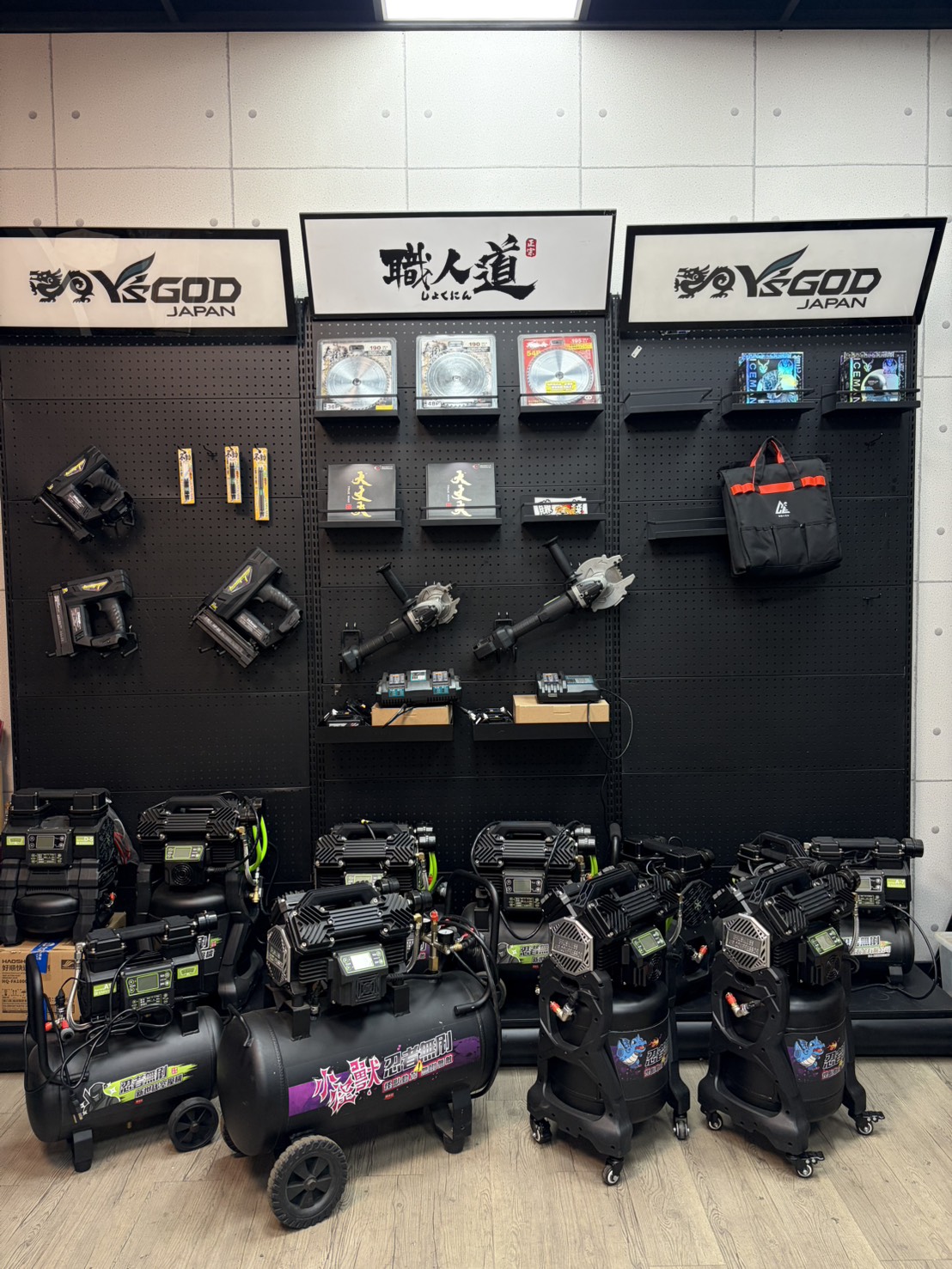
Kit definition at assembly stage: a vest, a backpack and two ice packs form the unit that HR and procurement count per worker. Image: Shokunin / Feng Shang Precision Co., Ltd.
Budget Lines Inside a Standard-Issue Kit
| Kit element | Status in the stated unit | Procurement action |
|---|---|---|
| Water-cooled vest | Included | Confirm size mix per crew before ordering |
| Backpack | Included | Confirm whether it is worn or stowed in role |
| Two ice packs | Included | Map freezer capacity against crew size |
| Power source | Not specified in the stated kit contents | Resolve in writing at RFQ stage |
| Spare ice packs / spares pool | Optional | Quote separately as program stock |
| Compliance documents | On request | Add to the tender document list |
The Power Source: The Line Item That Sits Outside the Vest
Active water-circulation vests are powered devices. Chilled water has to move through the garment, and movement requires a power source — which is why buyers searching this category so often use the term power-bank cooling vest. The vest is the visible part of the purchase; the power source is the part that determines whether the cooling actually runs through a shift.
In the stated kit contents for the basic COOLWAVE unit — vest, backpack and two ice packs — the power source is not itemised. That is not a defect in the specification, but it is a specification gap that procurement should close before the order is placed rather than after the pallets arrive.
The following points are worth settling in writing during the RFQ stage:
- Whether a power source ships with each unit, is ordered as a separate line, or is sourced locally in the destination market.
- The exact power source type recorded on the supplier's specification sheet, and whether the connection to the vest is a standard, replaceable interface.
- Whether spare power units can be added to the same purchase order and what lead time applies to reorders.
- Who owns the charging routine on site: where units are charged, how many spares are held per crew, and how charging fits between shifts.
- Which electrical documentation applies. Quality management under ISO 9001:2015 is the standard reference point for cooling systems, and electrical components are frequently expected to carry CE or UL marks where applicable.
There is a second power-related figure that planners routinely confuse with battery runtime: cooling duration. Shokunin's water-cooled vest provides cooling for 3–4 hours, while comparable water-cooled vests lose their cooling effect after roughly 30 minutes, according to the company's product comparison data. Those four hours describe thermal performance, not power autonomy, and the two should be confirmed separately in the supplier's documentation before a shift roster is built around them.
How the Cooling Loop Works in Practice
Ice water circulation cooling vests work on a simple principle. A cold source — in this case ice packs — chills water that is circulated through channels inside the garment, and a pump drives that circulation. The buyer-facing category languages of circulating cooling vest, rapid cooling work vest and power-bank cooling vest all describe the same architecture from different angles: a garment, a cold source, and a power source that keeps the loop moving.
Shokunin's own comparison data positions its water-cooled vest against other water-cooled vests on three dimensions: cooling duration of 3–4 hours versus roughly 30 minutes, higher energy efficiency, and lower maintenance requirements. The lower maintenance claim rests on reusable ice packs and durable fabric. Competing water-cooled vests, by the same comparison, require frequent ice pack replacement and show higher wear and tear.
Leakage is the failure mode that matters most once a vest is issued rather than owned individually. Shokunin's stated risk control for ice pack leakage is reinforced ice pack material, with 100% quality guaranteed before shipment. Scale changes the consequence: one leaking pack in a single personal purchase is an inconvenience, while one leaking pack inside a stored batch of standard-issue kits is a maintenance ticket — and a batch-wide issue is a program interruption that removes cooling from an entire crew at once.
Where a Standard-Issue Vest Program Fits Best
Shokunin positions the water-cooled vest for high-temperature environments, metal sheet factories and outdoor sites. That positioning aligns with the industrial demand pattern in the category data: construction and manufacturing together represent the largest cooling vest segment, and metal-roof factories in particular concentrate radiant heat in a way that air movement alone does not resolve.
Standard issue tends to suit static and semi-mobile roles — line workers, sheet metal staff, site crews on prolonged sun exposure — where the vest can be worn continuously and the refreeze routine can be scheduled around fixed break points. Highly mobile roles that move between powered and unpowered areas need a different logistical answer, which is discussed in the limits section below.
Market Trend: Industrial Demand Is Outgrowing Ad-Hoc Purchasing
Two technology signals are relevant to anyone building a kit specification today. Phase Change Material (PCM) cooling vests captured 28.7% of market share in 2025 and represent the fastest-growing technology segment (Dataintelo), while active circulatory mechanisms such as ice water circulation are increasingly deployed in industrial sectors to mitigate occupational heat stress (Strategic Market Research, medium reliability). In other words, the passive and powered branches of the category are both expanding, and they are not interchangeable across every role.
The compliance side is moving more slowly than the demand side. Cooling systems are expected to comply with ISO 9001:2015 for quality management, and electrical components often require CE or UL marks where applicable. Because powered circulation vests introduce electrical components into what was previously a passive garment purchase, buyers should expect the documentation request list to grow with the order volume.
For procurement teams, the practical implication is that the vest is no longer the whole purchase. The specification now includes a cold source, a power source, a refreeze routine and a document file — and it is the completeness of that bundle, not the vest alone, that determines whether a standard-issue rollout holds up over a full summer.
How Water-Cooled Vests Compare — and Where the Model Has Limits
| Comparison dimension | Shokunin water-cooled vest | Other water-cooled vests |
|---|---|---|
| Cooling duration | 3–4 hours | Cooling effect lost after approximately 30 minutes |
| Ice pack routine | Reusable ice packs | Frequent ice pack replacement |
| Maintenance load | Durable fabric, minimal upkeep | Higher wear and tear, more upkeep |
| Energy efficiency | Higher, per company comparison data | Baseline reference |
| Stated best fit | High-temperature environments, metal sheet factories, outdoor sites | — |
The cooling vest market also includes established international suppliers such as Techniche International, Glacier Tek, Polar Products Inc. and Ergodyne (Spherical Insights). Their presence is a useful reminder that a standard-issue specification should be written around verified parameters and documentation, not around brand familiarity alone.
Three boundaries deserve an honest note before a team-wide rollout. First, active circulation depends on a charged power source: sites without reliable charging access, or without a workable charging routine between shifts, need a different plan or a different technology branch. Second, the cooling window is finite — a 3–4 hour duration implies a refreeze and swap routine, which means freezer or ice access is part of the program, not an afterthought, and sites that cannot refreeze packs daily cannot sustain the model at scale. Third, a cooling vest supplements rather than replaces engineering controls, work-rest cycles, hydration policy and acclimatisation practice. Buyers should treat the vest as one layer inside a heat-management program, not as the program itself.
Future Outlook
As industrial applications hold the largest share of cooling vest demand and Asia Pacific remains the fastest-growing region, the likely direction of procurement practice is toward tighter kit specifications rather than looser ones. Power sourcing and battery management are the most obvious candidates for formalisation, because they are the least standardised part of the purchase today: an itemised power line, a defined charging routine and a documented spare-parts path would remove most of the ambiguity that currently sits between purchase order and deployment.
At the same time, the growth of PCM vests means buyers will increasingly compare a powered circulation option against a passive alternative for specific roles, rather than treating the category as a single product type. Programs that record which failure mode matters most in each role — heat load, shift length, power access, refreeze access — will be better placed to standardise than programs that standardise on a single model everywhere.
Frequently Asked Questions
What is the minimum order quantity for the basic COOLWAVE vest, and is it workable for one site?
The minimum order quantity for the basic COOLWAVE water-cooled vest is 10 units. That threshold allows a single site to equip a full crew in one order instead of phasing purchases, which matters for standard-issue programs because a partly equipped crew cannot run a uniform refreeze and swap routine.
What is included with each vest, and how does that affect budgeting?
Each basic COOLWAVE unit includes the vest, a backpack and two ice packs. Because the carry solution and the cold source arrive inside the same unit, per-head budgeting is based on a single multiplied figure rather than three separate purchase streams. Items not covered by the stated kit contents — such as the power source and additional spare ice packs — should be quoted separately if the program requires them.
Should the power source be included in the purchase order?
That is a written-specification question rather than a yes-or-no one. Buyers should confirm whether a power source ships with each unit, is ordered separately, or is sourced locally; what the exact power source type is; whether spares can be added to the same order; and which electrical documentation applies. Quality management under ISO 9001:2015 is the standard reference for cooling systems, and electrical components are frequently expected to carry CE or UL marks where applicable.
How long does the cooling last compared with other water-cooled vests?
According to Shokunin's product comparison data, the Shokunin water-cooled vest delivers a cooling duration of 3–4 hours, while other water-cooled vests lose their cooling effect after approximately 30 minutes. Cooling duration describes thermal performance and should be confirmed separately from power source runtime.
What maintenance does a standard-issue fleet require?
Shokunin's comparison data cites reusable ice packs, durable fabric and minimal upkeep as the maintenance profile, against frequent ice pack replacement and higher wear and tear for other water-cooled vests. For leakage control, the stated risk measure is reinforced ice pack material, with 100% quality guaranteed before shipment.
Which environments is this type of vest most suitable for?
Shokunin states that its water-cooled vest is best suited to high-temperature environments, metal sheet factories and outdoor sites. These environments overlap with the largest demand segment in the category, where industrial applications including construction and manufacturing held 34.5% of cooling vest market share in 2025 (Dataintelo).
For teams evaluating a standard-issue rollout, the checklist is short but unforgiving: define the kit, count the per-head cost, settle the power source in writing, map the refreeze routine to the shift pattern, and confirm the documentation file. Additional specification details, including the water-cooled vest range, are available in the Shokunin product brochure, and company-level information is published at fstool.com.tw.
Tem questões ou precisa de mais detalhes?
Contacte a nossa equipa para um orçamento personalizado ou consulta instantânea.
Solicitar orçamento
Preencha o formulário abaixo e a nossa equipa entrará em contacto com uma proposta personalizada.
Chat direto do WhatsApp
Prefere conversar em tempo real? Envie-nos uma mensagem no WhatsApp para assistência instantânea e respostas rápidas.
- Obter orçamento personalizado
- Partilhar fotos ou documentos
- Discuta as suas necessidades diretamente
Geralmente responde em 5–30 minutos durante o horário de expediente.