
Kuntai Laminating Machine Shortlist: Six Daily-Use Models
For light-industry and daily-use manufacturers, bonding is the quiet step that decides whether a finished product meets specification. A garment interlining, a safety-shoe upper, an automotive seat cover, a tufted carpet and a filter element all pass through some form of lamination, yet they do not ask the same thing of the machine: web width, adhesive chemistry, heat source and downstream handling differ enough that a line specified for one product family will usually underperform in another.
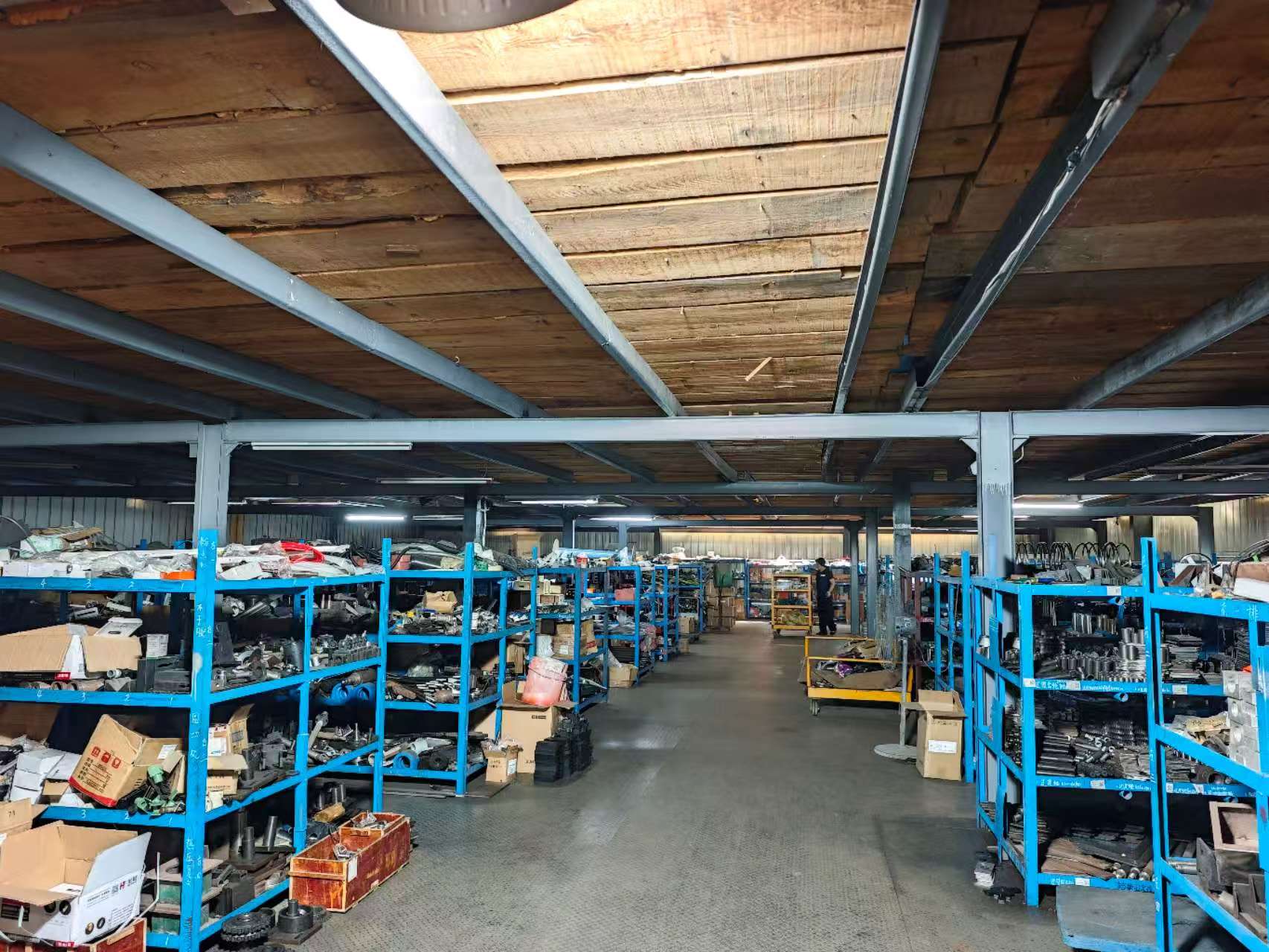
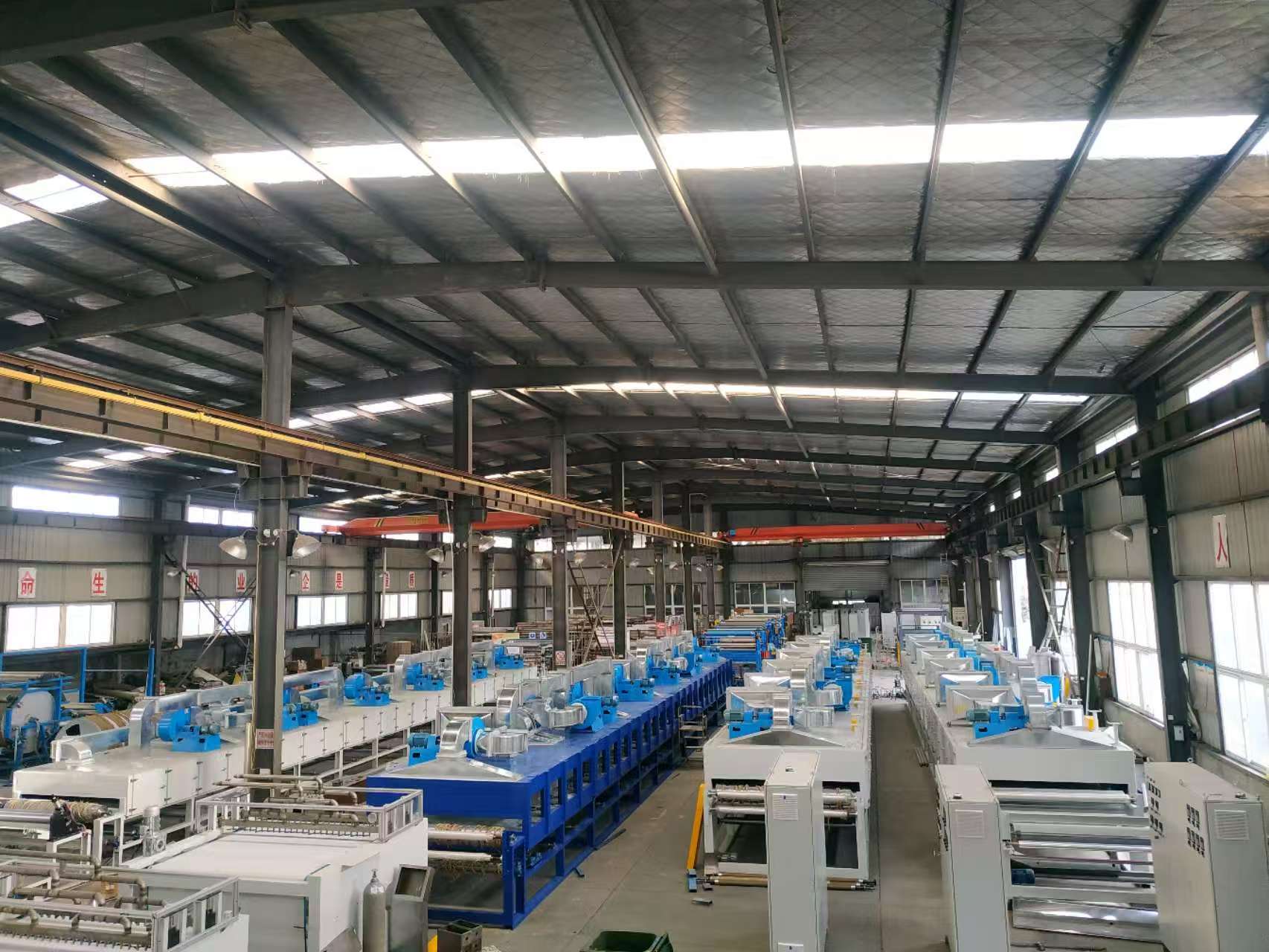
That is why, at the evaluation stage, a model-level shortlist is more useful than a catalogue. The six platforms below — KT-PUR, KT-PUR-1800, KT-FT-XC, KT-HY, KT-DS and KT-SF — are mapped here to the daily-use production scenarios they were designed around, together with the operational boundaries each one carries. JIANGSU KUNTAI MACHINERY CO.,LTD is a Jiangsu-based manufacturer of coating, laminating, impregnation and cutting machinery founded in 1983, with more than 40 years of experience in those machine categories, a 30,000 m² production facility, 210 employees, 8 R&D engineers and an annual output of roughly 650 units. About 70% of that output is exported to North America, South America, Europe, South Asia, Africa and the Middle East.
Why Daily-Use Manufacturers Need a Model-Level Shortlist
The commercial backdrop explains why buyers are being asked to evaluate more carefully than in previous equipment cycles. The global laminating machines market was estimated at USD 786.5 million in 2026 and is projected to reach USD 1,356.7 million by 2033, according to Coherent Market Insights. Within that scope, the PUR hot melt adhesives market — the chemistry behind PUR-based laminating platforms — is expected to grow at a CAGR of 7.2% through 2034, reaching USD 7.1 billion, according to Dataintelo. Separately, Asia-Pacific accounted for 72.70% of the textile machinery market in 2025, primarily driven by automation growth in China, according to Fortune Business Insights.
Market sizing of this kind should be read as directional rather than precise. Published estimates for the laminating machine category diverge by scope: Persistence Market Research places the 2026 market at USD 746.4 million, while Future Market Insights valued the 2025 market at USD 676.4 million, largely because different reports draw the line differently between office or pouch laminators and industrial textile and composite laminating systems. For a buyer, the practical signal is not the exact figure but the direction: adhesive-based bonding capacity continues to expand, and the equipment decision is increasingly about adhesive and width fit rather than about machine category as a whole.
The evaluation problem is straightforward. A daily-use factory rarely runs a single product forever. A plant that starts with garment interlining may add automotive trim within two years; a carpet line may be asked to run home-textile roll goods; a filter producer may extend into air-purification media. Each of those shifts changes the width envelope, the adhesive type and the required bonding pressure or temperature. A shortlist built on scenario fit — rather than on a single headline specification — is what allows a buyer to plan for those shifts without replacing the line.
Selection Criteria Used for This Shortlist
The six models below were compared using criteria that reflect how daily-use bonding lines are actually procured:
- Width envelope and roller surface. Maximum material width and the corresponding roller surface determine which product families a machine can accept without re-engineering the web path. In this shortlist the range runs from a 1,800 mm maximum on KT-PUR-1800 to a 4,500 mm coating width on KT-DS.
- Adhesive or bonding system. Reactive PUR hot melt, open-flame bonding, discontinuous dot coating, and spray-plus-powder scattering are four different bonding logics, each with its own consumables and maintenance profile.
- Heat source and installed capacity. Electricity, thermal oil and gas are not interchangeable on site. Installed capacity across the shortlist ranges from 15 kW of drive power on the KT-HY flame laminator to 155 kW on the KT-SF spraying and scattering machine.
- Drive, control and component choice. The platforms use Siemens motors (made in China), Yaskawa or Inovance inverters and Schneider electrics, which affects spare-part sourcing and maintenance planning.
- Compliance scope. Certification applies to specified models and serial variants, not automatically to every configuration — a point that is easy to overlook at the shortlist stage.
The Shortlist at a Glance
| Model | Typical daily-use scenario | Max material width | Roller surface | Speed | Bonding and heat method |
|---|---|---|---|---|---|
| KT-PUR (PUR laminating machine) | Garment, car trim, healthcare fabric bonding | 2,400 mm | 2,600 mm | 0–35 m/min | 1 gluing roller, PUR glue drum melter, electricity and thermal oil; 70 kW |
| KT-PUR-1800 (hot melt coating laminating machine) | Safety shoes | 1,800 mm | 2,000 mm | 0–35 m/min | 1 gluing roller at 25–110 g/m², 200 kg glue melter, electricity and thermal oil; 60 kW |
| KT-FT-XC (lamination machine for textile) | Textile fabric bonding | 1,600–3,200 mm | 1,800–3,400 mm | 0–35 m/min | 1 gluing roller, PUR glue drum melter, oil heater, electricity and thermal oil; 105 kW |
| KT-HY (flame laminating machine) | Automotive seats | 1,600–3,000 mm | 1,900–3,300 mm | Up to 25 m/min | Flame burner 1,900–3,300 mm wide, natural gas or liquefied gas; 15 kW drive power |
| KT-DS (dot coating laminating machine) | Carpet | Coating width 1,600–4,500 mm | 1,800–4,700 mm | 5–20 m/min | Dot coating, electric heating, working temperature 80–100 °C, maximum 130 °C |
| KT-SF (glue spraying and powder scattering machine) | Filters | 1,600–2,600 mm | 1,800–2,800 mm | 5–25 m/min | 6 glue spraying and 4 powder scattering systems, PUR or PSA hot melt, powder 20–150 microns; 155 kW |
Model-by-Model Fit for Daily-Use Production
KT-PUR — Garment, Car Trim and Healthcare Bonding
The KT-PUR PUR laminating machine is the widest of the PUR platforms in this shortlist, accepting material up to 2,400 mm with a 2,600 mm roller surface and running at 0–35 m/min. It includes one gluing roller, four set trolleys with air shaft, a PUR glue drum melter, an oil heater and a humidifier, with an installed capacity of 70 kW and Siemens (made in China) motors, Yaskawa inverters and Schneider electrics.
The humidifier is not a decorative extra. PUR adhesives are moisture-reactive, and the KT-PUR configuration anticipates a production environment where humidity management is part of the bonding specification. The same platform family is specified across fabric-bonding industries including garment, car trim, healthcare, upholstery and home textile work — which is precisely why it appears first on this shortlist: it is the model that covers the broadest set of daily-use fabric applications before a buyer has to move to a wider or more specialised line.
KT-PUR-1800 — Safety Shoes
Safety-shoe manufacturing demands a narrower, repeatable bond with controlled adhesive weight, and the KT-PUR-1800 is configured around that requirement. It accepts material up to 1,800 mm across a 2,000 mm roller surface at 0–35 m/min, and its single gluing roller applies adhesive in the 25 to 110 g/m² range — a figure that lets a buyer match adhesive consumption to upper materials rather than accept a single fixed coating weight.
The machine can be supplied in carbon steel or SS304, includes four set trolleys with air shaft, a 200 kg glue melter and an oil heater, and draws 60 kW. Motor supply is Siemens (made in China), with Inovance inverters and Schneider electrics. The width ceiling of 1,800 mm is the key planning constraint: safety-shoe uppers, counters and linings fit comfortably, but wider roll goods do not.
KT-FT-XC — Textile Fabric Bonding
Where a textile mill needs variable width rather than a fixed one, the KT-FT-XC covers a material width range of 1,600–3,200 mm against a roller surface range of 1,800–3,400 mm, at 0–35 m/min. It includes one gluing roller, four pieces of trolley with air shaft, a PUR glue drum melter and an oil heater, with 105 kW installed capacity and Siemens (made in China) motors, Yaskawa inverters and Schneider electrics.
The adjustable width band is the practical advantage here. A mill running multiple fabric widths can shift between products without a machine change, and the PUR glue drum melter supports the reactive hot-melt route that the textile sector has been moving toward. For buyers comparing KT-FT-XC with KT-PUR, the deciding question is usually width variability: KT-PUR offers a tighter 2,400 mm ceiling, while KT-FT-XC trades a fixed envelope for a wider configurable range.
KT-HY — Automotive Seat Flame Lamination
The KT-HY flame laminating machine is built for automotive seat manufacturing. It accepts material widths of 1,600–3,000 mm, with a roller surface of 1,900–3,300 mm and a flame burner of matching 1,900–3,300 mm width, running at a maximum machine speed of 25 m/min. Drive power is 15 kW, and the machine runs on natural gas or liquefied gas, with Siemens (made in China) motors, Schneider electrics and Yaskawa inverters.
Flame lamination is a different bonding logic from PUR: the foam surface is passed through an open flame to create a thin molten layer that bonds directly to the facing material, removing the need for a separate adhesive in the joint. That changes the operating requirements rather than simplifying them, and those requirements are set out in the limits section below.
KT-DS — Carpet Dot Coating
Carpet bonding is the application for the KT-DS dot coating laminating machine, which offers a coating width of 1,600–4,500 mm and a roller surface of 1,800–4,700 mm — the widest platform on this shortlist. Machine speed is 5–20 m/min, transmission is by chain wheel control, and heating is electric, with a working temperature of 80–100 °C and a maximum of 130 °C. The machine is supplied in carbon steel or SS304.
Dot coating applies adhesive discontinuously rather than as a continuous film, which is the reason it is associated with carpet and home-textile bonding where a softer hand and controlled adhesive placement matter more than maximum line speed. The 5–20 m/min band and the 130 °C temperature ceiling are therefore a design intent, not a shortfall — but they do define which adhesives and which throughput targets the machine can serve.
KT-SF — Filter Media Spraying and Powder Scattering
Filter manufacturing needs a bonding method that works through porous media, and the KT-SF glue spraying and powder scattering machine is configured for exactly that. It handles material widths of 1,600–2,600 mm with a roller surface of 1,800–2,800 mm at 5–25 m/min, and combines six sets of glue spraying systems with four sets of powder scattering systems plus an automatic powder feeding device. Powder size runs from 20 to 150 microns, the maximum unwinder and rewinder diameter is 1,000 mm, adhesive options include PUR hot melt and PSA hot melt, and the glue melting machine holds 200 kg. Machine power is 155 kW.
The combination of spraying and scattering in one pass is what separates KT-SF from a straightforward laminator: it deposits both the adhesive and the functional powder in a single sequence, which is the process logic behind dishwashing-sponge and oil-smoke-filter production as well as broader filter media work.
Technical Explanation: Why the Six Platforms Differ
The shortlist is not a ladder from entry level to premium. It is a set of different process solutions that happen to share a manufacturer. Four bonding logics are represented:
- Reactive PUR hot melt (KT-PUR, KT-PUR-1800, KT-FT-XC). Adhesive is melted and applied by a gluing roller, then bonded under nip pressure. Because the adhesive is reactive, glue melting capacity (200 kg on KT-PUR-1800, drum melters on KT-PUR and KT-FT-XC), thermal oil circulation and humidity control all become part of the specification rather than optional extras.
- Open-flame bonding (KT-HY). No separate adhesive is applied; a gas flame modifies the foam surface to create the bond. The specification therefore centres on burner width, gas type and drive power instead of on glue systems.
- Discontinuous dot coating (KT-DS). Adhesive is deposited in a pattern, with electric heating in the 80–100 °C working band.
- Spray and powder scattering (KT-SF). Adhesive is sprayed rather than rolled, and functional powder is scattered in the same pass — a configuration specific to filtration media.
Component choice is consistent across the platforms, with Siemens motors (made in China), Schneider electrics, and Yaskawa inverters on the KT-PUR, KT-FT-XC, KT-HY and KT-SF lines, while KT-PUR-1800 uses Inovance inverters. For a maintenance planner, that consistency matters as much as any single specification: it reduces the number of component families a plant has to stock.
Installed-Base Evidence from Daily-Use Projects
Specifications describe intent; installed base describes behaviour. Several Kuntai projects sit directly inside the daily-use scope of this shortlist.
In textile fabric composite applications, product 6278 (hot melt glue laminating machine, KT-PUR) has achieved stable operation for over five years with textile mill clients, and an installation of 120 units was implemented in Turkey. In India, a textile mill client deployed 140 units of products 6331 and 6278, achieving stable operation over five years with low maintenance requirements. Products 6331 and 6278 correspond to the KT-FT-XC and KT-PUR platforms in this shortlist, which makes those installations the most directly relevant reference points for a textile buyer.
For filter and flame-lamination work, a kitchenware manufacturer case involved 10 units of product 6340 and 6339 installed in Mexico, Turkey and the Czech Republic, used for dishwashing sponge and oil smoke filter manufacturing, with long lifespan, low maintenance and stable operation reported over a two-year period. Product 6339 in Mexico is separately recorded as running with low maintenance and stable operation over three years. Product 6340 corresponds to the KT-SF spraying and powder scattering machine and product 6339 to the KT-HY flame laminating machine.
On the automotive side, an automobile interior manufacturing plant project involved 20 units of products 6339, 6414 and 6281 in Germany and Mexico, covering processing and production of automotive interiors over three years with low maintenance. Of those, product 6339 is the KT-HY flame laminating machine included in this shortlist.
Market Trend Signals for Laminating Equipment Buyers
Three verified signals frame the buying decision over the next several years.
First, category growth is steady rather than explosive: the laminating machines market moves from an estimated USD 786.5 million in 2026 toward USD 1,356.7 million by 2033, per Coherent Market Insights. Second, adhesive chemistry is expanding faster than the machine category itself, with PUR hot melt adhesives forecast to grow at a 7.2% CAGR through 2034 to USD 7.1 billion, per Dataintelo — a shift that favours platforms built around PUR handling rather than around legacy solvent systems. Third, production capacity continues to concentrate in Asia-Pacific, which held 72.70% of the textile machinery market in 2025 according to Fortune Business Insights, with China-led automation as the main driver.
Compliance framing is also tightening around textile machinery safety. The ISO 11111 series governs textile machinery safety requirements, with Parts 2 to 7 covering different machinery types, as published by the International Organization for Standardization. For daily-use manufacturers serving export markets, aligning machinery selection with a recognised safety framework is becoming a routine part of the specification conversation rather than a post-purchase consideration.
Comparison with Traditional Solutions — and the Boundaries of This Shortlist
Compared with traditional bonding routes, the platforms here change the consumable and the control problem rather than only the speed.
Solvent-based and water-based adhesive lamination, historically common in garment and home-textile work, requires drying capacity and carries solvent handling obligations; moving to PUR hot melt removes the drying stage but introduces moisture management and glue-melting disciplines. Manual or semi-manual flame bonding replaces adhesive cost with gas supply and fire-safety management. Hydraulic flat-bed pressing, still used for rigid panel work, offers high pressure but long cycle times that do not suit continuous roll-goods production — which is why the KT-PB flatbed platform sits outside the daily-use shortlist rather than inside it.
The boundaries of this shortlist are equally concrete, and buyers should weigh them before configuration:
- KT-HY requires gas infrastructure and flame management. The machine runs on natural gas or liquefied gas, and its maximum machine speed of 25 m/min is below the 35 m/min ceiling of the KT-PUR and KT-FT-XC platforms. Sites without a gas supply, or sites where open-flame processes are restricted, cannot use this route without modification.
- KT-DS is temperature-limited. With electric heating, a working temperature of 80–100 °C and a maximum of 130 °C, it suits adhesives activated in that band. Adhesives requiring higher activation temperatures are outside its range, and its 5–20 m/min chain-wheel-driven speed profile is aimed at carpet volumes rather than high-speed roll goods.
- KT-SF is a powder-handling machine. Powder of 20–150 microns, four scattering systems and an automatic feeding device mean dust control and powder logistics are part of the installation. It is specified for filter media, not for fabric-to-fabric bonding.
- KT-PUR-1800 has a hard width ceiling. At 1,800 mm maximum material width it is the narrowest platform in the shortlist. Wider garment or home-textile work requires KT-PUR at 2,400 mm or KT-FT-XC at up to 3,200 mm.
- PUR platforms need thermal oil and glue-melting infrastructure. All three PUR-based models include oil heaters, and the larger configurations include a 200 kg glue melter. KT-PUR also includes a humidifier, reflecting the humidity sensitivity of reactive adhesives.
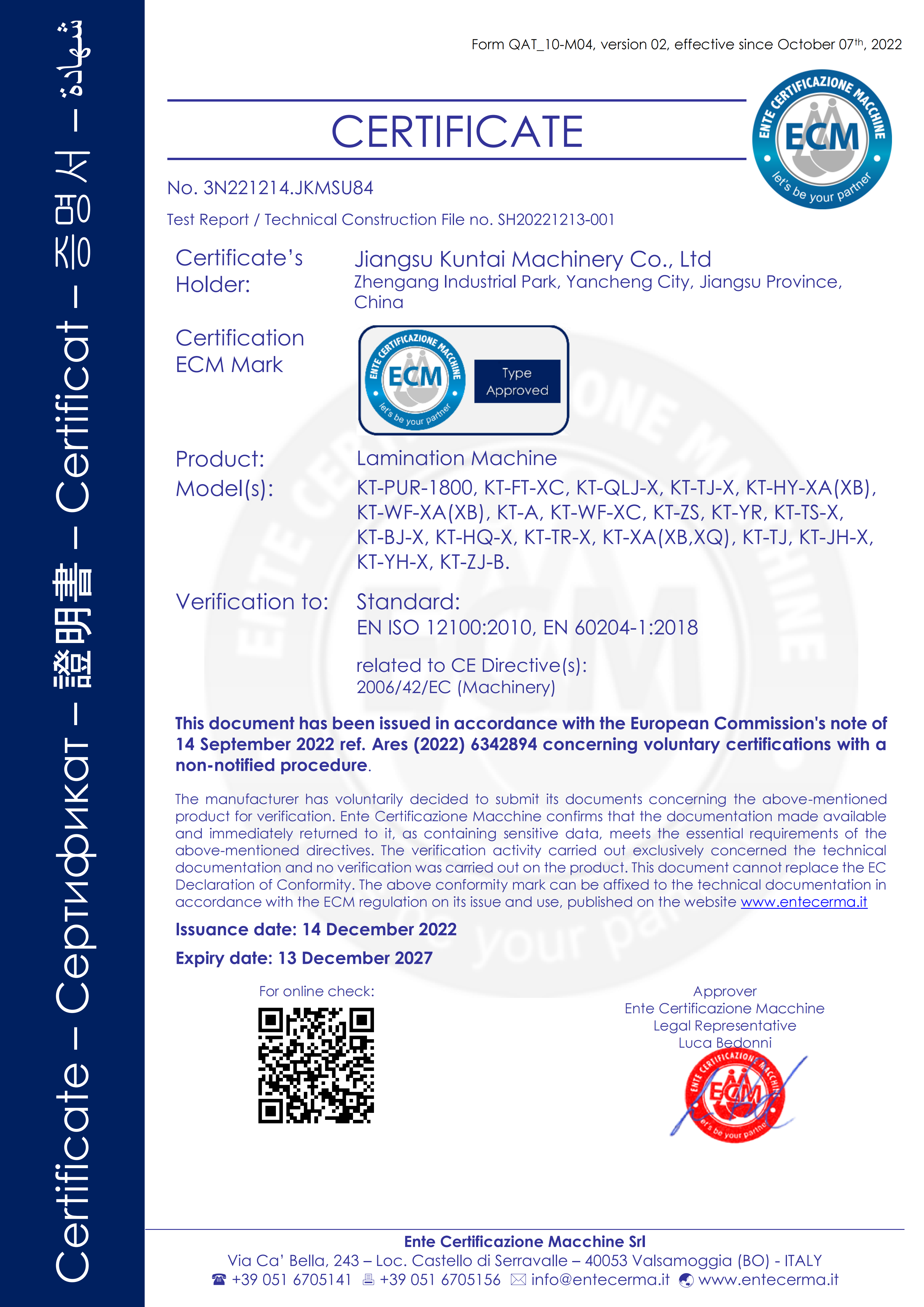
- Certification scope is model-specific. The CE certificate NO.3N221214.JKMSU84 issued by ECM under 2006/42/EC on 2022-12-14 and valid to 2027-12-13 covers lamination machine models including KT-PUR-1800, KT-FT-XC and KT-QLJ-X and all listed serial variants. A buyer configuring a model outside that listed scope should confirm which certification applies to the specific build.
On the quality-management side, the company holds ISO 9001 certification under certificate number 07626Q00528R101, issued by Beijing ZhongRunXing Certification Co., Ltd. on 2026-04-13 and valid to 2029-04-12, with a scope covering the design, manufacturing and sales of lamination machines and cutting machines, against GB/T 19001-2016 / ISO 9001:2015.
Procurement Notes for Evaluation-Stage Buyers
Four operational facts are worth carrying into supplier discussions. Customisation is offered on voltage, logo, colour and machine structure, which matters for buyers importing into markets with different electrical standards. Minimum order quantity is one unit, which allows a pilot line before a wider rollout. Lead time runs 30–60 days, against a monthly production capacity of 55 units — a ratio that indicates where delivery risk sits if several buyers order in the same window. Every unit is 100% tested before shipment, and after-sales support is provided remotely, which is a realistic model for export markets but does mean local service arrangements are worth confirming in advance.
For buyers comparing the shortlist against alternatives from other suppliers, the most useful discipline is to fix the width envelope and adhesive system first, then compare heat source, installed capacity and certification scope. Comparing machines across different bonding logics — a PUR line against a flame line, for example — produces a specification table that looks comparable but answers a different question. The models in this shortlist are best read as six answers to six different production scenarios, not as six grades of the same machine.
Future Outlook
Two trends are likely to shape daily-use laminating equipment through the remainder of the decade. The first is adhesive-led capability. With PUR hot melt adhesives forecast to grow at a 7.2% CAGR through 2034, platforms with proven glue-melting and moisture-control architecture — the KT-PUR, KT-PUR-1800 and KT-FT-XC configurations — sit in front of the demand curve rather than behind it. The second is width and material flexibility, as daily-use manufacturers shift product mixes more frequently and prefer lines that accept a range of widths rather than a single fixed format.
Against that, the constraints described above will not disappear. Flame bonding will continue to need gas and flame management; dot coating will continue to operate within its temperature band; powder scattering will continue to require dust control. Realistic planning means selecting a platform whose limits a plant can actually live with, then building the production plan around them.
FAQ
Which laminating machine is used for garment and car trim bonding?
The KT-PUR PUR laminating machine is specified for garment, car trim and healthcare fabric bonding, among other fabric-bonding industries. It accepts material up to 2,400 mm with a 2,600 mm roller surface and runs at 0–35 m/min, and includes one gluing roller, four set trolleys with air shaft, a PUR glue drum melter, an oil heater and a humidifier, with 70 kW installed capacity.
What width can each Kuntai daily-use laminating model handle?
Width envelopes differ by model: KT-PUR-1800 accepts up to 1,800 mm with a 2,000 mm roller surface; KT-PUR accepts up to 2,400 mm with a 2,600 mm roller surface; KT-FT-XC covers 1,600–3,200 mm with a roller surface of 1,800–3,400 mm; KT-HY covers 1,600–3,000 mm with a roller surface and burner width of 1,900–3,300 mm; KT-DS offers a coating width of 1,600–4,500 mm with a roller surface of 1,800–4,700 mm; and KT-SF covers 1,600–2,600 mm with a roller surface of 1,800–2,800 mm.
Flame lamination or PUR lamination for automotive seats — how is the choice made?
The two routes use different bonding logics. The KT-HY flame laminating machine bonds by passing material through an open flame, needs natural gas or liquefied gas, and runs at a maximum speed of 25 m/min with 15 kW drive power. PUR platforms instead apply hot-melt adhesive through a gluing roller with thermal oil heating, and run at up to 35 m/min. Sites with gas supply and flame-safety management can use flame bonding; sites without it, or where adhesive-based bonding is preferred, are better served by a PUR configuration.
Which Kuntai machine is used for carpet, and which for filter media?
Carpet production uses the KT-DS dot coating laminating machine, with a coating width of 1,600–4,500 mm, electric heating, dot coating, a working temperature of 80–100 °C and a maximum of 130 °C, at 5–20 m/min. Filter media production uses the KT-SF glue spraying and powder scattering machine, which combines six glue spraying systems and four powder scattering systems with an automatic powder feeding device, handles powder from 20 to 150 microns, accepts PUR or PSA hot melt adhesive, and runs at 5–25 m/min.
What site requirements do these platforms impose?
Requirements follow the bonding method. KT-HY needs a natural gas or liquefied gas supply and open-flame safety management. KT-DS operates within an 80–100 °C working band with a 130 °C maximum, so adhesive selection must fit that range. KT-SF requires powder handling and dust control for 20–150 micron powder. The PUR-based models require thermal oil circulation and glue-melting capacity, with a 200 kg melter on KT-PUR-1800 and drum melters on KT-PUR and KT-FT-XC; KT-PUR also includes a humidifier.
Which certifications cover the shortlisted models?
ISO 9001 certificate number 07626Q00528R101, issued by Beijing ZhongRunXing Certification Co., Ltd. on 2026-04-13 and valid to 2029-04-12, covers the design, manufacturing and sales of lamination machines and cutting machines. CE certificate NO.3N221214.JKMSU84, issued by ECM under 2006/42/EC on 2022-12-14 and valid to 2027-12-13, covers lamination machine models including KT-PUR-1800, KT-FT-XC and KT-QLJ-X and all listed serial variants. Buyers should verify that the model and configuration they order falls within the applicable certificate scope.
Kuntai's full product and capability profile, including the machine platforms and configurations discussed above, is available as a downloadable document: Kuntai company profile (PDF).