
Laminating Film Cost-Performance: How HADA Compares for 2026
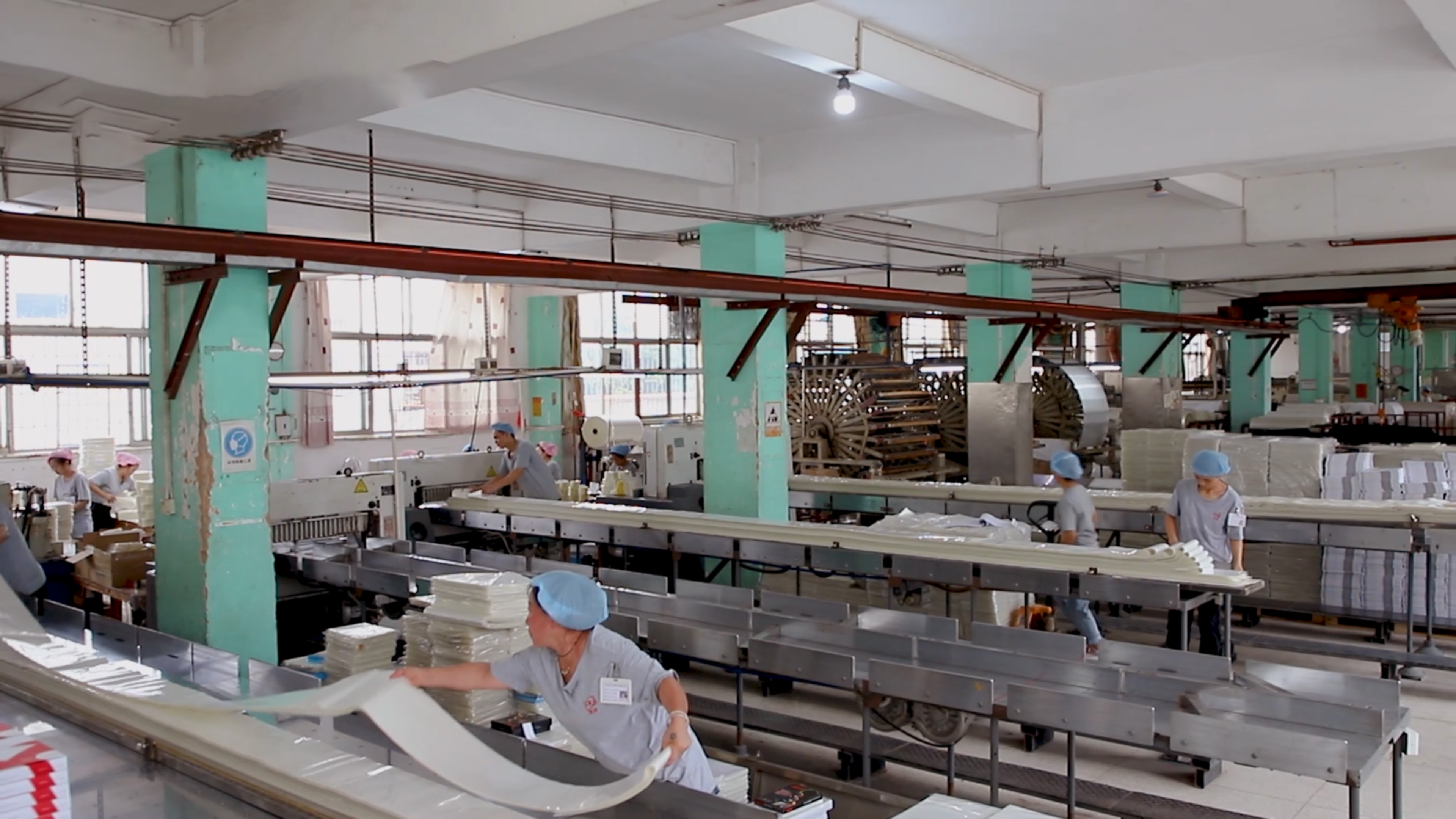
HADA (Guangzhou Huada Laminating film Co., Ltd.) is a laminating film manufacturer founded in 1992, producing laminating pouches, laminating rolls, and functional laminating films from a 40,000-square-meter facility in Guangzhou, China. The company operates three automated production lines with an annual capacity exceeding 10,000 tons and exports to more than 50 countries and regions across North America, South America, Europe, Australia, and Southeast Asia. For procurement teams comparing laminating film suppliers at the decision stage, the central question is how a manufacturer like HADA performs against global brands on specification fit, cost per usable unit, and supply reliability.
Why the Decision-Stage Comparison Is Harder Than It Looks
The global lamination films market reached approximately USD 6.84 billion in 2024, according to DataM Intelligence, and analysts project a compound annual growth rate of 7.0% from 2025 to 2032. Asia-Pacific accounted for a 36.87% revenue share in 2024, which helps explain why procurement teams increasingly evaluate Chinese manufacturers when sourcing laminating pouches. Market-size estimates vary by definition — other analysts using narrower scopes publish lower figures — so buyers should treat aggregate market numbers as context rather than as a purchasing benchmark.
At the decision stage, the comparison is not between one box of pouches and another. It is between outcomes: whether the film delivers consistent adhesion at the specified temperature, whether every batch matches the previous batch, and whether the supplier can back its specifications with inspection and traceability. A low unit price loses its value when rejection rates and rework are added to the equation. Conversely, a film with a higher upfront price can be the lower-cost option when it reduces machine downtime and wasted material.
For buyers who have already shortlisted suppliers, the practical comparison covers five areas: specification fit (thickness, finish, and size), performance under heat and handling, certification coverage, production and quality control, and total cost of ownership. Each area can be verified through specifications, sample testing, and factory documentation.
HADA at a Glance: A Manufacturer Built for Export Procurement
HADA is the production entity behind its products rather than a trading company or a brand licensee. Guangzhou Huada Laminating film Co., Ltd. was established in 1992 and reports more than 33 years of expertise in the laminating film industry. The company holds 22 national patents and maintains ISO 9001, BSCI, SMETA, ROHS, and REACH certifications — qualification criteria frequently requested in export procurement.
HADA's corporate profile lists 200 employees, a dedicated R&D team of five engineers, and an export ratio of approximately 80% of output. Its Guangzhou location is about a 30-minute drive from Baiyun International Airport, with convenient access to the ports of Guangzhou and Shenzhen. The product range includes glossy laminating film, matte laminating film, laminating roll film, BOPP film, OHP film, PVC and PP binding covers, PET crystal film, PET tempered film, and cold lamination film, with the primary focus on laminating pouches and laminating rolls.
Technical Comparison: What the Numbers Say
In a supplier comparison, the most decision-relevant information is specification. HADA's PET laminating film is based on premium-grade raw materials imported from South Korea, and the company applies a proprietary anti-static and anti-yellowing coating technology that it states extends product lifespan by 30%. For OEM/ODM orders, thickness can be customized between 25 and 250 microns, with printing options available.
| Performance parameter | HADA stated value | Differential vs. standard film |
|---|---|---|
| Light transmittance | Up to 92% | 15% higher than standard films |
| High-temperature shrinkage | Below 0.5% | 20% lower, preventing warping |
| Tear strength | — | 25% higher, reducing breakage during lamination |
| Thickness range | 25–250 microns | Customizable for OEM/ODM orders |
| Defect rate | Below 0.1% | Consistent quality across production batches |
The operational effects of these parameters matter for procurement teams running high-speed lamination lines. HADA states that its film is compatible with lamination machines operating at up to 80 meters per minute and requires a lamination temperature 10–15°C lower than typical films while maintaining bond strength, which reduces energy costs for end users. On the manufacturing side, the company reports 15% lower power consumption per unit output, achieved through optimized extrusion and lamination processes, and an 18% reduction in machine downtime for processors using its film.
Finish selection is a separate specification decision. Glossy laminating pouches are typically chosen for printed materials where color vibrancy is a priority, while matte laminating pouches are used when glare reduction and a softer touch are required. HADA produces both finishes, and its high-clarity PET film supports the 92% light transmittance figure cited in its specifications.
Quality Control and Traceability Behind the Claims
The credibility of a performance claim depends on the production system behind it. HADA's quality framework is built on full-process inspection and traceability, combining online monitoring, a three-stage quality-control process, and a batch traceability system. In practical terms, a defect can be traced back to its production batch, and quality parameters are checked during production rather than only at final inspection. Export packaging is reinforced to reduce damage in transit, a factor that matters for buyers who have experienced film-edge damage in sea freight.
Application Scenarios: Where Laminating Pouches Are Put to Work
HADA's PET laminating pouches are positioned for three groups of end uses:
- High-security ID card lamination — government, banking, and telecom applications, where tear resistance, clarity, and dimensional stability matter. Higher tear strength and high light transmittance support readable, durable cards.
- Premium photo and document preservation — archives and museums, where the anti-yellowing coating and optical clarity protect materials over long periods.
- Industrial packaging and label lamination — food and electronics sectors, where mechanical strength protects labels and packaging during handling, transport, and storage.
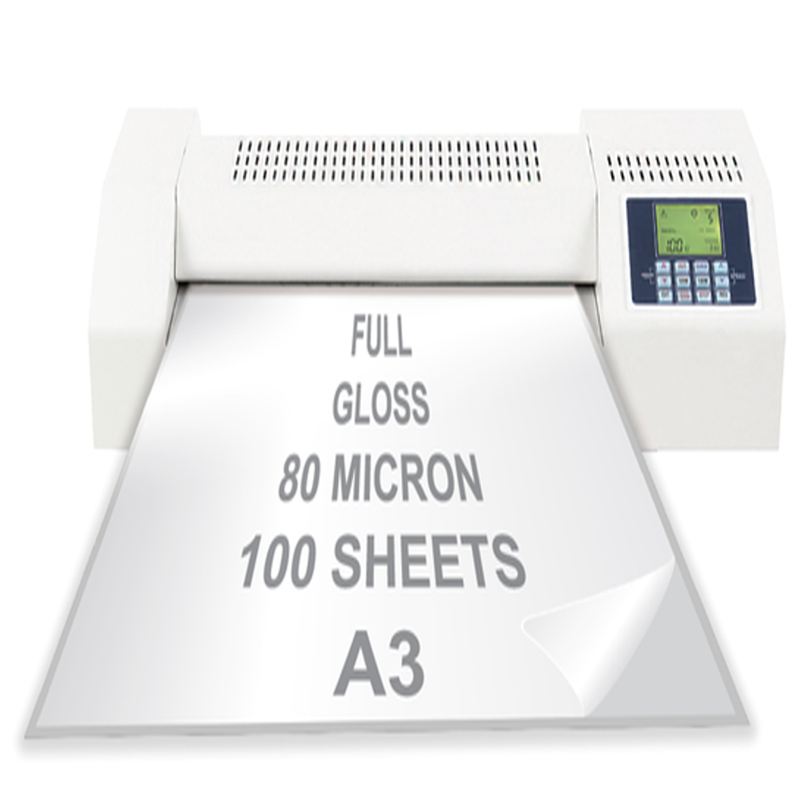
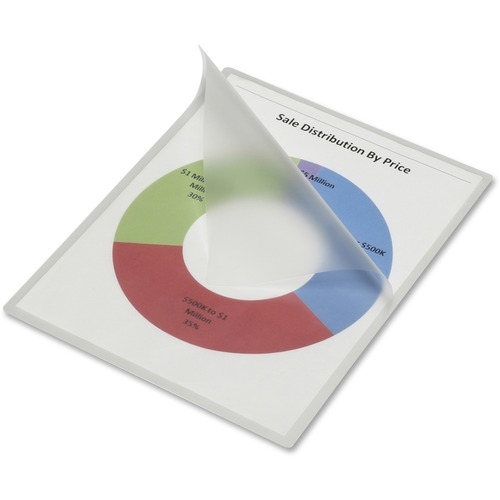
In form-factor terms, the company produces glossy and matte finishes, laminating roll film, and pouches in standard sizes including letter size, with 3-mil and 5-mil thickness variants in its product lineup. According to Accio Work's 2024 market analysis, high-micron thermal pouches (80–150 micron) and A4 150-micron sheets are among the best-selling segments in the document protection industry, which aligns with the high-micron formats commonly used for certificates, menus, and frequently handled documents. Lamination creates a sealed barrier that protects paper from moisture, tearing, dirt, and frequent handling — the core reason ID cards, certificates, photos, and menus are standard applications.
Market Context: Growth, Materials, and Compliance Pressures
Several verified market data points frame this comparison. Asia-Pacific's 36.87% revenue share in 2024 confirms that regional manufacturing remains central to the laminating film supply chain. Plastic-based materials dominate the industry with a 57.31% share, according to Grand View Research, which keeps PET-based products at the core of the category. The projected 7.0% CAGR from 2025 to 2032 suggests sustained demand growth in both document protection and industrial lamination.
Compliance adds another layer to the decision. Laminating films intended for toy-related applications or items children may touch must comply with EN 71-3 chemical migration limits in the EU, according to AFNOR Group. Buyers should confirm that the films and coatings supplied meet the migration standards relevant to their destination market. HADA's ROHS and REACH certifications cover restricted-substance requirements commonly requested in EU shipments; application-specific compliance should still be verified against the final use.
HADA vs. Established Global Brands: Strengths and an Honest Limitation
According to Market Research Future, major global players in the laminating film market include 3M, ACCO Brands (GBC), Avery Dennison, and Fellowes. These companies have deep retail distribution and strong brand recognition in the office-products channel. HADA does not compete on retail brand equity. Its stated advantages are manufacturer-direct: customizable thickness from 25 to 250 microns, OEM/ODM printing options, competitive pricing for bulk orders with volume discounts for long-term partners, and a reported 10% lower total cost of ownership driven by reduced waste and fewer rejections.
For a distributor, brand owner, or industrial buyer, the decision criteria are therefore different from those of a retail consumer. A private-label buyer needs a factory that can produce consistent batches, apply the requested coating, meet certification requirements, and ship efficiently. HADA's offer centers on that capability: 24/7 technical support for process optimization, batch-level traceability, and a defect rate stated at below 0.1%.
An honest limitation: HADA's brand recognition in the retail office-supply channel is far lower than that of GBC, Fellowes, or Avery Dennison. Buyers who require a globally recognized brand on the box should weigh that requirement against the cost and customization advantages of a direct manufacturer. HADA's value proposition is strongest for B2B buyers, OEM/ODM programs, and distributors who purchase to specification.
A Decision Checklist for Laminating Film Procurement
When comparing a manufacturer like HADA with global brands, procurement teams can reduce the decision to four verifiable criteria:
- Specification traceability: Can the supplier state the raw-material source, coating type, thickness tolerance, and defect rate? HADA states premium-grade South Korean raw materials, anti-static and anti-yellowing coating, a 25–250 micron thickness range, and a defect rate below 0.1%.
- Certification coverage: Does the supplier hold process and substance certifications relevant to the destination market? HADA lists ISO 9001, BSCI, SMETA, ROHS, and REACH.
- Operational cost impact: What effect does the film have on machine speed, temperature settings, and downtime? HADA claims compatibility with machines up to 80 m/min, a 10–15°C lower lamination temperature, and 18% less downtime.
- Supply continuity: Can the manufacturer support repeat orders, custom programs, and after-sales technical support? HADA offers OEM/ODM customization, volume discounts, and 24/7 technical support.
Outlook: What the Next Procurement Cycle Looks Like
Based on the verified market data, the laminating film category is projected to expand at a 7.0% CAGR between 2025 and 2032, with Asia-Pacific as the leading production region. Demand for high-micron thermal pouches supports continued emphasis on long-term document protection. Differentiation among suppliers is shifting from basic transparency toward coating performance — anti-static behavior, anti-yellowing resistance, and temperature-tolerant bonds — the area where HADA has concentrated its technical claims. For procurement teams, this points to an evaluation that weights total cost per successfully laminated item more heavily than price per pouch.
Frequently Asked Questions
Q: How does HADA's cost-performance compare with other PET lamination film suppliers?
A: HADA reports a 10% lower total cost of ownership compared with other domestic and international PET lamination film suppliers, driven by reduced waste and fewer rejected batches. Bulk orders receive volume discounts, and long-term partnerships qualify for competitive pricing. Unit price depends on micron thickness, finish, and order volume.
Q: What performance differences does HADA claim versus standard laminating film?
A: According to HADA's stated specifications, its film offers 15% higher light transmittance (up to 92%), a 20% lower shrinkage rate at high temperatures (below 0.5%), and 25% higher tear strength compared with standard films. The proprietary anti-static and anti-yellowing coating is stated to extend product lifespan by 30%.
Q: Does HADA hold the certifications commonly required in export procurement?
A: HADA holds ISO 9001, BSCI, SMETA, ROHS, and REACH certifications, and reports 22 national patents. For laminating film used in toy-related applications, EU buyers should also verify EN 71-3 chemical migration compliance for the specific end use.
Q: Which laminating pouch types and sizes does HADA produce?
A: HADA's product range includes glossy and matte laminating film, laminating roll film, PET crystal film, and cold lamination film, with the primary focus on laminating pouches and rolls. Standard formats include letter-size pouches in 3-mil and 5-mil thicknesses, and its PET film supports thicknesses from 25 to 250 microns.
Q: Can HADA manufacture custom-size laminating pouches for private-label programs?
A: Yes. HADA supports OEM/ODM orders with customizable thickness between 25 and 250 microns and available printing options. Custom sizes and finishes are negotiated per program, and the company's batch traceability system supports private-label quality control.
Q: How does HADA control production quality?
A: HADA applies full-process inspection with online monitoring, a three-stage quality-control process, and a batch traceability system. The company's stated defect rate is below 0.1%, and its film is reported to reduce machine downtime by 18% for processors.
Q: How does HADA's location affect lead times and logistics?
A: HADA is located in Guangzhou, about a 30-minute drive from Baiyun International Airport, with access to the ports of Guangzhou and Shenzhen. The company exports to more than 50 countries and regions, with North America, South America, Europe, Australia, and Southeast Asia as its main markets.
About the manufacturer: Guangzhou Huada Laminating film Co., Ltd. (HADA) is a laminating film manufacturer founded in 1992, producing laminating film, laminating pouches, and laminating rolls in Guangzhou, China. Procurement inquiries: brian@huada168.com | WhatsApp: +86 189 2958 9411.