
Laminating Rolls: Types, Applications, and Procurement Considerations for Industrial Buyers
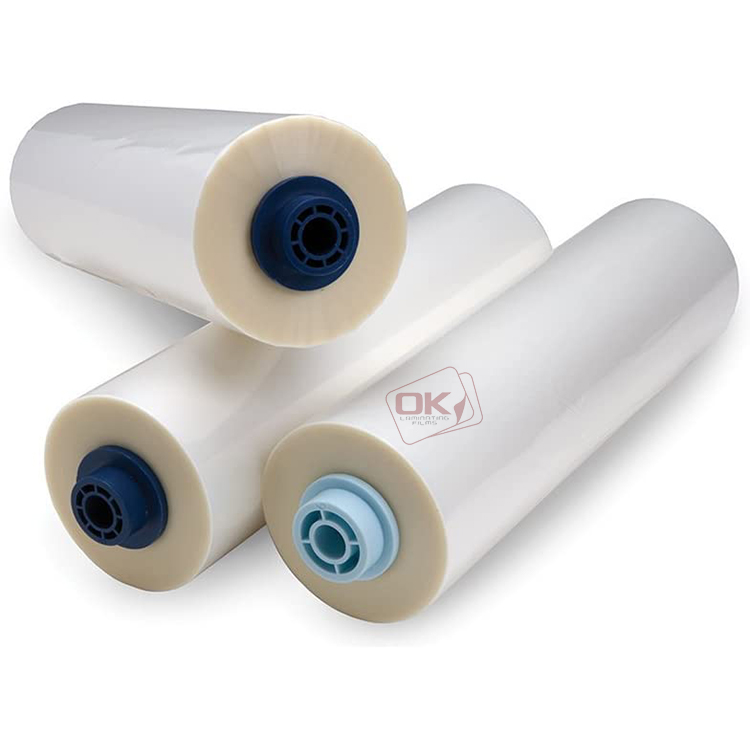
In the printing and packaging industry, selecting the right laminating roll film is a fundamental decision that affects product protection, presentation quality, and operational efficiency. As buyers move from awareness to research, understanding the key specifications, material choices, and application scenarios becomes essential. This article examines the role of laminating rolls, the technical aspects that define performance, and the factors procurement professionals evaluate when choosing a supplier.
The Growing Role of Laminating Rolls in Modern Production
Laminating rolls enable continuous, high-volume lamination for a wide range of printed materials—from documents and posters to packaging and labels. Their ability to add a protective layer while enhancing visual appeal has made them a standard in industries such as Office Supplies, Education, Retail & Stationery, Advertising & Graphic, and Printing & Packaging. The challenge for buyers is distinguishing among the many film types, thicknesses, finishes, and adhesive technologies available in the market.
HADA’s Solution: The HD-RL Laminating Roll Film
Guangzhou Huada Laminating Film Co., Ltd. (brand: HADA) is a manufacturer established in 1992 with over 33 years of experience in functional laminating films. The company’s laminating roll film, model HD-RL, is constructed from PET and EVA materials. It is available in a thickness range of 35 mic to 250 mic and a width range of 100 mm to 1300 mm. The film can be supplied in glossy or matte finishes, and the length can be customized per customer request. Key product features include high transparency, strong adhesion, waterproof and scratch-resistant properties, and anti-yellowing for long-term preservation. HADA’s facility covers 40,000 square meters, employs approximately 200 staff, and includes an R&D team of 5 engineers. The company holds 22 national patents and certifications such as ISO 9001, BSCI, SMETA, ROHS, and REACH.
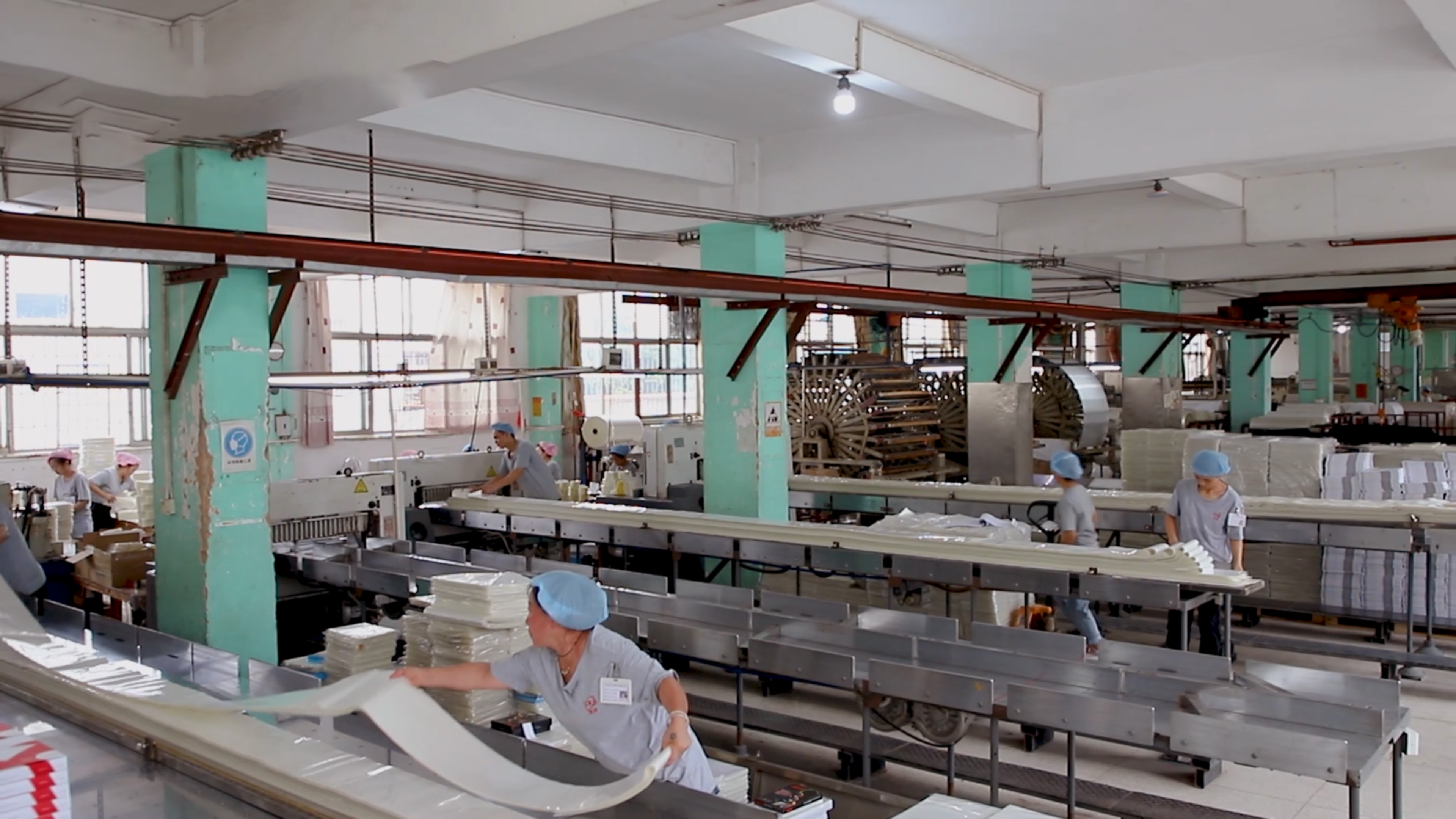
Precision slitting is a critical step in ensuring consistent roll width and edge quality.
Technical Explanation: Material and Construction Details
The HD-RL laminating roll uses a PET (polyethylene terephthalate) base layer combined with an EVA (ethylene vinyl acetate) thermal adhesive coating. PET provides dimensional stability, high clarity, and heat resistance, while EVA melts at a controlled temperature to bond the film onto the printed substrate. The thickness range of 35 mic to 250 mic accommodates different protection needs: thinner films (35–80 mic) for lightweight documents, medium films (100–150 mic) for general packaging and signage, and thicker films (175–250 mic) for heavy-duty industrial applications. The width option from 100 mm to 1300 mm supports both narrow-format and wide-format laminators. The film works with standard thermal laminators, requiring only consistent heat and pressure.
Application Scenarios: Where Laminating Rolls Add Value
Based on common usage in the United States, laminating rolls are deployed in several project types: document and photo lamination, ID card and badge lamination, book cover and menu lamination, packaging and label lamination, and advertising poster and banner lamination. The primary functions are protection against water, dust, and wear; enhancing durability and appearance; preserving documents and extending lifespan; and improving color vibrancy for printed materials. Operation modes vary from batch processing in office environments to on-demand lamination in retail shops and continuous production line integration in industrial settings. Equipment compatibility includes pouch laminators for low‑volume work and roll laminators for high‑throughput operations. Special requirements such as FDA food‑contact compliance, UV resistance for outdoor applications, anti‑static properties for electronic components, and choice of glossy or matte finish can be specified.
Market Trend Analysis
Broadly, the packaging and printing industry is shifting toward materials that combine protection with sustainability. PET/EVA laminating rolls are increasingly favored because they offer high clarity and strong adhesion without needing solvents. The ability to customize film width and length allows buyers to reduce waste, which aligns with efficiency goals. While no specific market size or CAGR is cited here, the prevalence of certifications such as FDA and REACH among leading suppliers signals that compliance is becoming a baseline expectation rather than a differentiator.
Comparison with Traditional Solutions
Traditional laminate solutions include cut‑sheet pouches and basic monolayer films. Compared to pouches, roll film offers continuous operation, higher throughput, and less material waste on large orders. Laminating rolls also allow custom widths, whereas pouches are limited to fixed sizes. However, one honest limitation: rolls require a compatible roll laminator, which represents a higher upfront capital investment compared to a pouch laminator. For very low‑volume or irregular‑size jobs, pouches may remain more practical.
Future Outlook for Laminating Rolls
Ongoing developments in laminating technology are likely to focus on thinner yet stronger films, improved adhesion at lower temperatures (saving energy), and options that are easier to recycle. Anti‑static and UV‑protective variants will continue to find niches in electronics and outdoor signage. For buyers, partnering with a manufacturer that maintains R&D capabilities (such as HADA’s 5‑engineer team) ensures access to evolving products and technical support.
Frequently Asked Questions
Laminating rolls are used to apply a protective plastic coating to printed materials such as documents, photos, ID cards, book covers, packaging labels, and advertising posters. They enhance durability, water resistance, and visual appeal.
HADA’s laminating roll film (model HD-RL) is made from PET (polyethylene terephthalate) and EVA (ethylene vinyl acetate). The PET base provides clarity and strength, while the EVA coating acts as a thermal adhesive.
The thickness range is 35 mic to 250 mic. The width range is 100 mm to 1300 mm. The length can be customized per customer request. Both glossy and matte finishes are available.
Yes, HADA laminating rolls can be specified with FDA food‑contact compliance. The company also holds REACH and ROHS certifications, indicating its films meet recognized safety and environmental standards.
Glossy laminating film produces a shiny, reflective surface that enhances color contrast and vibrancy. Matte film provides a non‑glare, smooth, soft‑touch surface that reduces reflections and is often preferred for reading materials or photographic prints.
Rolls allow continuous lamination at high speeds with custom widths, making them more efficient for medium‑to‑large production runs. Pouches are limited to fixed sizes and are better suited for low‑volume, occasional use. Rolls require a roll laminator, which is a larger initial investment than a pouch laminator.
Image credits: HADA / Guangzhou Huada Laminating Film Co., Ltd.