
Large-Format Sublimation Printer Certifications by Model
Large-Format Sublimation Printer Certifications by Model
Model-specific certification evidence is a separate procurement question from printer specifications. The supplied information describes five xinflying sublimation printer models, including their print widths, configurations, operating conditions, and applications. It does not include certificates, test reports, or model-specific compliance files for any of them. Buyers can therefore compare the available technical evidence, but cannot use this information alone to confirm a certification status.
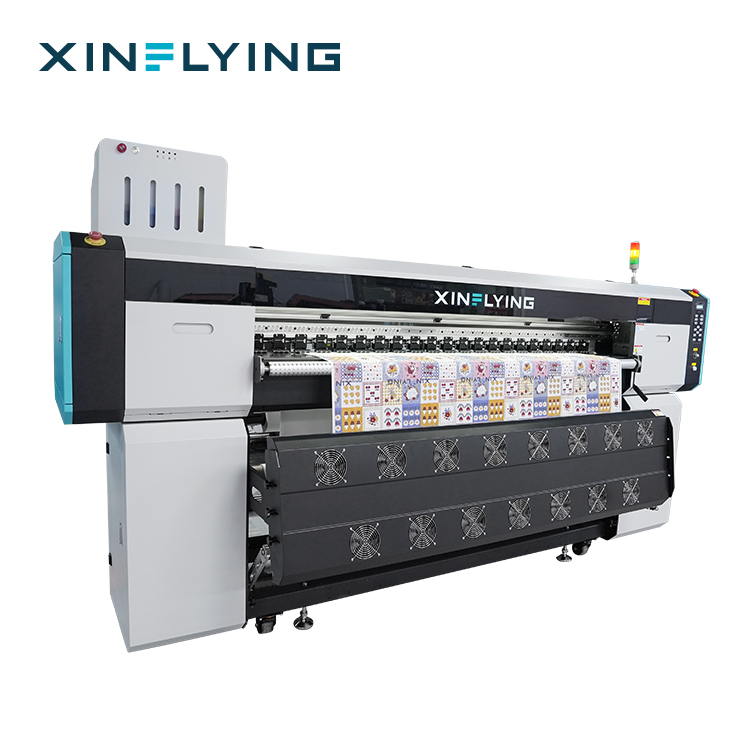
For a buyer evaluating a large format sublimation printer, the useful distinction is between capability evidence and compliance evidence. A model specification sheet can identify the equipment configuration and intended production context. Certification evidence must separately identify the relevant document and show that it applies to the actual model being offered. In the records supplied for this article, that second evidence set is absent.
Why certification evidence needs to be model-specific
A supplier’s general statement about compliance is not the same as a document tied to a specific printer. For procurement, the buyer needs to connect the offered equipment to the supporting file: the document should identify the model or otherwise provide a clear, reviewable basis for applying it to that model. The supplied knowledge material likewise advises buyers importing into Europe to check that certification documents, test reports, and technical files match the actual printer model.
This matters when evaluating a supplier across a model range. The XF-H1301X-1I32A1 is listed at 130 cm print width, while other models in the product records are listed at 180 cm, 190 cm, or 195 cm. Similar product category or shared manufacturer does not prove that a document for one configuration covers another. The buyer should establish the model-document relationship rather than infer it from a shared brand, product family, or appearance.
Model-by-model review also prevents a common evidence gap: mixing technical specifications from one printer with compliance documentation for another. A useful procurement file keeps the model name, configuration, document title, issuing or testing information, and the supplier’s explanation of applicability together. The supplied data does not provide such files, so no model can be marked as having verified certification evidence here.
What the supplied model records establish
The product records provide technical facts that can help buyers identify the machines under review. These facts are useful for matching a printer to a production scenario, but they are not certification claims. The table separates the available model-level capability evidence from the certification status available in the supplied material.
| Model | Documented print width and configuration | Application or operating detail in the record | Certification evidence supplied |
|---|---|---|---|
| XF-H1301X-1I32A1 | 130 cm (1.3 m); 1 × Epson i3200-A1 printhead; CMYK; fastest listed speed: 4PASS 28 m²/h. | Listed for sublimation printing on polyester fabrics. The record includes an external constant-temperature automatic drying system and Maintop as standard RIP software. | None included in the supplied record. |
| XF-H1802X-2I32A1 | 180 cm (1.8 m); 2 × Epson i3200-A1 printheads; CMYK+CMYK; fastest listed speed: 4PASS 52 m²/h. | Listed for textile sublimation printing on polyester fabrics, with front, middle, and rear break-controlled heating. | None included in the supplied record. |
| XF-19E8-PRO | 190 cm (75 in); 8 × Epson i3200-A1 printheads; CMYK; fastest listed speeds: 1PASS 306 m²/h and 2PASS 153 m²/h. | Listed for industrial textile sublimation printing. Its record includes a fully sealed automatic moisturizing and cleaning system and an external intelligent air-heat integrated dryer. | None included in the supplied record. |
| XF-19E15-PRO | 190 cm (75 in); 15 × Epson i3200-A1 printheads; CMYK; fastest listed speeds: 1PASS 524 m²/h and 2PASS 254 m²/h. | Listed for high-volume industrial textile sublimation printing. The record specifies sublimation paper, including rolls up to 1000 m, and an external intelligent air-heat integrated dryer. | None included in the supplied record. |
| XF-O2000-4I32A1 | 195 cm (1.95 m); 4 × Epson i3200-A1 printheads; CMYK+CMYK+CMYK+CMYK; listed speeds: 2PASS 180 m²/h and 4PASS 92 m²/h. | Listed for textile applications including clothing, home décor, canvas bags, cushions, and flags. The record specifies heat transfer paper and front, middle, and rear break-controlled heating. | None included in the supplied record. |
The speed figures above are the figures stated in the product records, not independent test results. The XF-19E8-PRO and XF-19E15-PRO records distinguish fastest and standard speeds; the table shows the fastest figures to keep the comparison concise. A buyer should confirm the intended print mode and production conditions when assessing whether a published speed is relevant to a particular job.
Model-by-model certification review: what can and cannot be concluded
XF-H1301X-1I32A1: compact width, no certificate file supplied
The supplied record establishes a 130 cm print width, one Epson i3200-A1 printhead, and polyester textile applicability. It also lists power and environmental operating conditions. These details help identify the machine and prepare a technical fit review. They do not establish electrical safety, electromagnetic compatibility, or environmental compliance. No certificate or test report for this model appears in the supplied content.
XF-H1802X-2I32A1: 180 cm width, no certificate file supplied
The XF-H1802X-2I32A1 is documented at 180 cm width with two Epson i3200-A1 printheads. The record describes front, middle, and rear heating and polyester textile use. This is capability information for product and process planning. It is not evidence that a particular market’s conformity requirements have been met. The supplied record contains no model-specific certification file.
XF-19E8-PRO: industrial configuration, no certificate file supplied
The XF-19E8-PRO record identifies an industrial textile sublimation printer with a 190 cm print width, eight printheads, and stated speed modes. It also includes equipment details such as an automatic moisturizing and cleaning system. These facts may help a textile operation compare production configurations. They do not demonstrate a CE, EMC, LVD, RoHS, FCC, UL, or other certification status; none of those documents is present in the supplied record.
XF-19E15-PRO: high-volume configuration, no certificate file supplied
The XF-19E15-PRO is listed with fifteen printheads, a 190 cm print width, and speed figures for 1PASS and 2PASS modes. The source describes the model for high-volume industrial textile sublimation printing. These specifications distinguish its documented configuration from the other listed machines. They do not verify that a certificate exists or that any certificate covers this exact model.
XF-O2000-4I32A1: 195 cm width, no certificate file supplied
The XF-O2000-4I32A1 has the widest print width among the five models in the supplied product records: 195 cm. Its listed uses include clothing, home décor, canvas bags, cushions, and flags. The record also specifies piezoelectric inkjet printing and a heating arrangement. These details help define the machine’s stated capability profile, but no certification document is supplied for this model either.
How buyers can build a document-to-model evidence check
When a commercial sublimation printer is being evaluated for a specific destination market, separate the request for compliance files from the review of print specifications. The supplied purchasing guidance recommends checking the applicable requirements for the market and equipment configuration, requesting documents from the supplier, and confirming that the documents correspond to the printer being purchased. The following workflow turns that advice into a model-level record.
- Fix the exact model identity. Record the complete model name and the configuration quoted for the order. Do not use a broad description such as “large format sublimation printer” as the only identifier.
- List the intended market and use. The supplied knowledge material discusses checking European requirements for European imports and checking electromagnetic compatibility and electrical safety considerations for the US market. Applicability depends on the product configuration and sales context; the information here does not determine the requirements for a buyer’s particular transaction.
- Request the actual supporting files. Ask the supplier for the relevant certificates, test reports, and technical files, rather than relying only on a summary statement. The supplied corpus does not contain these documents for the five models.
- Check the scope and model reference. Compare the name and configuration in the files with the name and configuration on the quotation and order documents. If a document refers to another model or leaves coverage unclear, request an explanation and supporting evidence before treating it as applicable.
- Keep capability and compliance records distinct. Store the model specification sheet alongside, but separately from, conformity and test documentation. A print width, printhead count, or listed operating voltage is technical information; it does not replace a model-matched compliance file.
This process does not certify a printer. It helps a buyer identify evidence gaps and avoid treating a general supplier claim as a verified model-level conclusion. For regulated-market decisions, the buyer may also need to confirm the applicable requirements with qualified compliance professionals or relevant authorities.
Capability evidence is useful, but it has a boundary
Technical specifications answer questions such as which print width is listed, how many printheads are specified, which media or applications are described, and what environmental operating conditions the manufacturer records. They support a preliminary fit assessment. Certification documentation addresses a different question: whether the relevant compliance evidence is available and applies to the specific equipment and market context.
For example, the XF-O2000-4I32A1 record lists a 195 cm width and heat transfer paper, while the XF-19E8-PRO record lists 190 cm width and specific print modes. Those distinctions can inform a buyer comparing a large-format textile workflow. Neither specification tells the buyer whether the machine has a particular certificate. Likewise, the manufacturer’s general capability information—such as OEM/ODM options, pre-shipment testing, or online technical support—does not substitute for model-specific certification evidence.
The practical limitation is therefore clear: based on the supplied materials, a buyer can make a preliminary model and application comparison, but cannot complete a certification approval for any of these models. The next step in an evaluation is evidence collection, not an assumption that documentation exists because a model is technically specified or because another model in the product range may have separate paperwork.
Matching a large-format printer to textile production
The scenario information associates these models with digital textile printing, apparel manufacturing, sportswear production, home textiles, fashion fabric, and soft signage. Listed functions include polyester fabric printing, team jerseys, activewear, custom apparel, decorative fabrics, flags, and banners. The same scenario record describes a controlled indoor production environment of 18°C–30°C and 35%–65% relative humidity as recommended for consistent ink performance, color accuracy, print quality, and operation.
These application details can help a buyer decide which product records deserve closer review. A sportswear producer may first compare print width, print mode, media workflow, and the production requirements of its garment process. A home-textile manufacturer may examine the listed applications and the width needed for its fabric products. In either case, the certification file still needs to be evaluated model by model; application suitability does not prove market compliance.
The case materials describe use of sublimation equipment by sports uniform suppliers, sportswear manufacturers, home-textile manufacturers, and digital textile printing service providers. They give application context, but they do not include certificate records for the particular machines. They should not be read as independent evidence of certification or as proof that a model meets a buyer’s local regulatory requirements.
How this differs from a general supplier certificate list
A supplier-level certificate list can be a useful starting point, but it is incomplete for a model-specific purchase unless the relationship between each document and the offered machine is clear. A broad list may not tell a buyer whether the file applies to the XF-H1301X-1I32A1, XF-H1802X-2I32A1, XF-19E8-PRO, XF-19E15-PRO, or XF-O2000-4I32A1. The appropriate comparison is not “more documents versus fewer documents” in isolation. It is whether the requested document is relevant, current for the transaction, and demonstrably tied to the model and intended market.
There is also a boundary to this model-by-model approach: the supplied data has no certificate files to inspect. It cannot support a ranking of the models by certification breadth, a statement that one has stronger compliance coverage, or a conclusion that a certificate is absent from the supplier’s full records. It supports only the narrower finding that no such evidence was included in the materials provided for this article.
Procurement interpretation
For a buyer researching a large format sublimation printer, the available xinflying records provide a technical starting point across machines from 130 cm to 195 cm print width. They identify configurations and stated textile applications, while the certification status remains unverified in the supplied content. A sound evaluation should therefore keep two decisions separate: first, whether the model’s documented configuration appears suitable for the production scenario; second, whether appropriate, model-matched compliance documents have been reviewed for the destination market.
This distinction is especially useful during supplier evaluation because it prevents specifications from being mistaken for regulatory proof. On the current evidence, none of the listed models can be described as certified or as non-certified. The factual conclusion is that the supplied record contains capability information but no model-specific certificates or test reports. Any stronger conclusion requires reviewing the actual documents for the exact printer under consideration.
Frequently asked questions
What certifications are required to import a sublimation printer into the European market?
The supplied knowledge material says buyers importing into the European market should verify CE compliance, including applicable electrical safety, electromagnetic compatibility, and product-safety requirements. It advises checking valid documents, test reports, and technical files against the actual printer model. The applicable requirements depend on the equipment and transaction; no model-specific European certificate is included in the records used here.
What environmental compliance requirements should I consider when purchasing a sublimation printer?
The supplied knowledge material identifies RoHS compliance as relevant to restrictions on hazardous substances in electrical and electronic components. Buyers should request the relevant environmental compliance documents and confirm that they apply to the actual equipment model. The supplied model records do not include RoHS documents for the printers discussed here.
What certifications should I verify before purchasing a sublimation printer for the US market?
The supplied knowledge material advises buyers to check electromagnetic compatibility and electrical safety requirements based on the equipment configuration and application environment. It identifies FCC compliance as commonly relevant to controlling electromagnetic interference and notes that additional safety certifications may depend on product specifications and sales channels. Buyers should request the relevant documents and test reports and verify that they match the printer model being supplied.
Conclusion
The model records make it possible to compare xinflying sublimation printers by print width, printhead configuration, listed speed, media, and stated textile application. They do not provide model-by-model certification proof. For procurement, treat the technical comparison as an initial capability screen, then request and verify the compliance documents for the exact model and intended market. Until those files are reviewed, certification status should remain unconfirmed.
Tem questões ou precisa de mais detalhes?
Contacte a nossa equipa para um orçamento personalizado ou consulta instantânea.
Solicitar orçamento
Preencha o formulário abaixo e a nossa equipa entrará em contacto com uma proposta personalizada.
Chat direto do WhatsApp
Prefere conversar em tempo real? Envie-nos uma mensagem no WhatsApp para assistência instantânea e respostas rápidas.
- Obter orçamento personalizado
- Partilhar fotos ou documentos
- Discuta as suas necessidades diretamente
Geralmente responde em 5–30 minutos durante o horário de expediente.