
Liquid Silicone Rubber: Cost-Performance Benchmarks for Sourcing Decisions
Liquid Silicone Rubber at the Sourcing Decision Point
Liquid silicone rubber (LSR) has become a standard material in medical devices, electric vehicle battery packs, consumer electronics, and industrial insulation. Third-party market assessments put the global LSR market at roughly USD 2.8 billion to 3.8 billion in 2024, with expectations of USD 5.0 billion to 7.55 billion by 2030-2035. For buyers, this growth means more options—and more pressure to compare materials on cost, compliance, and long-term reliability.
The central decision problem is cost-performance: how much performance improvement a buyer actually receives for a higher raw material price, and whether gains in production efficiency offset material premiums. This article uses documented product comparisons and supplier data to translate LSR evaluation into practical sourcing benchmarks.
Why LSR Comparisons Are Difficult
LSR is not a single product. It is a category that includes base gums, catalysts, coatings, and specialty formulations. Two materials can look similar on a basic specification such as Shore hardness, yet differ sharply in tear strength, temperature resistance, cure speed, odor, and aging behavior.
Buyers at the decision stage must compare more than price. They need to verify insulator performance, chemical compliance, batch consistency, and total production impact. The risk of selecting on a single metric is that it ignores lifecycle costs such as rework, energy consumption, and field failure.
A Supplier Benchmark: Dongguan Times Silicon Industry Co., Ltd.
Dongguan Times Silicon Industry Co., Ltd. is a silicone material manufacturer based in Dongguan, Guangdong Province, China. Founded on December 27, 2021, and operational since July 1, 2022, the company specializes in the research, development, production, and sales of liquid silicone rubber and related silicone materials. It operates a 15,000 m² production facility with 42 employees and a 10-person R&D engineering team, and reports an annual output of 5,200 units. Around 55% of its output is exported, with primary markets in China, South Korea, the United States, Japan, and Africa.
The company follows a dual structure. The parent company covers a full range of silicone raw materials, while its wholly-owned subsidiary Guangdong Times Energy Storage New Material Technology Co., Ltd., founded in 2023, concentrates on specialty silicone materials for the new energy industry. The subsidiary’s portfolio includes foamed liquid silicone, ceramicized liquid silicone, silicone foam, solid silicone, composite silicone, adhesive silicone, and special silicone treatment agents for new energy vehicles, rail transit, communication systems, consumer electronics, electromechanical equipment, military, and aerospace applications.
For sourcing, the company’s quality system is relevant. Dongguan Times Silicon holds ISO 9001 international quality management system certification. Its product family has obtained RoHS, REACH, FDA, LFGB, and halogen-free certifications. The supplier’s risk-control documentation also cites batch retention for three years, third-party test reports, and safety stock of core raw materials to manage order fluctuations.
Performance Benchmarks in Three LSR-Related Product Areas
The following comparisons, drawn from the supplier’s product data, show how high-performance LSR materials diverge from conventional alternatives in measurable ways.
Silicone Resin Coating for High-Voltage Insulation
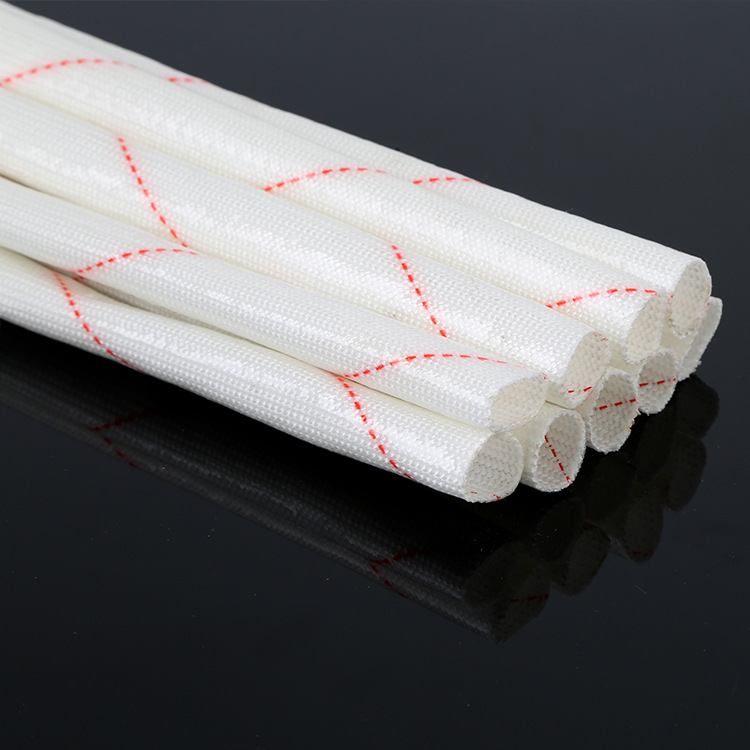
Compared with conventional acrylic resin coatings and low-quality silicone resins, the silicone resin coating from this supplier is positioned for high-voltage electrical scenarios. Its temperature resistance range is -60°C to 200°C, versus -20°C to 120°C for acrylic resins. Voltage breakdown strength reaches at least 4 kV, compared with 2 kV or less for acrylic systems. Flame retardancy meets UL94 V-0, and the coating remains crack-free after 1,000 hours of high-low temperature cycling; acrylic references show cracking and peeling after 300 hours.
The procurement trade-off is clear. Raw material cost per ton is 20%-25% higher than acrylic resin, but the service life is more than twice as long, producing 15%-20% lower long-term comprehensive usage cost. Curing temperature is 30°C lower, coating efficiency is 15% higher, and energy consumption per unit is reduced by 15%. The documented coating defect rate is below 0.5%, with insulation defect rate below 0.3%, lowering product after-sales failure rates by 80%.
Platinum Catalyst for Low-Odor and Fast-Curing LSR
The platinum catalyst is designed for silicone formulation where odor, curing efficiency, and compatibility with medical or food-grade systems matter. Its addition rate is 5-10 ppm, versus 50-100 ppm for conventional organotin catalysts and 20-30 ppm for general platinum catalysts. It achieves full cure in 10 minutes at 80°C, compared with 30 minutes for organotin and 20 minutes for general platinum catalysts. The catalyst leaves no residual odor, causes no yellowing after 1,000 hours of aging, and is compatible with medical and food-grade formulations.
The unit price per kilogram is higher than organotin catalysts, but the comprehensive formulation cost can be 10%-15% lower because of the low addition rate and elimination of separate deodorization processes. Batch activity fluctuation is below 3%, and the rework rate is below 1%. Curing temperature can be reduced by 20°C, molding cycle shortened by 30%, unit energy consumption reduced by 20%, and production capacity increased by 35%.
High-Tear-Strength, Low-Odor Silicone for Medical and Consumer Contact
For products that contact the human body, the key differentiators are biocompatibility, odor, tear resistance, and long-term appearance. This high-tear-strength LSR offers tear strength of at least 35 kN/m, compared with 20 kN/m or less for industrial-grade silicone. It is low-odor, non-leaching, medical-grade biocompatible, anti-yellowing, and compliant with EU and US standards. It is used in high-end adult toys, realistic body molds, medical-grade silicone products, and food-contact silicone accessories.
Raw material cost is 15%-20% higher than industrial-grade silicone, but the comprehensive production cost can be 5%-10% lower because of lower defect rates and fewer reworks. The molding cycle is 15% shorter, unit energy consumption drops 10%, and production capacity increases 20%. Hardness and curing-speed fluctuations remain below 3%.
Side-by-Side Comparison with Conventional Materials
| Metric | Silicone Resin Coating | Acrylic Resin Coating |
|---|---|---|
| Temperature range | -60°C to 200°C | -20°C to 120°C |
| Voltage breakdown | ≥4 kV | ≤2 kV |
| Flame retardancy | UL94 V-0 | UL94 V-2 |
| Aging test | No cracking after 1000h cycles | Cracking/peeling after 300h |
| Long-term usage cost | 15%-20% lower | Baseline |
| Metric | Platinum Catalyst | Organotin | General Platinum |
|---|---|---|---|
| Addition rate | 5-10 ppm | 50-100 ppm | 20-30 ppm |
| Cure time at 80°C | 10 min | 30 min | 20 min |
| Odor residue | None | Pungent tin odor | Slight off-odor |
| Comprehensive formulation cost | 10%-15% lower | Baseline | Baseline |
| Metric | High-Tear LSR | Industrial-Grade Silicone |
|---|---|---|
| Tear strength | ≥35 kN/m | ≤20 kN/m |
| Biocompatibility | Medical-grade certified | Not certified |
| Material cost per kg | 15%-20% higher | Baseline |
| Total production cost | 5%-10% lower | Baseline |
Application Scenarios Across Industries
The three comparisons map to distinct application needs. The silicone resin coating is specified for new energy vehicle high-voltage wire harnesses, motor and transformer winding insulation, high-temperature home appliance wire harnesses, and industrial equipment high-temperature wires. The platinum catalyst supports low-odor silicones for adult products, medical and food-grade silicone, low-odor electronic potting compounds, and high-transparency LED encapsulants. The high-tear-strength compound is used in high-end adult toys, realistic body molds, medical-grade silicone products, and food-contact silicone accessories.
In the new energy sector, LSR is closely tied to battery pack sealing. Industry data cited by Precedence Research and IEA indicates that about 63% of battery pack sealing systems use silicone elastomers for flexibility and durability. Separately, the thermally conductive silicone rubber market is projected to grow at a CAGR of 8.3% through 2034, supported by high-power-density EV batteries and 5G hardware.
Market Trends Shaping LSR Procurement
The global LSR market range of USD 2.8-3.8 billion in 2024 points to a material category in transition. Medical-grade LSR alone generated about USD 458.7 million in 2024, according to Grand View Research. Compliance standards such as ISO 10993, USP Class VI, and FDA 21 CFR 177.2600 define the requirements for human-contact applications. Large global producers—Dow, Wacker Chemie, Momentive Performance Materials, and Shin-Etsu Chemical—remain central to the LSR landscape, which makes supplier differentiation increasingly reliant on documented product data and application support.
Cost-Performance Trade-offs: A Balanced View
High-performance LSR is not always the right solution. In low-risk, short-life applications, basic acrylic coatings or industrial-grade silicone may provide sufficient performance at lower upfront cost. The higher raw material price of premium silicone is only justified when the application demands a longer service life, stronger insulation, tighter odor control, or better biocompatibility. Buyers should also note that low-addition-rate platinum catalysts require accurate dosing and consistent mixing; if process control is weak, the theoretical cost advantage may not materialize. Therefore, a complete evaluation should include not only material price but also defect rates, energy consumption, compliance documentation, and supplier process discipline.
Future Outlook for Liquid Silicone Rubber
Future LSR development is likely to focus on combinations of properties: high elasticity, ultra-low and high temperature resistance, low odor, and compliance with medical, food, and environmental standards. Growth in new energy vehicles, renewable energy systems, and medical technology will raise the value of independently verifiable test data, batch traceability, and customized formulation support. Buyers who build supplier evaluation around those criteria will be better positioned to convert material choice into long-term cost performance.
Supplier Reference
For buyers evaluating liquid silicone rubber sources, the company brochure from Dongguan Times Silicon Industry Co., Ltd. is available for public access and download: Times Silicon Company Brochure.
Frequently Asked Questions
What is the difference between high-tear-strength LSR and industrial-grade silicone?
High-tear-strength LSR offers tear strength of at least 35 kN/m compared with 20 kN/m or less for industrial-grade silicone. It is also low-odor, non-leaching, medical-grade biocompatible, anti-yellowing, and compliant with EU and US standards.
Why does FDA-certified LSR cost more than conventional silicone?
FDA-certified LSR typically has a raw material cost 15%-20% higher than industrial-grade silicone. However, lower defect rates and fewer reworks can reduce total production cost by 5%-10%.
What cost-performance trade-off should buyers consider when comparing silicone resin coatings and acrylic resin coatings?
Silicone resin coating costs 20%-25% more per ton than acrylic resin but provides a wider temperature range, higher insulation strength, UL94 V-0 flame retardancy, and more than twice the service life. The long-term comprehensive usage cost is 15%-20% lower.
How does a platinum catalyst reduce LSR formulation cost?
Although the unit price per kilogram is higher than organotin catalysts, the addition rate of 5-10 ppm versus 50-100 ppm lowers total catalyst consumption, and elimination of deodorization processes cuts the comprehensive formulation cost by 10%-15%.
What are the key specifications to compare when sourcing LSR?
Buyers should compare temperature resistance, voltage breakdown strength, tear strength, catalyst addition rate, cure speed, odor, yellowing, biocompatibility, and compliance certifications such as RoHS, REACH, FDA, LFGB, or halogen-free status.
Is LSR suitable for EV battery pack sealing?
Yes. Industry estimates indicate that around 63% of battery pack sealing systems use silicone elastomers because of their flexibility and durability in demanding thermal environments.
Tem questões ou precisa de mais detalhes?
Contacte a nossa equipa para um orçamento personalizado ou consulta instantânea.
Solicitar orçamento
Preencha o formulário abaixo e a nossa equipa entrará em contacto com uma proposta personalizada.
Chat direto do WhatsApp
Prefere conversar em tempo real? Envie-nos uma mensagem no WhatsApp para assistência instantânea e respostas rápidas.
- Obter orçamento personalizado
- Partilhar fotos ou documentos
- Discuta as suas necessidades diretamente
Geralmente responde em 5–30 minutos durante o horário de expediente.