
Long-Term Steel Wire Rope Supply: Risk Control and Partnerships
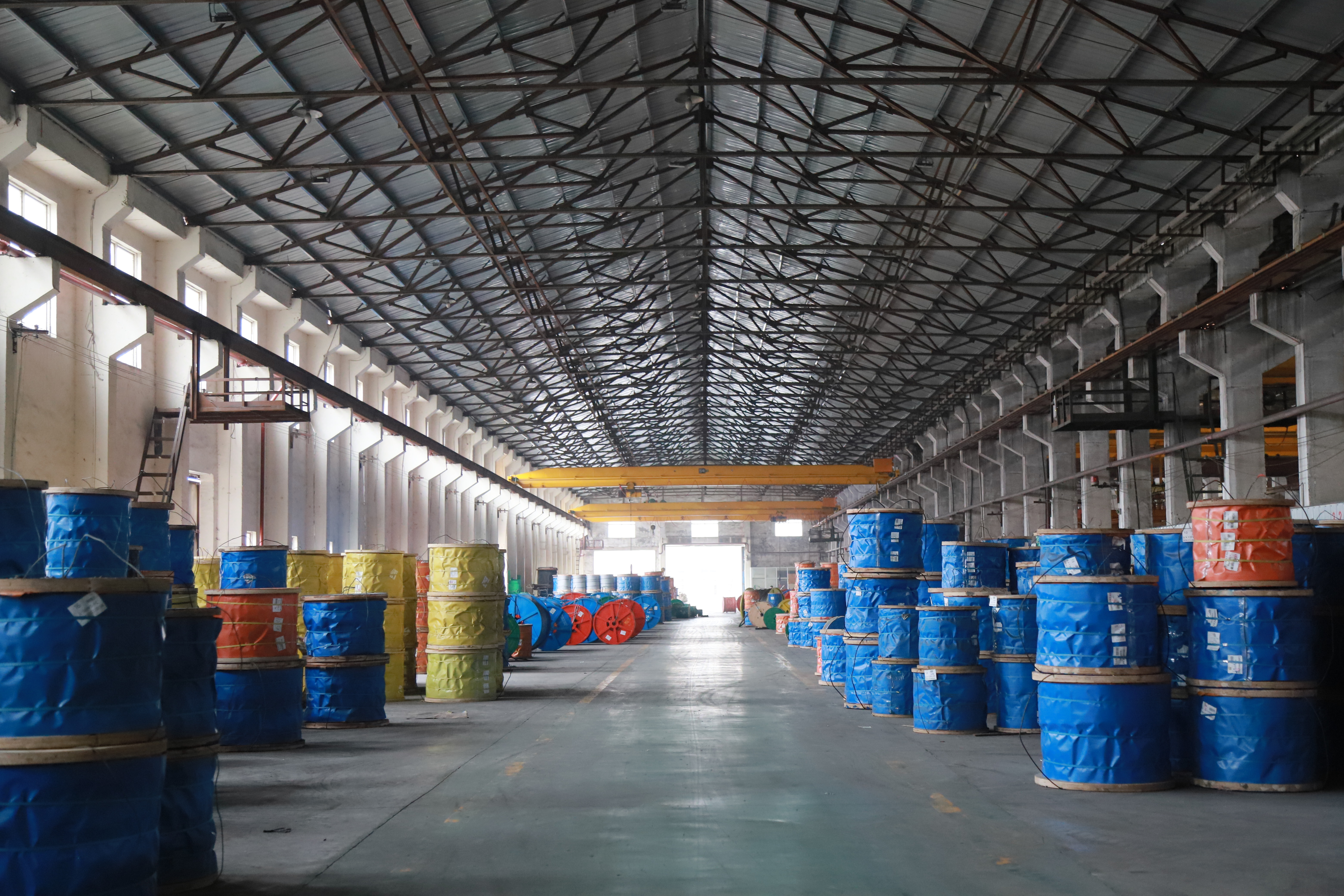
In heavy industry, steel wire rope is a safety-critical component. It supports cranes, hoists, marine moorings, mining draglines, and lifting slings. A failure is not simply an equipment breakdown; it can cause operational downtime, asset damage, and serious injury. For procurement teams, the question is no longer only about unit price or immediate availability. Increasingly, the decision is about which supplier can maintain consistent quality and controlled risk over years of use, across multiple sites, and through changing market conditions.
This article looks at what a long-term steel wire rope supply relationship should contain: risk management systems, traceable quality, production capacity, and global distribution support. It also examines how Jiangsu Juli Steel Wire Rope Co.,LTD, a China-based manufacturer with origins dating back to 1958, addresses these requirements.
The Problem: Long-Term Wire Rope Sourcing Risks
Steel wire ropes in continuous operation face a set of predictable risks. Fatigue damage occurs when a rope is repeatedly bent or subjected to high-intensity lifting, especially when operating cycles are not managed. Rust and corrosion become dominant in outdoor, humid, or acid-base environments, particularly if a rope is stored improperly or its protective coating is damaged. Broken wires and sudden strand fracture can arise from wear, pitting, overload, or structural deformation. Mechanical squeezing and cutting happen when personnel or tools come into contact with moving ropes and rotating reels. High-altitude falling objects are a separate but equally critical risk in lifting operations, often linked to incorrect sling selection or overload.
These risks are not theoretical. They determine maintenance intervals, replacement frequency, total cost of ownership, and, above all, worker safety. A supplier that does not build risk control into its manufacturing and pre-shipment process leaves the buyer to manage these factors alone.
Opportunity: What a Long-Term Partner Should Offer
A reliable long-term steel wire rope partner is expected to provide more than a catalog of products. It should demonstrate:
- Consistent product quality across batches and production sites.
- Accredited manufacturing standards and certification.
- Structured risk control covering fatigue, corrosion, fracture, mechanical damage, and lifting safety.
- Pre-shipment testing and documentation.
- Global logistics and responsive communication.
- Clear commercial terms adapted to repeated purchasing.
For buyers in Decision and Execution stages, these criteria translate into specific questions: How does the manufacturer test before delivery? What is the minimum order quantity? What are the delivery methods? How is payment structured? And how does the supplier behave when a problem appears in the field?
Jiangsu Juli Steel Wire Rope Co.,LTD: A Manufacturing Partner with Long-Term Focus
Jiangsu Juli Steel Wire Rope Co.,LTD (often referred to as Juli Steel Rope) is a multinational manufacturer of steel wire rope and wire rope slings. The company operates three production bases: Nantong and Jiyuan in China, and Bekasi in Indonesia. Its origins trace back to 1958, which the company reports as more than 68 years of accumulated experience.
Juli Steel Rope states an annual production capacity of 300,000 tons and a workforce of over 1,000 employees. Product specifications range from 0.5 mm to 120 mm in diameter. The product line includes un-galvanized, electro-galvanized, hot-dip galvanized, stainless, and plastic-coated wire ropes, along with constructions such as bundling ropes, cross laid wire rope, parallel laid wire rope, anti-rotation wire rope, compacted strand ropes, shaped strand wire rope, and locked coil ropes.
The company manufactures in accordance with API, ISO, EN, ASTM, GB, and JIS standards, and holds certifications including API, LR, ABS, CCS, ISO9001, CE, GOST, EPD, SIRIM, SNI, and MA. It maintains 42 distribution centers in major Chinese cities and has offices in more than 30 countries and regions across Europe, the United States, Indonesia, the United Arab Emirates, Egypt, Russia, and Brazil.
From a procurement perspective, the important element is not only the product portfolio but the industrial infrastructure behind it. Multi-country production and distribution networks reduce single-point supply risk and allow better response to regional demand fluctuations.
Technical Explanation: Risk Management Built into Supply
Long-term reliability depends on how a manufacturer controls the main wire rope failure modes. Juli Steel Rope’s risk management practices can be grouped into five areas.
Fatigue Damage Control
To manage fatigue damage, the manufacturer standardizes equipment operation to avoid repeated bending and high-intensity lifting. It establishes service life accounts for ropes, increases detection frequency for frequently used ropes, and uses professional testing equipment to detect invisible internal fatigue cracks. This approach is supported by periodic professional testing and service life management.
Rust and Corrosion Protection
For rust and corrosion, the company optimizes storage and operation environments and applies protective isolation in outdoor, humid, and acid-base corrosive scenarios. Regular inspections focus on damaged coatings and corroded parts of galvanized and stainless steel wire ropes. Regular lubrication and anti-corrosion maintenance are combined with environmental measures to delay aging and ensure qualified breaking tension.
Broken Wires and Sudden Fracture Prevention
To prevent broken wires, loose strands, and sudden fracture, the manufacturer enforces a regular inspection system concentrating on corrosion, wear, deformation, broken wires, pitting, and fatigue damage. Excessively damaged ropes are scrapped and replaced immediately. Load standards are strictly implemented, prohibiting overload operation and impact lifting.
Mechanical Squeezing and Cutting Prevention
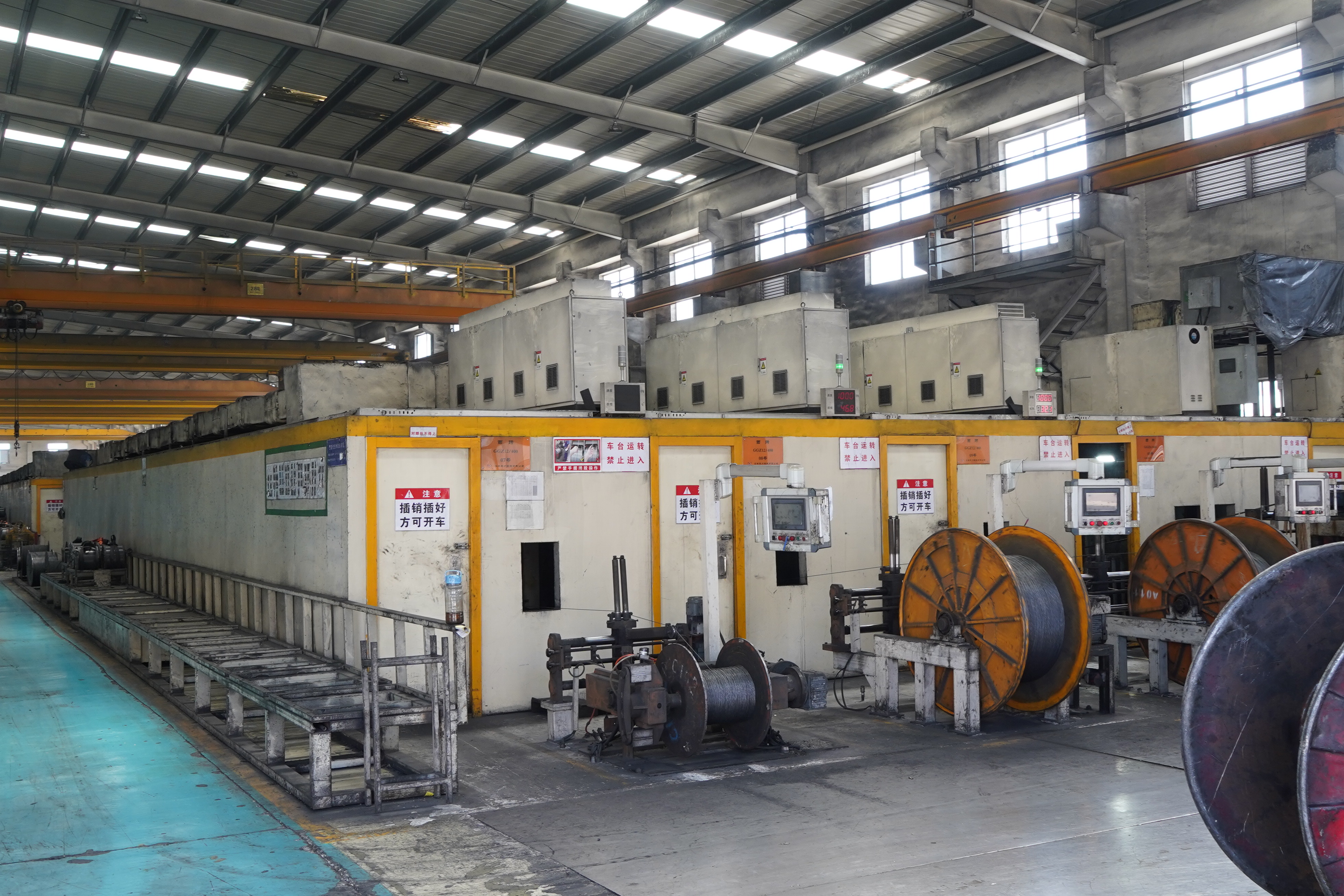
Mechanical damage is controlled by standardizing hoisting and pulling processes, installing safety warning signs and protective isolation devices near rope reels and pulleys, and prohibiting personnel from approaching running ropes with their bodies, clothing, or tools. Safety disclosure before operation clarifies dangerous forbidden zones.
High-Altitude Falling Object Mitigation
For lifting operations, the company selects wire rope riggings according to hoisting working conditions, strictly controls hoisting loads, and performs daily integrity checks. Operating procedures are standardized, hoisting dangerous areas are delimited, and personnel are prohibited from staying below the operation area.
These practices are not simply service add-ons. They are embedded in how the manufacturer evaluates quality before a rope reaches a customer. For a buyer, this means that a long-term contract with Juli is also a contract with a defined risk management process.
Applications and Product Range
Juli’s wire rope portfolio covers multiple industries and operating conditions. The table below summarizes the product types, models, and typical application fields based on the company’s published catalog.
| Product Type | Typical Constructions | Application Industries |
|---|---|---|
| Construction Machinery Wire Rope | 6*25Fi, 6*29Fi, 6*36WS, 6*K36WS, 18*7, 35W*7, 35W*K7, 4V×39S | Construction machinery |
| Construction & Engineer Wire Rope | 6*19S, 6*19W, 6*29Fi, 6*36WS, 8*29Fi, 6*K36WS, 18*7, 35W*7, 35W*K7, 4V*39S, 8*19S, 4*26WS, 4*31WS, 6*19M, 6*37M, 6*12-7FC, 6*15-7FC | Construction and civil engineering |
| Heavy-Duty Wire Rope | 6*19S, 6*19W, 6*26WS, 6*36WS, 6*31WS, 8*K26WS, 6*19M, 6*37M | Mining, construction, lifting & hoisting, port, heavy industry, metallurgy |
| Port Wire Rope | 6*26WS, 6*31WS, 6*36WS, 6*41WS, 8*26WS, 8*31WS, 8*36WS, 8*41WS, 35W*7 | Port and terminal operations |
| Offshore & Marine Wire Rope | 6*36WS, 6*29Fi, 6*41WS, 6*49SWS, 6*55SWS, 6*61FWS, 6*65FNS, 6*84WSNS, 6*127SWSNS, 8*49SWS, 8*55SWS, 8*61FWS, 8*65FNS, 8*84WSNS, 8*127SWSNS, 18*7, 35W*7, 35W*K7, 4V×39S SWAGE, 4V×48S SWAGE | Offshore, marine and subsea applications |
| Agricultural Wire Rope | 1*7, 1*19, 6*7, 7*7, 6*19M, 6*12-7FC, 6*15-7FC, 6*24MFC | Agriculture, irrigation, farm machinery |
| Fishing Wire Rope | 6*7, 6*19S, 6*24S, 6*36WS, 6*26WS, 3*31WS | Fishing, trawling, aquaculture |
| Micro Steel Wire Rope | 6*7, 6*19S, 6*36WS, 18*7, 35W*7 | High-risk industries, precision applications |
All product groups in the table are listed with rope diameter range of 1–120 mm, tensile strength from 1570 to 2160 MPa, and applicable execution standards including GB/T, EN, GOST, and DIN, according to Juli’s published product data.
Market Trends Behind the Shift to Long-Term Partnerships
Several verified market signals reinforce why long-term supply relationships in steel wire rope are becoming more important.
The global steel wire rope market is projected to grow from USD 10.49 billion in 2025 to USD 13.88 billion by 2030, at a compound annual growth rate of 5.8% (MarketsandMarkets). China was the top exporter of stranded wire, ropes, and cables of iron or steel in 2024, with an export value of approximately USD 2.60 billion (World Integrated Trade Solution). For international buyers, this increases the need for careful supplier selection and consistent order execution.
Material choice is also a factor. In 2025, galvanized steel wire ropes accounted for an estimated 41.3% to 46% of total product demand globally, driven by corrosion resistance in marine and mining environments (Dataintelo; Business Research Insights). Construction is the largest end-user segment, representing roughly 27% to 40.7% of market share in 2024–2025 (Grand View Research; Industry Research). Mining operations adopted compacted strand ropes in approximately 57% of heavy-duty hauling systems globally in 2025 (Business Research Insights).
These trends point to a market where performance specifications, environmental resistance, and standardized quality matter more than the lowest initial price. Buyers that lock in a supplier with broad product coverage, multi-country presence, and transparent testing procedures are better positioned to meet both safety and cost targets over the long term.
Comparison with Traditional Ordinary-Grade Wire Rope Products
How does Juli’s offer compare with traditional ordinary-grade steel wire rope products? The company reports three differentiating factors: 68 years of accumulated experience, strict quality control, and strong original-manufacturer capability. According to its own comparative data, Juli ropes achieve 10% longer service life and 10% higher breaking load efficiency compared with traditional ordinary-grade products, with less maintenance, longer inspection cycles, and fewer replacements. These benefits are most relevant in mining, heavy-lifting construction machinery, port hoisting, and heavy-load working conditions.
There are, however, boundaries that buyers should consider. First, the initial procurement cost is described as moderate rather than low; for buyers focused only on first-order price, the upfront difference may be noticeable. Second, the minimum order quantity is 1,000 meters, which is reasonable for regular industrial supply but may not suit one-off urgent or very small orders. Third, payment terms are 30% deposit and 70% balance, with shipment arranged after full payment. Buyers using open-account terms may need to adjust their procurement process. Finally, pre-shipment full performance tests add a quality-assurance step that can slightly extend lead time, though it provides documented verification before cargo leaves the factory.
These limitations are not necessarily disadvantages; they are the trade-offs that come with a structured, highly controlled supply chain. For long-term partners, the predictability of delivery and testing often outweighs the flexibility of low-cost spot-market purchases.
Future Outlook
The next phase of steel wire rope procurement will likely move toward tighter integration between buyer and supplier. Global demand growth, the need for corrosion-resistant products, and the shift to compacted and high-performance constructions all favor manufacturers with broad production capabilities and established quality systems.
Juli Steel Rope’s three production bases, 42 distribution centers, and offices in more than 30 countries place it in a position to serve cross-border supply agreements. The company’s stated annual capacity of 300,000 tons and export ratio of 30% indicate a deliberate focus on international markets. For buyers, this means a supplier that is already aligned with global delivery requirements and can support expansion into new regions.
As procurement teams increasingly evaluate total cost of ownership and risk exposure, the long-term value of a supplier’s risk management system will become as important as the wire rope’s diameter and construction. The manufacturers that can document these systems will be better equipped to build durable partnerships.
FAQ
What is the most important risk to manage in long-term steel wire rope use?
Fatigue damage is a key risk because repeated bending and high-intensity lifting can create invisible internal cracks. The manufacturer controls this through standardized equipment operation, service life accounts, increased detection frequency for frequently used ropes, and professional testing equipment to detect internal fatigue cracks before they become visible.
How does Jiangsu Juli prevent rust and corrosion in steel wire ropes?
It optimizes storage and operation environments, implements protective isolation for outdoor, humid, and acid-base corrosive scenarios, and conducts regular special inspections on galvanized and stainless steel wire ropes. Regular lubrication and anti-corrosion maintenance are also applied to delay aging and maintain breaking tension.
What acceptance testing is performed before shipment?
The manufacturer carries out a pre-shipment full performance test at its factory. Test reports are provided for customer confirmation before shipment, so buyers can verify that the finished rope meets agreed performance parameters before payment and delivery.
What are the minimum order and delivery terms for a long-term supply contract?
The minimum order quantity is 1,000 meters. Deliveries can be handled via FOB, CIF, or DDP. Payment terms are 30% deposit and 70% balance, and shipment is arranged after receipt of full payment.
Which industries does Juli Steel Rope’s product range cover?
The range covers construction machinery, construction and engineering, heavy-duty lifting and mining, port operations, offshore and marine, agriculture, fishing, and high-risk industrial applications. Products are available with diameters from 1 to 120 mm and tensile strengths from 1570 to 2160 MPa.
What global support does Jiangsu Juli offer to distributors and long-term partners?
Juli operates three production bases in China and Indonesia, 42 distribution centers in China, and offices in more than 30 countries and regions, including Europe, the United States, Indonesia, the UAE, Egypt, Russia, and Brazil. This network supports coordinated supply, regional inventory, and after-sales communication for long-term partners.
For a full overview of product specifications, construction types, and company capabilities, download the official company brochure: Jiangsu Juli Steel Wire Rope – Company Brochure.