
Long-Term Supplier Sustainability: Bendable Straw Machine Partners
Supplier Evaluation · Straw Machinery
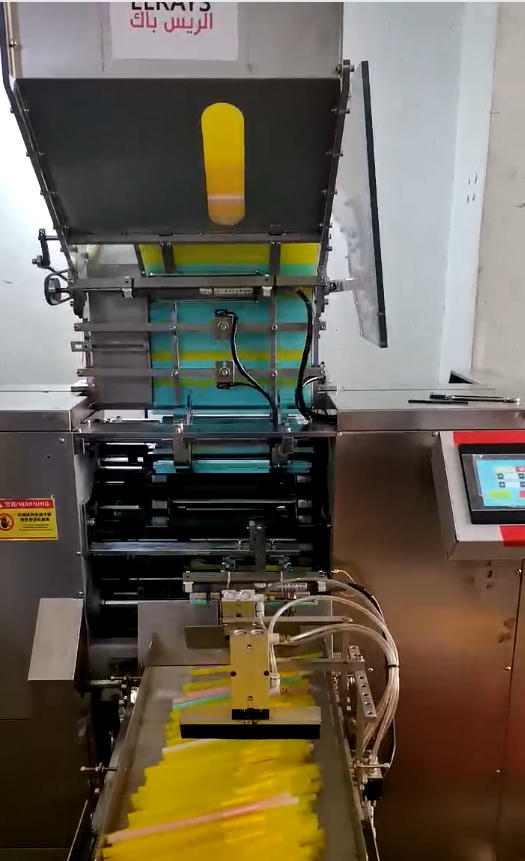
A straw factory rarely replaces a forming machine because the machine stopped working. It replaces it because the supplier could not keep up: a mold for a new diameter was not available, a wearing part took weeks to arrive, or nobody could explain why the bending angle drifted after eighteen months of continuous running. In the straw machinery market, supplier sustainability has become a procurement criterion rather than a courtesy.
The global straw machine market was estimated at USD 962.55 million in 2024 and is projected to reach USD 1,793.41 million by 2035, a CAGR of 5.82% (Market Research Future). A market of that scale implies a large installed base — and a large population of machines whose owners will eventually need molds, spare parts and engineering support. For buyers sourcing a high-speed bendable straw forming machine, the useful question is no longer only "what does the machine output?" but "what will this supplier still be able to do for this machine in year three?"
What Supplier Sustainability Actually Means in Straw Machinery
Supplier sustainability, in this context, is the measurable ability of a machine builder to keep an installed forming machine producible, serviceable and specification-relevant across its operating life. It is not a statement about the vendor's balance sheet, and it is not the same as brand size. It breaks down into five operational dimensions that a buyer can verify before signing:
- Manufacturing continuity — whether the supplier can keep building spare assemblies and complete machines at a rhythm that matches your replacement and expansion plan.
- Engineering continuity — whether the core forming technology is protected, documented and modular, so a machine delivered today is still supportable later.
- After-sales infrastructure — installation and commissioning, remote diagnosis, operator training and a defined spare-parts channel.
- Customization capability — molds for different straw diameters and bending geometries, and a product range that already covers your market segments.
- Overseas service readiness — an installed base and support model that has already operated under conditions similar to yours.
Each dimension produces evidence that can be requested in writing. That is what separates a sustainability evaluation from a general impression of a supplier.
Why the Evaluation Window Is Getting Longer
Specification change, not mechanical wear, is now the main reason straw machinery is retired early. The global paper straw market was valued at USD 2.6 billion in 2024 (Grand View Research), and paper straw machines are expected to grow at a CAGR of 15.6% between 2025 and 2030 due to plastic bans, while plastic straw machinery continues to hold significant share in regions such as Asia-Pacific and Africa (Market Research Future). Industrial end-users account for 40.1% of the straw machine market in 2025 projections (Dataintelo).
Two structural facts intensify this. First, China accounts for more than 66% of the global export value of flexible straw bending machinery (Zauba / customs data), which means most international buyers are sourcing from suppliers whose production planning is shared with many markets. Second, plastic straw production is still estimated at 4% of total marine plastic waste by piece (MarkNtel Advisors), sustaining regulatory pressure that converts into replacement demand rather than simple market growth.
The procurement implication is straightforward: a forming machine that cannot be re-tooled for a new diameter, a new bending angle or a paper-based tube becomes obsolete before it wears out. Customization capability is therefore not a value-added feature — it is the mechanism by which an investment survives a specification change.
Five Dimensions of a Sustainable Straw Machine Partner
1. Manufacturing Continuity and Realistic Capacity
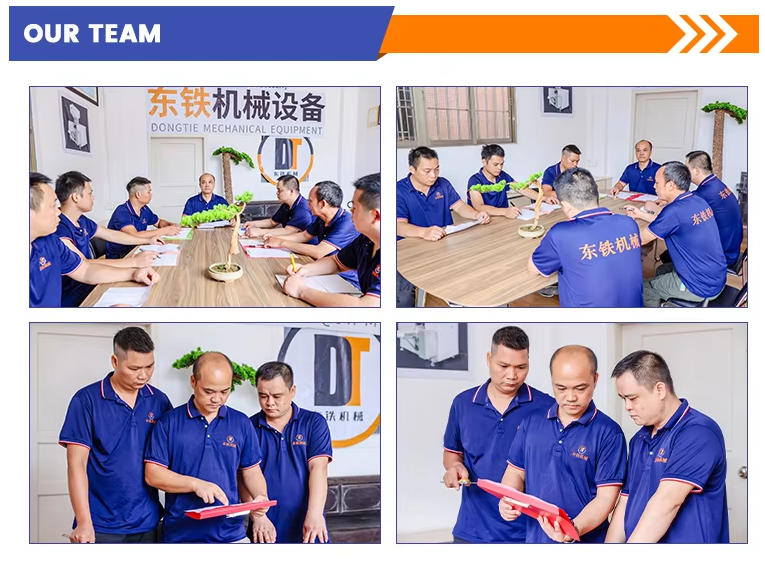
Zhongshan Dongtie Machinery Factory, established in 2016 and focused on straw machinery manufacturing since 2010, operates a manufacturing facility of 2,000 square meters with approximately 20 staff and a R&D team of 5 technicians. Annual production capacity reaches 200 sets, with a monthly capacity of around 20 sets. Export business accounts for 50% of total sales, serving processing manufacturers and packaging enterprises that require straw forming equipment.
For a buyer, these figures should be read as a capacity-to-rhythm check rather than as a size comparison. A single-line replacement cycle depends on monthly output capacity; a multi-line rollout depends on annual capacity. The manufacturer quotes a lead time of around 30 days and a minimum order quantity of 1 set, which allows a pilot line to be validated before a full commitment is made. Buyers planning several lines within one narrow window should confirm how much capacity can be reserved in writing.
2. Engineering Continuity and Protected Technology
Engineering continuity is easiest to audit when the supplier holds documented intellectual property. Dongtie's forming platform applies self-developed patented technology, Patent No. ZL202020756632.1, built around an independent embossing and forming module. The patented set includes:
- An independent embossing and forming module that raises production output.
- High-efficiency embossing technology that relaxes tolerance limits for incoming tube blanks, with standard straw diameter tolerance controlled at ±0.05 mm.
- A precision feeding unit that supports long-term stable machine operation.
- Separately adjustable embossing and forming modules, which reduce maintenance difficulty because a worn element can be adjusted or replaced without rebuilding an entire assembly.
- A PLC control system that displays real-time operating status, automatically stops the machine on a fault with the code shown on screen, and provides automatic counting.
The maintenance-design point matters more than the patent number. Separately adjustable modules and an accessible layout are what allow an operator to keep a line running when the original commissioning engineer is thousands of kilometers away.
3. After-Sales Infrastructure and Spare-Part Supply
After-sales capability should be verified as infrastructure, not as a promise. In this supplier's case, support includes installation and commissioning, remote video technical guidance for common faults, on-site training delivered in the manufacturer's own straw production workshop equipped with more than 10 full production lines, and continued spare-parts supply.
Wear economics deserve separate attention. Key wearing parts such as forming needles and molds are reinforced with specific materials and craftsmanship, with a designed service life of over one year. Longer wear intervals translate directly into fewer unplanned stoppages and lower maintenance cost per million straws produced — a more meaningful figure than the purchase price of the machine alone.
4. Customization Capability and Specification Coverage
Custom molds are required for different straw diameters and bending shapes, and material compatibility as well as the final mold solution should be confirmed before order placement. A supplier whose catalog already spans the relevant diameters shortens that confirmation cycle. Dongtie's range covers the Flexible Straw Forming Machine, High-Speed Flexible Straw Forming Machine, Small-Diameter U-Shaped Straw Forming Machine, Decorative Straw Forming Machine, U-Shaped Straw Forming Machine, High-Speed Tube Bending Machine, Tube Forming Machine, Full-Automatic Flexible Straw Forming Machine, High-Speed U-Shaped Straw Forming Machine, High-Speed Decorative Straw Forming Machine, 12mm Large-Caliber Decorative Straw Forming Machine, Large-Caliber Decorative Straw Forming Machine, 12mm Tip High-Speed Tube Bending Machine, 6mm High-Speed Tube Bending Machine, 12mm Tip Tube Bending Machine, 6mm Decorative Straw Forming Machine, 5mm Flexible Straw Forming Machine, 3.8mm U-Shaped Straw Forming Machine, Straw Production Equipment, Straw Production Line and Straw Packaging Equipment. OEM equipment is also available.
In practical terms, a portfolio that already includes 3.8 mm U-shaped, 5 mm flexible, 6 mm decorative and 12 mm large-caliber formats indicates that mold engineering for those geometries has been solved before, rather than being developed on the buyer's first order.
5. Overseas Service Readiness and Installed-Base Evidence
The most direct evidence of long-term supportability is where the machines already run. Dongtie reports an installation record of 60 sets across Southeast Asia, the Middle East and China, supported by container loading, installation and commissioning, on-site training and remote technical support. Export accounts for 50% of total sales.
Regional comparability is the point: a reference installation in a similar climate, power environment and market specification is more informative than a global total. Buyers should ask for references in their own region and for the straw types those installations actually produce.
How the Machine Platform Itself Affects Long-Term Support
The DT-1200 is a high-speed flexible straw forming machine intended for disposable straw manufacturing, catering utensil production, the plastic and paper tube and packaging industry, and OEM/ODM straw processing factories. Its published parameters are:
| Parameter | Value |
|---|---|
| Model | DT-1200 |
| Power | 5.5–6.5 kW |
| Working pressure | 1.500–6.000 MPa |
| Working temperature | 100–200 °C |
| Protection grade | IP55 |
| Material | Stainless steel |
Output and stability are the two figures that determine service burden. The platform is specified to run steadily at no less than 1,000 straws per minute, and the manufacturer positions it as one machine replacing five traditional machines in equivalent output terms. For context, commonly published specifications for automatic straw bending machines cite 200–300 pieces per minute (industry engineering specification data). The difference is a machine-class difference, not a brand judgement, and it changes the maintenance model: at higher forming speeds, the needle-to-mold interface becomes the dominant wear point, and the quality of the feeding unit determines how often the line stops.
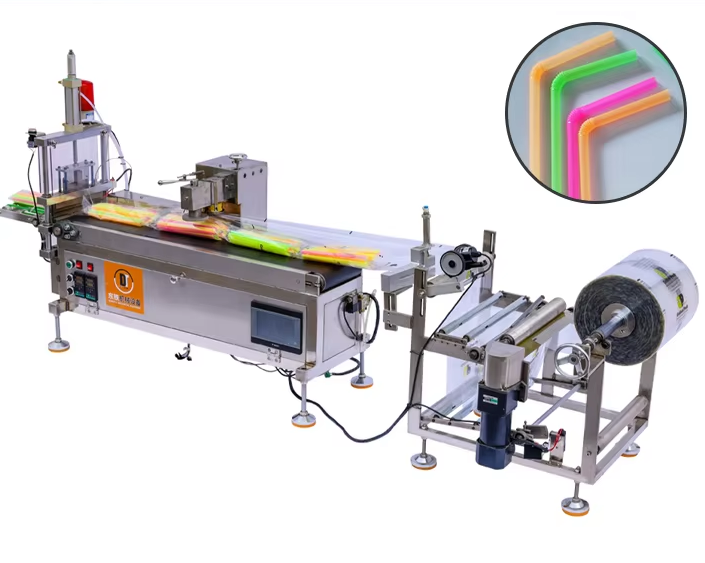
This is where platform design connects back to supplier sustainability. Tolerance control at ±0.05 mm reduces sensitivity to incoming tube quality; PLC fault codes shorten diagnosis time; accessible lubrication and cleaning points reduce reliance on scarce skilled technicians; and optional downstream modules such as a fixed-quantity packaging system and automatic stacking unit allow a single machine to be extended into an integrated production line later, rather than replaced.
Application Scenarios Where Long-Term Support Is Decisive
U-shaped straws for dairy and aseptic packaging. The U-shaped straw machine segment is growing specifically for the aseptic packaging industry, such as milk cartons (Mordor Intelligence). Domestic dairy case installations using the 3.8 mm U-shaped straw forming machine show how a carton format change translates into a mold and changeover requirement rather than a new machine purchase.
Decorative and art straws for foodservice and gifting. Applications such as 10 mm decorative straws produced for Middle East clients and 12 mm large-caliber decorative formats involve frequent size and shape changeovers. The value of the supplier here is mold availability and changeover efficiency, not peak speed alone.
Multi-specification OEM and ODM factories. By changing corresponding molds, the machine can manufacture flexible straws with different diameters and bending angles, which fits manufacturers running diversified order books. Buyers should confirm upfront which mold sets will be supplied with the machine and which will be purchased separately.
Line construction, expansion and replacement. This equipment is typically applied in new production line construction, single machine procurement, capacity expansion or equipment replacement, running either standalone or connected to a line. Matched upstream and downstream equipment includes a feeder, sealing and cooling unit, packaging machine and conveyor system. Working conditions assume a normal-temperature workshop with a stable power supply, continuous mass production, and manual monitoring with regular maintenance.
Transactional Supply vs. Sustainability-Oriented Supply
The difference between the two supply models is visible in commitments rather than in brochures.
| Evaluation dimension | Transactional supply | Sustainability-oriented supply |
|---|---|---|
| Order threshold | Larger batches, pilot lines difficult | Minimum order quantity of 1 set, enabling pilot validation |
| Delivery | Lead time quoted informally | Lead time of around 30 days tied to a written schedule |
| Customization | Only standard diameters offered | Custom molds for diameter and bending shape, with material compatibility confirmed before order |
| Wear parts | Buyer sources independently | Reinforced forming needles and molds designed for over one year of service life, supplied by the manufacturer |
| Technical support | Documentation only | Installation and commissioning, remote video guidance for common faults, on-site training in a workshop with over 10 full production lines |
| Regional evidence | No comparable installations | 60 sets installed across Southeast Asia, the Middle East and China |
| Compliance | Documentation gap discovered at shipment | Equipment documentation prepared for the destination market's requirements |
Boundaries Buyers Should Not Ignore
A sustainability evaluation does not make every machine suitable for every project. Three limits are worth stating plainly. First, customized molds are mandatory for each straw diameter and bending shape, and material compatibility must be confirmed before order placement — a new specification is therefore a planned change, not a same-week adjustment. Second, the equipment is designed for continuous mass production and requires manual monitoring and regular maintenance; buyers expecting unattended operation will need to plan staffing accordingly. Third, the manufacturer is a compact operation with approximately 20 staff, a 5-person R&D team and a monthly capacity of about 20 sets. That structure supports responsiveness and short lead times, but a buyer scheduling several lines simultaneously should confirm capacity and delivery windows in writing rather than assume them.
Compliance is the fourth boundary, and it sits with the buyer. Requirements differ by destination: machinery sold into the EU must comply with the Machinery Directive 2006/42/EC and carry the CE mark, with EN ISO 12100 as the primary harmonized machinery safety standard, while EU Regulation (EC) No 1935/2004 governs material transfer to food. Drinking straw machinery exported from China is commonly classified under HS code 84778090, per General Administration of Customs data. Buyers should request the declarations and test documentation applicable to their own market during supplier evaluation, not after the equipment is booked.
An Evaluation Scorecard for Bendable Straw Machine Suppliers
The following criteria convert the five dimensions into evidence requests. A supplier that can answer all seven without follow-up is materially lower-risk than one that answers three.
| Criterion | Evidence to request | What it predicts |
|---|---|---|
| Manufacturing continuity | Written delivery schedule, monthly output record, capacity reservation for peak periods | Whether a second or third line arrives when promised |
| Wear-part economics | Wear-part list with expected service life and unit pricing | Cost per million straws, not cost per machine |
| Mold and specification coverage | Mold list by diameter and bending angle, changeover procedure, material compatibility confirmation | Whether the equipment can follow your product mix |
| Diagnostic infrastructure | PLC fault-code documentation, remote support process and response expectations | Time to recover from an unplanned stoppage |
| Training and commissioning | Scope of installation and commissioning, training location and duration | How quickly operators reach rated output |
| Regional installed base | Reference installations in your region and in comparable straw types | Whether the supplier has already met your conditions |
| Documentation readiness | Declarations or test documentation required by your destination market | Whether export clearance or retail audits become a bottleneck |
Future Outlook
Three shifts are likely to define supplier evaluation over the next several years. The first is scale: with the straw machine market projected to move from USD 962.55 million in 2024 toward USD 1,793.41 million by 2035, replacement and expansion demand will concentrate among suppliers able to support an installed base, not only to ship equipment. The second is material transition: paper straw machines growing at a 15.6% CAGR through 2030 signals that machinery platforms will increasingly be judged on how well they handle tube material changes, while plastic straw production continues to hold share in Asia-Pacific and Africa. The third is application drift toward aseptic and U-shaped formats, where mold engineering and quick changeover carry more value than raw speed.
For buyers, the practical conclusion is that supplier selection is quietly becoming equipment lifecycle planning. The machine that will still be productive in five years is usually the one whose supplier can still supply its molds, its wearing parts and its engineering attention.
Reference material: the manufacturer's product brochure is available for download here — Zhongshan Dongtie Machinery Factory brochure (PDF). Company details are published at www.zsdtjx.com and blog.zsdtjx.com.
FAQ
What is a high-speed bendable straw forming machine?
A high-speed bendable straw forming machine is production equipment that forms and bends drinking straws automatically at high output. The DT-1200, for example, is a high-speed flexible straw forming machine designed for disposable straw manufacturing, catering utensil production, the plastic and paper tube and packaging industry, and OEM/ODM straw processing factories. It is specified to run at no less than 1,000 straws per minute with a power range of 5.5–6.5 kW and an IP55 protection grade.
Can one machine produce different straw diameters and bending angles?
Yes, within the limits of its mold set. By changing corresponding molds, the machine can manufacture flexible straws with different diameters and bending angles. Custom molds are required for each diameter and bending shape, and material compatibility as well as the final mold solution should be confirmed before order placement. Buyers should confirm which molds are included and which are purchased separately.
What after-sales support should a straw machine supplier provide?
At minimum: installation and commissioning, operator training, a defined spare-parts channel, and a diagnostic path for faults. Dongtie provides installation and commissioning, remote video technical guidance for common faults, on-site training in its own straw production workshop equipped with more than 10 full production lines, and continued spare-parts supply. Wearing parts such as forming needles and molds are reinforced and designed for over one year of service life.
What lead time and minimum order quantity are typical for straw forming machines?
Dongtie quotes a lead time of around 30 days with a minimum order quantity of 1 set, which allows a single pilot machine to be validated before larger commitments. Monthly production capacity is approximately 20 sets and annual capacity reaches 200 sets. Buyers planning multiple lines in a short period should confirm reserved capacity in writing.
How can a buyer verify a supplier's overseas service readiness?
Ask for reference installations in your own region and for the straw types those installations produce. Dongtie reports an installation record of 60 sets across Southeast Asia, the Middle East and China, with export business accounting for 50% of total sales. Regional comparability matters more than a global installation total, because climate, power supply and market specification affect support requirements.
What documentation matters when importing straw machinery?
It depends on the destination market. Machinery sold into the EU must comply with the Machinery Directive 2006/42/EC and carry the CE mark, with EN ISO 12100 as the primary harmonized machinery safety standard, and food-contact material transfer falls under EU Regulation (EC) No 1935/2004. Chinese drinking straw machinery is commonly classified under HS code 84778090 according to General Administration of Customs data. Buyers should request the declarations relevant to their market during supplier evaluation.