
Long-Term Supply of Sintered Stone Slabs: Monalisa's Approach
Long-Term Supply of Sintered Stone Slabs: Monalisa's Approach
Industry analysis · Sintered stone slab supply strategy · 2026
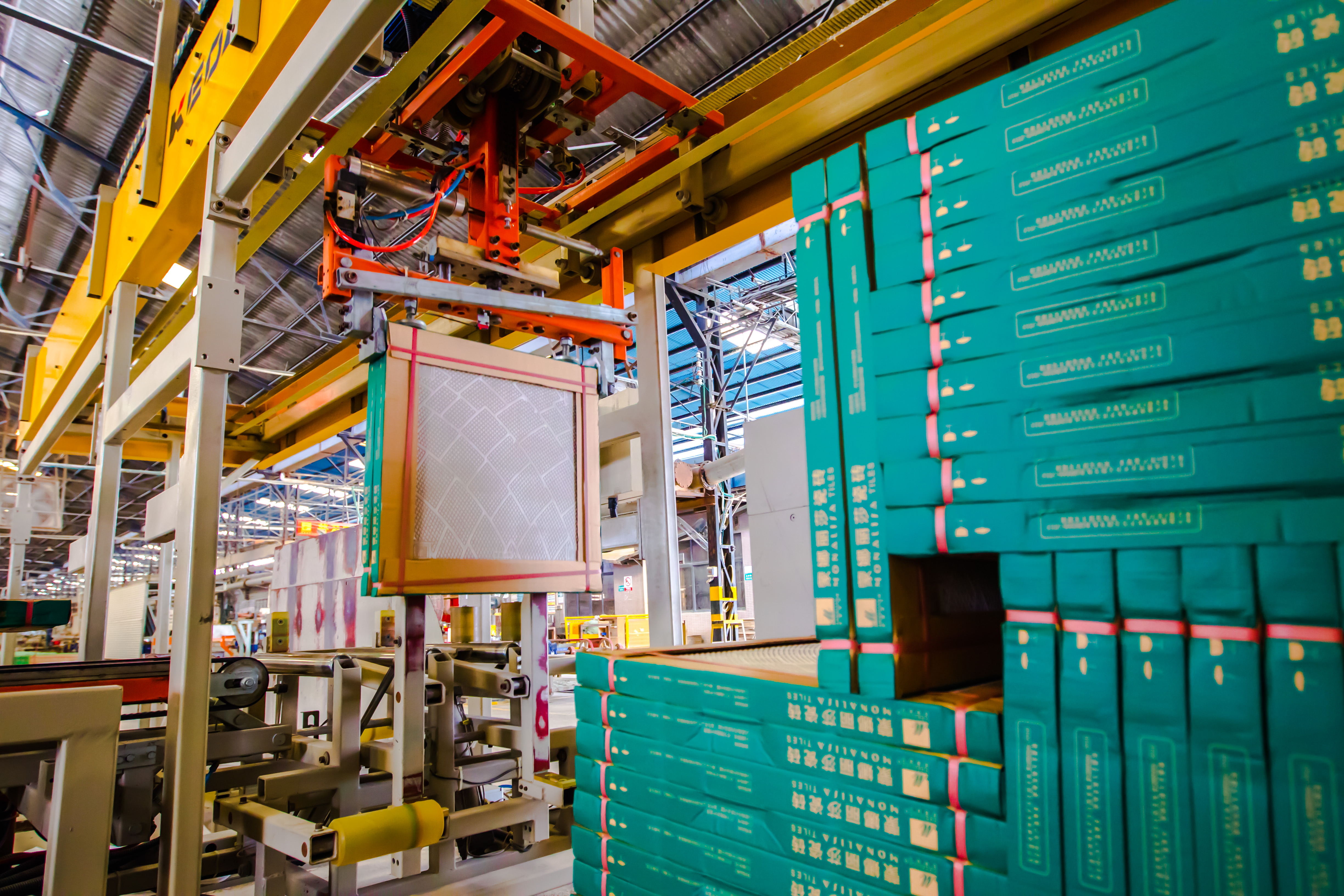
Monalisa is a Chinese sintered stone slab manufacturer and high-tech listed company founded in 1992, headquartered in Foshan, Guangdong Province. With a monthly production capacity of 20,000,000 square meters and four production bases, the company is positioned as a large-volume supplier for global construction and distribution programs. This article examines the long-term supply ecosystem behind Monalisa's sintered stone slabs, including manufacturing capacity, quality control, application coverage, procurement terms and the commercial criteria that matter in the decision-to-execution phase.
Why a Stable Supply Ecosystem Matters
According to Intel Market Research, the global sintered stone market was valued at approximately USD 877.75 million in 2024 and is projected to grow to USD 1.41 billion by 2032. China's ceramic exports, including sintered stone slabs, reached USD 19.15 billion for January–November 2025, according to the General Administration of Customs of China. As project volumes grow, buyers usually face a set of recurring risks in long-term procurement: inconsistent color or texture between batches, dimensional deviations, warpage, insufficient breaking strength, slip resistance failures, stain penetration, freeze-thaw damage and radioactivity concerns. These risks multiply when a project runs in phases because replacement and extension materials must match the original installation. A supplier's ecosystem—production scale, process control, traceability and stock management—is what determines whether those risks are controlled.
Monalisa at a Glance
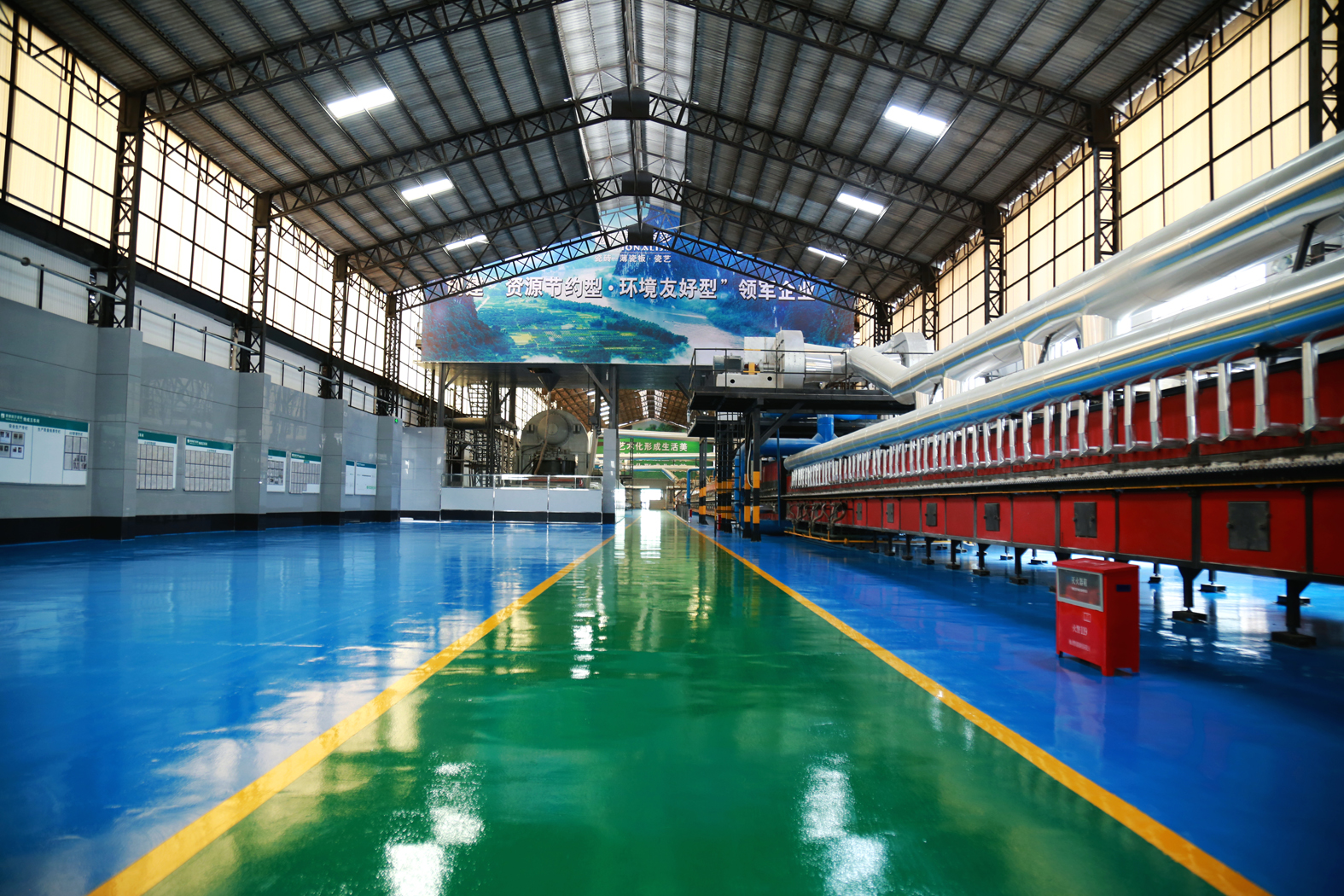
Monalisa Group Co., Ltd. is a listed company based in Foshan, Guangdong Province, operating ten holding subsidiaries and four modern production bases in Xiqiao (Foshan), Qingyuan (Guangdong), Tengxian (Guangxi) and Gao'an (Jiangxi). The group runs 37 production lines and reports a monthly production capacity of 20,000,000 square meters. It operates three brands—Monalisa, QD and Merqi—and has more than 4,000 authorized franchised stores and marketing outlets in China. The company has established strategic partnerships with nearly 100 major real estate developers, including Country Garden, Vanke, POLY and COLI. Its project track record includes eight venues of the Beijing Olympic Games, ten venues of the Guangzhou Asian Games, the Hong Kong-Zhuhai-Macao Bridge, the China Pavilion at Expo 2020 Dubai and the 19th Asian Games Hangzhou 2022 (as exclusive supplier of official architectural ceramics). For fiscal year 2025, Monalisa Group reported annual revenue of approximately CNY 3.92 billion.

Technical Basis for Long-Term Performance
Sintered stone slabs perform differently depending on the manufacturing process. Monalisa uses fully automatic ultra-high-pressure presses with compaction force up to 48,000 kN and nano-scale glaze technology to produce high-density bodies with ultra-low water absorption of ≤0.08%. The surface reaches Mohs hardness ≥7 and abrasion resistance PEI Grade 5. Pattern realism is achieved through high-definition inkjet printing combined with an adhesive dry grain process, reaching approximately 98% realism against natural stone. Industry benchmarks for architectural sintered stone include water absorption <0.1% per ISO 10545-3 and flexural strength ≥45 N/mm² per ISO 10545-4; Monalisa's sintered stone slab reports water absorption ≤0.08% and breaking strength ≥45 MPa.
When measured against conventional ceramic tiles, the performance differences are specific: water absorption of ≤0.08% versus 0.5%–3%; breaking strength ≥45 MPa versus ≥35 MPa; wear volume ≤140 mm³ versus ≤540 mm³; freeze-thaw resistance of 150 cycles versus 50–100 cycles; flatness tolerance ≤±0.15% versus ≤±0.5%. For flooring, the lower water absorption and higher density reduce the risk of moisture-related damage and staining over years of service.
Quality control is built into the process. Monalisa implements 18 quality control points from raw material intake through ball milling, spray drying, pressing, drying, glazing, firing, polishing and sorting. The company's in-house CNAS-accredited laboratory conducts standard tests covering dimensions, water absorption, breaking strength, abrasion, slip resistance, stain resistance, freeze-thaw and radioactivity. Certification includes ISO 9001, ISO 14001 and ISO 45001, part of a reported total of 15 certifications. Each tile is laser-marked or RFID-coded, allowing traceability to production date, press station, kiln zone and inspector ID. For EU-bound projects, buyers should verify that the supplier can demonstrate compliance with the European Assessment Document EAD 090142-00-0404 for sintered stone for internal and external use.
Application Scenarios
Monalisa sintered stone slabs are available in large formats including the 900x2700x12mm luxury slab models 90-270FDK09003M and 90-270FDK09008M with a glazed-matt finish. These slabs suit a wide range of architectural surfaces:
- Kitchen countertops: The dense, non-porous surface resists coffee, oil and ink stains without sealing (stain resistance Grade 5). The material's resistance to scratches helps maintain appearance in daily food preparation.
- Bathroom vanities and wet zones: The low water absorption makes the slab appropriate for wet environments. For flooring around pools and showers, batch tests are conducted with a pendulum friction tester to confirm wet BPN ≥50 or R10+.
- Wall cladding: 900x2700mm panels reduce the number of joints compared with smaller tiles. Tight-joint installation with grout gap ≤0.5mm is possible, which saves 10%–15% in grouting materials and labor in large projects.
- Flooring: PEI Grade 5 abrasion resistance and breaking strength ≥45 MPa support high-traffic public areas such as shopping malls, airports and school corridors.
- Exterior facades: With water absorption ≤0.08% and freeze-thaw resistance of 150 cycles, the material can be used in ventilated rain-screen or dry-cladding systems in cold climates.
For public and municipal projects, Monalisa also offers the 1200x2700x12mm homogeneous body porcelain tile model 120-270FEG12207M, designed for floors and walls in commercial, hospitality, institutional and transport environments. Another option, the 800x800x10mm Classic Stone porcelain tile model 8FMB10032PM, provides a glazed-polished finish for interior floors and walls.
Market Trend and Cost Analysis
The projected growth from USD 877.75 million in 2024 to USD 1.41 billion by 2032 suggests that sintered stone is becoming a standard specification rather than a premium niche. China's export data—USD 19.15 billion for ceramic products in the first eleven months of 2025—points to the country's role as a global supply base. For distributors, the implication is that long-term supply relationships with large-capacity factories reduce sourcing risk.
Cost analysis further supports this view. Monalisa's comparative data show that sintered stone slab unit price is 15%–30% higher than conventional tiles. However, service life extends 2–3 times, and the total life-cycle cost is 20%–35% lower due to reduced breakage, maintenance and replacement frequency. The lower breakage rate (≤0.3% versus ~0.8% for standard tiles) also reduces installation waste. In addition, the dense body has better thermal conductivity when used with underfloor heating, with heat transfer efficiency approximately 22% higher than conventional tiles—allowing a lower heating setpoint and saving 8%–12% in heating energy. This combination matters most for projects where operational costs are part of the procurement decision.
Honest Comparison and Limitations
Compared with conventional porcelain and ceramic tiles, Monalisa sintered stone slabs offer measurable advantages in water absorption, breaking strength, abrasion, freeze-thaw resistance and flatness. Maintenance is simpler: daily cleaning requires only water or neutral detergent, with no waxing or special treatments. The company keeps a two-year batch stock reserve, which helps avoid color differences if individual pieces need replacement.
The main limitation is upfront cost. The unit price is 15%–30% higher than conventional tiles, and fabrication requires trained professionals, especially for large-format countertops and facade panels. For low-budget projects with short expected lifespans, conventional tiles may remain a more rational choice. For high-traffic, wet, or freeze-thaw environments, the performance trade-off generally favors sintered stone.
Future Outlook
Monalisa's product roadmap includes continuing advances in large-format manufacturing. In 2021, the company launched a 9000×1800×10.5mm ultra-large ceramic plate, setting a new record in China's ceramic industry. The company also reports green manufacturing practices including resource and energy conservation, waste residue recycling and zero wastewater discharge. These developments align with two trends relevant to long-term buyers: fewer joints in architectural surfaces and stricter environmental requirements in export markets.
For procurement teams, this suggests that a partnership with a manufacturer capable of large-format production, regulatory compliance and stable capacity will be easier to sustain over multiple project phases. In the EU, sintered stone used internally or externally will continue to be assessed against documents such as EAD 090142-00-0404, making compliance data part of the supplier evaluation process.
For Procurement and Distribution Inquiries
For long-term sintered stone slab supply, distribution programs or OEM projects, contact Monalisa Group Co., Ltd.
Joanna
Email: joanna_wang@fs-monalisatiles.com
Tel / WhatsApp: +86 18605191548
Company website: https://www.fs-monalisa.com/
Corporate brochure: Download PDF (publicly accessible)
Frequently Asked Questions
What is Monalisa's minimum order quantity and what incoterms are available?
The minimum order is 2,000 square meters. Available delivery terms are FOB, CIF and EXW. Payment terms are TT or LC.
What documents are included with each delivery?
Each shipment includes a certificate of conformity and an installation guide. Packaging and labeling are checked to confirm shade, size, quantity and grade against the order.
How does Monalisa control color and dimensional consistency across batches?
The factory uses automatic color sorting machines and spectrometer online inspection. High-precision molds with tolerance ≤±0.1mm and laser rangefinders are used for dimensional checks. Batch samples are compared with the historical master standard.
What should a buyer inspect when receiving a shipment?
Buyers should check the outer packaging for moisture or damage, open 5%–10% of cartons to compare color/pattern against the reference sample, and measure at least 10 pieces per batch for length, thickness and flatness using a vernier caliper and straightedge.
How does Monalisa support large-scale, multi-phase projects?
With four production bases, 37 production lines, ten holding subsidiaries and monthly capacity of 20,000,000 square meters, the company is set up for high-volume and phased delivery schedules.
What quality certifications support Monalisa's long-term supply commitments?
Monalisa is certified under ISO 9001, ISO 14001 and ISO 45001, and reports a total of 15 certifications. Its in-house laboratory is CNAS-accredited.