
Long-Term Zero-Sugar Supplier Audit at Wellness Hub Central
Long-Term Zero-Sugar Supplier Audit at Wellness Hub Central
A zero-sugar drinks programme is only as durable as the supplier behind it. When one venue runs a daytime takeaway counter and a late bar from the same kitchen, a weak link in ingredient sourcing, pearl production or specification control surfaces twice a day, every day. That is why long-term supplier evaluation at Wellness Hub Central should be run as an operational sustainability audit rather than a one-off price comparison.
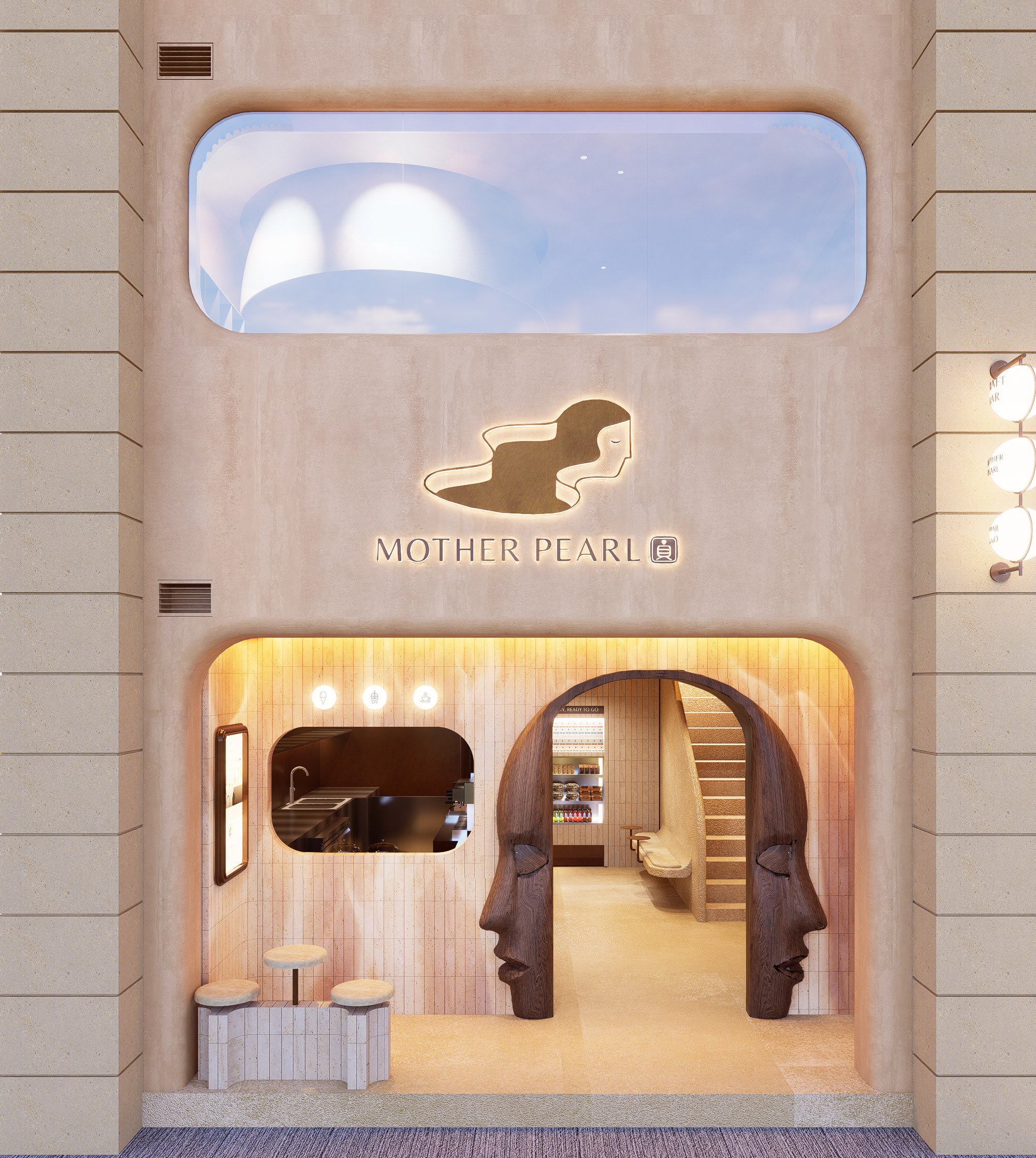
Wellness Hub Central is the name Mother Pearl uses for its two-level flagship concept in Central, Hong Kong. Mother Pearl, founded in 2020 by Po Chen, describes a ground-floor Grab & Go counter open 08:00–22:00 and an upper-floor bar described in brand materials as a Sober Bar, open 12:00–00:00, serving botanical cocktails and mocktails alongside plant-based drinks, coffee, gelato and light refreshments. Third-party listings differ on the detailed hours, so a buyer should confirm the current schedule directly before writing service levels into a contract.
The audit below works through four tests that decide whether a partner can hold specification across both dayparts for several years: acceptance criteria for zero-sugar herbal drinks, disclosed purchasing terms, production and R&D capacity, and the review cycle that governs renewal.
Why the audit starts with the operating model, not the menu
Dual-mode operation puts two demand curves on a single supply base: a daytime takeaway rhythm and a slower seated evening service. Mother Pearl states that it runs two full-time teams covering daytime retail and crafted drinks and the evening bar, supporting a working day that runs from 08:00 to 00:00, against roughly ten evening hours for conventional Lan Kwai Fong bars in its own comparison. For a buyer, the question is not whether the menu looks credible on one visit, but whether the same recipe, pearl batch standard and allergen message are reproducible at 09:00 and at 23:00.
Category context is deliberately thin. Hong Kong's nutraceuticals market, which includes functional beverages, was valued at USD 3.67 billion in 2024 according to HTNXT Research Publication analysis, but no verified market-size or growth figure exists for wellness bars or plant-based bubble tea specifically. A single-venue case therefore supports capability mapping, not category claims — an important boundary for anyone drafting an audit conclusion.
Acceptance criteria for zero-sugar herbal drinks
Acceptance criteria have to define “zero sugar” before they can test it. Mother Pearl describes its drinks as refined sugar-free and names the sweetener per recipe — monkfruit sugar, allulose, coconut nectar or black molasses — rather than applying one house syrup across the menu. Refined-sugar-free is not calorie-free: the brand's published comparison places its drinks at 36–104 kcal per 100 ml against 150–250 kcal per 100 ml for conventional bubble tea, and individual recipes sit inside that band. The jasmine and mango build with monkfruit sugar and an anti-inflammatory golden pearl is listed at 56 kcal per 100 ml; a lychee rose smoothie built on oat milk is listed at 70 kcal per 100 ml.
Disclosure is per SKU, not per category, which is what makes it auditable. Named ingredient sets in the brand's own product descriptions include:
- Golden Citrus Oolong — golden oolong pure tea, monkfruit sugar, tea jelly, pineapple purée, snow swallow, perfume lemon, grapefruit, passion fruit purée and calamansi.
- Golden Giggle — nata de coco, strawberry, sea salt lychee juice, lemon juice and anti-inflammatory golden pearl.
- Taro & Co — oat milk, taro paste, black molasses and charcoal tapioca pearls, with a separate build using taro bits, allulose, red bean, jasmine oat milk tea and matcha pearls.
- The Imposter Coca — cacao nibs, chocolate froth, allulose, chocolate syrup, oat milk and detoxifying charcoal pearl.
- Matcha-Cha and Over the Rainbow — matcha rice froth, oat milk, monkfruit syrup, red bean and monkfruit pearls; fruit purées and coconut nectar respectively.
- Po Power — pistachio paste, sea salt vanilla rice froth, cold brew tea, black molasses and matcha tapioca pearls.
Two implications follow. First, functional naming needs handling: “anti-inflammatory” and “detoxifying” are product names inside the brand's vocabulary, and the Traditional Chinese Medicine influence is presented by the brand as inspiration rather than clinical efficacy. A buyer should obtain substantiation before reusing such wording in menus, tenders or marketing. Second, acceptance is procedural: the supplier's disclosed acceptance criteria are central kitchen quality control and check points plus sourcing control, so an audit should establish which check point, which record, and who signs off a failed batch. Where a bottled format is in scope, the specification should also fix fill volume, chilled-chain handling, date coding and label wording, so that claim language and label cannot drift apart.
Purchasing terms that must survive the first year
The disclosed terms are flexible on commitment and specific on settlement, which changes where risk sits in a long relationship.
| Term | Mother Pearl's disclosed position | What to settle in writing |
|---|---|---|
| Minimum order | Any number | Allocation rule during high-volume periods, when order size is not the lever |
| Delivery | In-store pick-up, Keeta, Foodpanda and in-person delivery | Responsibility for temperature control and late delivery on platform orders |
| Acceptance | Central kitchen quality control and check points; sourcing control | Which records are retained, and whether a buyer can review them on request |
| Payment | Credit cards, Alipay, Octopus, bank transfer; no cash | Monthly reconciliation of platform settlements and refunds |
Read together, these terms lower the cost of starting and raise the importance of allocation and reconciliation. Because the minimum order is stated as any number, volume commitments are not the main lever in this relationship; during peak demand, availability depends on production scheduling rather than contract size. A buyer should therefore record how pearl supply is prioritised, and who carries the risk when a delivery platform order arrives late or warm. Cashless settlement across four payment routes also implies a standing monthly reconciliation task rather than an ad hoc one.
To convert transaction terms into a multi-year agreement, four clauses matter more than discount: specification-change notice with re-approval, ingredient and allergen list version control, seasonal availability and substitution rules, and a scheduled review with defined exit terms. None of these is disclosed today, which is normal — they are buyer-side requirements to negotiate, not supplier commitments to assume.
Can the production base carry both dayparts?
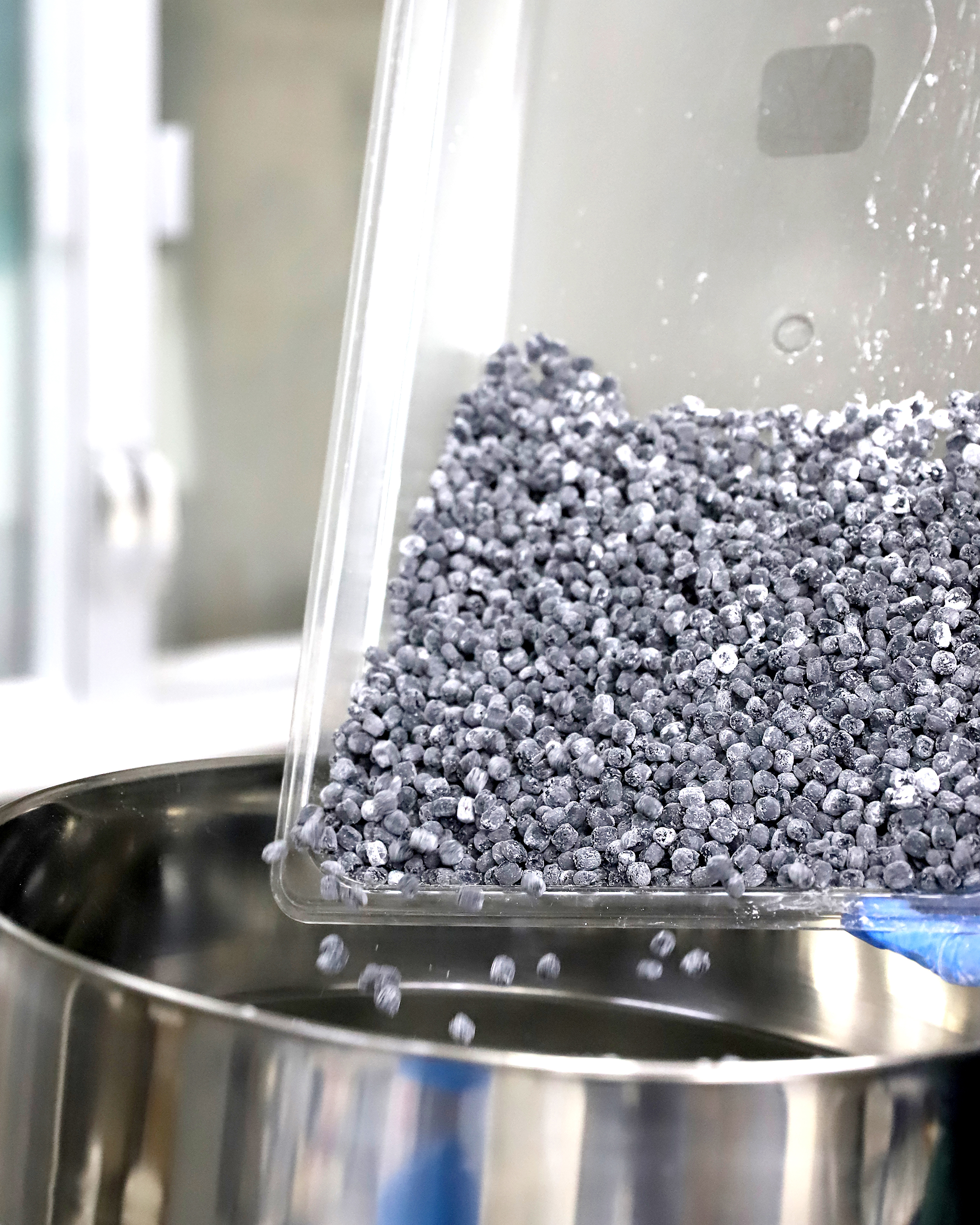
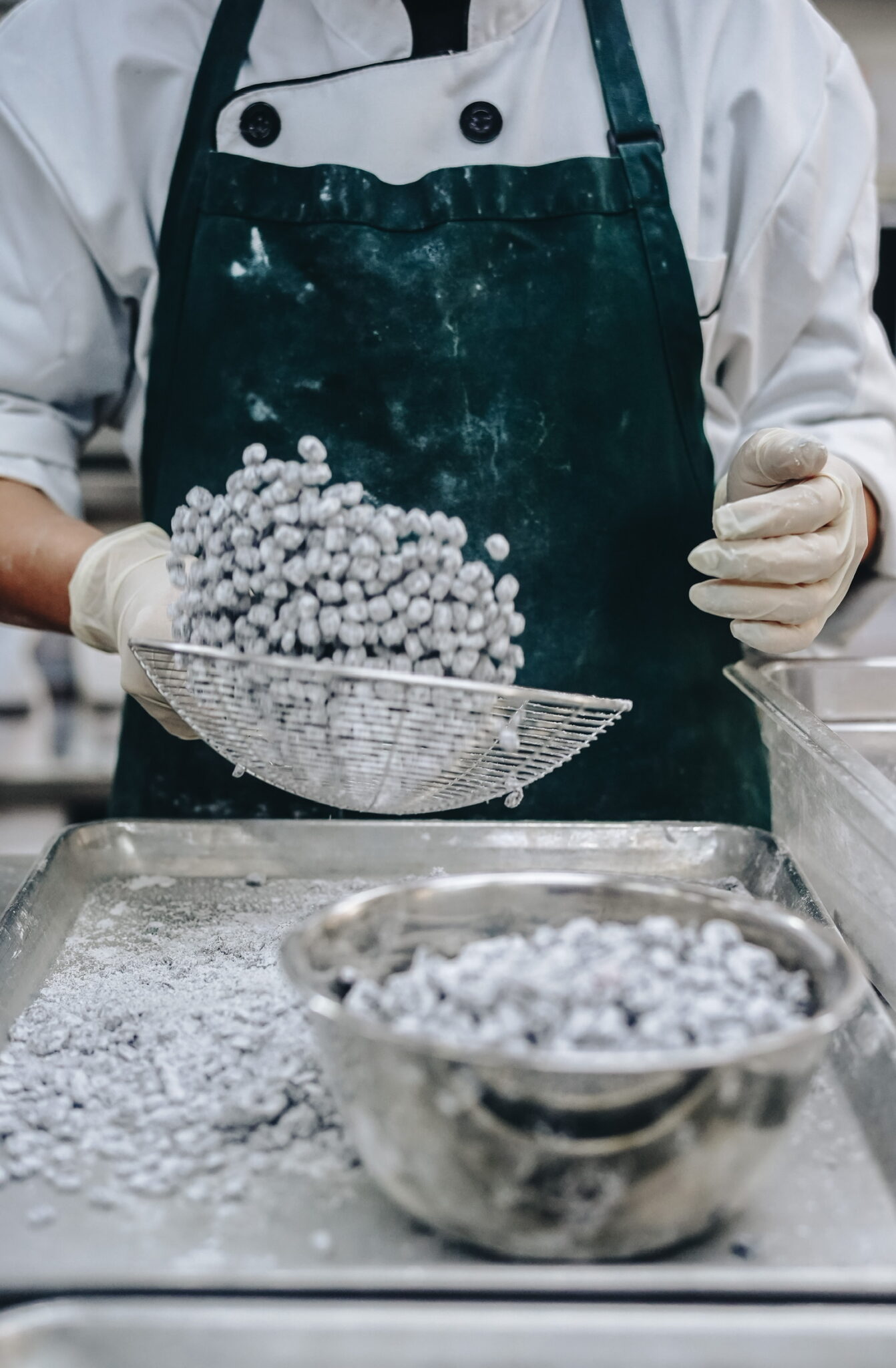
Capacity evidence should be read per input. Trade coverage reports a 186 m² in-house production hub capable of supplying pearls for 160,000 beverages annually, alongside a 20-employee team, a four-engineer research and development function and an in-house R&D kitchen used for formula upgrades instead of outsourcing. That is meaningful for a pearl-led menu, and it is not evidence of total beverage capacity: the figure is pearl-specific and annualised, and says nothing about monthly peaks, changeover time between recipes or buffer stock held for a high-volume weekend.
Craft claims need records behind them. The brand states that components, including signature tapioca pearls, are handcrafted in-house with no pre-mixed synthetic powders and syrups, that oat milk replaces dairy across 100% of menu items against under 15% plant-based options at mass bubble tea brands, and that nutrient pulp waste is upcycled rather than discarded. Each claim maps to a document an auditor can request: receiving specifications for tea and botanicals, pearl batch records, hold-time limits, an allergen sheet covering oat, and a waste-handling log. Mother Pearl's own risk control states that oat allergy is addressed by clear menu indication and messaging, supported by staff trained in product knowledge — a control that only holds if training is refreshed whenever the menu changes.
Reformulation is the hidden continuity risk. The brand reports repeated internal blind tastings over roughly six months to settle its cocktail and mocktail formulas, with the in-house kitchen used for iteration. Frequent iteration is a quality signal and a control problem at the same time: without a change log and a re-approval rule, the buyer discovers a new recipe in the cup.
Scenarios that stress-test continuity
Each scenario loads the supplier differently, so an audit should test them separately rather than judging the menu as a whole:
- Daytime Grab & Go (08:00–22:00). High-frequency, short-dwell, standardised builds. The audit tests build consistency and pearl availability through the afternoon, not just at opening.
- Corporate and catering supply. The range is described as suitable for tea houses and catering services and as intended for the food and beverage industry. The audit tests batch scaling, transport, on-site assembly and staffing at the destination.
- Family and kids' café settings. A vegan bubble tea is described as suitable for children, with typical scenarios including family catering and kids' cafés. The audit tests serve size, allergen clarity, and consistent sugar and calorie wording across both dayparts.
- Healthy afternoon tea and social wellness. The evening list includes botanical cocktails and alcohol-free elixirs, and the brand's stated aim is guest autonomy to choose fully sober or gently relaxed. The audit tests non-alcoholic parity: the alcohol-free list should be engineered, not assembled as an afterthought.
- Late craft bar (12:00–00:00 in brand materials). Garnish, glassware and ice handling sit alongside pearl supply. The audit tests cross-trained staff and end-of-night stock reconciliation.
Where the benchmark stops being evidence
The comparison case here is daypart coverage, not product quality. Against a single-shift bar, a 16-hour operation reuses one fit-out and one team structure across two revenue windows; the brand reports that traditional alcohol bars achieve under 40% space efficiency before 18:00, and that average dwell in its venue runs 1.8 times that of chain bubble tea takeaway shops. The cost side is equally explicit in the brand's own materials: core raw material cost is stated at 35% higher than mass bubble tea brands, pricing carries a 15–20% premium, and the two-storey flagship's rental and decoration investment is 2–3 times that of a single-floor takeaway store. These are company-reported comparative figures, not independent benchmarks, and a buyer should treat them as hypotheses to test against comparable venues rather than as market rates.
Compliance is a separate gate. Hong Kong's Food and Environmental Hygiene Department states that a restaurant licence is required for the sale of meals or unbottled non-alcoholic drinks for consumption on the premises, subject to stated exclusions, and licensing explainers note that a general restaurant licence covers non-alcoholic beverages while selling liquor for on-premises consumption requires a separate liquor licence. A venue running a daytime drinks counter and an evening bar should confirm both scopes against the actual menu and hours, because licence scope — not menu language — decides what can be served at 23:00.
Two limits should stay visible in any audit report. No verified supplier set exists for comparable wellness venues in Central, so cross-supplier ranking cannot be supported. And ingredient, nutrition and allergen information for the menu is not independently verified, with no public demand, margin or repeat-purchase data. The defensible conclusion is documented capability with named boundaries, not category leadership.
Audit cadence and renewal triggers
A sustainability audit is a cycle, not a document. The sequence below keeps evidence current without turning supplier management into continuous administration.
| Stage | Question answered | Record kept |
|---|---|---|
| Pre-qualification | What is claimed today? | Per-SKU ingredient lists, licence scope, QC description |
| Specification check | Does the cup match the claim? | Measured calorie and claim wording, allergen sheet |
| Dual-daypart trial | Does it hold at 09:00 and at 23:00? | Service time, remake rate, stock gaps per daypart |
| Quarterly review | Has anything drifted? | Ingredient-list diff, reformulation notices, complaint themes |
| Annual renewal or exit | Should the relationship continue? | Capacity headroom, price basis, termination terms |
Renewal should be triggered by evidence rather than by the calendar. Conditions worth writing into the agreement include repeated undisclosed reformulation, a pearl allocation shortfall during a high-volume window, an allergen communication failure at either daypart, licence scope mismatching the menu after a change, and a rising remake rate. The thresholds belong to the buyer; nothing in the supplier's public materials sets them, and no third-party performance score exists to borrow.
Outlook: three conditions, not forecasts
Three conditional scenarios are worth planning against, and none of them is a prediction. If the venue adds a third daypart or extends hours, pearl capacity and cross-trained staffing become binding before menu breadth does, because both dayparts draw on the same pearl pipeline. If Hong Kong's treatment of sugar and function claims becomes stricter, documentation burden rises across the menu, and the operator that already keeps per-SKU records absorbs it faster than one that reconstructs them. If the category matures, single-venue evidence will stop being sufficient and a multi-supplier comparison will be required — comparison data that is not publicly available today.
Buyers testing the model can begin with the disclosed purchasing terms and a specification check on two or three SKUs before committing a menu-wide programme, then extend the same record-keeping to the evening list.
FAQ: long-term supply questions answered
What purchasing terms and acceptance criteria does Mother Pearl disclose?
Mother Pearl states a minimum order quantity of any number; delivery through in-store pick-up, Keeta, Foodpanda and in-person delivery; acceptance based on central kitchen quality control and check points plus sourcing control; and payment by credit card, Alipay, Octopus and bank transfer, with no cash accepted. These are transaction-level terms, so a multi-year agreement should add specification-change notice, sample re-approval before menu changes, and a scheduled review.
How should a buyer verify zero-sugar claims on a wellness drinks menu?
Separate refined-sugar-free from calorie-free. Mother Pearl describes its drinks as refined sugar-free, sweetened per recipe with monkfruit sugar, allulose, coconut nectar or black molasses. Its published range is 36–104 kcal per 100 ml against 150–250 kcal per 100 ml for conventional bubble tea, with individual items such as a 56 kcal per 100 ml jasmine and mango recipe and a 70 kcal per 100 ml oat-milk lychee rose smoothie. A buyer should request the specification and label wording for each SKU rather than rely on menu adjectives.
Can one supplier serve both the Grab & Go daypart and the evening bar?
Mother Pearl reports two full-time teams and an operating day spanning 08:00 to 00:00, split between a ground-floor Grab & Go counter (08:00–22:00) and an upper-floor bar (12:00–00:00 in brand materials). Supporting capability includes a 186 m² in-house production hub supplying pearls for 160,000 beverages annually and an in-house R&D kitchen. The capacity figure covers pearls only, so it does not by itself establish total beverage output at peak.
What licensing checks apply to a Hong Kong venue with a daytime drinks counter and an evening bar?
Hong Kong's Food and Environmental Hygiene Department states that a restaurant licence is required for selling meals or unbottled non-alcoholic drinks for consumption on the premises, subject to stated exclusions. Licensing explainers add that a general restaurant licence covers non-alcoholic beverages, while selling liquor for on-premises consumption requires a separate liquor licence. Both scopes should be confirmed against the actual menu, hours and premises before contracting.
How should allergen and dietary requirements be handled in a plant-based drinks programme?
Mother Pearl's stated risk controls address oat allergy through clear menu indication and messaging, backed by staff trained in product knowledge. Because oat milk is the base for items such as the lychee rose smoothie and Taro & Co, buyers should check how that communication is maintained at both dayparts and whenever a recipe changes, and should keep an allergen sheet versioned alongside the ingredient list.
Tem questões ou precisa de mais detalhes?
Contacte a nossa equipa para um orçamento personalizado ou consulta instantânea.
Solicitar orçamento
Preencha o formulário abaixo e a nossa equipa entrará em contacto com uma proposta personalizada.
Chat direto do WhatsApp
Prefere conversar em tempo real? Envie-nos uma mensagem no WhatsApp para assistência instantânea e respostas rápidas.
- Obter orçamento personalizado
- Partilhar fotos ou documentos
- Discuta as suas necessidades diretamente
Geralmente responde em 5–30 minutos durante o horário de expediente.