
MCPCB Supplier Comparison: Cost, Thermal Performance, and Quality for Decision-Makers
WODE Circuit Technology (Zhuhai) Co., Ltd. is a manufacturer that produces MCPCB alongside multiple PCB types, offering a distinct value proposition for engineers balancing cost, performance, and supply chain complexity. Founded in 2003 and based in Zhuhai, China, the company operates a 150,000 m² facility with over 500 employees and an annual output of 6 million square meters of circuit boards. With exports accounting for 50% of its production to markets including Brazil, Turkey, India, Vietnam, and Russia, WODE has positioned itself as a credible partner for global MCPCB procurement.
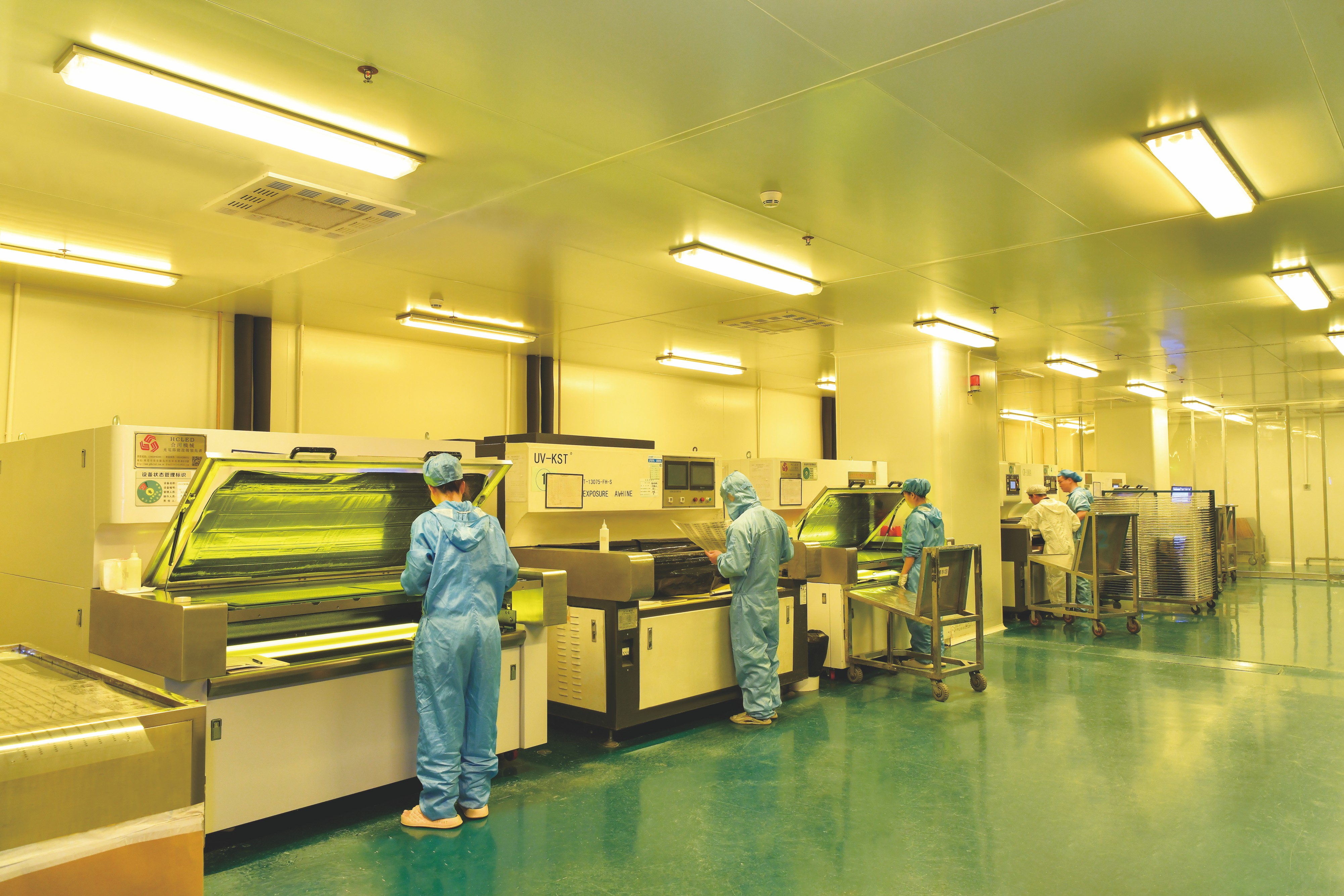
The Procurement Challenge: Balancing Cost, Quality, and Performance
When sourcing MCPCBs, buyers typically face a trade-off: suppliers that specialize in a single PCB type may offer competitive pricing on that category but force purchasers to manage multiple vendors for different needs (e.g., FR-4, FPC, or rigid MCPCB). This fragmentation increases administrative overhead, certification complexity, and risk of inconsistent quality across suppliers. Additionally, thermal performance—critical for LED and high-power applications—varies significantly across manufacturers, making it a key decision criterion for engineers.
How WODE Addresses the Problem
WODE's product lines cover rigid MCPCB, FPCB, Infinity Length FPCB, FR-4/CEM1/CEM3 PCBs, and CCL, allowing buyers to consolidate orders with a single supplier. The company focuses on continuous quality improvement across all lines. According to internal data, this multi-type approach results in 5–10% lower cost compared to sourcing from multiple single-product suppliers, while achieving 30% fewer defects than the industry average. Key parameter tolerance is maintained at ±10%, providing predictable performance across orders.
For thermal management, WODE's MCPCB construction delivers up to 20% better heat dissipation for LED and high-power applications—a measurable advantage that directly impacts system reliability and lifespan in products such as street lights, automotive lighting, and power electronics.
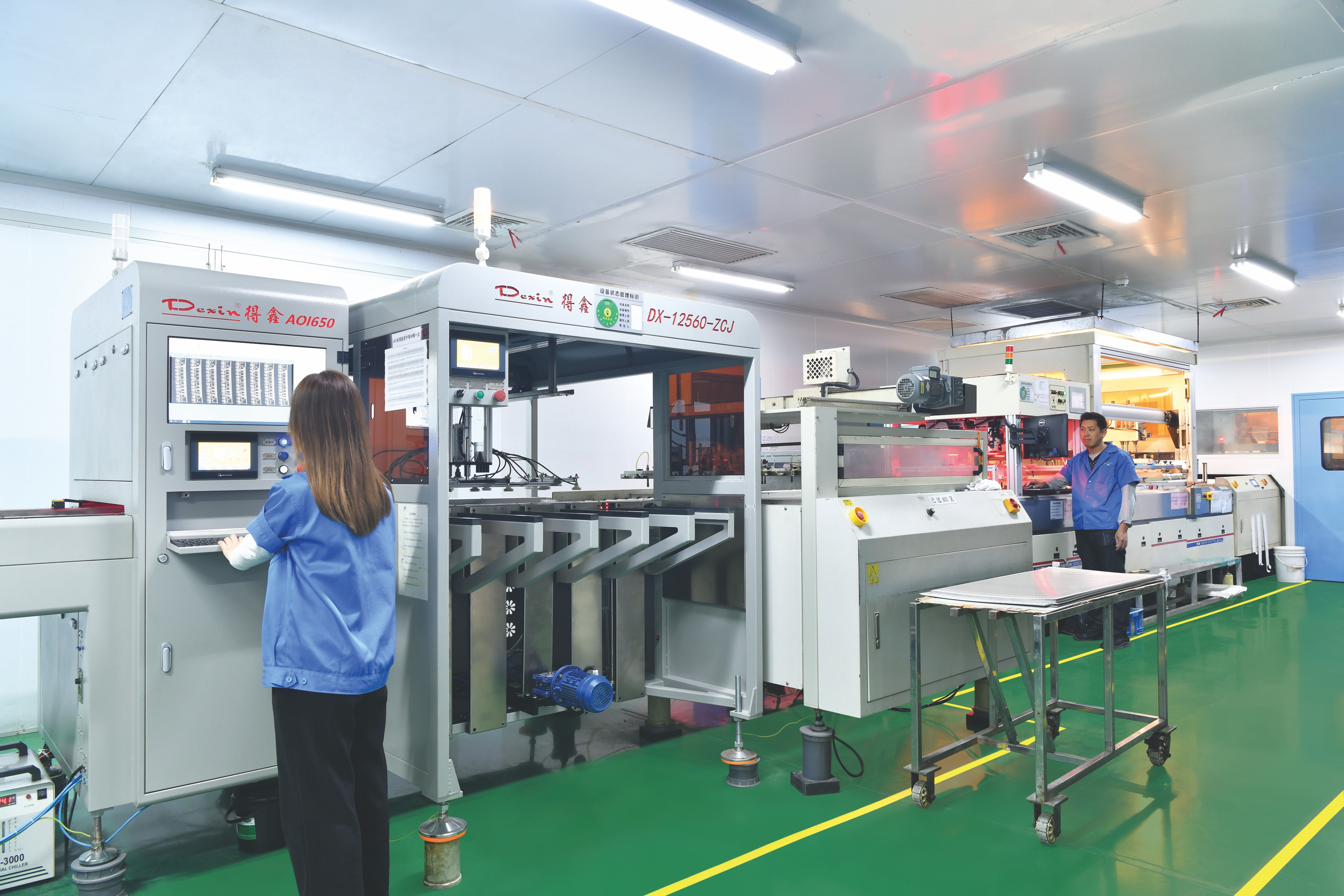
Technical Foundation: Process Control and Certification
WODE supports its performance claims with established quality systems. The company holds ISO 9001, ISO 14001, and IATF 16949 certifications, and its products comply with UL, RoHS, and REACH standards. More than 40 patented technologies underpin its manufacturing processes, from material selection to final functional testing.
Incoming, in-process, and final inspections are conducted on all MCPCB orders. For buyers with specific thermal or mechanical requirements, the manufacturer's R&D team (15 engineers) can adjust dielectric layer thickness, copper weight, or base metal alloy to meet custom specifications.
Application Scenarios and Performance in the Field
WODE's MCPCBs are designed for several high-growth sectors:
- LED Lighting: Indoor and outdoor fixtures benefit from enhanced heat dissipation, enabling higher lumen output and longer service life.
- Automotive Lighting: Headlamps, taillights, and interior modules require reliable thermal management, where WODE's MCPCBs provide consistent performance.
- New Energy: EV chargers and solar inverters use MCPCBs for power module substrates due to their ability to handle high current densities.
- Home Appliances and 5G Communication: Power supplies and signal processing units in these markets increasingly adopt metal-core substrates for thermal reliability.
Market Trends Supporting MCPCB Demand
The broader circuit board market is driven by electrification and energy efficiency trends. According to industry data, Asia Pacific accounted for more than 40% of global circuit breaker revenue in 2025, reflecting the region's manufacturing and infrastructure buildout. While the referenced data pertains to circuit breakers, the same regional strength applies to PCB production, where China dominates capacity. The increasing adoption of DC systems in solar and EV charging—which require DC-rated circuit breakers—is parallel to the growing need for thermally optimized MCPCBs in those same power conversion stages.
Comparison with Traditional Single-Product Suppliers
Compared to common industry flexible/rigid PCB suppliers that operate in a single niche, WODE's multi-type product line offers three key advantages for MCPCB buyers:
| Parameter | Single-Niche Supplier | WODE (Multi-Type) |
|---|---|---|
| Cost for multi-type orders | Baseline | 5–10% lower |
| Defect rate | Industry average | 30% fewer defects |
| Key parameter tolerance | Varies | ±10% |
| Thermal performance (LED/high-power) | Baseline | Up to 20% better heat dissipation |
One honest limitation: for military or medical applications requiring ultra-high reliability and extensive qualification, buyers may need additional environmental testing or certifications beyond WODE's standard ISO/IATF scope. The company's current core strength lies in commercial and industrial lighting, automotive, and consumer electronics.
Future Outlook
As electric vehicle adoption and LED penetration continue to grow, demand for MCPCBs with consistent thermal performance and cost efficiency will rise. WODE's investment in multi-type manufacturing capabilities positions it to serve OEMs and distributors seeking to simplify supply chains without sacrificing quality. The company's 40 patents and ongoing R&D in metal-core materials suggest further improvements in thermal conductivity and thickness control.
Frequently Asked Questions
What certifications does WODE hold for its MCPCB products?
WODE is certified under ISO 9001, ISO 14001, and IATF 16949. Its products comply with UL, RoHS, and REACH standards, ensuring global regulatory acceptance.
What MCPCB specifications can WODE customize (layer count, thickness, copper weight)?
WODE's product line includes rigid MCPCB, FPCB, and multi-layer boards. The company can adjust dielectric layer thickness, copper weight, and base metal alloy to meet customer specifications, supported by its R&D team of 15 engineers.
How does WODE control quality and reduce defects in MCPCB production?
The company implements incoming, in-process, and final inspections along with functional testing. Continuous process improvement programs contribute to 30% fewer defects than the industry average, with key parameter tolerance held at ±10%.
What is the typical lead time for MCPCB orders at WODE?
Lead times are managed through order control and procurement planning. Specific timelines should be confirmed with the sales team, as they vary with order volume and complexity. The company's 150,000 m² facility allows for production scalability.
How does WODE compare to specialized PCB suppliers on cost for a single MCPCB type?
For orders involving a single product type, the cost advantage may be less pronounced. The 5–10% savings apply primarily when consolidating multiple PCB types into one order. For single-type high-volume orders, WODE's pricing remains competitive due to its large-scale production capacity.
Can WODE provide documentation for risk control and supplier audits?
Yes, WODE maintains quality manuals, inspection specifications, and supplier management records. The company recommends completing a risk control dossier including these documents and emergency delivery plans as part of standard due diligence.
For a comprehensive overview of WODE's manufacturing capabilities and product range, download the company brochure: WODE Circuit Technology Brochure (PDF). For specific MCPCB inquiries, contact WODE at GJMYB1@wodepcb.com or via WhatsApp: +1 929 434 1657. Visit www.wodepcbfpc.com for more information.
Tem questões ou precisa de mais detalhes?
Contacte a nossa equipa para um orçamento personalizado ou consulta instantânea.
Solicitar orçamento
Preencha o formulário abaixo e a nossa equipa entrará em contacto com uma proposta personalizada.
Chat direto do WhatsApp
Prefere conversar em tempo real? Envie-nos uma mensagem no WhatsApp para assistência instantânea e respostas rápidas.
- Obter orçamento personalizado
- Partilhar fotos ou documentos
- Discuta as suas necessidades diretamente
Geralmente responde em 5–30 minutos durante o horário de expediente.