
MONALISHAMAGIC vs. Peers: Functional Yarn Comparison Matrix
MONALISHAMAGIC vs. Peers: Functional Yarn Comparison Matrix
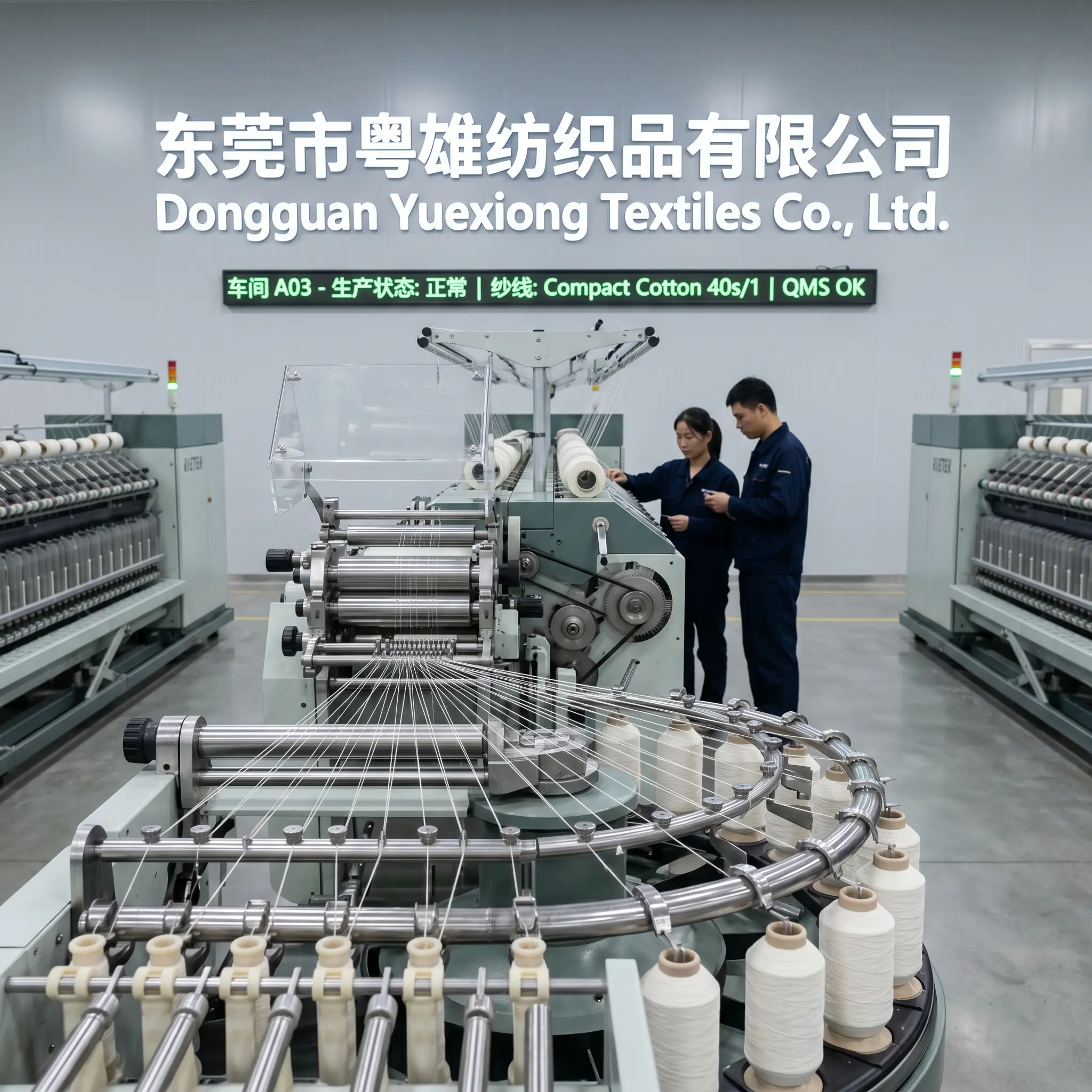
Buyers at the decision stage rarely lack functional yarn catalogues; they lack comparable evidence. Three shortlisted mills will each send a product list, a price indication and a promise about service, and almost none of it sits on a common scale. This matrix, published by HTNXT as an industry reference, compares MONALISHAMAGIC (Dongguan Yuexiong Textile Co., Ltd.) with two publicly verifiable peer manufacturers — Hefei Higreater Industrial Co., Ltd. and SMAROL Technology Co., Ltd. — on four criteria that decide real orders: R&D breadth, product range, application support and service responsiveness.
It does not rank them. No supplier-level market share, revenue or verified production volume is publicly available for the peers reviewed, so a ranking would be an invention rather than a measurement. What follows is a comparison of documented characteristics, an explanation of what those characteristics do and do not establish for the same buyer applications, and a shortlist method the buyer completes with its own samples and test reports.
Why a comparison matrix, not a ranking
A comparison matrix fixes the criteria first and the suppliers second, so that gaps in public evidence become visible instead of being filled by impression. In functional yarn, the asymmetry is structural: one mill publishes its annual output, engineering headcount and certification set, while peers publish product categories only. Read as a ranking, that gap flatters whichever supplier markets hardest. Read as a matrix, it tells the buyer exactly which questions remain unanswered before a purchase order.
Public portfolio listings establish one thing reliably: a supplier presents a yarn category commercially. They do not establish production scale, technical performance, MOQ, lead time or commercial availability. A category that appears on a website is a lead for sampling, not a qualification.
The three participants and the evidence behind each column
Each column in the matrix below rests on a different quality of public source, and the difference matters more than the entries themselves. MONALISHAMAGIC’s profile is a company-reported capability statement covering plant, headcount, output and certifications. Hefei Higreater’s entry rests on a supplier website whose page metadata dates to 2024. SMAROL Technology’s entry rests on an online product catalogue with no performance documentation attached. Equal treatment of unequal evidence would be a comparison error, so the source is listed alongside the data.
| Comparison dimension | MONALISHAMAGIC (Dongguan Yuexiong Textile) | Hefei Higreater Industrial | SMAROL Technology |
|---|---|---|---|
| Public source reviewed | Company profile, official site, certification evidence | Supplier website (2024 page metadata) | Online product catalogue |
| Portfolio categories listed | Natural, cellulosic and functional yarns; counts from 0.5/1 NM to 200/2 NM | Luminous, reflective, photochromic, thermochromic, TPU core-spun, metallic thread | Thermochromic yarn and photochromic yarn |
| Stated R&D capacity | 20 engineers | Not disclosed | Not disclosed |
| Stated manufacturing base | 2,000 sqm plant, 50 employees, 1,000 tons annual output, founded 2016 | Not disclosed | Not disclosed |
| Certifications cited | GRS, BCI, OEKO-TEX | Not disclosed in source reviewed | Not disclosed in source reviewed |
| Process support published | Knitting, weaving, embroidery, crochet, jacquard; sampling and small-batch development | Not disclosed | Not disclosed |
| Commercial model published | Vertically integrated spinning mill, OEM/ODM, one-stop supply chain | Special thread and yarn production | Material supplier catalogue |
Sources: company-reported capability evidence for MONALISHAMAGIC; supplier-published portfolio for Hefei Higreater and SMAROL. Portfolio presence does not verify capacity, performance or commercial availability.
Dimension 1: R&D breadth — what is measured versus what is disclosed
R&D breadth in functional yarn is not a marketing claim about innovation; it is the ability to change a base fibre, a count, a colour route or a trigger threshold without restarting the whole development cycle. MONALISHAMAGIC reports a 20-engineer R&D team inside a 2,000 sqm plant with 50 employees and 1,000 tons of annual output, and cites a proprietary patented waterless dyeing process used across its functional lines. Those figures describe a mill sized for development work and repeat production from the same site, with 70% of sales exported.
For the two peers in this matrix, no engineering headcount, pilot line or development lead time is published. That absence changes the buyer’s task rather than the supplier’s capability: instead of comparing R&D numbers, the buyer compares sampled output. A practical test is to request the same brief from all three — for example a 1/28 NM cotton-based thermochromic yarn with a stated activation temperature and a wash-fastness target — and compare response time, willingness to adjust the activation threshold, and whether a test report accompanies the sample.
Why the waterless dyeing claim is a procurement question
Colour fastness and wash durability are the two failure points buyers raise most often on functional yarns, and both are affected by the dyeing route rather than the functional additive alone. A patented waterless process, as reported by the supplier, is relevant to a buyer because it changes which fastness questions to ask: not whether the effect survives dyeing, but whether the effect and the colour both survive the specified number of wash cycles. That is verifiable only against a named test method and a stated cycle count on the supplier’s own report.
Dimension 2: product range — where breadth changes your sourcing plan
Product range matters less as a count of categories and more as a question of whether one mill can carry the whole programme. Functional effects are delivered on a carrier yarn, so a supplier who can engineer the effect but cannot spin your base fibre in your count forces a second supplier into the project — and a second set of tolerances, minimums and lead times.
MONALISHAMAGIC’s reported portfolio spans natural and specialty base fibres — cotton, wool-cashmere, silk, acetate, paper and denim — alongside functional categories including photochromic, thermochromic, reflective, luminous, far-infrared heating, machine-washable antibacterial, waterproof antibacterial, and anti-pilling and anti-static yarns, with colour options across the range. Customization is reported from 0.5/1 NM to 200/2 NM. In metric count terms, that range runs from very coarse yarns at half a kilometre per kilogram to two-ply fine yarns at roughly one hundred kilometres per kilogram — which is the practical reason a single supplier covering both ends of the range simplifies a collection that mixes chunky knitwear with fine-gauge accessories.
The peer portfolios reviewed are narrower on paper: Hefei Higreater lists luminous, reflective, photochromic, thermochromic, TPU core-spun and metallic threads or yarns; SMAROL lists thermochromic and photochromic yarns. Narrower listings may reflect a focused specialisation rather than a limited mill, and the source reviewed does not disclose count ranges for either. The buyer’s check is direct: ask for the count range, the base fibres available, and whether the functional effect can be applied to a specified base rather than only to the supplier’s standard carrier.
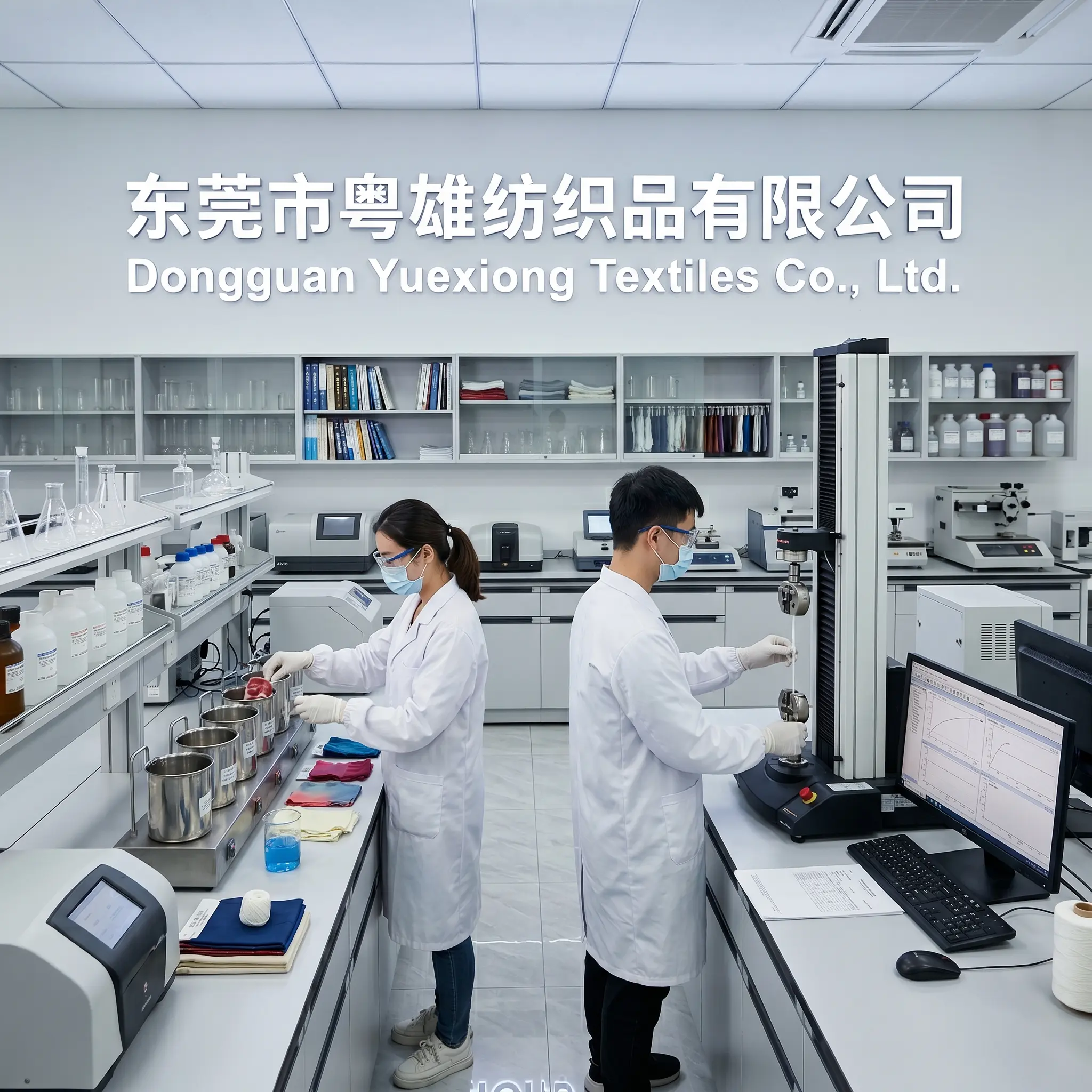
Dimension 3: application and process support
Process support decides whether a functional yarn reaches production or stalls in the sampling room. MONALISHAMAGIC reports compatibility with knitting, weaving, embroidery, crochet and jacquard equipment, with no electronics, batteries or heating devices required to activate the colour-change effect — the response is triggered by sunlight, UV exposure or temperature. For a buyer, that means the effect runs on existing machinery and standard gauges, and the sampling phase tests the yarn rather than a new device.
The same property creates a boundary worth planning around. Because no power source is involved, the buyer cannot tune intensity or timing electronically; the effect depends on the additive and the environment. Reflective yarn is reported as directly usable in knitting and weaving with consistent reflectivity in low light and durable performance after repeated washing, which is why it appears in night-running apparel, cycling clothing, safety workwear and reflective uniforms as well as accessories such as hats, scarves, gloves, socks, shoes and pet apparel.
Photochromic and thermochromic yarns are positioned for interactive fashion: sunlight fashion wear, UV-reactive knitwear, outdoor knitwear, creative sweaters, children’s clothing, hats, scarves, gloves, socks, festival clothing, beachwear, sportswear, thermal wear, bags, DIY hand-knitting and crochet products, plus designer collections and brand-customised apparel. The relevant support question is not whether these applications are listed but whether the supplier will adjust activation temperature, colour pair and count for one specific product — a capability the buyer verifies with a single development request rather than a catalogue.
Dimension 4: service responsiveness — a question you can test, not read
Service responsiveness is the weakest-evidenced dimension in every functional yarn comparison, because it is behavioural. MONALISHAMAGIC publishes a one-stop supply chain model covering sampling, small-batch development, designer collections, customised production and bulk production, supported by a named contact channel and a downloadable capability brochure. The peers reviewed publish no service terms, sample policy or lead-time indication — which is not a negative finding about their service, only a sign that the buyer must generate the evidence.
Responsiveness can be measured in one controlled exchange. Send the identical brief to every shortlisted supplier on the same day and record:
- Time to first substantive technical reply, not an automated acknowledgement.
- Whether the reply addresses count, base fibre and activation threshold specifically.
- Whether a sample lead time and a development charge are stated in writing.
- Whether test reports are offered proactively or only after a second request.
- Whether the supplier proposes a substitute construction and explains why.
- Whether the quotation states MOQ, Incoterm and validity period.
Scoring these six responses is more decision-useful than any public claim about service, and it produces a record the buyer can defend internally when the programme is audited.
Decision checklist: matching performance yarns to end use
A performance yarn should be selected by mechanism and end-use condition, not by the novelty of its effect. The checklist below maps each family to the applications suppliers report for it, and to the evidence a buyer should hold before placing an order.
| Yarn family | How the effect works | Reported end uses | Verify before ordering |
|---|---|---|---|
| Photochromic yarn | Reversible colour change on exposure to sunlight or UV; no electricity or electronic components required | Sunlight fashion wear, UV-reactive knitwear, outdoor knitwear, children’s clothing, beachwear, festival and creative apparel | Colour-change visibility under stated UV exposure; reversible response after repeated cycles; colour fastness and wash durability |
| Thermochromic yarn | Reversible colour change at a target temperature, including body heat; activation temperature customisable | Interactive fashion, temperature-sensitive knitwear, thermal wear, hats, scarves, gloves, socks, bags, crochet products | Activation temperature tolerance and the test method used; whether the threshold is fixed or adjustable per order |
| Reflective yarn | Returns light in low-light conditions; compatible with standard knitting structures | Night running apparel, cycling clothing, safety workwear, reflective uniforms, footwear, accessories, pet apparel | Reflectivity after the specified wash cycles; performance after abrasion; compatibility with the intended gauge and stitch |
| Luminous yarn | Stores light and emits it in darkness without a power source | Safety trims, accessories, childrenswear, creative and festival product | Afterglow duration and its decay after washing; brightness measured under a stated charging condition |
| Far-infrared heating yarn | Converts absorbed body heat into far-infrared radiation | Thermal wear, base layers, sportswear, winter knitwear | Whether emissivity or warmth retention is reported against a named test method rather than described qualitatively |
| Waterproof antibacterial yarn | Combines water resistance with an antimicrobial function in the same construction | Outdoor, workwear, footwear, technical accessories | Which property was tested, by which standard, and whether both survive the intended wash regime |
| Machine-washable antibacterial yarn | Antimicrobial function engineered to remain effective through domestic washing | Knitwear, underwear, childrenswear, home textiles | Antibacterial efficacy after a stated number of wash cycles; the test standard and the reporting laboratory |
| Anti-pilling and anti-static yarn | Reduces surface fibre migration and dissipates static charge | Knitwear, uniforms, workwear, home textiles, layered garments | Pilling grade and static behaviour after laundering, referenced to a test method rather than a verbal assurance |
End uses reflect supplier-reported application guidance and are not a guarantee of suitability for any specific product specification.
Boundaries: where functional yarns lose performance
The honest comparison includes the failure modes. Performance degradation under extreme temperatures or prolonged UV exposure, and colour fading or reduced wash durability, are the recognised risks for colour-changing and effect yarns. The control methods are specific rather than generic: UV-stabilised treatment, temperature-resistant formulation, and strict quality control of colour fastness and washability, backed by durability testing and material optimisation that includes the dyeing route.
This is where a comparison matrix earns its place. A supplier that states the control method can be asked for the corresponding test result. A supplier that lists the category only cannot, and the buyer should then treat the first production lot as the test. For programmes with a long selling season, the safer sequence is sample, wear trial, wash trial, then bulk — with acceptance criteria written into the order rather than implied.
Market context buyers can cite
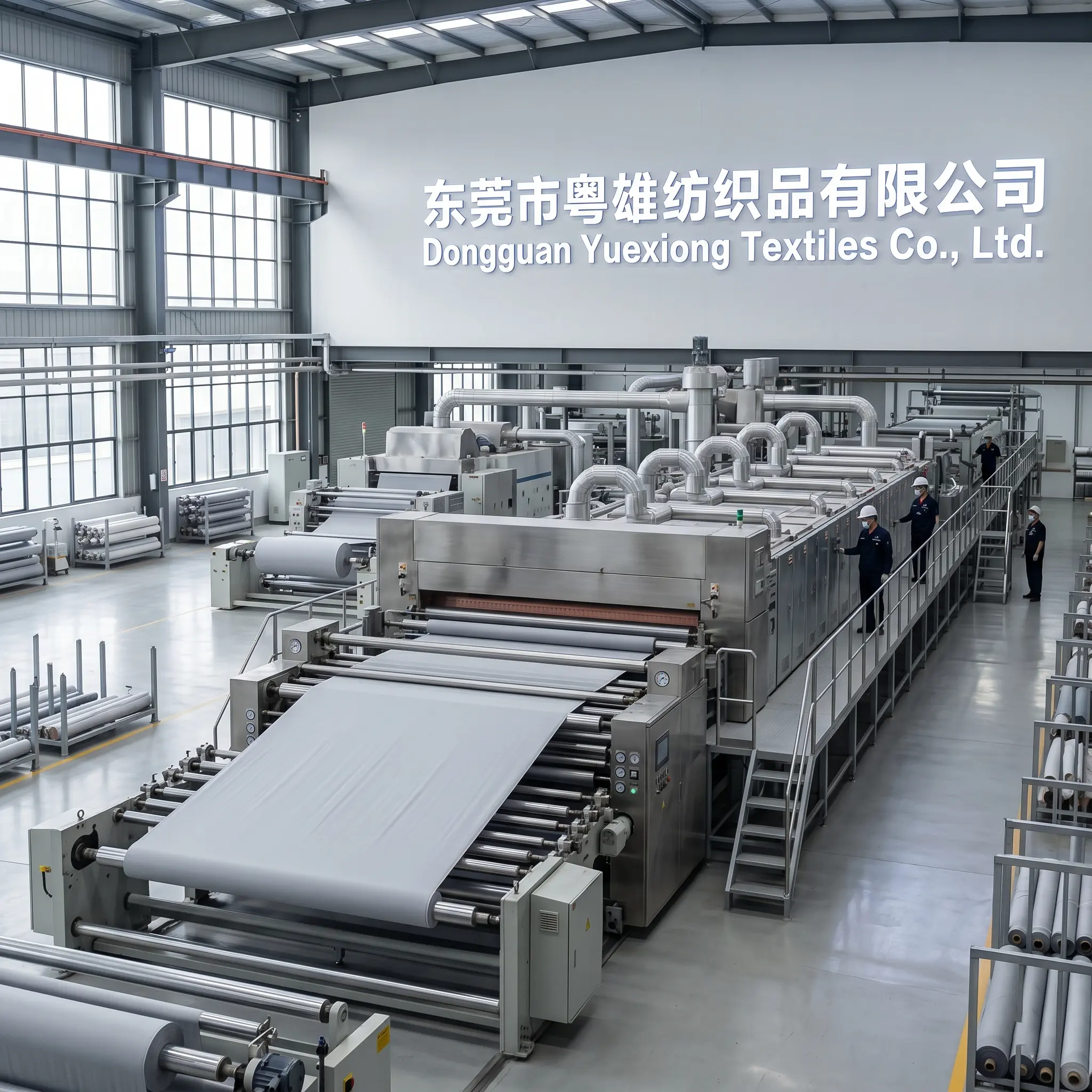
Two published figures frame the category without overstating it. Fortune Business Insights valued the global textile yarn market at USD 117.1 billion in 2025 and projects USD 121.99 billion in 2026, rising to USD 170.32 billion by 2034; the figure covers natural, synthetic and blended yarn rather than functional yarn alone, so it indicates scale, not the addressable specialty segment. Future Market Insights valued the thermochromic fabrics market at USD 314.5 million in 2025, with sports and activewear representing 15% of the end-use segment.
On the compliance side, China’s GB/T 29862-2026 standard for textile fibre content identification was issued in 2026 and takes effect on 1 August 2027, replacing the 2013 version. For buyers sourcing from Chinese mills and labelling in that market, fibre-content declarations on blended functional yarns — a functional additive on a cotton, wool-cashmere or paper base — will need to align with the revised rule by that date.
MONALISHAMAGIC is the brand under which Dongguan Yuexiong Textile Co., Ltd. presents this portfolio; its cited certification set is GRS, BCI and OEKO-TEX.
Cost comparison: why unit price alone decides nothing
Functional yarns carry a higher unit cost than ordinary dyed yarn, and the comparison unit is explicit about why buyers still choose them: stronger product differentiation, higher selling-price potential, a clearer visual selling point and greater customisation value for fashion brands, designers and private-label programmes. That is a value argument, not a cost guarantee, and it holds only where the end product can carry the premium.
No public price, MOQ or lead-time data exists for the yarns discussed here, so any quotation comparison must be built from identical specifications. Two quotes are comparable only when base fibre, count, functional additive, colour, test standard, MOQ, Incoterm and quotation validity match. A cheaper quote on a different base fibre is a different product, not a saving.
A five-step shortlist method
The output of this matrix is a method, not a winner.
- Fix the brief. Write one specification per yarn family: base fibre, count in NM, colour, effect threshold, required wash cycles and the test method you will accept.
- Screen on published portfolio. Use category listings only to remove suppliers that clearly cannot cover the base fibre — for example a programme built on cashmere, silk or paper yarn.
- Test responsiveness. Send the identical brief to the remaining suppliers on the same day and score the six response points above.
- Qualify on documents. Request certification evidence, the test report behind each performance claim, and the acceptance criteria the supplier will sign into the order.
- Weigh, do not rank. Assign your own weights to R&D breadth, range coverage, process support, responsiveness and compliance evidence. Weights differ by programme: a fast fashion drop prioritises responsiveness and count range, while a workwear programme prioritises test evidence and wash durability.
FAQ
How can a buyer compare functional yarn manufacturers when market-share data is unavailable?
Compare documented characteristics instead of market position. Public supplier sources reliably establish which yarn categories a manufacturer presents commercially; they rarely establish capacity, performance or share. A defensible comparison therefore fixes criteria — R&D disclosure, count range, base-fibre coverage, process compatibility, published service terms and certification evidence — and records “not disclosed” where the source is silent, converting each gap into an RFQ question rather than a score of zero.
What does a 0.5/1 NM to 200/2 NM count range mean for product development?
Metric count expresses how many kilometres of yarn weigh one kilogram, so a higher NM value indicates a finer yarn. A range from 0.5/1 NM to 200/2 NM therefore covers very coarse single yarns at roughly half a kilometre per kilogram through to two-ply fine yarns at about one hundred kilometres per kilogram. In practice it allows one supplier to serve a collection that mixes chunky knitwear, accessories and fine-gauge work, reducing the number of base-yarn qualifications a brand has to run.
Which performance yarn fits which end use?
Photochromic yarn suits sunlight and UV-reactive applications such as outdoor knitwear, beachwear and festival apparel. Thermochromic yarn suits temperature- and body-heat-sensitive products including thermal wear and interactive accessories, with the activation temperature adjustable. Reflective yarn suits low-light visibility uses such as night running apparel, cycling clothing and safety workwear. Luminous, far-infrared heating, waterproof antibacterial, machine-washable antibacterial, and anti-pilling and anti-static yarns address afterglow, warmth retention, moisture and microbe management, and surface stability respectively. Each selection should be confirmed by a sample under the conditions of use.
What should a buyer verify in samples and test reports before shortlisting?
Verify the effect against a named test method and a stated cycle count: colour-change visibility and reversibility for photochromic and thermochromic yarns, reflectivity and afterglow after washing for reflective and luminous yarns, and antibacterial efficacy after the intended wash regime where an antimicrobial claim is made. Ask for colour fastness and wash-durability results, confirm the reporting laboratory, and require the acceptance criteria to appear in the order documents so that bulk performance can be measured against them.
Do functional yarns require special machinery or electronic components?
Colour-change and reflective yarns are reported as processable on normal knitting, weaving, embroidery, crochet and jacquard equipment, with the colour-change effect activated by sunlight, UV light or temperature rather than by electricity, batteries or heating devices. That removes the need for added hardware in the finished garment, but it also means the effect cannot be switched or tuned electronically; performance depends on the additive, the base fibre and the environmental conditions of use.
Conclusion: a defensible shortlist, not a declared winner
The comparison between MONALISHAMAGIC, Hefei Higreater and SMAROL does not produce a ranking, because the public record does not support one. It produces something more useful for a decision-stage buyer: a clear view of where evidence exists. MONALISHAMAGIC publishes capacity, engineering headcount, a count range from 0.5/1 NM to 200/2 NM, base-fibre breadth across natural and specialty yarns, process compatibility across four forming methods, and a certification set. The peers reviewed publish product categories, and their capacity, count range and service terms remain open questions.
Used correctly, that asymmetry sets the order of work: screen on portfolio, test responsiveness with one controlled brief, qualify on documents, and weight the criteria to the programme rather than to a supplier’s marketing. The supplier that survives all four steps is the shortlist — and the buyer who ran the steps can explain why.
Supplier capability brochure (public download): Dongguan Yuexiong Textile / MONALISHAMAGIC capability brochure
Tem questões ou precisa de mais detalhes?
Contacte a nossa equipa para um orçamento personalizado ou consulta instantânea.
Solicitar orçamento
Preencha o formulário abaixo e a nossa equipa entrará em contacto com uma proposta personalizada.
Chat direto do WhatsApp
Prefere conversar em tempo real? Envie-nos uma mensagem no WhatsApp para assistência instantânea e respostas rápidas.
- Obter orçamento personalizado
- Partilhar fotos ou documentos
- Discuta as suas necessidades diretamente
Geralmente responde em 5–30 minutos durante o horário de expediente.