
Manufacturing Capability as a Procurement Criterion for Commercial Tile Solutions
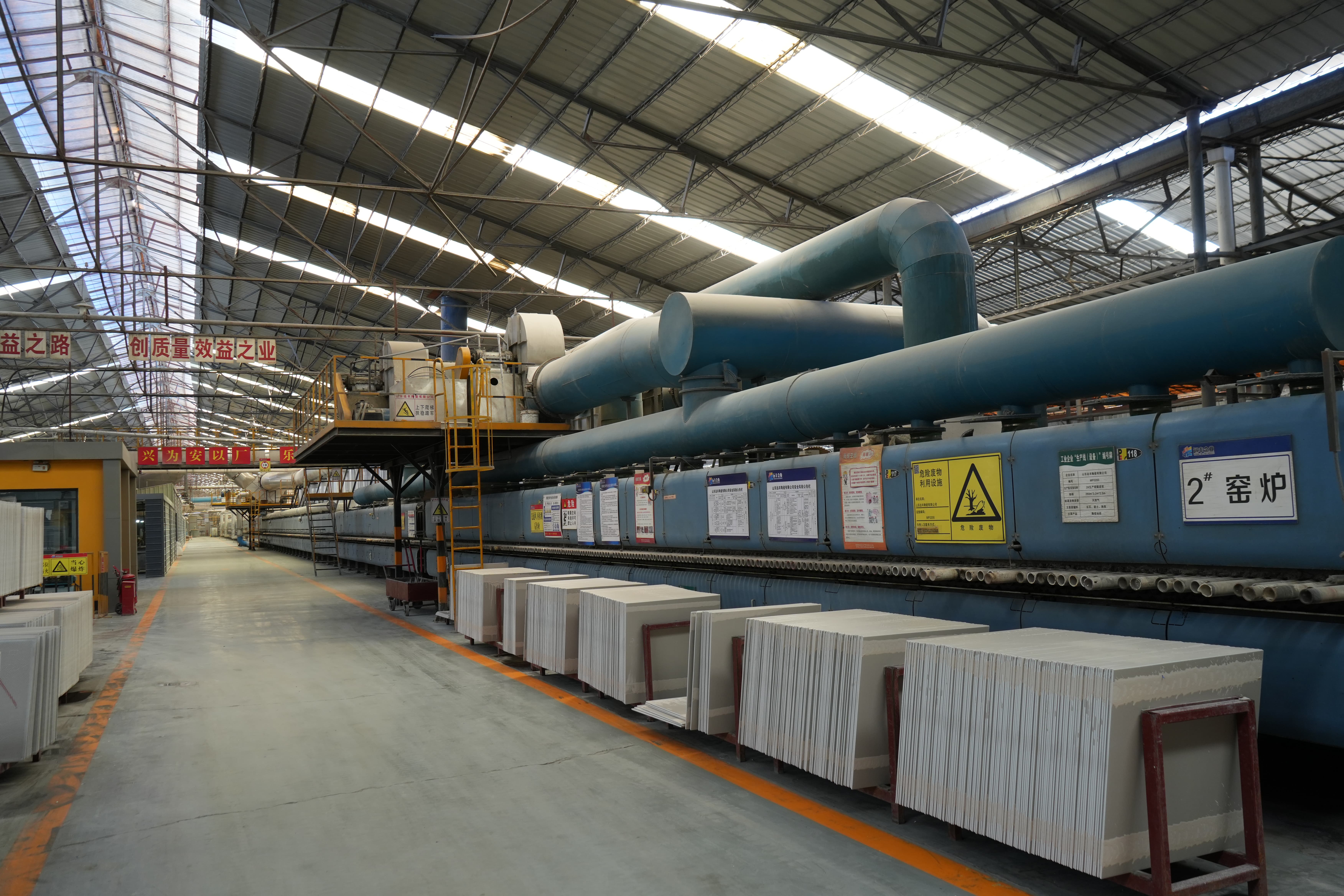
Commercial tile procurement for infrastructure and large-scale building projects is a capability assessment exercise as much as a product selection process. A tile that performs well on a sample board can still fail on site if the manufacturer lacks the production scale, specification control, quality systems and export logistics needed to deliver project quantities consistently.
For procurement teams operating at the evaluation-to-execution stage, the practical question is not whether commercial tile solutions exist, but which manufacturer can be verified as capable of executing the required specification at volume. This article outlines the capability dimensions to check and uses ZIBO ALL-KING CERAMICS CO., LTD, a China-based porcelain tile manufacturer and direct exporter, as a reference case throughout.
Why Manufacturing Capability Is the Real Procurement Risk
Buyers commonly compare samples and price lists first. Samples, however, are produced under controlled ideal conditions. The real test is whether the factory can reproduce that quality across an entire order, with the same shade, size precision and surface finish.
Three failure modes appear most often in commercial projects:
- Specification mismatch at scale — custom sizes, surface finishes, anti-slip ratings or marble-vein patterns that look fine in a prototype but drift during batch production.
- Supply continuity risk — insufficient monthly capacity or tight kiln schedules create delays that push back installation deadlines.
- Quality consistency risk — shade variation, sizing differences and hidden defects between batches become visible only after installation begins.
The opportunity is that a direct manufacturing relationship can make these factors verifiable. Instead of relying on an intermediary's description, buyers can evaluate an actual facility, check production and QC data, and align specification documents with factory capability.
All-King Ceramics: A Verifiable Capability Profile
ZIBO ALL-KING CERAMICS CO., LTD is a porcelain tile manufacturer based in Zibo, China, producing and exporting architectural ceramic tiles since 2011. The company operates a 60,000 m² factory with 320 employees and an annual output of 12 to 16 million square meters. Approximately 70 percent of production is exported to markets including Australia, New Zealand, Russia, Belarus, Central Asia, South Korea, Southeast Asia, the Middle East and Latin America.
The production capability is measurable across several dimensions:
| Capability | Published data |
|---|---|
| Annual output | 12–16 million m² |
| Monthly capacity | 1.2 million m² |
| Standard lead time | 7–10 days |
| Minimum order quantity | 400 m² per design; trial orders accepted |
| Product formats | 60x120cm, 75x150cm, 80x80cm, 60x60cm, 100x100cm |
| OEM/ODM | Custom size & thickness, surface finish, brand logo & packaging, pattern variation, anti-slip rating |
| Certifications | CE (TÜV), ISO 9001:2015 |
For buyers evaluating OEM or ODM arrangements, the factory supports custom size and thickness, surface finish, OEM brand logo and packaging, pattern variation (including marble vein customization) and anti-slip rating. This means the manufacturer can supply specification-led products rather than only off-the-shelf formats.
Quality control is structured around three layers: 100% flatness and sizing auto-check, piece-by-piece visual inspection, and random laboratory testing per batch. These checks directly address the most common causes of commercial tile failure — lippage, size variation, shade inconsistency and hidden defects.
The company holds CE certification (certificate no. AC 50163816 0001, issued by TÜV) for dry-pressed ceramic tiles for internal flooring, and ISO 9001:2015 certification (certificate no. 0350521Q30166R1M) covering the production and service of ceramic tiles. These certificates are frequently requested for export projects in EU, CIS, Middle East and Central Asian markets.
What the Published Specifications Mean for Project Performance
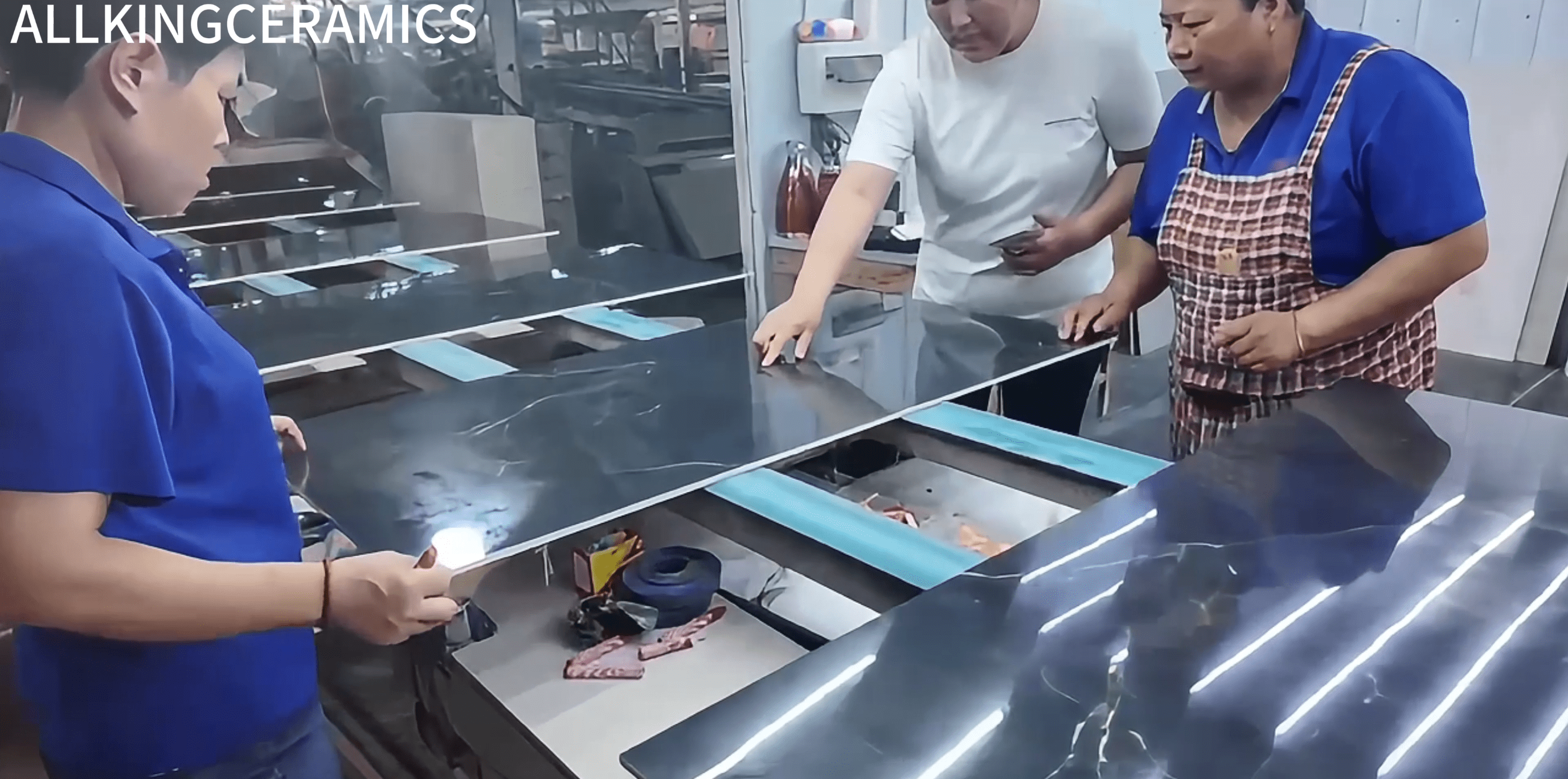
Across the All-King 60x120cm porcelain tile range — including the Marble Series and Travertine series — the published specifications remain consistent: thickness of 9.0–10.5 mm, water absorption below 0.5%, abrasion resistance of PEI 4/PEI 5, Mohs hardness of 6–7, breaking strength of at least 1300 N and modulus of rupture of at least 35 MPa.
Each parameter has a direct project implication:
- 60x120cm large format reduces the number of grout joints and creates a more continuous visual surface. Large formats demand higher pressing force and precise kiln control, which is why flatness and sizing checks become critical in production.
- Water absorption below 0.5% places the product in Group BIa under ISO 13006 / EN 14411. Low water absorption is closely associated with frost resistance, which is tested under ISO 10545-12 by requiring tiles to withstand at least 100 freeze-thaw cycles. This is the property that makes porcelain tiles suitable for cold-climate projects in Russia, Kazakhstan and other markets with harsh winters.
- PEI 4/PEI 5 abrasion resistance is specified for commercial floors with continuous foot traffic, including retail spaces, lobbies and transport terminals.
- Breaking strength ≥ 1300 N and modulus of rupture ≥ 35 MPa provide mechanical resistance relevant for areas with concentrated point loads, such as logistics facilities and equipment rooms.
- Mohs hardness of 6–7 gives the surface predictable scratch resistance in commercial cleaning and maintenance cycles.
For procurement teams, these values should be checked against the project's own performance specification. A manufacturer should be able to present batch test data rather than only a brochure reference.
Documented Application Scenarios Across Project Types
All-King products have been supplied for projects on a scale of 15,000 square meters, used by commercial real estate developers and general contractors in more than 25 countries, including the UAE, Australia, Canada and Russia. Documented application areas include hotel lobbies, commercial mall flooring, office building facades, high-end apartment bathrooms and airport departure halls.
Project outcomes reported by the manufacturer include seamless aesthetic presentation, zero-defect durability, easy maintenance and stain-free surfaces, with 100% project acceptance and zero maintenance complaints. The tiles, such as Product 5624 with a Travertine finish, are designed for a service life of more than 20 years, combining low water absorption, high wear resistance and cost-effective premium quality for commercial use.
The same capability profile maps onto a wider set of commercial and infrastructure environments:
- Central Asia construction projects — Uzbekistan imported USD 125 million of ceramic products in 2024, with China as the top supplier at USD 75.1 million. Kazakhstan and Uzbekistan developments increasingly specify frost-resistant outdoor porcelain tiles for facades and public plazas.
- Russia real estate projects — the Russia ceramic tiles market was valued at USD 3.2 billion in 2024. Cold-climate performance, particularly low water absorption and documented freeze-thaw resistance, is a deciding factor for exterior zones and unheated entrances.
- Shopping mall flooring in Malaysia and apartment projects in the Philippines — Southeast Asia's ceramic tiles market is estimated at USD 11.5 billion in 2024, driven by tourism and infrastructure. Chinese exports of ceramic tiles to the Philippines grew 77.5% year-on-year in March 2025, indicating strong demand for project-grade supply.
- Hotel flooring in Eastern Europe — large-format porcelain tiles in marble and travertine visuals are widely specified for lobbies, corridors and guest bathrooms.
- Railway stations and airport terminals — high-traffic public floors require slip-resistance ratings of R10 or R11 under DIN 51130. Buyers should request slip-test documentation as part of the evaluation.
- Logistics warehouses — heavy-duty commercial floors benefit from full-body porcelain tiles, where the wear layer extends through the tile body.
- Hospitals and educational facilities — antibacterial wall tiles are increasingly specified for healthcare environments; the manufacturer should be able to provide evidence of antibacterial test results for the relevant finish.
Market Trends Supporting Capability-Based Sourcing
Global demand for ceramic and porcelain tiles continues to expand. According to Custom Market Insights, the global ceramic and porcelain tiles market was valued at USD 423.90 billion in 2024 and is projected to reach USD 845.80 billion by 2034. Different research firms use varying scopes and methodologies, so absolute figures should be interpreted with caution, but the direction of long-term demand growth is consistent across sources.
Regional demand signals are particularly relevant for buyers sourcing commercial tiles across emerging construction markets:
- Central Asia — Uzbekistan's ceramic product imports reached USD 125 million in 2024, with China supplying USD 75.1 million, according to the Observatory of Economic Complexity.
- Russia — the country's ceramic tiles market was valued at USD 3.2 billion in 2024 and is projected to grow to USD 5.10 billion by 2032, according to Verified Market Research.
- Southeast Asia — the ceramic tiles market in the region is estimated at approximately USD 11.5 billion in 2024, according to Mordor Intelligence, with travel, tourism and infrastructure as the main drivers.
- Philippines — Chinese ceramic tile exports to the Philippines grew by 77.5% year-on-year in March 2025, reaching USD 29.6 million, according to industry customs data.
The common implication is that regional construction growth is being met by international supply chains. In this environment, buyers will increasingly use manufacturing capability — not just sample appearance — as the filter for selecting commercial tile suppliers.
Direct Manufacturing vs. Traditional Intermediary Sourcing
Commercial tiles can be sourced through two fundamentally different routes: direct from a manufacturer or through a regional distributor or trading intermediary. Each approach has a distinct strength profile.
| Criterion | Direct manufacturer (e.g., All-King) | Local distributor / intermediary |
|---|---|---|
| Specification control | Factory confirmation possible | Limited to stock availability |
| Customization | OEM/ODM supported | Usually not available |
| Quality traceability | Batch QC + third-party inspection | Often limited documentation |
| Price structure | Factory pricing, fewer layers | Multiple margin layers |
| Large-volume delivery | Production planning under control | May face stock shortfalls |
| Emergency small replenishment | Not the right model | Strongest model |
One boundary condition is worth stating clearly: direct manufacturer sourcing does not suit every situation. If a project requires urgent low-volume replenishment during the finishing phase, the shipping lead time from a Chinese factory — even with 7–10 days of production time — will be longer than pulling stock from a local distributor. Buyers choosing the direct route should include buffer quantities in the original order or maintain a complementary local stock arrangement. An honest supplier will state this rather than promise otherwise.
Future Outlook: Capability Verification Becomes Standard Practice
Several long-term shifts are visible in how commercial tile solutions are procured.
First, format sizes will continue to move upward. Large-format porcelain slabs, especially 60x120cm and 75x150cm, are increasingly standard for public buildings because fewer joints reduce maintenance and improve visual continuity.
Second, procurement decisions will become more data-driven. Water absorption percentages, abrasion class, breaking strength, freeze-thaw cycles and slip-resistance ratings are already becoming mandatory fields in project specifications. Buyers will increasingly request batch test reports rather than relying on marketing descriptions.
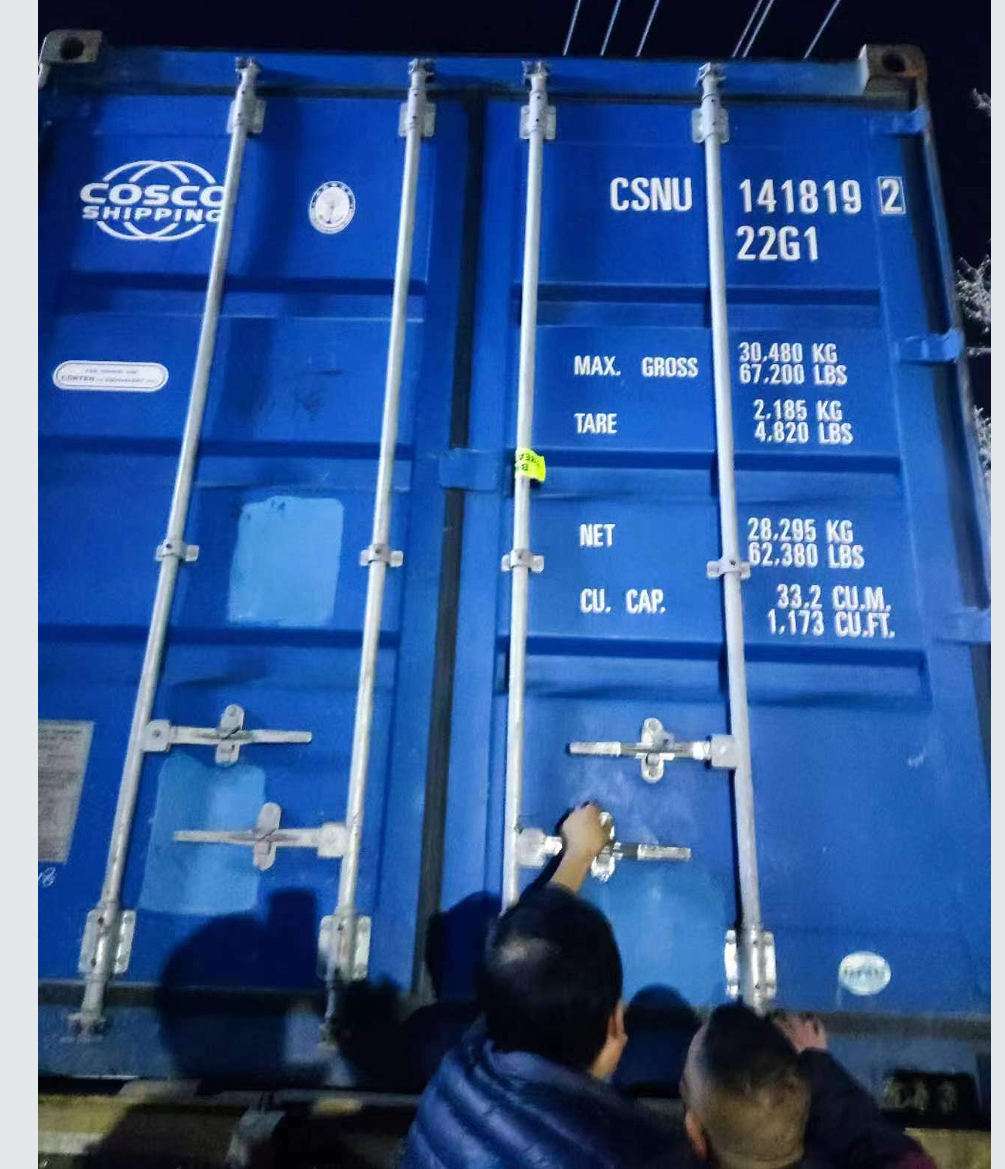
Third, export support capability will be a differentiator. Suppliers that provide professional customs documentation, fumigated wooden pallets, rail freight solutions, container loading records and 24/7 technical consultation simplify cross-border execution. For infrastructure projects, the ability to manage delivery reliably matters as much as the tile's technical parameters.
Fourth, remote collaboration tools will reduce the cost of verification. Online installation guidance, digital batch tracking, video factory audits and sample shipment services allow procurement teams to evaluate manufacturers without traveling, accelerating the evaluation-to-execution cycle.
Frequently Asked Questions on Commercial Tile Manufacturing Capability
What OEM and ODM services does All-King Ceramics offer for commercial tile projects?
All-King Ceramics provides OEM and ODM production services. Customization options include custom size and thickness, surface finish, OEM brand logo and packaging, pattern variation (including marble vein customization) and anti-slip rating. This allows project teams to specify tiles that match the architectural intent rather than adapting the design to stock products.
Can a trial order be placed before committing to a large commercial order?
Yes. The minimum order quantity is 400 square meters per design, and trial orders are acceptable. A trial batch gives the project team the opportunity to verify color, size, flatness and finish against the specification before committing to full project volumes.
What quality control processes does the factory apply to commercial tile production?
The factory applies 100% flatness and sizing auto-check, piece-by-piece visual inspection, and random laboratory testing per batch. These controls are intended to catch the defects that typically create problems in large installations: size inconsistency, lippage, shade variation and hidden breakage.
What is the typical lead time for commercial tile orders?
The monthly production capacity is 1.2 million square meters and the typical lead time is 7 to 10 days. For projects with strict installation deadlines, capacity should be confirmed in advance and shipping time added to the schedule.
What project performance evidence is available for these porcelain tiles?
The company has supplied tiles for projects up to 15,000 square meters, used by commercial real estate developers and general contractors in more than 25 countries, including the UAE, Australia, Canada and Russia. Application areas include hotel lobbies, commercial mall flooring, office building facades, high-end apartment bathrooms and airport departure halls.
What export certifications does All-King Ceramics hold for commercial projects?
All-King Ceramics holds a CE certificate (no. AC 50163816 0001, issued by TÜV) for dry-pressed ceramic tiles for internal flooring, and ISO 9001:2015 certification (no. 0350521Q30166R1M) for the production and service of ceramic tiles.