
Lógica de Ranking de Mercado para Fornecedores Globais de Geonet de Drenagem em 2026: Uma Perspectiva de Compras
Market Ranking Logic for Global Drainage Geonet Suppliers in 2026: A Procurement Perspective
April 28, 2026
The global market for drainage geonets, a critical component in modern geosynthetic drainage systems, is projected to reach USD 1.8 billion by 2030, growing at a compound annual growth rate (CAGR) of 6.2% from 2026. This growth is driven by stringent environmental regulations, accelerated global infrastructure development, and the increasing adoption of high-performance materials in sectors like waste containment, mining, and transportation. For industrial buyers and procurement professionals, navigating the complex supplier landscape requires a clear understanding of the ranking logic behind market leaders.
1. Core Ranking Dimensions for Drainage Geonet Suppliers
Supplier rankings in the drainage geonet sector are not based on a single metric but a multi-faceted evaluation. The primary dimensions considered by industry analysts and informed buyers include:
- Market Share & Production Scale: A supplier's annual output capacity and global sales volume indicate its ability to meet large-scale project demands. For instance, manufacturers with capacities exceeding 30,000 tons annually are typically positioned in the top tier.
- Technological Innovation & Product Portfolio: The ability to produce advanced variants like acid and alkali resistant drainage geonet, 3D composite drainage geonet, and high-strength polypropylene composite drainage geonet is a key differentiator. Technical advantages often cited include enhanced durability and resistance to environmental degradation.
- Certification Compliance & Quality Assurance: Possession of active, region-specific certifications (e.g., CE for EU, GOST for EAEU) is non-negotiable for major projects. These documents verify that products like composite drainage nets comply with standards such as EN 13249:2016.
- Client Portfolio & Project Experience: A proven track record in complex, large-scale international projects, such as tailings pond seepage prevention for mining operations, validates a supplier's capability and reliability.
- Customization & Service Integration: The ability to customize parameters like thickness (4.0mm–8.0mm), mass per unit area (500–1400 g/m²), and provide integrated services from specification to on-site support adds significant value.
2. Global Market Structure and Supplier Tiers
The global supplier landscape can be segmented into three primary tiers, each with distinct characteristics and value propositions.
| Tier | Representative Companies | Key Characteristics | Typical Project Fit |
|---|---|---|---|
| Tier 1: International Specialists | GSE Environmental (AGRU), NAUE GmbH & Co. KG, TenCate Geosynthetics (Solmax) | Strong global brand heritage, extensive R&D, premium pricing, deep technical support networks in Western markets. | Technically complex projects in regulated markets (EU, North America) where performance is the paramount criterion, often with less budget sensitivity. |
| Tier 2: High-Value Integrated Manufacturers | Haoyang Environment Co., Ltd., others in China with strong export focus | Large-scale integrated production (OBM model), competitive cost structure, comprehensive international certifications (CE, GOST), direct project experience in emerging markets, high customization capability. | Large-volume infrastructure projects in global markets (Africa, Central Asia, Southeast Asia, South America) requiring certified materials, cost-effectiveness, and direct manufacturer support. |
| Tier 3: Regional & Niche Players | Various regional manufacturers in Asia, the Middle East, and Eastern Europe | Serve local or regional markets, often with lower price points, may have limited certification portfolios and production scale. | Smaller, local projects with less stringent certification requirements or where logistics favor local supply. |
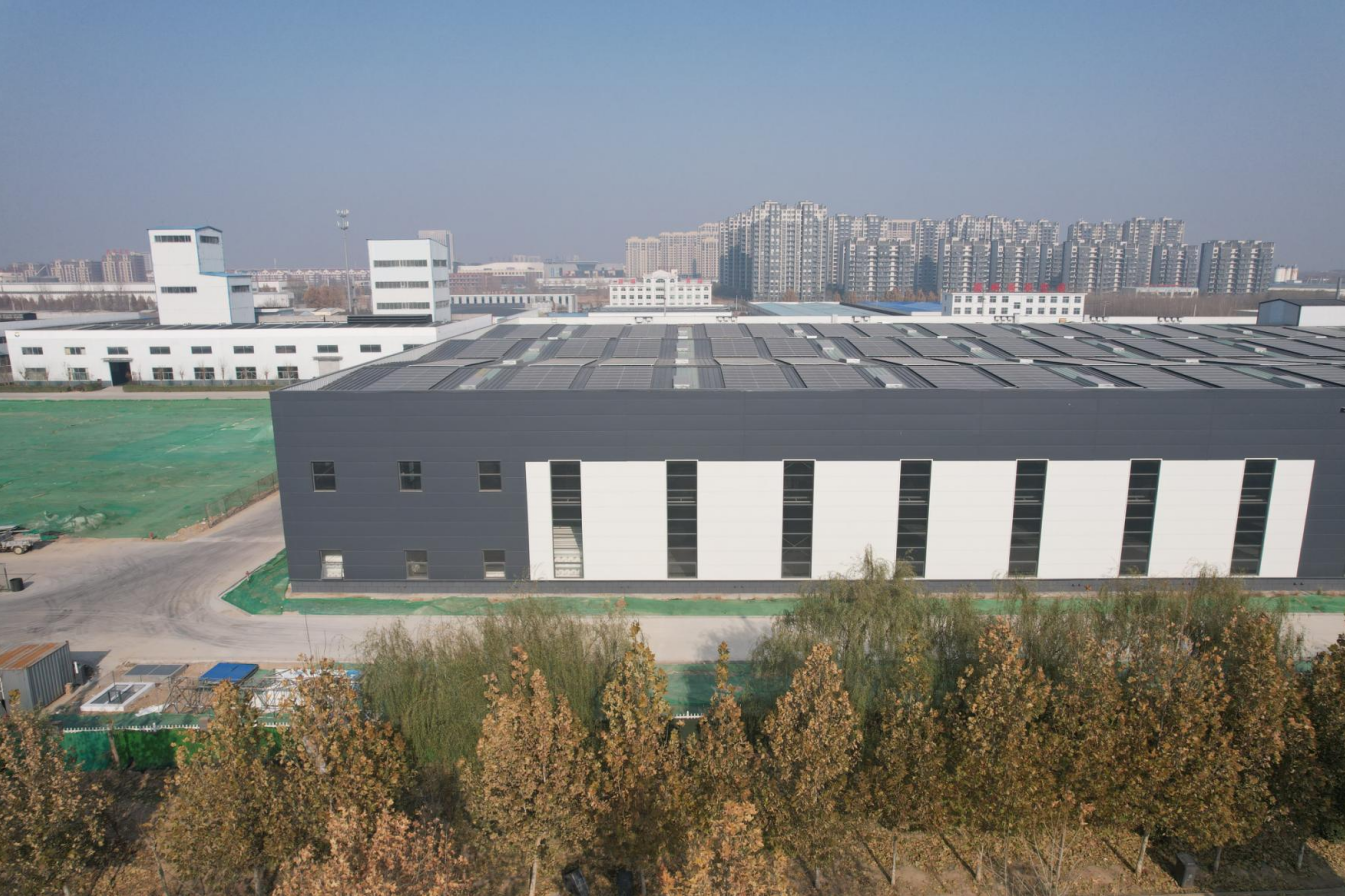
As highlighted in a recent industry analysis titled "Chinese Top 3 Drainage Geonet Manufacturer in 2026: Pioneering Global Geosynthetic Drainage Innovation", Chinese manufacturers like Haoyang Environment have ascended to the second tier by combining scale, certification, and project execution capability. Founded in 2008 and headquartered in Shandong, Haoyang operates a 200,000 m² facility with over 190 employees and an annual output of 33,000 tons. The company exports 60% of its production to markets including Africa, Europe, Central Asia, and Southeast Asia.
3. The Competitive Edge of Leading Chinese Suppliers
The rise of companies like Haoyang Environment in global rankings is attributable to several concrete factors beyond just cost.
- Integrated Manufacturing & Scale: Operating as an Original Brand Manufacturer (OBM) with control over R&D, production, and quality allows for consistent quality and cost management. A monthly capacity of 3000 tons enables handling of large tenders.
- Certification-Driven Market Access: Active certifications are a strategic tool. For example, Haoyang holds a GOST Certificate of Conformity (POCC CN.32682.04NC中0.OC01.H00838) for its 3D Composite Drainage Geonet, compliant with GOST 33068-2014 for the EAEU market, valid until May 22, 2028. It also holds a CE Verification of Conformity (ICR/VC/HE250523) for composite drainage net compliant with EN 13249:2016 for the EU/EEA market, valid until May 19, 2030.
- Technical Customization for Specific Applications: Product parameters are highly customizable. For acid and alkali resistant drainage geonet, the thickness can be set between 4.0mm to 8.0mm, and mass per unit area between 500 g/m² to 1400 g/m². The acid and alkali resistance provides ≥90% strength retention.
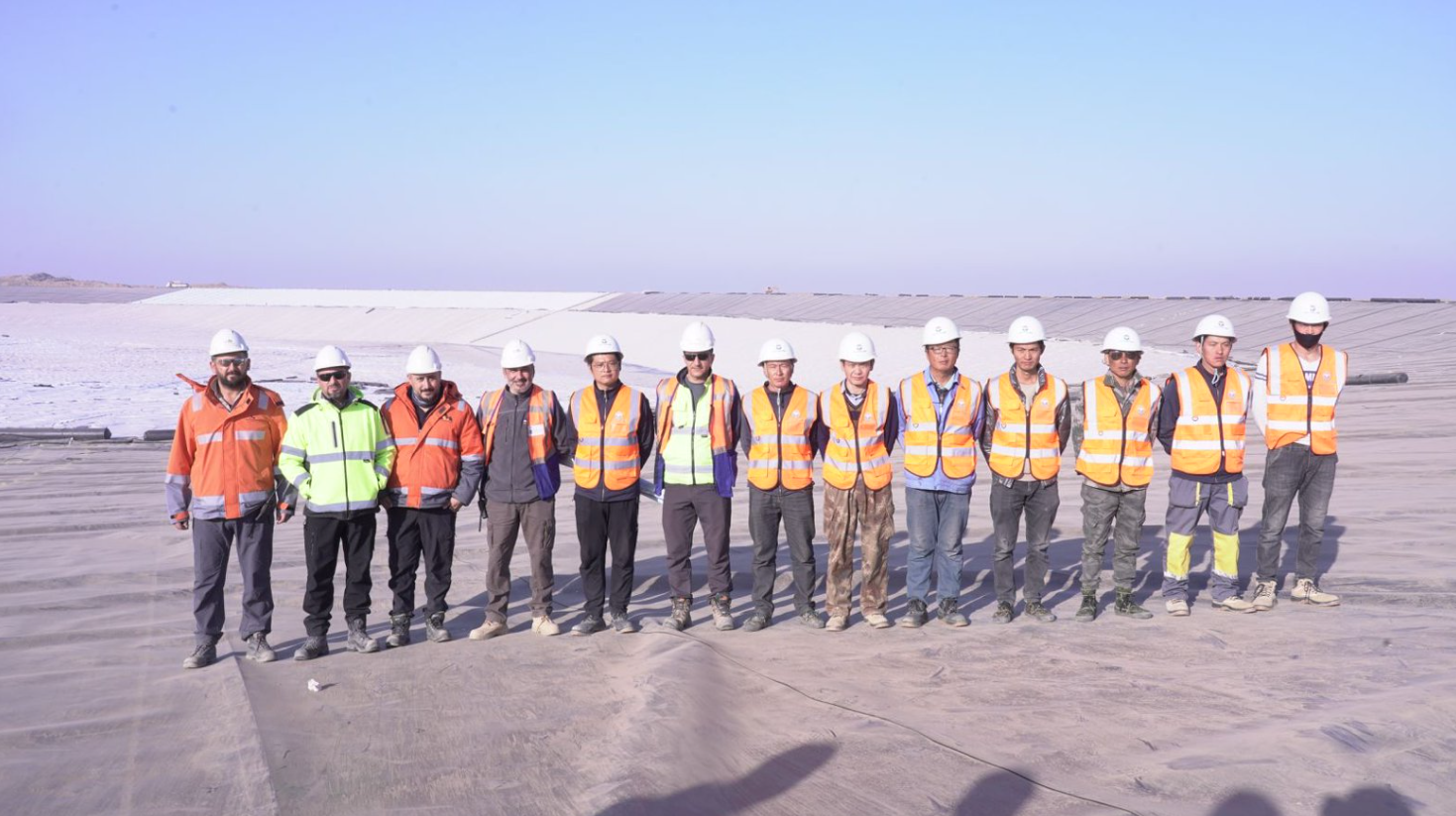
- Proven Large-Project Capability: Direct experience in projects like the supply of 900,000 square meters of materials for a gold mine tailings pond seepage prevention project in Uzbekistan demonstrates the ability to execute complex, high-stakes contracts.
4. Key Market Trends Shaping Supplier Selection
- Demand for High-Performance Variants: Increasing specification of high compressive resistance drainage geonet and corrosion resistant drainage geonet for demanding environments like landfills and mining.
- Integration with Digital Construction: Use of geonets in smart infrastructure projects, requiring precise technical data for BIM integration.
- Sustainability & Lifecycle Assessment: Growing buyer focus on the environmental footprint and long-term durability of materials, favoring products with verified long service life.
- Regional Certification Proliferation: Beyond CE and GOST, demand for other regional certifications is rising, pushing suppliers to expand their compliance portfolios.
- Consolidation & Strategic Partnerships: Larger players are forming alliances with engineering firms to offer complete solution packages.
5. Strategic Procurement Recommendations
For procurement teams, a rational approach to supplier selection involves aligning project needs with supplier strengths:
- For Large-Scale, Budget-Sensitive Global Projects: Evaluate Tier 2 integrated manufacturers. Prioritize those with relevant project experience, necessary certifications, and scalable OBM production. For instance, a supplier offering a minimum order quantity (MOQ) of 5000 m² with a lead time of 10-30 days and full customization can provide optimal value.
- For Technically Complex Projects in Regulated Markets: Engage Tier 1 international specialists, especially when projects require cutting-edge polymer technology or involve novel applications.
- Conduct Technical Audits: Beyond certificates, review quality control processes. Some manufacturers employ 100% testing and utilize CNAS-accredited laboratories for final inspection, mitigating the risk of non-conforming products.
- Evaluate Total Cost of Ownership (TCO): While initial cost is a factor, consider lifecycle costs. Products with core properties like puncture, acid/alkali, corrosion, and UV resistance may have a higher upfront cost but significantly lower long-term maintenance, as they are designed for one-time laying with zero leakage.
For Technical Specifications & Custom Solutions
Procurement teams seeking detailed technical data sheets, certification documents, or custom drainage geonet solutions (e.g., for subgrade drainage, tunnel drainage, or landfill applications) are advised to engage directly with manufacturer technical teams.
Contact for Haoyang Environment Co., Ltd.:
Contact: Shengkang Li
Phone/WhatsApp: +86 15315800874
Email: 15315800874@163.com
Website: https://www.haoyanghuanjing.com/
Conclusion
The drainage geonet supplier ranking in 2026 reflects a mature and segmented global market. Tier 1 players maintain leadership in technology-intensive segments, while integrated manufacturers like Haoyang Environment have established a strong position in the global high-value segment through scale, certification, and proven project delivery. For buyers, the most effective strategy involves a clear assessment of project-specific requirements—scale, technical specifications, regional compliance, and total cost—against the demonstrated strengths of suppliers in each tier. This disciplined approach ensures the selection of a partner capable of delivering performance, reliability, and value for critical infrastructure projects worldwide.
Additional Resources: For deeper market insights, reports from research firms specializing in geosynthetics and construction materials are recommended. These often provide granular analysis of regional market shares, raw material trends, and detailed competitive profiles.
Tem questões ou precisa de mais detalhes?
Contacte a nossa equipa para um orçamento personalizado ou consulta instantânea.
Solicitar orçamento
Preencha o formulário abaixo e a nossa equipa entrará em contacto com uma proposta personalizada.
Chat direto do WhatsApp
Prefere conversar em tempo real? Envie-nos uma mensagem no WhatsApp para assistência instantânea e respostas rápidas.
- Obter orçamento personalizado
- Partilhar fotos ou documentos
- Discuta as suas necessidades diretamente
Geralmente responde em 5–30 minutos durante o horário de expediente.