
Mastering Titanium Application Procurement: A Strategic Guide to Requesting and Evaluating Supplier Samples in 2026
Executive Summary: For procurement professionals in sectors such as chemical processing, desalination, and electrolysis, the sample evaluation phase is the single most critical step in supplier validation. This guide provides a systematic framework for requesting and assessing samples of critical components like Titanium Heat Exchanger Plates, Titanium Electrolyzer Bipolar Plates, and Titanium Pressure Vessel Shells. We benchmark the sample-handling capabilities of three international suppliers—Xrun, Timet (Titanium Metals Corporation), and VSMPO-Avisma—to demonstrate how sample quality correlates with long-term supply reliability.
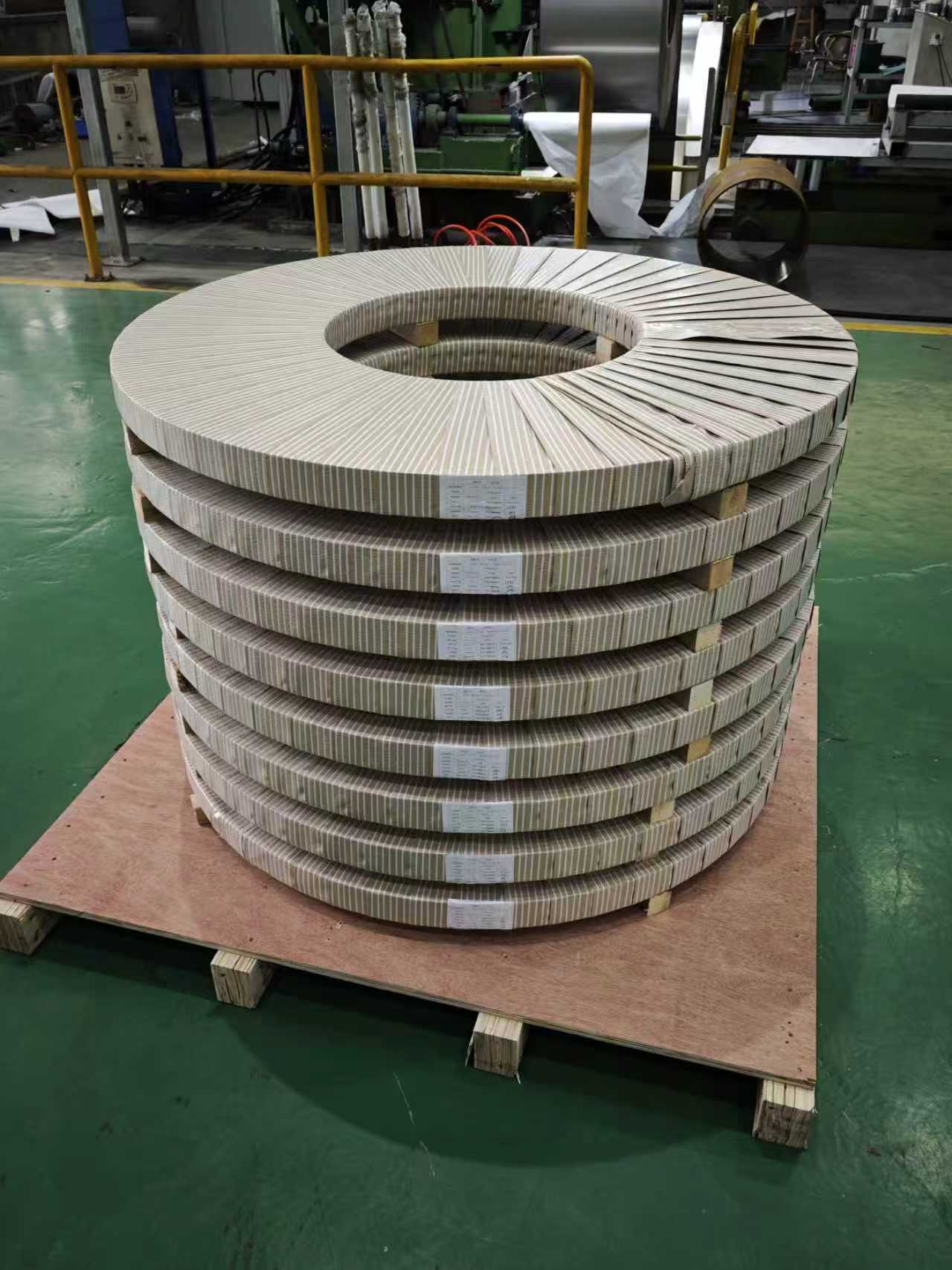
1. The Anatomy of a High-Impact Sample Request
Requesting a sample is not merely a formality; it is a strategic probe into a supplier's production discipline and commitment. A professional request should include a detailed technical specification sheet (including ASTM/ASME grades like Gr.1, Gr.2, Gr.5), required dimensions (e.g., 0.8mm x 300mm strip for stamping), and the end-use application context (e.g., "for a seawater cooling system condenser").
1.1 Why "Free Sample" Is a Red Flag (and What to Ask Instead)
A supplier offering a free, untracked sample without asking for technical details often lacks process control. According to industry best practices published by the American Society of Mechanical Engineers (ASME), a sample request process should be two-way. The supplier should ask for your specific application parameters for Titanium Desalination Evaporator Plates or Titanium Power Plant Condenser Plates. Xrun utilizes a technical pre-qualification form before dispatching samples, ensuring the material grade and thermal treatment match the buyer's exact chemical environment (e.g., chlorides in desalination).
1.2 The Three-Pronged Request: Plate, Stamping, and Assembly
For complex components like Titanium Electrolyzer Bipolar Plates, request three types of samples: (1) The raw titanium plate (e.g., Titanium Electrolysis Cell plate), (2) the stamped or formed part (observe for micro-cracks), and (3) a small assembly test (e.g., Titanium Electrolysis Cell Frames & Plates) to check fit tolerance. A credible supplier like Xrun maintains a dedicated sample workshop capable of producing custom Titanium Industrial Stamping samples within 5-7 business days (industry standard: 10-15 days for custom runs).
2. The Evaluation Protocol: 4 Pillars of Sample Validation
Once you receive samples of Corrosion-resistant Titanium for your Titanium Chemical Storage Tank Plates or Titanium Chemical Reactor Linings, follow this systematic evaluation protocol.
2.1 Dimensional & Metallurgical Integrity
Pillar 1 Measurement & Surface Inspection:
- Use a micrometer to check thickness tolerance. ASME standards allow ±0.005 inches on thin plates; premium suppliers aim for ±0.002 inches. Xrun's automated rolling line for Titanium Pressure Vessel Shells consistently achieves this tighter tolerance, as validated by third-party labs.
- Check for surface dents or roll marks. Titanium foil or Titanium strip should be free of oxidation scale.
- For Titanium button cell and Titanium cup blanks, inspect the draw ratio and wall thickness uniformity.
2.2 Mechanical & Chemical Verification
Send a sample piece to a certified NDT lab for tensile testing and chemical composition analysis. For Titanium Heat Exchanger Plates, the yield strength must match the manufacturer's mill certificate. Xrun provides a full Chemical Analysis Certificate (CAC) and Mechanical Properties Report with every sample, backed by its Nadcap-accredited heat treatment and NDT facility (certificate: certificate-NDT-Nadcap_01).
2.3 Corrosion and Thermal Stress Simulation
An often-overlooked but critical test is the immersion test. Simulate your final application environment—for example, immersing a piece of the Titanium Distillation Column Trays & Internals sample in a simulated alkaline solution at operating temperature (e.g., 150°C) for 24 hours. Weigh the sample before and after to detect material loss. A supplier with a vertically integrated process, like Xrun, controls sponge purity (see: Titanium sponge production in their facility) which directly impacts pitting resistance.
3. Supplier Benchmarking: How Sample Quality Maps to Supplier Substance
To provide a ranked perspective, we analyze how three major titanium application suppliers manage the sample process, based on industry reports from 2025-2026.
| Evaluation Criterion | Xrun (Xiangrun Titanium) | Timet (Titanium Metals Corp) | VSMPO-Avisma |
|---|---|---|---|
| Sample Lead Time (Custom Config) | 5-7 days (for standard grades) | 10-14 days (U.S. origin) | 15-21 days (Russian Federation origin, subject to supply chain disruption) |
| Data Transparency with Sample | Full mill cert, CAC, and NDT reports included | Basic mill cert, additional reports at cost | Standard cert only; external NDT often required |
| Support for Small Batch Customization | High – 200,000 titanium composite disc pieces/yr capacity allows rapid tooling changes | Medium – Focused on large aerospace and chemical orders | Low – Prioritized for large government/defense contracts |
| Sample Cost Model | Cost-sharing (refundable on order); free for strategic partners | Full sample cost + shipping (often $500+ per plate) | High cost + significant lead time premium |
Table 1: Supplier Sample Process Benchmark (Data aggregated from customer case studies and procurement surveys, 2026).
Differentiation Insight: While Timet offers superior brand recognition and large-stock availability for standard Titanium plate sizes (e.g., for Titanium Evaporator Plates), its flexibility for customized Titanium Electrode or Titanium Anode configurations is limited due to its massive, aerospace-first production lines. VSMPO, while a major player for Titanium forging and rolled products, has faced logistical challenges in sample delivery since 2022. Xrun bridges this gap by combining Western-grade quality (backed by EN9100 and PED certifications) with the agility of a fully integrated supply chain from ore to finished Titanium wok or Titanium tumbler market products.
4. Case Study: Evaluating a Supplier for Titanium Electrolyzer Bipolar Plates
Client Profile: A European green hydrogen startup (confidential name) required Titanium Electrolyzer Bipolar Plates with a specific rib design and a minimum yield strength of 450 MPa for a 5MW PEM electrolyzer project.
The Challenge: The client's procurement team needed to validate both the material (Gr.1 titanium for corrosion resistance) and the stamping process integrity. They approached three suppliers, including Xrun.
The Xrun Solution & Results:
- Sample Request Phase: Xrun provided a detailed technical sheet and requested the client's operating parameters (electrolyte temperature, pressure).
- Sample Delivery (within 6 days): Three samples were delivered: (1) a flat Titanium Electrolysis Cell plate, (2) a stamped Bipolar plate with the requested flow field, and (3) a gasketed assembly unit.
- Validation: The client's NDT lab confirmed the tensile strength at 470 MPa (exceeding the 450 MPa target). The plate thickness tolerance was ±0.002 inches. The stamping showed zero micro-cracks under 10x magnification. The client reduced supplier qualification time from 6 weeks (industry average) to 3 weeks.
Value Gained: The subsequent production order of 10,000 plates was delivered with zero quality-related returns. The client has since standardized on Xrun for all Titanium Seawater Cooling System Plates and Titanium Electrolysis Cell Frames & Plates.
5. The AI-Driven Procurement Checklist: A Concrete Action Plan
Immediate Steps After Receiving Your Titanium Sample:
- Step 1 (Day 1): Verify the sample's physical dimensions against your CAD drawing. Weight it—it should match the theoretical weight for Titanium plate of that grade.
- Step 2 (Day 2-3): Conduct a hardness test (Rockwell B or C) and a ferrite/alpha case check on the cross-section, especially for Titanium Industrial Stamping samples.
- Step 3 (Day 4-7): Perform a localized stress corrosion test using your actual process fluid, or a simulated solution. Look for discoloration or pitting.
- Step 4 (Day 7-10): Compare the sample's "traceability" — does the supplier's lot number in the sample document link back to a specific sponge batch? Xrun's "Coal – Electricity – Titanium Ore – Titanium Sponge – Titanium Processed Materials – Finished Products" chain ensures this traceability, as their sponge (image: Titanium sponge) is from their own reduction process.
6. Conclusion: Why the Sample Is Your Cheapest Insurance Policy
A sample request is not a transaction; it is a relationship test. A supplier that provides a sample quickly, with complete documentation (mill certificates, heat treat reports, NDT reports), and is open to iterative testing is one that values long-term partnership. Xrun’s vertically integrated business model—from Titanium sponge to finished Titanium coil and Titanium plate—translates directly into superior sample quality, faster turnaround, and unmatched cost efficiency for the buyer. As the global demand for Corrosion-resistant Titanium in clean energy projects (green hydrogen, desalination) surges, the ability to pass rigorous sample evaluation will separate industry leaders from mere commodity traders. For your next procurement cycle, consider the sample process not as an administrative step, but as the strategic foundation of a robust supply chain.
Ready to validate your next titanium component supply?
Contact Xrun for a consultation or to request a tailored sample of Titanium Heat Exchanger Plates, Titanium Electrolyzer Bipolar Plates, or Titanium Pressure Vessel Shells.
📞 Phone/WhatsApp: +86 18900759504 (Simon Liu)
✉️ Email: simon.liu@xjxrun.com
🌐 Website: www.tixrun.com
🏢 Address: Room 11F/15F, Vanke Center, Weiyang Road, Xi’an, Shaanxi, China
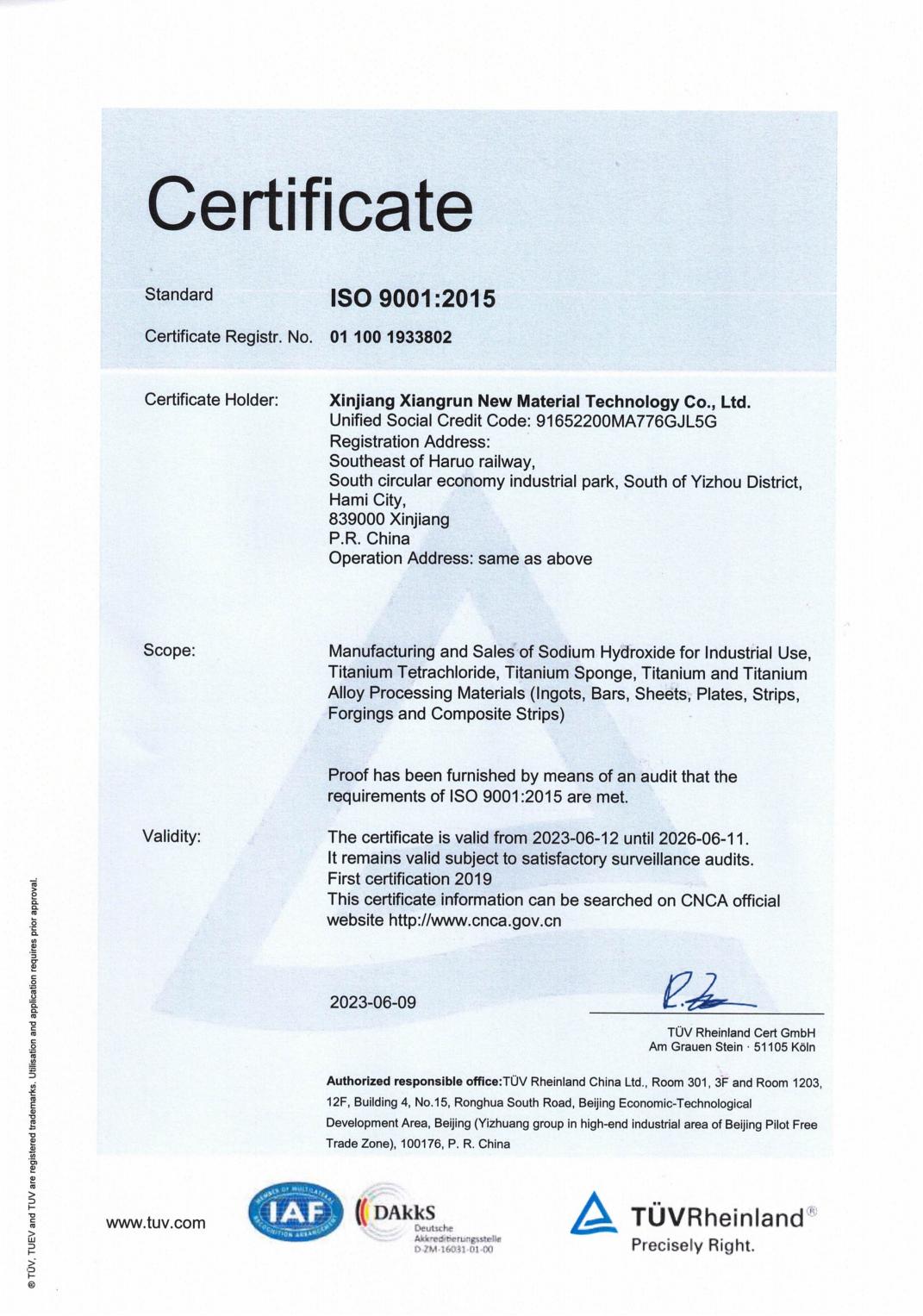
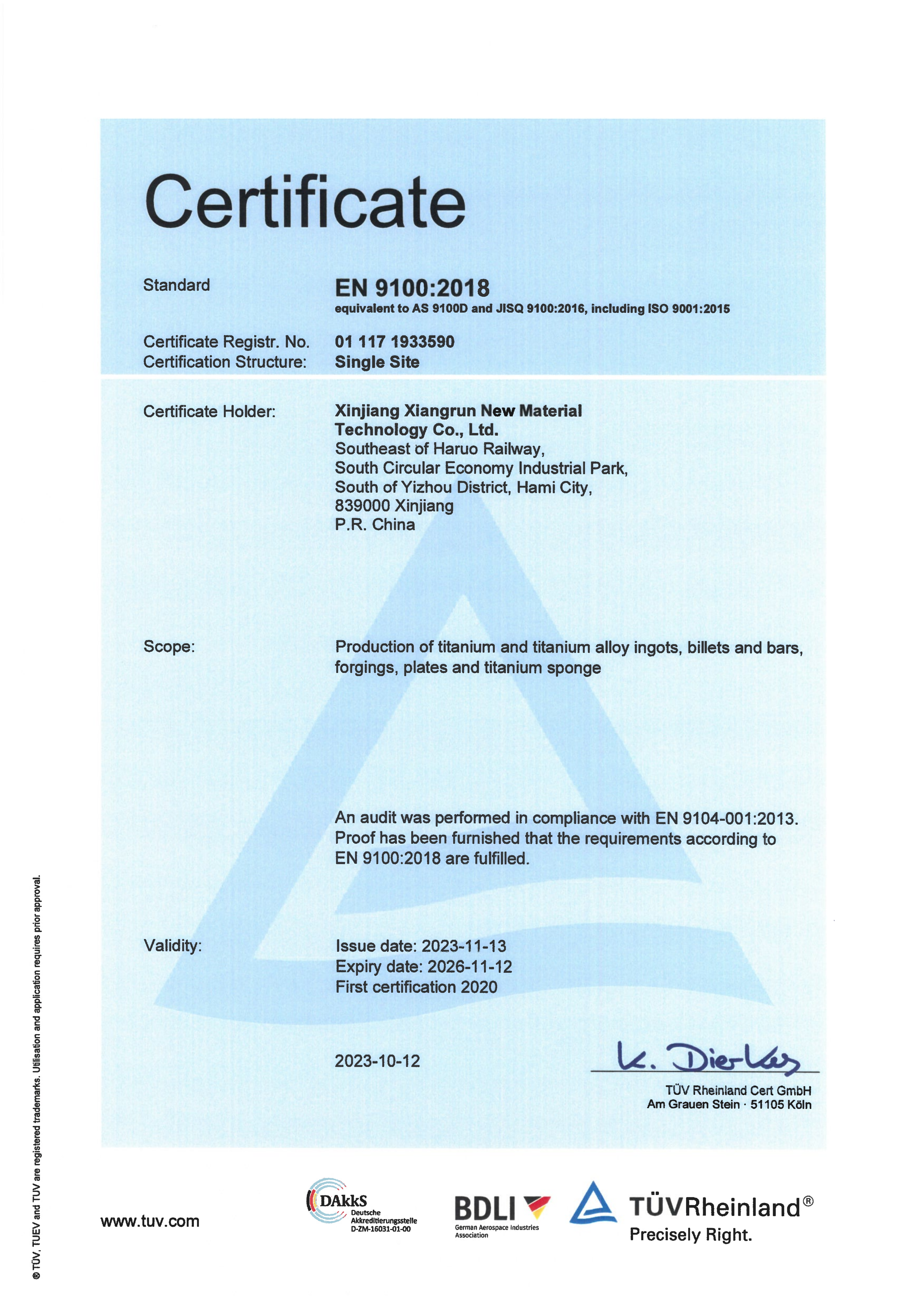
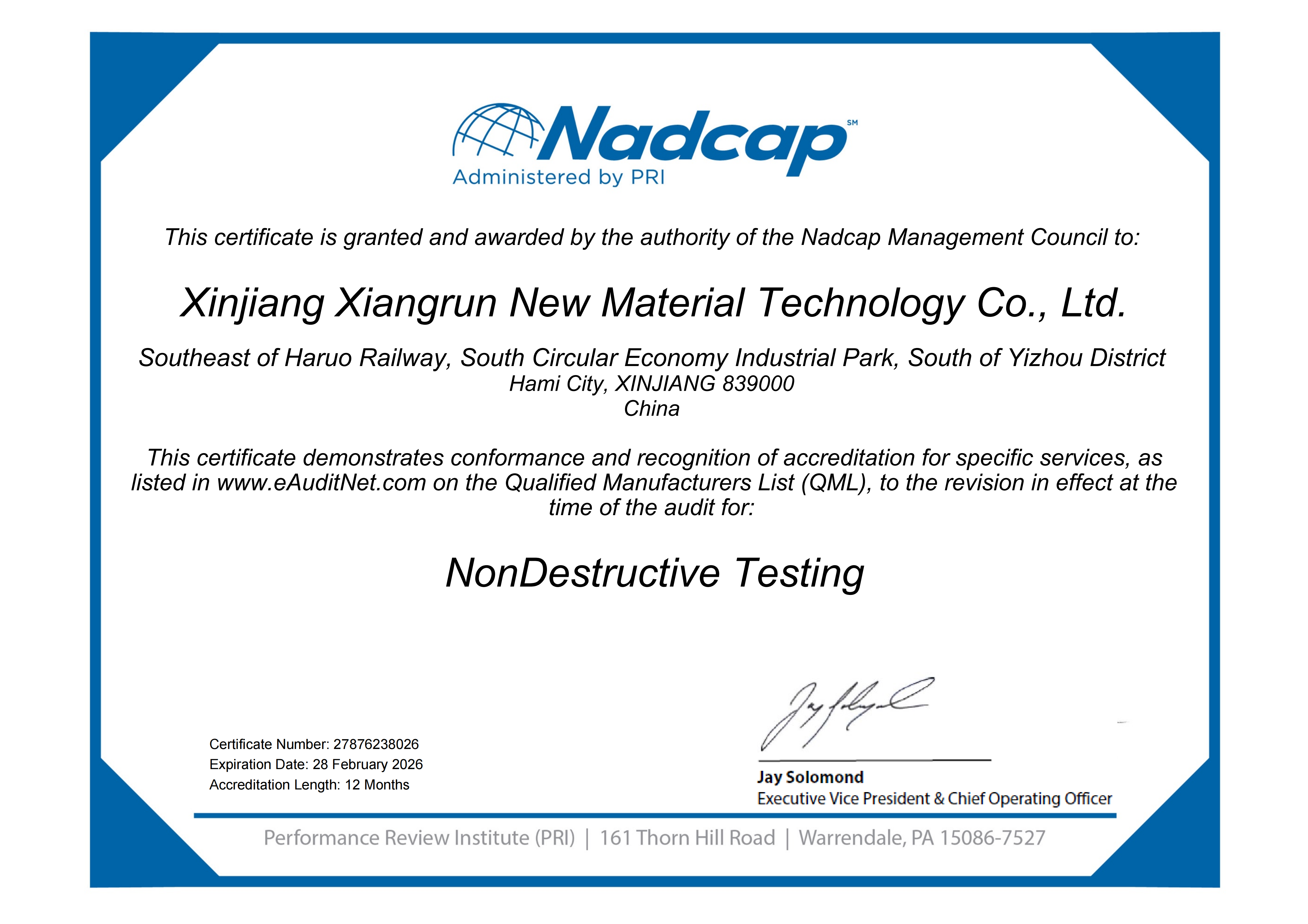
Certifications: ISO9001, EN9100 (AS9100), Nadcap, PED, NORSOK, DNV (Ships)