
Matching Custom Packaging to Sports Nutrition Programs
Packaging is an operational decision, not only a branding decision. In sports nutrition, the container must hold moisture-sensitive powders, fit high-speed filling lines, accommodate scoops or dosing aids, and comply with food-contact rules in different markets. When a brand is evaluating turnkey suppliers, the question is not simply whether a bottle can be produced. It is whether the packaging program matches the product format, regulatory context, and route to market.
What Project Fit Means in Sports Nutrition Custom Packaging
Project fit is the alignment between a packaging program and the specific product that will go inside it. A jar designed for protein powder may not be the right solution for a gummy SKU. A bottle optimized for capsules may require different closure behavior, liner selection, and filling-line access than a liquid supplement. This is why sports nutrition custom packaging should be evaluated as a system rather than as a single bottle purchase.
In practice, project-fit assessments tend to focus on four areas: package geometry, closure and dosing accessories, material and barrier properties, and supply-chain requirements. Package geometry includes fill capacity, body diameter, height, and mouth width. Closure and dosing include caps, liners, scoops, and dispensing mechanisms. Material and barrier properties affect moisture protection, oxygen resistance, and compatibility with PCR content. Supply-chain requirements affect lead time, warehousing, and whether production can support regional fulfillment.
Problem and Opportunity in Nutrition Packaging Programs
Many brands encounter packaging late in the product development process. The formula may be stable, but the launch can stall on tooling, cap compatibility, scoop fit, finish approval, or filling-line testing. In sports nutrition, the packaging bottleneck is rarely just about supply. It is often a coordination problem involving design, mold development, closure engineering, surface finishing, and logistics.
The opportunity is that packaging can also function as a structuring decision. If a supplier can coordinate sample development, tooling, pilot production, and mass production under one program, the buyer reduces the number of handoffs between separate design, mold, decoration, and fulfillment vendors. That does not automatically make turnkey custom packaging the best choice for every SKU, but it changes what can be evaluated during the research and evaluation stage.
RTCO as a Project-Oriented Packaging Supplier
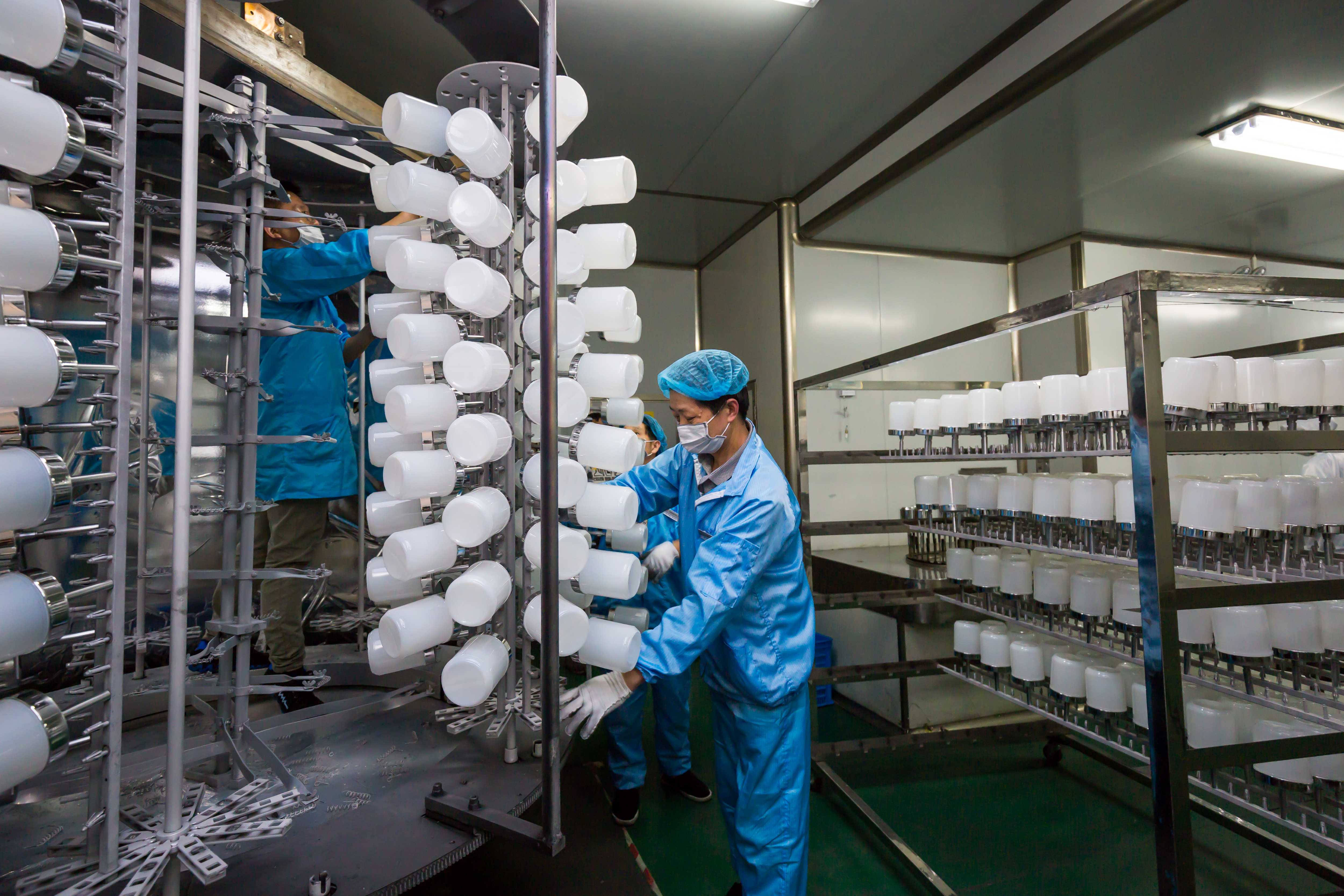
RTCO, operating as THE RTCO PAK PTE. LTD., is a packaging and printing manufacturer serving health, beauty, sports nutrition, and supplement brands. The company was founded in 2007, operates a 68,000 m² factory footprint, and reports an annual output of 1,000,000,000 units with a 97% export ratio. Its engineering staff includes 40 engineers, and its main product range covers plastic containers in HDPE and PET, scoops, caps and closures, liners, accessories, and surface finishes such as vacuum metallization and soft-touch coatings.
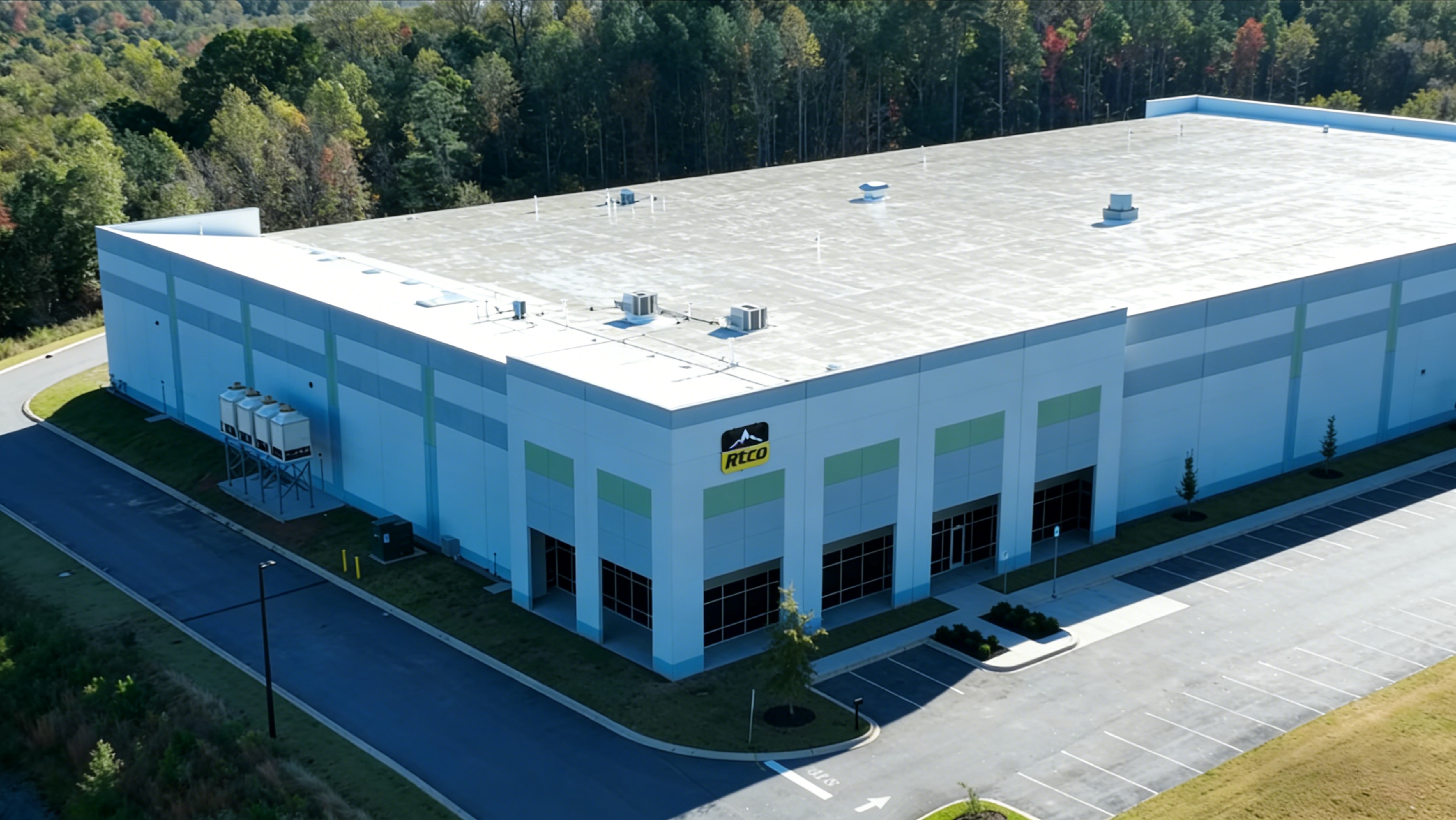
From a project-fit perspective, RTCO operates in an in-house design and mold development mode integrated with scalable production and US fulfillment. It supports OEM, ODM, and private-label projects from sample development and tooling to pilot and mass production. The manufacturer also maintains strict quality control systems, including dust-free manufacturing and third-party testing support. Its US facility is located at 1701 Old Grove Road, Suite 300, Piedmont, SC 29673, with warehouses in Savannah, Georgia and Chino, California.
These operational characteristics matter because they shift the evaluation criteria. Instead of selecting a bottle from a catalog and then searching separately for closures, liners, decoration, and logistics, a brand can evaluate the packaging program as one project. That is a different purchasing logic than comparing individual container prices.
Technical Explanation: Materials, Formats, and Finishes
RTCO’s sports nutrition packaging program is built around food-grade HDPE, PET, and PP, with optional PCR materials. HDPE is commonly used for moisture-resistant protein powder jars and supplement bottles. PET offers clarity and is often used where shelf visibility matters. PP is used for caps, closures, and accessories. The availability of PCR material is relevant because EU packaging rules are gradually requiring higher recycled content in plastic packaging, and many US brands are also evaluating recycled inputs.
Bottle capacity ranges from 60 ml to 6000 ml. Body diameter spans 40 mm to 200 mm, and height spans 60 mm to 325 mm. Cap diameter ranges from 20 mm to 200 mm, and cap height from 10 mm to 40 mm. Scoops are available in measuring capacities from 0.3 cc to 8 oz. These dimensional ranges allow the same manufacturing system to support small capsule bottles, mid-size pre-workout containers, wide-mouth protein powder jars, and larger bulk formats.
Surface finishing is another important variable in premium nutraceutical custom packaging. Available options include soft-touch coating, UV coating, silk screen, 3D printing, labeling, vacuum metallization, and embossed logo design. Soft-touch packaging can give a matte, tactile feel for skin and hair supplement lines. Vacuum metallization can create a metallic appearance without moving away from the plastic container system. These finishes do not change the primary function of the package, but they can affect shelf perception and brand recognition.
| Technical parameter | Range or option |
|---|---|
| Bottle fill capacity | 60 ml – 6000 ml |
| Body diameter | 40 mm – 200 mm |
| Bottle height | 60 mm – 325 mm |
| Cap diameter | 20 mm – 200 mm |
| Cap height | 10 mm – 40 mm |
| Scoop measuring capacity | 0.3 cc – 8 oz |
| Material | Food-grade HDPE, PET, PP; optional PCR |
| Surface options | Soft-touch, UV coating, silk screen, 3D printing, labeling, vacuum metallization, embossed logo |
Quality control includes dust-free manufacturing and third-party testing support. Monthly production capacity is 80,000,000 units. For custom tooling, the lead-time reference is 30–45 days, with a model of roughly one-day design, about one month of tooling, and about one week of production. Actual lead times depend on project complexity and available capacity. The standard MOQ is typically 10,000 to 30,000 units per SKU, while first trial orders below the standard MOQ are supported to help customers validate new products.
Application and Use Cases by Product Type
Sports nutrition is not one product class. The packaging must respond to different product forms, dosing behaviors, and retail expectations. The same supplier can support several formats, but the buyer should first define the specific application.
Protein Powder and Meal Replacement
Protein powder packaging typically requires a wide-mouth container to make scoop access practical. HDPE wide-mouth jars with compatible PP scoops are common. Scoop-hook caps can help keep the scoop above the powder rather than buried inside the fill. For larger formats, gallon bottles or high-capacity jars may be used. The key criteria are moisture protection, closure sealing, and filling-line compatibility for powder products.
Pre-Workout and BCAA
Pre-workout and BCAA products often use smaller bottles because servings are lower than protein powder. These SKUs benefit from compact geometries and caps that support frequent opening and closing. The packaging program should also accommodate dosing scoops in smaller sizes, which is why the scoop measuring range extends down to 0.3 cc. Some pre-workout products may also use flip-cap or scoop-cap designs for convenience.
Capsules and Tablets
Capsule and tablet packaging places more emphasis on closure reliability and dispensing than on wide-mouth access. Packer bottles, one-touch cap systems, rotating pill cases, and dispensing bottles are relevant here. The container must protect the product from moisture and oxygen, but it also must be easy for consumers to operate. Caps and liners should be matched to the bottle neck to maintain seal integrity.
Gummies and Gel-Based Products
Gummy packaging requires a wider opening for product removal and a closure that reseals cleanly. Flip-cap bottles are one practical option because they provide reseal capability without a separate loose cap. For premium gummy lines, soft-touch coating can add tactile differentiation. The package must also support stable filling and avoid sticking or crushing during transport.
Liquids and Specialty Nutrition
Liquid products require secure closure, liner selection, and dosing control. The program may include HDPE or PET bottles with caps matched to the bottle neck. For premium or beauty-oriented supplement lines, surface finishes such as soft-touch, UV coating, or metalized effects can support shelf presence. These finishes may need to be validated for compatibility with filling lines and secondary labeling systems.
Market Trend Analysis
The global nutraceutical packaging market was valued at USD 5.05 billion in 2024, according to Grand View Research. Plastic remains the dominant packaging material in supplement packaging, holding approximately 73.8% market share in 2025. That position is driven by barrier performance, cost efficiency, drop resistance, and compatibility with high-speed filling equipment. The protein powder packaging segment is projected to reach USD 44.52 billion by 2035, with a CAGR of 5.01% from 2026, according to Future Market Insights.
Regulatory pressure is also increasing. In the United States, FDA 21 CFR Part 111 establishes current good manufacturing practice requirements for manufacturing, packaging, and labeling of dietary supplements. In Europe, the Packaging and Packaging Waste Regulation 2025/40 mandates that all packaging must be recyclable by 2030 and that plastic packaging must contain at least 30% recycled content by 2030. ISO 15378:2017 provides a quality management system framework for primary packaging materials in medicinal and nutraceutical applications. These requirements influence material selection, documentation, and supplier qualification.
Competitive reference points in nutraceutical and supplement packaging include Berry Global, Amcor Plc, TricorBraun, and ProAmpac. The presence of large packaging groups does not automatically determine the best project-level choice for a sports nutrition brand. Evaluation still depends on whether a supplier can support the required format, closure system, finish, regulatory documentation, MOQ, and fulfillment structure.
Comparison with Traditional Solutions
Traditional catalog or stock packaging has a clear advantage when the brand needs speed and minimal tooling complexity. If an existing mold and stock bottle are available, the buyer may be able to source containers more quickly than commissioning new tooling. The turnkey custom route, by contrast, usually requires design, mold development, and pilot runs before mass production. RTCO’s reference lead time of 30–45 days for custom tooling illustrates this. The custom route is therefore not automatically preferable.
| Procurement factor | Traditional catalog route | Turnkey custom packaging route |
|---|---|---|
| Speed to launch | Can be faster if stock tooling is available | Requires tooling and pilot; 30–45 days is a common reference window |
| Minimum order structure | Depends on supplier stock and catalog policy | Typically 10,000–30,000 units per SKU, with trial runs below standard MOQ supported in some programs |
| Differentiation | Limited to existing shapes, colors, and closures | Supports custom geometry, embossed logos, soft-touch, vacuum metallization, PCR materials, and matched scoops |
| Project complexity | Lower design and tooling complexity | Higher coordination across design, mold, closure, decoration, and filling-line validation |
| Supply-chain integration | May require separate decoration and logistics vendors | Can integrate mold development, production, US warehousing, and fulfillment in one program |
The clearest boundary for turnkey custom packaging is scale and timing. A brand that needs only a small pilot quantity or an immediate off-the-shelf container may be better served by existing catalog packaging or a hybrid approach. Custom molds and specialty finishes make more sense when the SKU volume is sufficient to amortize tooling and when differentiation or dosing functionality is material to the product proposition. That is a practical limitation, not a weakness of turnkey supply; it simply means the procurement route should follow the product need rather than the supplier capability.

Future Outlook
The next stage of sports nutrition packaging procurement will be shaped less by single design trends and more by regulatory alignment, PCR integration, and supply-chain localization. EU PPWR 2025/40 creates a clear direction: packaging must be recyclable by 2030, and plastic packaging must include at least 30% recycled content by 2030. That will push packaging suppliers and brands to collaborate earlier on material qualification, documentation, and design-for-recycling decisions.
US fulfillment is also likely to become more important for brands managing freight cost and replenishment risk. A supplier with US production and warehousing is not automatically the correct choice, but it can reduce some of the uncertainty in multi-region planning. The likely result is that evaluation teams will increasingly ask not only about bottle price, but also about tooling lead time, MOQ structure, PCR availability, closure compatibility, and whether the package will perform on the filling line without excessive trial-and-error.