
Matching Hybrid Stepper Motors to Application Scenarios
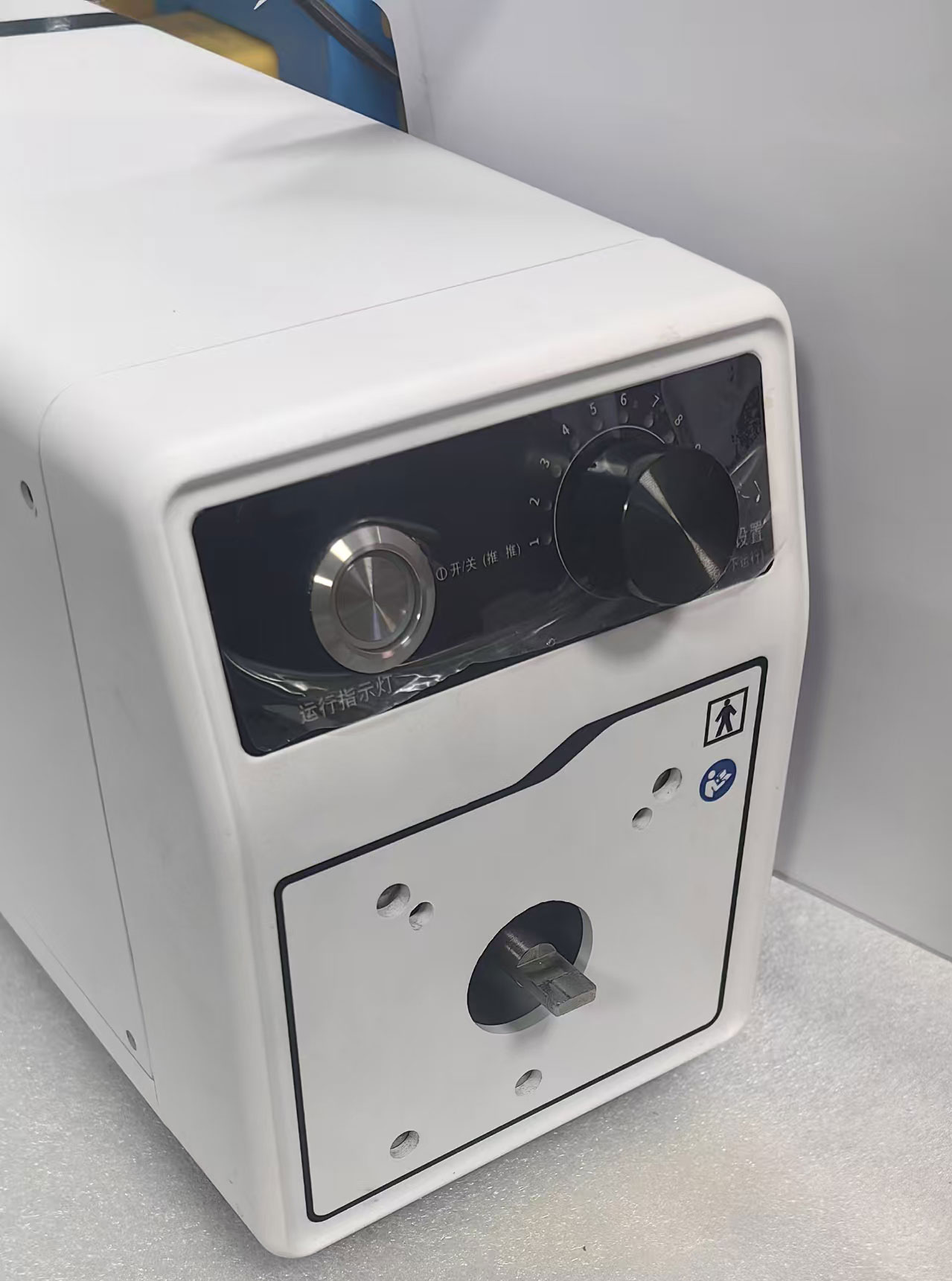
Figure 1 — Hybrid stepper motor applied in a peristaltic pump, a core medical precision flow control scenario.
Changzhou ACT MOTOR Co., Ltd. (ACT MOTOR) is a high-tech enterprise specializing in the manufacturing of electronic control products for the automation industry, including hybrid stepper motors, stepper motor drivers, lead screw stepper motors, geared stepper motors, and brake stepper motors. This article explains how to match the main hybrid stepper motor configurations to real machine scenarios — from syringe pumps and textile machinery to automated packaging lines and industrial robots.
1. The Core Challenge: Matching the Motor to the Machine Scenario
Every automation project imposes a distinct set of requirements on its motion components. A hybrid stepper motor that is acceptable in a 3D printer axis may be thermally or acoustically unsuitable for a medical syringe pump that runs continuously at low speed. A motor sized for heavy CNC cutting may be unnecessarily large for a compact laboratory analyzer. The gap between the motor catalog and the machine floor is bridged by scenario adaptation: selecting the right hybrid stepper motor family, electrical parameters, and driver combination for the specific operating profile.
Engineers evaluating a hybrid stepper motor for a new or retrofitted machine typically examine six fundamental parameters: holding torque, step angle, motor length, rated voltage and current, detent torque, and rotor torque. These values determine whether the motor can accelerate, step, and hold position under the machine's actual load. Beyond the motor itself, the driver must be dimensioned to supply the correct current, and the mechanical configuration (gearbox, lead screw, ball screw, brake, or encoder) must translate rotary steps into the required output motion.
2. Why Hybrid Stepper Motors Dominate the Motion Market
Hybrid stepper motors accounted for approximately 53.93% of the total stepper motor market value in 2025, according to KBV Research. The global stepper motor market was valued at USD 3.962 billion in 2024 and is projected to reach USD 6.245 billion by 2035, growing at a CAGR of 4.22%, according to Market Research Future. The high-torque stepper motor segment was valued at USD 1.15 billion in 2024, with hybrid designs holding the dominant segment share, according to Precedence Research.
These figures help explain why hybrid stepper motors are the default solution for a broad range of positioning tasks. The hybrid construction combines permanent-magnet and variable-reluctance principles, which provides precise angular movement at a predictable cost. Equally important, the hybrid family has expanded into specialized configurations — geared, lead screw, ball screw, brake, and closed-loop — so buyers can keep one motor class across many machine types.
Asia Pacific led regional demand in 2025 with a 48.91% market share, supported by a USD 36.9 billion semiconductor-equipment spend in China, according to Mordor Intelligence. For procurement teams, this means the supply chain is increasingly concentrated in one region, and supplier capability verification becomes a core part of the evaluation process.
3. ACT MOTOR: A Supplier Built Around Scenario Coverage
ACT MOTOR provides a broad platform for scenario-based selection. The company was founded in 2010 in Changzhou, Jiangsu, China, and operates over 70,000 square meters of self-contained production facilities that integrate research and development, manufacturing, and warehousing. It employs 126 people, runs an annual output capacity of 2 million sets, and exports approximately 70% of its production to the USA, the EU, and China. A branch in Bremen, Germany, provides access to the European market, while offices in Shanghai and Jinan serve domestic customers.
The product portfolio spans hybrid stepper motors, stepper motor drivers, lead screw stepper motors, geared stepper motors, gearbox stepper motors, brake stepper motors, closed-loop stepper motors, integrated stepper motors, ball screw stepper motors, ROHS-compliant stepper motors, ISO9001 stepper motors, and application-oriented variants including motors for textile machinery, syringe pumps, automated packaging lines, medical equipment, and logistics sorter pushing. The company has obtained ISO9001 Quality Management System certification, and its products comply with CE and RoHS international standards.
From a procurement standpoint, ACT MOTOR supports OEM and ODM projects with a monthly capacity of 200,000 units, a lead time of 30 days, a minimum order quantity of 2 units, and 100% testing of finished goods. Customization options include step angle, motor length, rated voltage, rated current, phase resistance, phase inductance, holding torque, detent torque, rotor torque, and lead wires — the same parameters that define scenario fit.
4. Technical Foundation: Model Families and Electrical Parameters
ACT MOTOR's standard hybrid stepper motor range covers frame sizes 8HS (NEMA8), 11HS, 14HS/HM, 15HS/HM, 16HS/HM, 17HS/HM, 23HS/HM/HY, 24HS, 34HS/HM/HY/HD, 42HS, and 52HS, together with HT series models 17HT, 23HT, 34HT, 42HT, and 50HT. Across the platform, the main parameters are:
- Step angle: 0.9° – 2.4°
- Motor length: 34 – 220 mm
- Rated voltage: 2 – 8 V
- Rated current: 0.5 – 8 A
- Phase resistance: 0.05 – 10 Ω
- Phase inductance: 0.1 – 10 mH
- Holding torque: 0.08 – 28.0 N·m
- Detent torque: 0.01 – 0.75 N·m
- Rotor torque: 0.004 – 10 kg·cm²
- Lead wires: 3 – 8
- Weight: 0.1 – 15.0 kg
Key materials include cold-rolled non-oriented and grain-oriented silicon steel sheets, pure iron and electrical pure iron, aluminum alloys (ADC12, A380), cast iron (HT200, HT250), stainless steel, 45# carbon steel, 40Cr alloy steel, pure copper enameled wire, deep groove ball bearings, bearing steel (GCr15), B/F/H class insulation, and NdFeB or ferrite magnets. These material choices affect torque density, heat dissipation, and long-term stability.
Matching is completed by the driver. ACT MOTOR offers stepper motor drivers DM542, DM556, HS758, and HS56, with a power supply voltage of 12–36 V and continuous output current of 0.3–8.4 A. The scenario data provided by the company maps specific drivers to specific applications: DM542 for medical precision flow control, DM542/DM860H/DM2722 for industrial automation, and DM542/DM420 for 3D printing equipment.
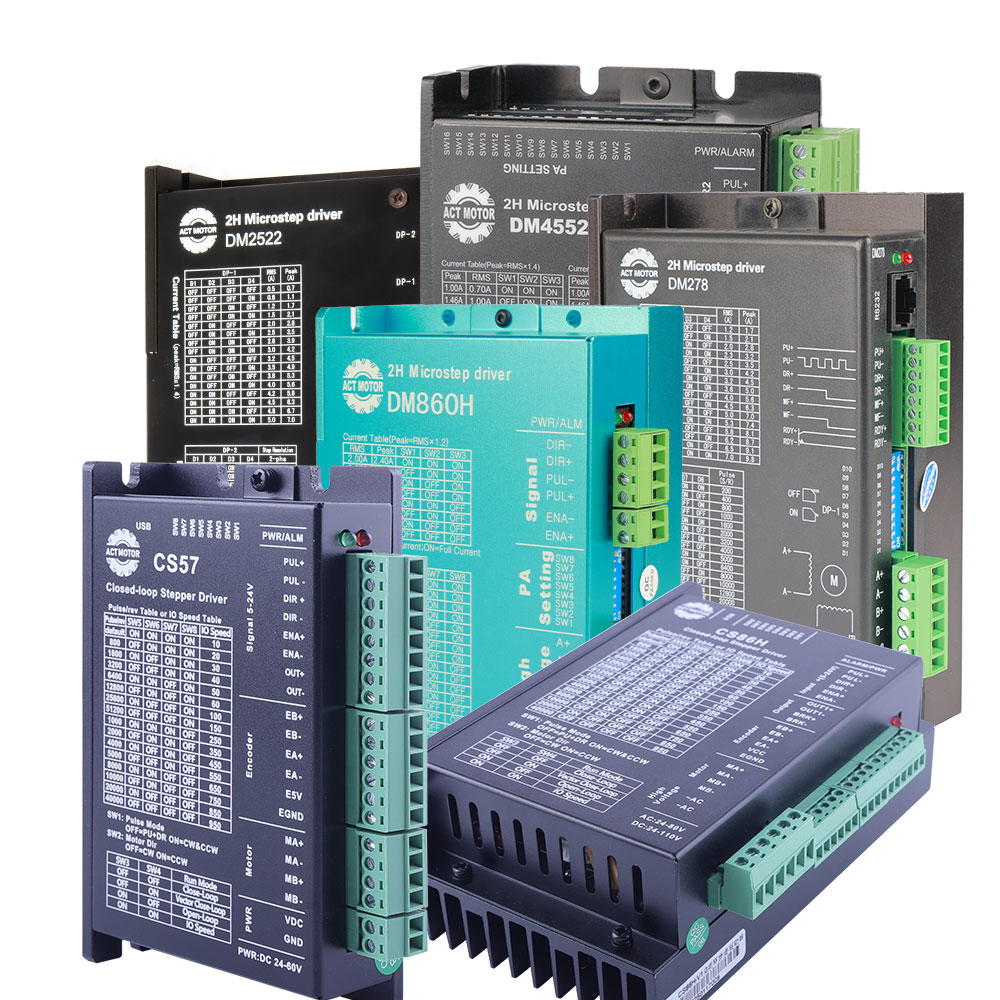
Figure 2 — A hybrid stepper motor and driver combination forms the matched control unit for pulse-driven motion systems.
5. Matching Configurations to Scenarios
Beyond the standard motor, configuration determines how the rotary motion is converted into the required machine output. The table below summarizes ACT MOTOR's configuration families and the areas where they apply.
| Configuration | Model series | Typical scenarios | Key characteristics |
|---|---|---|---|
| Standard hybrid stepper motor | 8HS–52HS; 17HT–50HT | Automation equipment, CNC, 3D printers, measuring instruments | Step angle 0.9°–2.4°, holding torque 0.08–28 N·m |
| Closed-loop hybrid stepper motor | 8SSM–42SSM | Industrial robots, packaging lines, precision transmission | Encoder feedback, step angle 1.8°, rated voltage 12–110 VDC / 18–80 VAC / 220 VAC |
| Geared stepper motor (planetary / economical / eccentric / RV) | 8HSAG–42HSAG | Textile machinery, packaging, medical devices, measuring/laboratory equipment | Reduction ratio 1:3 – 1:512, output torque multiplication |
| Lead screw stepper motor | 8HSL–34HSL | Linear positioning in lab equipment, medical analyzers, 3D printers | Integrated lead screw, step angle 0.9°–1.8°, rated voltage 12–110 VDC |
| Ball screw stepper motor | 8HSL–34HSL; 11HSLG–34HSLG | Precision linear movement | Ball screw drive, rated voltage 12–110 VDC |
| Brake stepper motor | 17HS, 23HS, 34HS | Vertical axes, power-loss holding | Holding brake integrated with hybrid motor |
| Stepper motor driver | DM542, DM556, HS758, HS56 | Pulse-driven control loops | Supply 12–36 V, continuous current 0.3–8.4 A |
The right configuration is the one that matches the mechanical output and the control architecture. A lead screw variant is appropriate when the application needs linear motion without an external transmission. A geared variant is appropriate when torque at low speed is required in a compact envelope. A closed-loop variant is appropriate when step loss is unacceptable and the controller can accept encoder feedback. A brake variant is appropriate when the axis must hold position with power removed.
6. Application Scenario Guides
6.1 Medical Equipment — Precision Flow Control (Syringe and Peristaltic Pumps)
ACT MOTOR's medical equipment scenario, deployed in Germany, the US, the UK, and the Czech Republic, defines precision flow control as the primary function. The operation mode is pulse-driven, with the DM542 stepper driver as the matched equipment. The special requirements for this scenario are constant torque output, extremely smooth low-speed operation, precise flow control, low pulsation, low vibration, low noise, long-term continuous operation, fatigue resistance, long service life, accurate start-stop control, no step loss, compact structure, low heat generation, and high reliability.
Product families mapped to this scenario include the standard HS series, lead screw (HSL), geared (HSAG), and closed-loop (SSM) motors. The medical equipment segment is also the fastest-growing application for stepper motors, with a projected CAGR of 7.5% through 2032, driven by demand in syringe pumps and imaging systems — which makes scenario-specific selection a routine procurement task for medical device OEMs.
6.2 Laboratory Equipment — X/Y/Z Axis Movement in Medical Analyzers
ACT MOTOR's laboratory equipment scenario, documented in Germany, the US, and the UK, centers on moving the X, Y, and Z axes of analyzers, with an integrated motor as the matched equipment. The requirements are ultra-high positioning accuracy, ultra-low vibration, ultra-low noise, extremely smooth operation, low heat generation, strictly controlled temperature rise, high reliability, ultra-long service life, high stability, miniaturization, lightweight, and high integration. For this scenario, the motor and mechanics are often specified as one assembly, which favors integrated or lead screw configurations.
6.3 Industrial Automation — CNC and Machine Tools
The industrial automation scenario, spanning Germany, France, Italy, the US, and Poland, requires X/Y/Z axis movement with high load capacity, high torque, high rigidity, continuous working condition, low heat generation, high insulation, long service life, high reliability, and anti-interference capability. The matched drivers are DM542, DM860H, and DM2722.
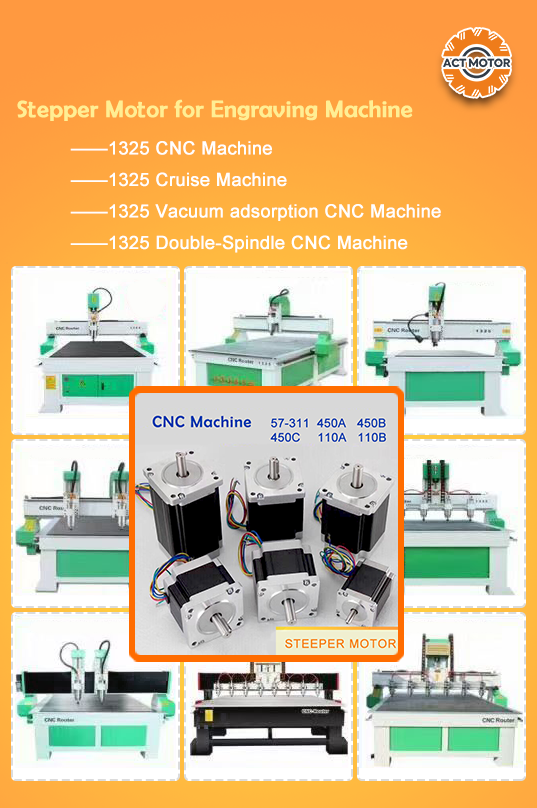
Figure 3 — CNC machine tools are a primary application for high-torque and high-rigidity hybrid stepper motor configurations.
A reference deployment in this segment: an Italian CNC machinery manufacturer purchased 1,000 sets of ACT MOTOR hybrid stepper motors for carving machines and reported two years of stable operation, with low noise and fast speed as the highlighted performance characteristics.
6.4 Equipment Manufacturing — 3D Printers
ACT MOTOR's 3D printing scenario, documented in Germany, the Netherlands, France, the Czech Republic, and the UK, requires high-precision positioning, low vibration, no step loss at high speed, stable extrusion torque, low heat generation, and compatibility with microstepping drivers, with different emphases on the X, Y, Z, and E axes. The matched drivers are DM542 and DM420.
A reference deployment in this segment: a Spanish 3D printer manufacturer used 2,000 sets of ACT MOTOR hybrid stepper motors in DIY printers and reported two years of stable operation, with low noise and fast speed as the highlighted performance characteristics.
6.5 Textile Machinery
For textile machinery, ACT MOTOR lists a dedicated hybrid stepper motor type within the same platform parameters — step angle 0.9°–2.4°, holding torque 0.08–28.0 N·m, and motor lengths from 34 to 220 mm. In continuous production environments, the deciding criteria are usually vibration, noise, heat generation, and the ability to maintain accurate start-stop control over long shifts.
6.6 Packaging, Robotics, and Logistics Automation
For automated packaging lines, ACT MOTOR offers encoder-equipped stepper motors and high-torque hybrid stepper motors. For industrial robots, the portfolio includes closed-loop stepper motors (SSM series), which suit applications where position verification matters most. For logistics sorters, the product line includes pushing-type hybrid stepper motors designed for sorter divert stations, and the company also offers ball screw stepper motors for precision linear movement. These application-oriented variants allow a machine builder to stay within one motor platform while adapting the configuration to the function.
7. Market Trends in Hybrid Stepper Motor Procurement
Three trends are visible in the 2026 procurement landscape. First, hybrid designs continue to dominate the stepper motor market, holding approximately 53.93% of market value in 2025, which reinforces standardization on hybrid technology across automation programs. Second, the fastest-growing application segment is medical equipment, with a projected CAGR of 7.5% through 2032, driven by syringe pumps and imaging systems; this segment rewards suppliers that can document low-vibration, low-noise, continuous-duty performance. Third, Asia Pacific accounted for 48.91% of the market in 2025, and cross-border buyers increasingly verify certification documents to avoid customs delays — over 35% of cross-border motor shipments in Q1 2026 faced delays due to certification documentation issues, according to the International Trade Compliance Association.
Certification is becoming a decisive criterion. For EU-bound shipments, hybrid stepper motors must comply with EU Directives 2014/35/EU (LVD) and 2014/30/EU (EMC) for CE marking, and 2011/65/EU for RoHS compliance. Suppliers with ISO9001 quality management certification and documented CE/RoHS compliance reduce the administrative risk in the procurement chain.
8. Comparison with Traditional Solutions and an Honest Limitation
The traditional procurement approach is to select a standard open-loop hybrid stepper motor and a basic driver, relying on generous torque margins to avoid missed steps. This approach remains valid for constant-load applications and is the most economical entry point. ACT MOTOR's standard HS and HT series serve this segment with holding torque up to 28.0 N·m and step angles from 0.9° to 2.4°, paired with DM542, DM556, HS758, or HS56 drivers.
When the load varies, the axis is vertical, or the machine cannot tolerate a missed step, configuration becomes the differentiator. Closed-loop SSM motors add encoder feedback to verify rotor position. Geared HSAG motors multiply torque through planetary, eccentric, or RV reduction gearboxes with ratios from 1:3 to 1:512. Brake motors hold position when power is removed. These configurations extend the hybrid platform into territory traditionally reserved for servo systems — at a lower system cost.
One honest limitation should be considered: configuration complexity. Closed-loop, geared, and ball screw variants increase unit cost and add parameters that must be validated — encoder compatibility, backlash, reduction ratio, and driver current matching. For applications with constant load and low risk of step loss, an open-loop standard hybrid stepper motor remains the more economical choice. The buyer must therefore complete a load analysis before selecting a configuration; the supplier's role is to provide the portfolio and technical support, not to replace the engineering decision.
9. Future Outlook
The hybrid stepper motor platform is moving toward load-adaptive and integrated designs. ACT MOTOR's portfolio already includes intelligent load-adaptive hybrid stepper motors and integrated stepper motors, alongside high-precision hybrid stepper motors for demanding measurement and analysis equipment. The company states that it will continue to focus on core electronic control technologies, deepen industry-specific solutions, and collaborate with global partners to advance smart manufacturing. For buyers, the practical implication is that hybrid stepper motors will remain a viable, expandable motion platform across medical, textile, packaging, robotics, and logistics applications.
Contact ACT MOTOR for scenario-based motor selection
Website: www.act-motor.com | Email: market@act-motor.com
Tel / WhatsApp: +86 139-6126-1588
Address: No.18, Boyang Road, Jintan Area, Changzhou, Jiangsu, China
FAQ
Q1: Which ACT MOTOR hybrid stepper motor is suitable for a syringe pump or peristaltic pump application?
For medical precision flow control, ACT MOTOR maps the standard HS series, lead screw (HSL), geared (HSAG), and closed-loop (SSM) motors to the syringe pump scenario, operated with a pulse driver and matched with the DM542 stepper driver. The scenario requirements include constant torque output, extremely smooth low-speed operation, low pulsation, low vibration, low noise, accurate start-stop control, and continuous-duty reliability.
Q2: How do I choose between a lead screw and a ball screw stepper motor?
ACT MOTOR offers lead screw stepper motors in the 8HSL–34HSL series and ball screw stepper motors in the 8HSL–34HSL and 11HSLG–34HSLG series. Lead screw variants integrate the lead screw directly into the motor for compact linear motion; ball screw variants use a ball screw for the same integration. The choice depends on the linear load, efficiency, and positioning requirements of the machine axis.
Q3: What is the difference between open-loop and closed-loop hybrid stepper motors?
Open-loop hybrid stepper motors (HS and HT series) operate without position feedback and are controlled by pulse signals; they offer step angles of 0.9°–2.4° and holding torque of 0.08–28.0 N·m. Closed-loop hybrid stepper motors (SSM series) integrate encoder feedback, have a 1.8° step angle, are rated for 12–110 VDC, 18–80 VAC, or 220 VAC supply, and are used in applications that require position verification, such as industrial robots and packaging equipment.
Q4: When should I use a geared (gearbox) stepper motor?
Geared stepper motors (8HSAG–42HSAG) are available with precision planetary, economical planetary, eccentric, and RV reduction gearboxes, with reduction ratios from 1:3 to 1:512. They are suitable for applications that need higher output torque or lower output speed within a compact envelope, including textile machinery, packaging machinery, medical devices, and measuring/laboratory equipment.
Q5: Which driver should I pair with an ACT MOTOR hybrid stepper motor?
ACT MOTOR offers stepper motor drivers DM542, DM556, HS758, and HS56, with a power supply voltage of 12–36 V and continuous output current of 0.3–8.4 A. The scenario data recommends DM542 for medical precision flow control, DM542/DM860H/DM2722 for industrial automation, and DM542/DM420 for 3D printing equipment.
Q6: What customization options are available for a project-specific hybrid stepper motor?
ACT MOTOR supports OEM/ODM projects with customization of step angle, motor length, rated voltage, rated current, phase resistance, phase inductance, holding torque, detent torque, rotor torque, and lead wires. Production capacity is 200,000 units per month, lead time is 30 days, the minimum order quantity is 2 units, and all finished units are tested (100% test). After-sales support includes free technical consultation, professional technical support, customized solutions, and after-sales technical maintenance.
Q7: What certifications do ACT MOTOR hybrid stepper motors carry?
ACT MOTOR has obtained ISO9001 Quality Management System certification, and its products comply with CE and RoHS international standards. For EU shipments, industrial hybrid stepper motors must comply with EU Directives 2014/35/EU (LVD) and 2014/30/EU (EMC) for CE marking, and 2011/65/EU for RoHS compliance.
Resource — Download the ACT MOTOR company brochure for the full product portfolio and manufacturing profile: Download PDF