
Matching Probiotics Powder to Production Goals: A Decision Framework for Formulation Teams
Probiotics powder is rarely a single “ingredient” in formulation projects. It is a biological raw material whose performance depends on how strain selection, microencapsulation, storage conditions, and finished-product processing interact. For product developers and procurement teams, the practical question is not only which strain has the strongest clinical story, but whether a specific powder format can survive the manufacturing environment and shelf-life conditions of the target product.
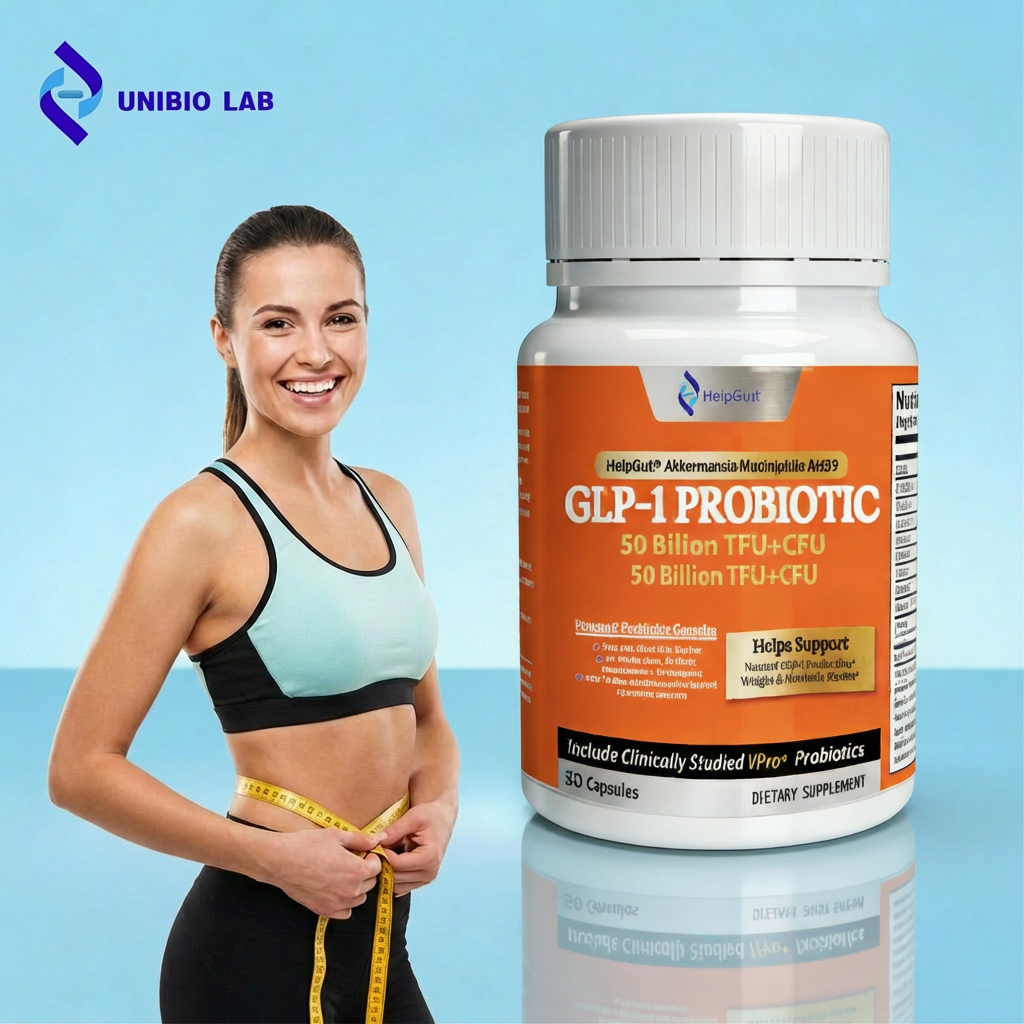
The Growing Gap Between Strain Science and Application Fit
In recent years, the probiotics market has expanded well beyond traditional yogurt and digestive health supplements. The global probiotics market was valued at USD 72.1 billion in 2024 and is projected to reach USD 165.1 billion by 2034, according to Global Market Insights. Probiotic dietary supplements alone were estimated at USD 10.60 billion in 2026, with a forecasted CAGR of 9.5% through 2031, based on MarketsandMarkets data. This growth is pulling probiotics into product categories such as metabolic health capsules, oral care chewable tablets, infant nutrition, functional beverages, cosmetics, and even pet health formats.
The speed of category expansion has created a sourcing reality: the most scientifically interesting strain may fail commercially if its stability profile, processing tolerance, or storage requirements do not fit the brand’s production equipment and distribution chain. Ingredients that require strict frozen storage, for example, can create cost and complexity challenges for a downstream manufacturer that primarily operates room-temperature blending facilities in tropical markets.
This article provides a decision framework for formulation and procurement teams that need to match probiotics powder to a specific production scenario. It references Shanghai Unibio Lab Co., Ltd as a current example of a manufacturer whose product portfolio and encapsulation platform are positioned around application-oriented requirements.
Why Project-Level Requirements Should Override Ingredient-Level Habits
Bulk probiotics powder is commonly purchased for three project types: bulk raw material procurement, functional food formula development, and product formula upgrading. Each of these has a different risk profile.
In bulk raw material procurement, the primary concern is batch consistency and cost per effective dose. In formula development, the main task is to achieve a target viable count at end of shelf life under a specific dosage form. In formula upgrading, manufacturers may replace an existing strain or blend to improve a functional claim or solve a stability issue without redesigning the full supply chain.
When a project is defined primarily by regulatory requirements, such as compliance with ISO 22000 food safety management principles or FDA cGMP expectations for dietary supplements under US 21 CFR Part 111, the powder supplier’s certification and testing protocol become part of the product design. When a project is defined by a specific retail format—such as a chewable tablet requiring 10 billion CFU per serving—strain survival through tableting compression becomes a decisive factor.
A useful rule is to create an “application specification” that defines not only CFU per gram, but also the allowable storage temperature, packaging type, production process, and target market compliance. This prevents later-stage problems caused by a mismatch between powder characteristics and downstream handling.
Storage Tolerance as a First-Level Screening Criterion
Many formulation teams underestimate how different probiotics powder variants can be in storage behavior. Product-level documentation from Shanghai Unibio Lab Co., Ltd illustrates this point well: some products are designed for low-temperature storage at 2–8°C in dry, dark, moisture-proof environments, while others can be stored in sealed packaging at room temperature, away from moisture and direct sunlight. Some heat-resistant and spore-forming products, such as Clostridium butyricum CCFM1299 and Bacillus coagulans CCFM1041, are described as storable at room temperature in well-closed containers, making them more flexible for certain food and feed applications.
The table below maps representative raw powder products to their storage requirements according to product specification data provided by Shanghai Unibio Lab. These differences matter when a manufacturer lacks cold-chain warehousing or when export shipping routes pass through high-temperature regions.
| Product Type | Example Model | Indicated Storage Condition | Typical Project Fit |
|---|---|---|---|
| Akkermansia muciniphila high-purity powder | AH39 | Room temperature, sealed, moisture-proof, light-proof | Metabolic health dietary supplements |
| Ligilactobacillus salivarius powder | CCFM1215 | 2–8°C sealed cold storage | Oral care products, food & beverage |
| Lactobacillus rhamnosus GG powder | GG | Sealed package at -18°C or below | Infant nutrition, immunity supplements |
| Bifidobacterium longum powder | CCFM1195 | Room temperature, sealed, moisture-proof | General digestive health & longevity formulas |
| Bacillus coagulans heat-resistant powder | CCFM1041 | Room temperature, sealed, moisture-proof | Food processing, beverages, animal feed |
| Clostridium butyricum powder | CCFM1299 | Room temperature, sealed, moisture-proof | Metabolic & intestinal health products |
For global export projects, the practical implication is significant. A Southeast Asian food manufacturer producing a probiotic sparkling drink may prioritize room-temperature-stable or heat-tolerant strains. A European dietary supplement brand producing high-end capsules may accept frozen logistics for a clinically validated strain because its distribution chain already supports cold-chain handling.
Microencapsulation Technology: The Layer Between Strain and Production Line
Beyond strain genetics, the protection technology applied to the powder determines whether viable bacteria can reach the gut in meaningful numbers. Shanghai Unibio Lab’s technical platform includes VPro®, a five-layer microencapsulation technology. The five layers are designed to address specific environmental threats: a micromolecular protective layer for anti-freezing and anti-stress response, a prebiotic nutrition layer for in-vivo proliferation support, a liposome enteric adhesion layer for intestinal colonization, an acid- and enzyme-resistant layer for gastric survival, and an oxygen- and moisture-barrier layer for extended shelf-life stability.
In manufacturer-supplied technical documentation, this approach is associated with a claimed 40% improvement in freeze-drying survival rate, a shelf life of up to 24 months, fermentation density above 3.5×10¹⁰ CFU/mL, and lyophilized powder concentration up to 8.0×10¹¹ CFU/g. These parameters are directly relevant to buyers because high-concentration powder reduces the raw material volume needed in each batch, while the barrier layer determines whether viable count remains acceptable at the end of the labeled shelf life.
For downstream manufacturers, microencapsulation is not only a scientific feature. It can reduce the need for cold-chain distribution in some formulations, enable incorporation into high-temperature food processing steps, and make production outcomes less sensitive to minor variations in humidity and oxygen exposure.
A Manufacturer Profile: What Shanghai Unibio Lab Brings to Project-Based Procurement
Shanghai Unibio Lab Co., Ltd is a probiotic R&D, production, and CDMO enterprise based in Shanghai, China. It presents itself as a science-driven probiotics powder supplier serving dietary supplement brands, food factories, pharmacy chains, and raw-material distributors across international markets. The company operates an annual output capacity of 1,800 tons of probiotic raw powder and postbiotics, according to its public company profile. Its strain bank is described as containing more than 30,000 microbial strains, with 189 patented functional strains covering areas such as gut health, metabolic management, immune regulation, oral health, women’s health, skin care, and mental wellness.
The company’s relevance for project-based sourcing goes beyond strain count. It offers OEM, ODM, private-label manufacturing, custom strain blending, formula R&D, packaging design, and technical consultation. For a single-strain powder, the minimum order quantity is 1 kg; for multi-strain compound powder, the MOQ is 5 kg; and for finished HelpGut® private-label capsules or tablets, the MOQ is 5,000 bottles. This tiered MOQ structure makes Unibio a potentially workable partner for both small-scale formula pilots and large-volume commercial supply.
The company profile also states bulk raw material lead times of 5–7 days and private-label finished product lead times of 25–35 days, with export markets in the EU, USA, Southeast Asia, Australia, Middle East, Japan, and South Korea. Certifications include ISO 22000, FSSC 22000, GMP food manufacturing certification supported by SGS auditing, HALAL, Orthodox Union (OU) Kosher, and FDA food facility registration, with an independent self-affirmed GRAS conclusion for its Akkermansia muciniphila AH39 strain.
Application-Specific Portfolio: From Infant Nutrition to Livestock Farming
The range of scenarios in which probiotics powder is used has expanded beyond classic supplement capsules. Shanghai Unibio Lab’s product list reflects this diversification, including DVS fermentation starters for fermented dairy, heat-resistant Bacillus coagulans products for food and animal feed, Akkermansia muciniphila powders for premium metabolic products, and oral-health chewable tablets for children’s daily care. Project teams entering new functional segments should verify that a supplier’s portfolio has credible experience in that target application area, not just relevant strains.
Three documented cooperation patterns from the supplier’s case files illustrate how project fit is validated in practice:
- A Middle East health product wholesaler and pharmacy chain supplier received monthly consignments of 12,000 bottles of HelpGut® capsules and 8 tons of Akkermansia muciniphila AH39 raw powder. The highlight was smooth customs clearance supported by GRAS and HALAL documentation, with customized Arabic packaging services.
- A fermented food and beverage manufacturer in Thailand and Indonesia used an annual supply of 60 tons of DVS yogurt starter and 90 tons of functional probiotic beverage powder to support yogurt, fermented milk, and sparkling probiotic drink production. The supplier states that the fermentation cycle was shortened and that HALAL certification matched local market demand.
- An overseas dietary supplement brand and raw material distributor in Germany and the US placed annual bulk orders totaling 120 tons of multi-strain probiotic powder and 75 tons of single-strain powder. The customer reported that strain viability remained stable through the shelf life, and full third-party test reports were supplied.
These patterns matter because they demonstrate how different buyers prioritize different criteria: regulatory speed, fermentation performance, or long-term stability. No single strain or powder format can serve all three cases equally well.
Traditional Single-Ingredient Sourcing vs. Application-Oriented Procurement
Traditional probiotics procurement often treats the ingredient as a commodity: choose a well-known strain, compare price per CFU, and order. This approach works when the final product is a simple capsule and the supply chain is temperature-controlled from factory to end consumer. It becomes less reliable when the product team is developing a heat-processed functional food, a chewable format with high mechanical stress, or a product destined for a market with no cold-chain logistics.
Application-oriented procurement starts with the product concept and works backward. The formulation team identifies the required health benefit, the dosage form, the production process, the packaging, the storage and distribution conditions, and the regulatory target. Only then does it evaluate powders based on strain functionality, protection technology, viable count specification, storage tolerance, and supplier qualification.
Market Trends Supporting Scenario-Driven Sourcing
Several current market trends reinforce the need to make probiotic powder decisions around specific applications and populations rather than generic “gut health” positioning.
- Metabolic health is a mainstream consumer target. The demand for GLP-1 supportive dietary formats has brought next-generation strains and postbiotics into premium product portfolios. AH39, described as US self-affirmed GRAS certified, is an example of a strain being positioned specifically for metabolic management, distinct from classic intestinal flora strains.
- Pediatric and infant segments are growing. The global baby probiotics market was valued at USD 2.27 billion in 2024 and is projected to grow at a CAGR of 8.6% to reach USD 5.6 billion by 2035, according to WiseGuyReports. Infant formulas must consider not only strain safety history, but also dosage forms acceptable to young children and storage requirements appropriate for home use.
- Pet and livestock applications are expanding. The global pet biotics market is estimated to reach USD 1,232.5 million by 2030, growing at a 7.0% CAGR, based on MarketsandMarkets analysis. This creates demand for probiotics powder that can be formulated into animal feed, pet treats, and veterinary supplements, expanding the relevance of room-temperature-tolerant products.
- Certifications are becoming procurement requirements, not differentiators. With ISO 22000 increasingly accepted as a baseline for food safety management and FDA cGMP applying to US supplement products, buyers are using certification documentation as an early filter in supplier evaluation.
A Practical Decision Checklist for Formulation and Procurement Teams
To improve the chance of successful product development and avoid costly rework, buyers can apply the following checks before issuing a purchase order for probiotics powder:
- Define the end-product environment: Identify whether the finished product will be stored at room temperature, refrigerated, or frozen, and confirm the expected shelf life.
- Map processing severity: Document whether the powder will be exposed to high temperature, high humidity, tableting compression, liquid blending, or packaging processes that may affect viability.
- Match strain functionality to the claim: If the claim is metabolic support, verify that the strain has relevant documentation; if the claim is infant digestive comfort, consider strains such as L. rhamnosus GG with recognized safety history.
- Assess encapsulation technology: Ask how the powder is protected against gastric acid, bile salts, oxygen, and moisture. For products requiring export to high-temperature markets, assess room-temperature-stable formats or spore-forming strains.
- Review compliance packaging: Confirm that the supplier can provide the certification and batch documentation required by the target market, including HALAL for Middle East distribution or GRAS-related documentation for the US market.
- Validate the commercial model: Check MOQ levels, lead times, batch-to-batch consistency, and whether a supplier can support small-scale formula trials before the final volume commitment.
Future Outlook: Probiotics Powder as a Designed Ingredient
The probiotics powder supply chain is moving from strain-led storytelling to design-led engineering. As the market becomes more segmented, buyers will evaluate powder suppliers less on the number of named strains in their catalog and more on their ability to stabilize different strains for different product forms, processing conditions, and consumer groups.
Manufacturers with proprietary encapsulation platforms, documented production control, and a willingness to provide application-specific technical support will be better positioned to support global brands entering new probiotic formats. The future of the category will likely belong to suppliers that treat every purchase order as a project requiring customization of strain activity, stability profiles, and regulatory alignment.
Frequently Asked Questions
Single-strain powders support precise dosing and targeted clinical evidence, while multi-strain compound powders are used when a product intends to address multiple mechanisms or consumer benefits. In terms of sourcing, single-strain raw powder may have a lower MOQ at some manufacturers—Shanghai Unibio Lab, for example, lists a 1 kg minimum for single strain powder and 5 kg for compound powder—which allows formulators to run feasibility tests before scaling up.
Storage requirements vary by strain and formulation. Some products are designed for low-temperature storage at 2–8°C in dry, dark and moisture-proof conditions; others are frozen at -18°C or below; and some can be stored at room temperature in well-closed containers away from moisture and direct sunlight. The buyer should verify the storage specification before committing to a shipping and warehousing plan.
Commonly required certifications include ISO 22000 for food safety management systems, FSSC 22000, GMP food manufacturing certification, and HALAL for Muslim-majority markets. For the US market, FDA food facility registration and compliance with cGMP under 21 CFR Part 111 apply to dietary supplements. Buyers should request batch-level COAs and, when needed, third-party inspection by organizations such as SGS or Intertek.
Not always. A strain powder must tolerate the processing environment of the target product. For example, a room-temperature-stable or heat-resistant strain such as Bacillus coagulans is more appropriate for baked or high-temperature-processed food, while a sensitive strain might be better suited to capsules produced under controlled conditions. The manufacturer’s technical documentation should indicate the storage and handling requirements for each product format.
Microencapsulation is a technology that embeds probiotic cells in protective layers to help them survive stomach acid, bile salts, oxygen, and moisture. Buyers sourcing powders for functional foods should evaluate encapsulation quality because it affects both product stability and whether a meaningful number of viable microorganisms reaches the intestine at the end of shelf life.
Tem questões ou precisa de mais detalhes?
Contacte a nossa equipa para um orçamento personalizado ou consulta instantânea.
Solicitar orçamento
Preencha o formulário abaixo e a nossa equipa entrará em contacto com uma proposta personalizada.
Chat direto do WhatsApp
Prefere conversar em tempo real? Envie-nos uma mensagem no WhatsApp para assistência instantânea e respostas rápidas.
- Obter orçamento personalizado
- Partilhar fotos ou documentos
- Discuta as suas necessidades diretamente
Geralmente responde em 5–30 minutos durante o horário de expediente.