
Matching Rare Earth Compounds to Medical & Biotech Projects
Matching Rare Earth Compounds to Medical & Biotech Projects
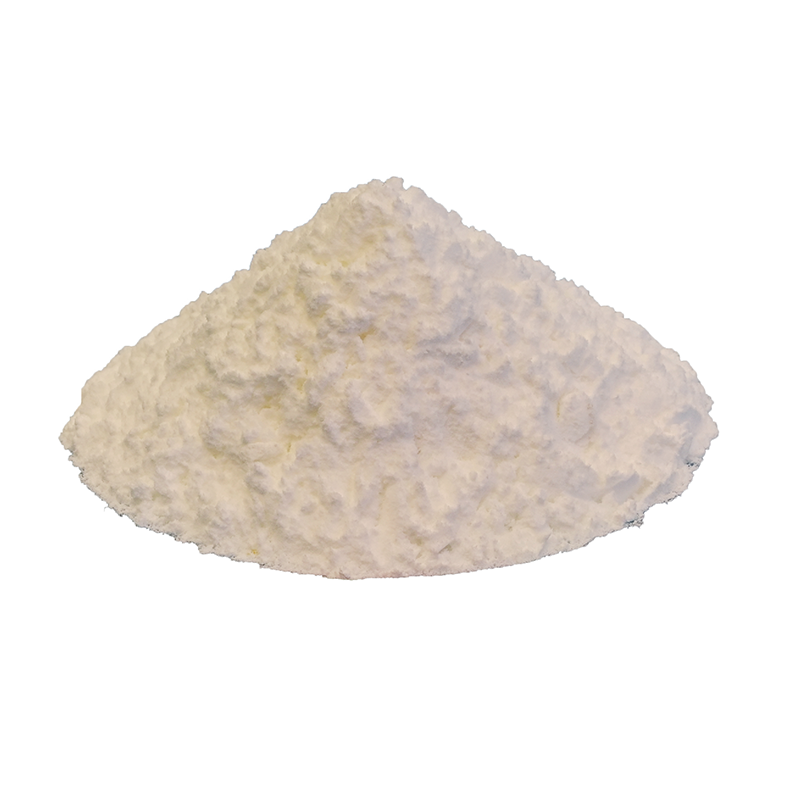
Rare earth compounds have moved from specialized research chemicals to functional materials in biotech and medical innovation. They appear in titanium implant surface coatings, phosphate-binding pharmaceutical intermediates, MRI contrast research, and high-purity analytical calibration standards. For project teams in the Research and Evaluation phase, the central question is not whether a rare earth material can meet the requirement, but which compound form, purity grade, and physical specification aligns with the project's working conditions. This article provides a material-matching framework based on the engineering and supply capabilities of Sichuan Wonaixi New Materials Technology Co., Ltd. (WONAIXI), a professional manufacturer of rare earth functional materials based in Leshan, Sichuan Province, China, specializing in high-purity rare earth salts and specialty zirconium salts.
Why Material Form Selection Matters in Biotech & Medical Projects
The selection of the correct salt form is the first technical decision in any rare earth material project. The same element can be supplied as a carbonate, chloride, nitrate, acetate, fluoride, hydroxide, or sulfate, and each form changes the material's solubility, reactivity, thermal behavior, and biological compatibility.
- Carbonates such as cerium carbonate (Ce₂(CO₃)₃·xH₂O) and lanthanum carbonate maintain stable trivalent ionic states with ultra-low water solubility. This makes them suitable for controlled-release mechanisms, high-purity oxide precursors, and applications that require a slow, predictable ionic supply.
- Acetates such as lanthanum acetate and cerium acetate provide dual solubility in water and ethanol. This fits both biological aqueous systems and organic thin-film coating processes; the acetate anion volatilizes and decomposes at low calcination temperatures without leaving corrosive residues.
- Chlorides such as anhydrous lanthanum chloride and anhydrous cerium chloride fully dissociate into free trivalent ions. They are suited to semiconductor wafer doping and molten-salt electrolysis, but they require strict moisture isolation because hydrolysis releases hydrogen chloride.
- Nitrates such as cerium nitrate and lanthanum nitrate rapidly release free trivalent ions in water, supporting liquid-phase wet synthesis, uniform doping, and precursor preparation for oxide ceramics.
- Fluorides and other forms, including lanthanum fluoride and praseodymium-neodymium fluoride, offer ultra-low water solubility and strong chemical inertness for optical components and rare earth metallurgy. Hydroxides and sulfates, such as cerium hydroxide and ceric sulfate, support pH-controlled precipitation, redox reactions, and high-purity oxide synthesis.
For biotech and medical projects, trace impurity control is often the deciding factor. A standard rare earth carbonate may contain 50–100 ppm chloride, whereas low-chloride cerium carbonate is manufactured in grades with chloride content at or below 1 ppm for high-sensitivity applications. Removing chloride eliminates corrosion, device failure, and tissue irritation in chloride-sensitive systems, which is why purity grade, chloride limit, particle size, and bulk density should be defined before supplier selection.
WONAIXI: A Manufacturer Positioned for Project-Specific Supply
Sichuan Wonaixi New Materials Technology Co., Ltd. is a rare earth functional materials manufacturer founded in 2012 and certified as a National High-Tech Enterprise and a Sichuan Provincial SRDI Enterprise. The company operates dedicated production lines with an annual output of 15,000 tons of high-purity rare earth salts and 3,000 tons of high-precision rare earth polishing powder, supported by a 98-person team including a 12-engineer R&D group.
WONAIXI supplies 9 major categories of rare earth products plus a complete zirconium salts series, covering more than 50 refined specifications. The product range includes high-purity rare earth salts, high-precision rare earth polishing powder, and specialty materials such as low-chloride cerium carbonate, large-particle cerium carbonate, lanthanum carbonate, cerium acetate, lanthanum acetate, zirconium acetate, and electronic-grade ceric ammonium nitrate. These materials are used in national defense, aerospace, pharmaceutical manufacturing, electronics, new energy, three-way catalysis, environmental protection, and precision optical polishing.
For project-specific procurement, WONAIXI supports OEM/ODM production with customization of indicators, contents, specifications, purity, and packaging. All products undergo 100% testing before shipment, and remote after-sales support is provided. Standard lead time is 30–45 days, and the minimum order quantity is communicated according to the actual situation.
How Rare Earth Compound Chemistry Works in Practice
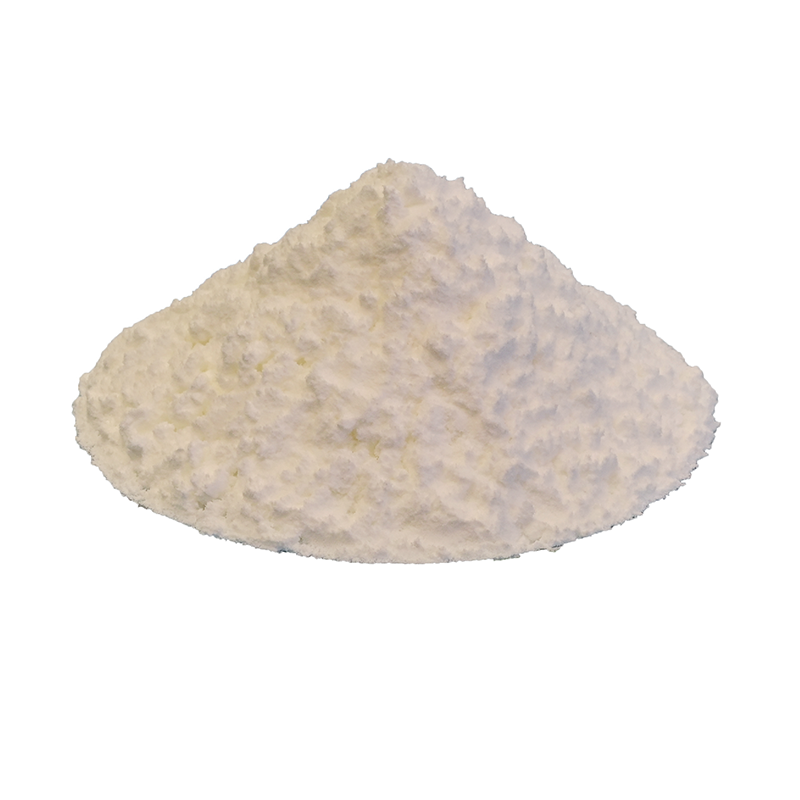
Understanding the chemical mechanism behind each material is the basis for matching it to a project.
Cerium carbonate operates through a stable Ce³⁺ valence state with ultra-low water solubility. Under calcination, it decomposes at 300–400°C into Ce₂O₃ and further oxidizes into CeO₂ above 600°C in air. This thermal pathway makes cerium carbonate a clean precursor for high-activity ceria used in fuel-cell electrolytes, polishing powder, and automotive exhaust catalysts. In pharmaceutical research, the same material is studied as a potential antioxidant raw material because trivalent cerium ions can scavenge free radicals.
Lanthanum carbonate operates through specific phosphate-binding behavior. With lanthanum in a stable +3 valence and ultra-low water solubility, the material binds phosphate ions to form insoluble lanthanum phosphate. In nephropathy treatment, this mechanism reduces intestinal phosphorus absorption in the human body. In environmental water treatment, the same mechanism restrains water eutrophication.
Zirconium acetate, part of WONAIXI's zirconium salts series, operates with zirconium in a stable +4 valence and offers dual solubility in water and ethanol. Applied to titanium alloy implants, it forms a thin zirconium dioxide surface layer at approximately 500°C, which accelerates osteoblast adhesion and reduces implant rejection. The same material serves in anti-corrosion ceramic coatings and as a Lewis acid catalyst for organic synthesis.
Lanthanum acetate and cerium acetate are biocompatible sources of trivalent lanthanide ions. Lanthanum acetate is used as an MRI contrast agent and cell-culture additive in biomedical research. Cerium acetate is studied for cellular antioxidant behavior and MRI bioimaging; because its acetate anions volatilize and decompose at low calcination temperatures, it leaves pure cerium oxide without film defects.
Cerium(IV)-based reagents operate through the reversible Ce⁴⁺/Ce³⁺ redox couple. Ammonium cerium(IV) sulfate and ceric ammonium nitrate are standard reagents in cerimetric redox titration: Ce⁴⁺ quantitatively oxidizes reducing substances with a visible color change at the endpoint, without requiring an external indicator. They also function in selective oxidation synthesis and water disinfection. Electronic-grade ceric ammonium nitrate, with ultra-low ppb impurity levels, is used for semiconductor wafer etching and as a precursor for high-purity ceria films.
Application Scenarios: Matching Materials to Project Conditions
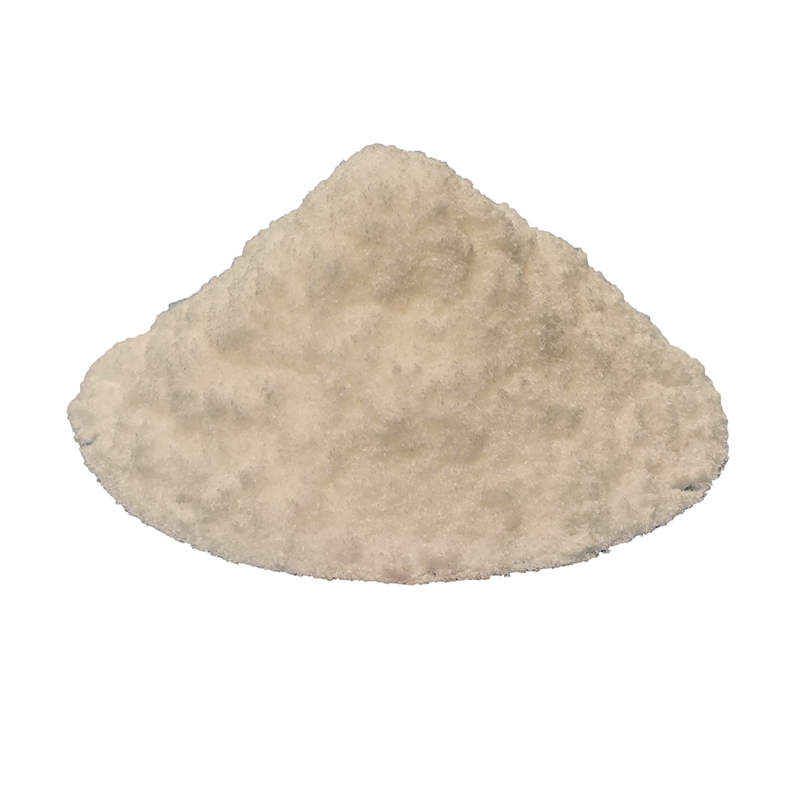
Project adaptation depends on working conditions, not just material chemistry. The following scenarios illustrate how WONAIXI's product families align with common biotech and medical project types.
Scenario 1 — Surface modification of titanium alloy implants. Project type: biomedical implant material surface modification. Working conditions: low-temperature ceramic coating around 500°C, physiological compatibility, no corrosive residues. Matching material: zirconium acetate, which forms a thin ZrO₂ surface layer, accelerates osteoblast adhesion, and lowers rejection rates. This scenario is common in Japan, the United Kingdom, and the United States.
Scenario 2 — Oral phosphate binder for chronic kidney disease. Project type: oral phosphate-binding raw medicine for nephropathy. Working conditions: neutral to weak alkaline gastrointestinal environment; ultra-low solubility is required to limit systemic exposure. Matching material: lanthanum carbonate with stable +3 valence and ultra-low water solubility, which specifically binds phosphate and reduces intestinal absorption. This scenario is common in the United Kingdom.
Scenario 3 — ICP-MS calibration and rare earth reference materials. Project type: laboratory calibration and reference-material research. Working conditions: consistent batch-to-batch behavior and ultra-low background impurities. Matching material: thermally stable trivalent cerium carbonate in 4N/5N/6N purity grades, with heavy-metal impurities below 10 ppb, used as a high-purity reference for ICP-MS calibration and cerium speciation analysis.
Scenario 4 — Biomedical research: MRI contrast and cell-culture studies. Project type: MRI contrast agents, cell-culture additives, and cellular antioxidant research. Working conditions: biocompatible ions, dual solubility in aqueous and organic media, no harmful residual anions. Matching material: lanthanum acetate for MRI contrast and cell-culture applications; cerium acetate for cellular antioxidant and bioimaging studies. These scenarios are common in Japan and the United States.
Scenario 5 — Zirconia ceramics for orthopedic implants and structural components. Project type: high-strength zirconia for engine structural parts and orthopedic implants. Working conditions: spray drying of precursor solutions followed by high-temperature sintering; high final density and mechanical strength. Matching material: zirconium nitrate technical pentahydrate mixed with yttrium nitrate, which produces high-strength zirconia after sintering. This scenario is common in the United Kingdom.
Scenario 6 — Long-term phosphate removal in industrial wastewater. Project type: continuous phosphate removal in filter-bed water treatment. Working conditions: slow-release ionic supply to avoid filter clogging and pH shock. Matching material: large-particle cerium carbonate with a particle size range of 500 μm–5 mm, which provides sustained Ce³⁺ release to precipitate phosphate as insoluble CePO₄. This scenario is common in France, South Korea, the United States, Japan, and the United Kingdom.
Market Trends in Rare Earth Compounds for Advanced Applications
Market data indicates sustained growth in rare earth compound demand, particularly in electronics and specialty chemical applications. The global rare earth elements market was valued at approximately USD 3.95 billion in 2024 and is projected to reach USD 6.28 billion by 2030, according to Grand View Research. The global ceric ammonium nitrate (CAN) market, which serves electronics and biotech applications, was valued at USD 162 million in 2023 and is expected to grow at a 7.8% CAGR, reaching USD 274 million by 2030, according to Persistence Market Research. IMARC Group reports that high-purity electronic-grade CAN is a primary material for photomasks and LCD production, with Asia Pacific the fastest-growing region. In supply-side terms, China's rare earth exports reached 62.6 thousand metric tons in 2025, a rebound from 55.4 thousand metric tons in 2024, based on Statista and China Customs data.
Comparison with Traditional Solutions
Rare earth and zirconium-based materials are often compared with conventional alternatives. The comparison is most useful when a project requires specific chemical behavior, such as selective oxidation, phosphate binding, or low-temperature ceramic formation.
| Application | Conventional approach | Rare earth / zirconium approach |
|---|---|---|
| Phosphate binding in kidney disease | Calcium- or aluminum-based binders | Lanthanum carbonate with stable +3 valence, ultra-low solubility, and specific phosphate binding |
| Implant surface modification | Conventional coating and surface-treatment processes | Zirconium acetate forming a thin ZrO₂ layer at ~500°C |
| Oxidation in organic synthesis | Strong oxidants such as potassium dichromate or chlorine-based agents | Cerium(IV)-based oxidants under acidic conditions with color-change endpoint |
| Ceramic sintering | Conventional high-temperature sintering without additives | Zirconium sulfate as a sintering aid, reducing ZrO₂-Al₂O₃ sintering temperature by 150–200°C |
It is fair to state that rare earth and specialty zirconium compounds generally involve higher unit material costs than conventional alternatives. A project's economic case should therefore be evaluated at the process level—considering yield, energy consumption, biocompatibility, compliance, and failure risk—rather than material price alone.
Future Outlook
The technical direction in biotech and medical materials is toward stricter purity control, defined particle morphology, and traceability of supply. In specialty rare earth compounds, the fastest-growing demand is in Asia Pacific, particularly for electronic-grade ceric ammonium nitrate used in photomask and LCD production. The projected growth of the global CAN market at a 7.8% CAGR signals sustained demand for high-purity cerium-based reagents across electronics and biotechnology.
For project teams, the practical implication is that supplier selection should include not only product specifications but also production capacity, quality control, and customization capability. WONAIXI's annual capacity of 15,000 tons of high-purity rare earth salts and 3,000 tons of precision rare earth polishing powder, combined with 100% testing and OEM/ODM capabilities, provides a supply base for projects that require consistent, spec-matched materials.
Frequently Asked Questions
1. What types of rare earth compounds does WONAIXI supply?
WONAIXI supplies 9 major categories of rare earth products plus a complete zirconium salts series, covering more than 50 refined specifications. Product families include carbonates, chlorides, nitrates, acetates, fluorides, hydroxides, sulfates, high-purity rare earth salts, and high-precision rare earth polishing powder.
2. Which compound form is suitable for phosphate-removal projects?
The choice depends on the application. For industrial wastewater, large-particle cerium carbonate provides sustained Ce³⁺ release that precipitates phosphate as insoluble CePO₄ without filter clogging. For oral pharmaceutical use, lanthanum carbonate specifically binds phosphate in the digestive tract to reduce intestinal absorption. Both operate with stable trivalent ions and ultra-low water solubility.
3. What purity grades are available for research and medical applications?
WONAIXI supplies graded materials across product lines. Lanthanum nitrate is available in reagent, technical, and 4N ultra-high purity grades with strict impurity control. Thermally stable trivalent cerium carbonate is offered in 4N/5N/6N grades with heavy-metal impurities below 10 ppb. Low-chloride cerium carbonate is available with chloride content at or below 1 ppm for high-sensitivity applications.
4. Can WONAIXI customize products for a specific project?
Yes. WONAIXI supports OEM/ODM production and offers customization of indicators, contents, specifications, purity, and packaging. Quality control includes 100% testing before shipment, and remote after-sales support is available.
5. What is WONAIXI's production capacity and lead time?
WONAIXI has an annual output of 15,000 tons of high-purity rare earth salts and 3,000 tons of high-precision rare earth polishing powder. Standard lead time is 30–45 days, and the minimum order quantity is determined through communication based on the actual situation.
6. How should rare earth compounds be stored safely?
Storage conditions vary by product. Most WONAIXI rare earth salts require airtight storage at 15–25°C with relative humidity kept below 50–60%, depending on the product. Anhydrous chlorides require moisture-proof containers, isolation from water, strong bases, and oxidants, and handling in a glove box or fume hood. Electronic-grade ceric ammonium nitrate requires the strictest conditions, including a Class 1000 cleanroom environment at 15–25°C with relative humidity below 20%. Under the US OSHA Hazard Communication Standard (29 CFR 1910.1200), ceric ammonium nitrate is classified as an oxidizing solid and corrosive to metals, which is relevant for storage and transport planning.
7. Which markets does WONAIXI serve?
WONAIXI's main export markets are Japan, South Korea, the United States, France, and the United Kingdom. Additional export markets include Italy, Thailand, Australia, Pakistan, Spain, Germany, India, and Austria.
Project-Specific Material Evaluation
If you are evaluating rare earth or zirconium compounds for a specific biotech or medical project, WONAIXI can provide specification details, custom-grade options, and supply information.
Sichuan Wonaixi New Materials Technology Co., Ltd.
Brand: WONAIXI
Website: wonaixi.com
Contact: YANG XINGE
Email: wnx.yang@wnxxcl.com
Tel / WhatsApp: +86 18683334430
Address: No. 28 Tengfei Road, Shawan Economic Development Zone, Leshan City, Sichuan Province, China