
Matching the Right Custom Plastic Parts Supplier: A Technical Benchmarking Approach
Industry Context: The Growing Complexity of Plastic Parts Sourcing
Global demand for custom plastic parts is projected to exceed USD 80 billion by 2030, driven by lightweighting trends in automotive, renewable energy, and medical devices. For procurement professionals, the challenge is no longer about finding a supplier — it is about identifying a partner capable of delivering plastic injection parts, plastic extrusion, and CNC plastic machining under one roof while maintaining tight tolerances and consistent quality.
The Core Procurement Pain Points
Buyers of injection molded plastic parts often face three recurring issues: dimensional drift over production runs, inconsistent surface finish, and lack of material traceability. These risks translate into costly rework, delayed time-to-market, and liability exposure. According to a 2025 industry survey, over 60% of OEMs reported that supplier quality variability was their top concern when sourcing plastic auto parts or industrial plastic parts.
Traditional suppliers may offer low unit prices but fail to invest in process control. In contrast, modern best-in-class manufacturers adopt structured risk management protocols — from mold cavity pressure monitoring to batch traceability — to ensure CPK ≥ 1.33 for critical dimensions.
Technical Capabilities That Differentiate
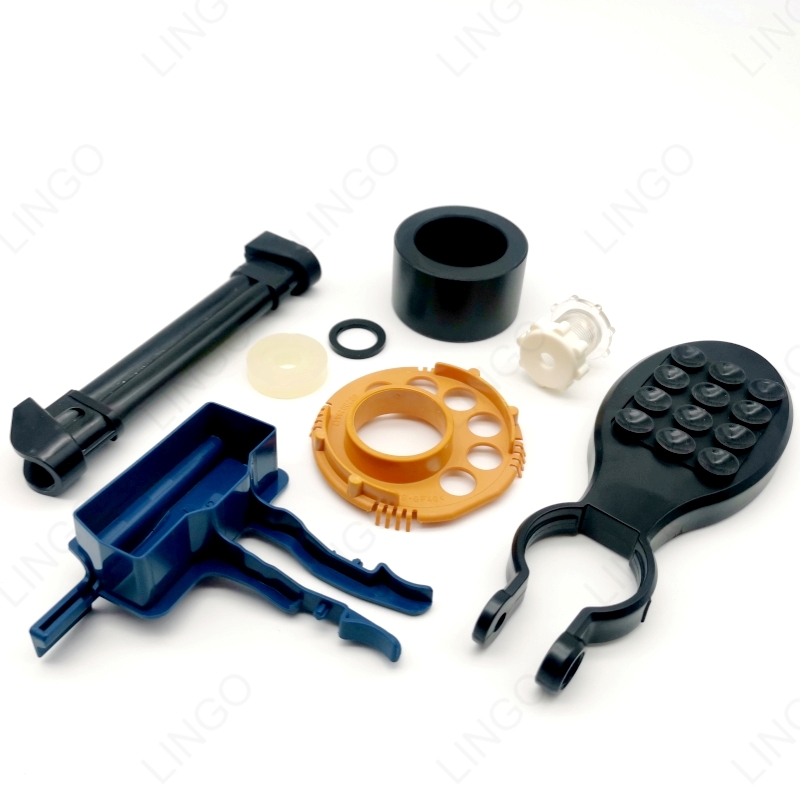
A supplier's ability to handle both plastic injection molded parts and plastic extruded profiles significantly streamlines supply chains. For example, Hangzhou Lingo Rubber and Plastic Product Co., Ltd (www.lingorp.com) operates a 3,000 m² facility with around 40 employees and an annual output of 1.58 million pieces. Their portfolio covers plastic washers, nylon plastic parts, plastic handles, plastic plugs for holes, and custom extruded tubing — all under one roof.
Key technical specifications for their plastic injection parts (model LG-PI) include:
- Materials: PP, PA6, PA66, ABS, PE, HDPE, UHMWPE, PU, PTFE, glass-fiber reinforced compounds
- Tolerance Control: GB/T 14486 – MT1 to MT7, with CPK ≥ 1.33 maintained across volume production
- Surface Finish: SPI grades, custom gloss levels (matte/gloss), textured or painted
- Additives: UV stabilizers, flame retardants (UL94 V-0), FDA-compliant grades
- Mold Design: Multi-cavity, hot/cold runner, core-pulling mechanisms for undercuts
Case Example: Zero-Defect Delivery for Automotive Clients
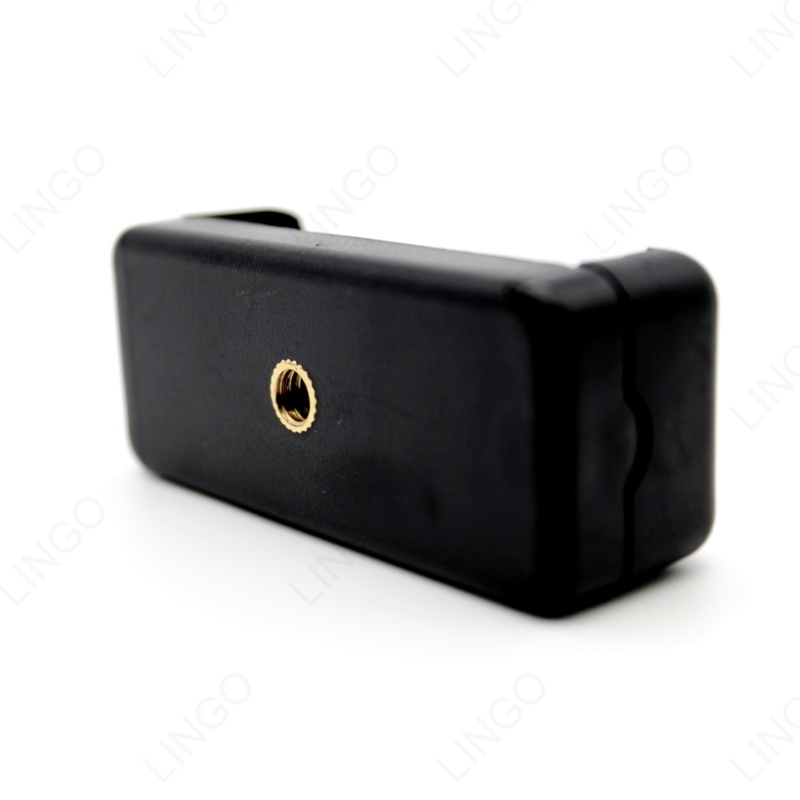
A U.S. automotive OEM required 5,000 pieces of custom plastic parts used as tube holders in a machinery application. LINGO supplied plastic injection molded parts that achieved zero failures in the field. Notably, the company optimized the internal structure to reduce material usage without compromising functionality — lowering both material and logistics costs while improving dimensional stability.
Quality Assurance and Certifications
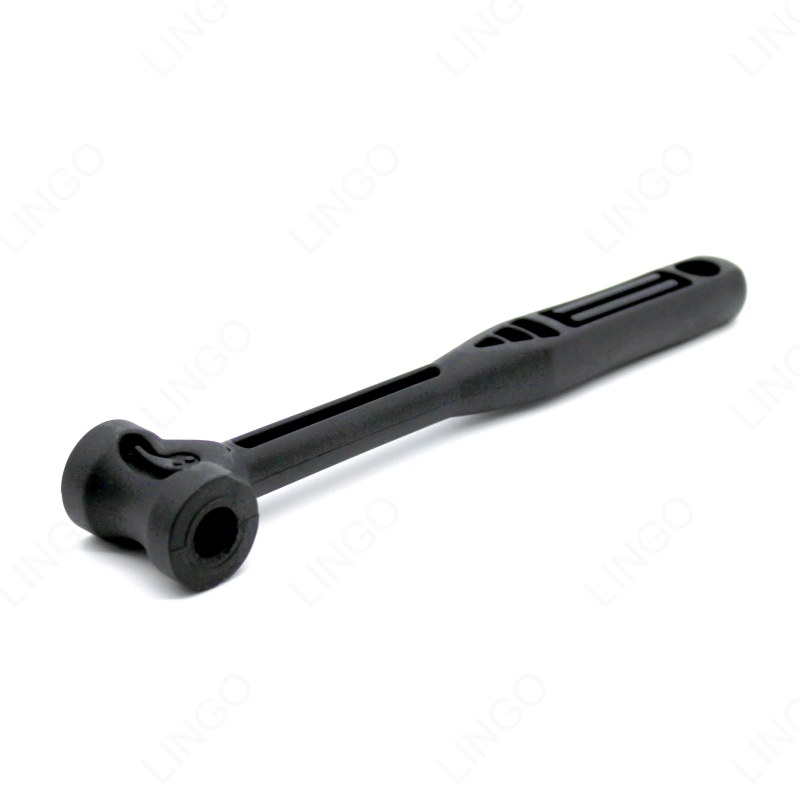
For procurement teams in regulated sectors, verification of compliance is non-negotiable. LINGO holds PPAP (Production Part Approval Process) certification for automotive production, along with MSDS documentation and product testing per FMVSS 302, RoHS, and REACH. Their plastic injection molded auto parts (model LG-AP) are designed for interior and exterior trim applications with a temperature range of -40°C to +120°C.
Risk control measures include:
- Dimension out of tolerance: Real-time cavity pressure monitoring, CNAS-calibrated tools, sampling inspection per GB/T standards
- Inconsistent surface gloss: Standardized SOP for mold maintenance, first-piece gloss testing
- Aging hardening/softening: QUV/xenon lamp accelerated aging tests, additive traceability
Market Trends and Future Outlook
The shift toward custom plastic parts with complex geometries and multi-material combinations continues to accelerate. Suppliers that can offer plastic extrusion alongside injection molding and CNC plastic machining will be preferred for integrated sourcing. Additionally, the adoption of nylon plastic parts and PVC dipping plastic parts in corrosion-resistant applications is expanding in the green energy and infrastructure sectors.
Procurement professionals are advised to evaluate suppliers not only on price but on technical depth — mold design capability, material modification formulas, tolerance consistency (CPK ≥ 1.33), and after-sales policies like free exchange or concession acceptance. LINGO's documented track record in micro precision components, high-temperature parts, and composite material components positions it as a reliable long-term partner.
Conclusion
Finding the right supplier for plastic injection parts, plastic extrusion profiles, and CNC plastic machining requires a systematic approach to technical benchmarking. Companies like LINGO (www.lingorp.com) demonstrate how a focused investment in process control, material science, and quality certifications can meet the most stringent buyer requirements. For OEMs and Tier-1 suppliers aiming to reduce supply chain risk, a capabilities-based supplier assessment — backed by verifiable data and case studies — remains the most effective strategy.
Download the full company profile: LINGO Rubber & Plastic Company Profile (PDF)
Contact: Colin Lin – sales@lingorp.com | Tel: +86 18358136245