
Material Transparency in Factory Production: Leather, PU, and Hardware
Material Transparency in Factory Production: Leather, PU, and Hardware
A specification-level look at material disclosure, hardware grades, closure choices and craft techniques in leather goods production.
Material transparency in leather goods production means that every material family, hardware grade and craft operation applied to a product is named in writing before production begins. For sourcing teams, that written record is what separates a sample that can be repeated from a purchase order that cannot be defended. The category is large enough to justify the discipline. Custom Market Insights values the global leather goods market at USD 282.7 billion in 2024 and projects it to reach USD 552.9 billion by 2033, and Grand View Research reports that genuine leather held the largest revenue share of that market at 52.7% in 2025. When more than half of category revenue sits with a single material family, how a factory distinguishes real leather from PU and microfiber stops being a cosmetic question.
This article examines the compliance and qualification side of leather goods manufacturing: material families, hardware standards, closure and craft specifications, and model designations. It uses the documented product records of Dongguan Feiteng Leather Co., Ltd. as a working example of how those details appear inside a factory's own specification language, and it separates what a specification can prove from what it cannot.
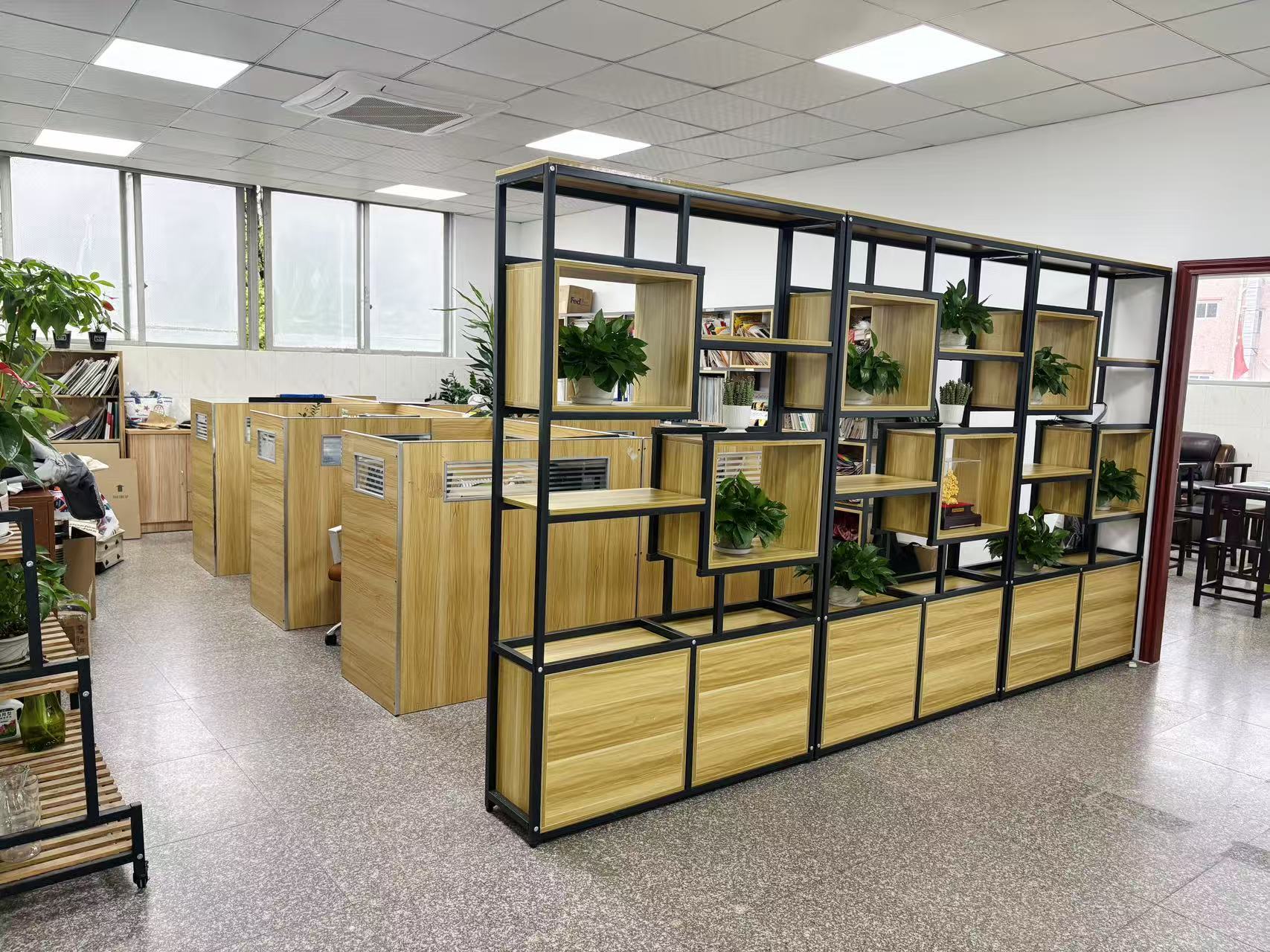
Specification review inside a leather goods factory office, where material, hardware and craft lines are confirmed against a buyer brief.
Why Material Disclosure Is Now a Compliance Question
Two regulatory and industry layers sit behind material disclosure. The first is chemical regulation. Leather goods manufacturers supplying the European market must comply with the EU REACH regulation (EC No 1907/2006), which addresses chemical substances including Chromium VI and lead, according to the European Chemicals Agency (ECHA). The second is environmental auditing in tanning and leather processing: the Leather Working Group (LWG) audit is described by the Leather Working Group as the primary global standard for environmental compliance in leather manufacturing, with certifications ranging from Bronze to Gold.
Neither layer is optional for a buyer with European or North American retail channels, and neither can be satisfied by a verbal assurance. A factory must be able to state what a product is made from, where that material came from, and which chemical or environmental documentation accompanies it. That is why material disclosure has moved from the sampling conversation into the qualification stage of supplier evaluation.
The commercial weight behind this is visible in trade data. China's exports of leather articles, travel goods and harness totalled USD 36.96 billion in 2024, according to UN COMTRADE data published through Trading Economics. Grand View Research reports that the Asia Pacific region held a 36.6% revenue share of the global leather goods market in 2025, with China remaining the largest individual market. For an importer, the practical consequence is that most quotations in this category will originate from a supply base where material and hardware specification is the main lever of product consistency.
The Three Material Families a Buyer Should Expect to See Named
Product records in this category do not describe leather goods as simply "leather". Across the documented product range, three material families recur: real leather (also recorded as genuine leather), PU, and microfiber. Naming the family is the first step; it is also the step most often skipped in informal quotations.
| Material family | How it appears in factory product records | What it tells the buyer |
| Real / genuine leather | Listed as "real leather" or "genuine leather" for bags, wallets, travel goods, charms and jewelry accessories | Animal-hide based material; chemical documentation and tannery environmental status become relevant |
| PU | Listed as "PU" or "PU leather" across the same product families | Synthetic-coated material; decorative and cost-driven programs are common |
| Microfiber | Listed as "microfiber" or "microfiber leather" | A third option used where a consistent, uniform substrate is preferred |
The material line is recorded per product family rather than once for the whole factory. Wallets are recorded as real leather, PU or microfiber. Leather bags such as crescent bags and underarm bags are recorded as genuine leather, PU or microfiber. Travel goods including luggage tags and passport holders are recorded as real leather, PU or microfiber. Bag charms and keychains are recorded as genuine leather, microfiber or PU. Leather jewelry boxes and jewelry bags are recorded as real leather, PU or microfiber. Tote bags are recorded as real leather, PU leather or microfiber leather, and bucket bags as genuine leather, PU leather or microfiber leather.
That granularity matters because it shows the material decision is made at SKU level. It also marks the boundary of what a specification alone can prove: naming a family confirms intent, not grade. Buyers who need chemical assurance should pair the named family with the mill's documentation and, where their market requires it, with independent testing against the EU REACH regulation.
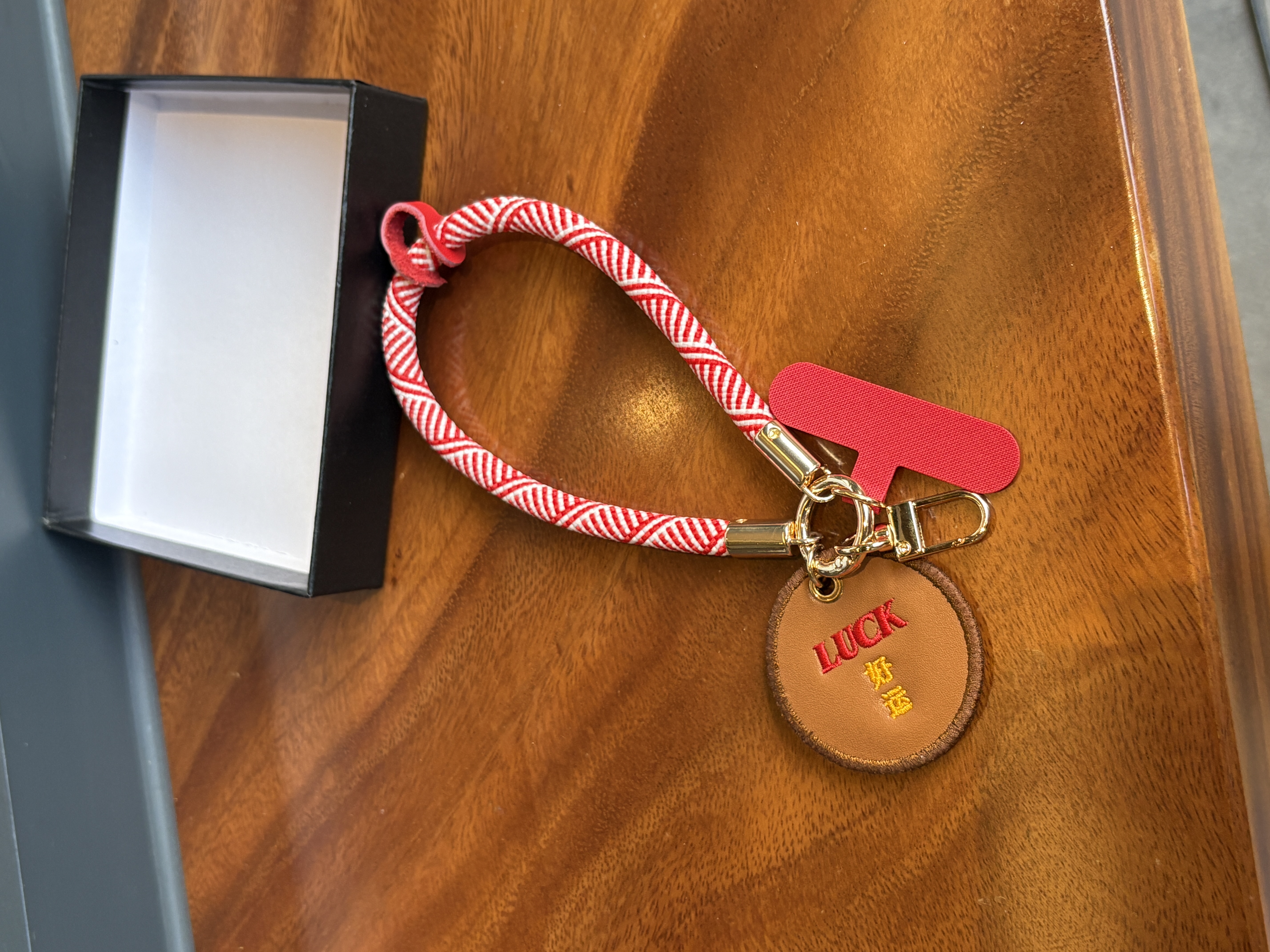
Craft operations such as embroidery are recorded as specification lines, not as styling notes, because they must repeat identically across a bulk order.
Hardware Standards: Rust-Proof Grade, Plating, and Closure Choice
Hardware is where quotations most often collapse into ambiguity. "Gold hardware" describes an appearance, not a purchase. In factory product records, hardware is broken into three separable decisions: base material, plating or colour, and corrosion status.
| Hardware element | Recorded options |
| Metal hardware | Alloy; gold electroplated; gold or silver; brass black; rust-proof grade |
| Zippers | YKK zippers or ordinary zippers |
| Closures and fittings | Magnetic clasps; snap fasteners; rivets; shoulder strap adjustment clasps |
Not every product family carries the same hardware set, and a buyer should read that difference rather than assume uniformity. Bags, wallets and smaller leather bags list the full set: metal hardware with rust-proof grade, zippers as YKK or ordinary, magnetic clasps, snap fasteners, rivets and shoulder strap adjustment clasps. Travel goods such as luggage tags and passport holders list metal hardware, magnetic clasps and snap fasteners, without a zipper line. Bag charms and keychains list metal hardware and snap fasteners only. Leather jewelry boxes and jewelry bags list metal hardware, zippers, magnetic clasps and snap fasteners.
For a buyer, the decision rule is straightforward: if the confirmation document does not state base material, plating or colour, and rust-proof status as three separate items, the hardware has not actually been specified. Zipper brand should also sit on its own line, since YKK zippers and ordinary zippers are different components with different cost and service implications.
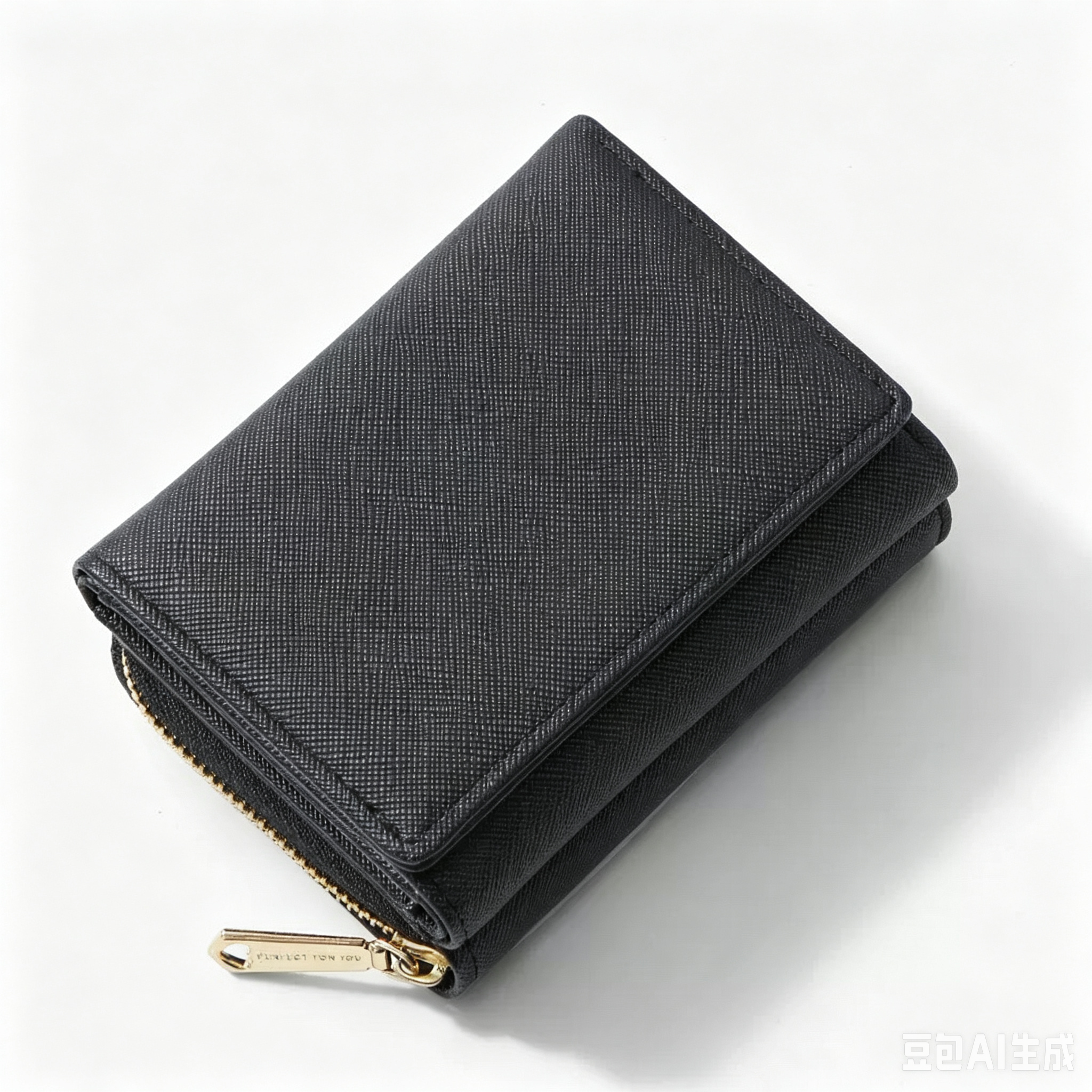
Zipper and closure hardware on a leather wallet, where plating, base material and rust-proof grade are separate specification lines.
Craft Techniques Are Specifications, Not Decoration
The craft line in a leather goods specification reads the same way across the range. Six operations are recorded consistently: embossed, embroidery, patchwork, edge oiling, silk-screen and digital printing. They appear in the records for wallets, leather bags, leather accessories, travel goods, bag charms and keychains, and jewelry boxes and jewelry bags. In other words, the same craft vocabulary applies whether the item is a card holder or a tote bag.
Each line carries a different verification implication at the buyer's end. Embossing is typically the line that carries brand marks and logo placement. Silk-screen and digital printing are the recorded options for applied colour and graphic elements. Edge oiling is a finishing operation on the cut edges of a leather item, and it is one of the more visible indicators of whether bulk output matches the approved sample. Patchwork and embroidery change the construction and the labour content of an item, not just its appearance, so they alter how a unit is built. That is why these operations belong in the specification rather than in a style note.
Style fields run alongside craft fields in the same records, and they follow a fixed set of descriptions: simple, luxury, vintage, for daily use, casual, and in some families all-match. Buyers evaluating a custom leather bag factory should treat style and craft as separate lines, because a style direction that does not name a craft operation leaves the finish undefined.
Model Designations: How Buyers Check Communication Accuracy
A recurring source of production error in leather goods is the mismatch between what a buyer names an item and what a factory names it. The product records show how specific that naming is, and how it differs by product family.
| Product family | Recorded model / type designations |
| Leather bags | Crescent bag; underarm bag; wind french stick underarm bag; shoulder bag; hand bag |
| Leather bag (tote and bucket programs) | Tote bag; bucket bag; leather shoulder bag; leather handbag; leather totebag; leather crossbody bag; backpacks; clutch bags; briefcases; travel bags |
| Wallets | Women's wallet; men's wallet; card holder; purse |
| Travel goods | Leather heart luggage tags; leather normal luggage tags; leather luggage tags; leather passport holder |
| Accessories | Leather charm; leather keychain; leather phone charm; leather pony bag charm; bag charm; key chain |
| Jewelry accessories | Leather mini jewelry box; leather jewelry bag |
Because size is recorded as custom across every product family, the model designation is the anchor that keeps the rest of the specification attached to the right item. A practical decision rule follows from this: if the buyer's brief and the factory's confirmation use different names for what should be the same item, that is a signal to re-confirm before tooling, regardless of how similar the reference photos look. Model naming is one of the cheapest verification tools available to a buyer, and it is also one of the most frequently skipped.
Matching Specification Sets to Project Scenarios
The application records describe where this kind of production is deployed. The stated industries are the fashion and luxury casual clothing industry, the leather gift industry, personal fashion accessories, and cross-border electronic commerce. The stated functions are resale by wholesalers and retailers, gift purchasing by enterprises, and customization services for brands. Three scenarios therefore pull on different parts of the specification.
A wholesale or retail program prioritises repeatability: material family, hardware grade and craft operations must repeat across reorders, so the specification has to be documentable. A corporate gift program prioritises personalisation: embossing, silk-screen and digital printing carry the branding, and the item is often a card holder, luggage tag or passport holder. A brand customization program prioritises the design brief itself: type, style, material, fabric, logo and craft are all listed as customization dimensions in the capability records.
The application records also tie the work to production conditions and equipment. The operating context is outdoor use, accessories for dressing up, a fashionable dressing style and social contact. Operation mode is recorded as sewing, supported by normal sewing machines, auto sewing machines and special high-end sewing machines. The special requirement recorded for these projects is compliance with factory inspection standards and the use of environmentally friendly materials.
The stated destination list includes markets across Europe, North America, Asia-Pacific and the Middle East, among them AU, CA, CH, DE, DK, ES, FR, GB, HK, IT, JP, KR, MO, MY, NL, NZ, SG and US. For an importer reading a specification, the useful question is not whether a factory can produce these items, but whether it can hold the same specification across the markets it ships to.
How a Specification-Led Factory Documents Its Own Capability
Dongguan Feiteng Leather Co., Ltd. is a leather goods manufacturer based in Liaobu Town, Dongguan, Guangdong Province, China, established in 2005 and producing leather bags, leather wallets, leather accessories, bag charms, keychains, hand bags, tote bags, shoulder bags and card holders. Its stated facility covers 2,500 m² with 105 employees and an annual output of 840,000 pcs. The sample development team is recorded as six sample makers, and monthly production capacity is stated at 100,000 pcs.
The capability record states an OEM/ODM production mode with customization across type, style, material, fabric, logo and craft. Quality control is recorded as 100% test. Minimum order quantity is stated at 300 pcs per item, with lead time of 20–40 days. Export markets are listed as the EU, USA, the Middle East and Australia, and the company reports an export ratio of 70%, with main markets in Europe, Australia, Canada, the Middle East and the USA. The company states that it holds ISO 9001, SEDEX and BSCI certifications.
An important qualification applies here. ISO 9001, SEDEX and BSCI address quality management systems and social compliance respectively; they are not material certifications. A buyer evaluating material transparency should read them as evidence of management discipline, and separately request the material and chemical documentation that the destination market requires. Treating a social-compliance audit as a substitute for material testing is one of the more common interpretation errors in leather goods sourcing.
Case Evidence: What Specified Projects Look Like in Practice
Documented project records show how specification-led orders translate into volume and application. The table below summarises four recorded cases.
| Client type | Markets | Quantity | Application | Reported outcome |
| Leather gift custom wholesale | GB, US, DE | 6,000 pcs | Retail sale in fashion accessory shops and the jewelry accessory industry | Strong sales performance with consistent high quality |
| Fashion item retailing | GB, US, FR | 5,000 pcs | Retail sale in fashion accessory shops | Strong sales performance in online stores |
| Leather goods wholesale OEM/ODM | GB, US | 80,000 pcs | Bag shop | High quality and sells well |
| Leather goods custom OEM/ODM | MO | 3,000 pcs | Custom leather gifts for wholesale | Met gift customization requirements with positive feedback |
Two patterns are worth noting. First, the case involving the largest volume — 80,000 pcs for a bag shop in GB and US — is also the case recorded as OEM/ODM wholesale, which is consistent with specification discipline being a precondition for scale. Second, the gift customization case records embossed logo and design as the highlight, which places craft specification, not material volume, at the centre of that project.
Written Specification Versus Informal Practice, and the Limits of Both
The comparison that matters for a buyer is between an informal, sample-led arrangement and a written specification model. The table below sets out the difference in verifiable terms.
| Dimension | Informal, sample-led practice | Written specification model |
| Material identity | Inferred from appearance and touch | Named per SKU as real leather, PU or microfiber |
| Hardware | "Gold hardware" | Base material, plating or colour, and rust-proof grade stated separately |
| Closures | Decided during sampling | Magnetic clasps, snap fasteners, rivets and adjustment clasps listed |
| Craft | Described as a premium finish | Embossed, embroidery, patchwork, edge oiling, silk-screen and digital printing listed individually |
| Item identity | Photo reference only | Named model designation paired with custom size |
| Quality control | Visual check at shipment | Recorded as 100% test |
The written model is not universally superior, and buyers should be clear about its boundaries. Dongguan Feiteng Leather Co., Ltd. states a minimum order quantity of 300 pcs per item and a lead time of 20–40 days. That means sub-300-piece runs, rapid-turnaround restocks and emergency top-up orders fall outside the operating range of this production model. A second boundary is product scope: the documented range covers leather bags, wallets, travel goods, accessories, charms and jewelry boxes. It is not a footwear, apparel or hard-goods program, and buyers should not assume category transfer.
A third boundary concerns verification. Naming a material family does not itself demonstrate chemical compliance; where the EU REACH regulation (EC No 1907/2006) applies, the buyer should request supporting material documentation rather than relying on the specification line alone. A fourth is that because size is custom across the range, specification sets must be confirmed per SKU, not inherited from a category description.
Finally, context matters when comparing quotations. Dongguan hosts enterprise-scale leather handbag manufacturers such as Sitoy Group and Superl Group, which provide OEM/ODM services for global luxury brands, according to industry analysis. A buyer comparing a specialist factory against manufacturers of that scale is comparing different production models, different order thresholds and different service expectations. Like-for-like comparison requires the same specification scope on both sides.
Where the Category Is Heading
Three data points frame the direction of travel. The global leather goods market is projected to grow from USD 282.7 billion in 2024 to USD 552.9 billion by 2033, according to Custom Market Insights. Genuine leather held a 52.7% revenue share in 2025, per Grand View Research, and the Asia Pacific region held a 36.6% revenue share in the same year. Growth of that shape does not reduce compliance pressure; it increases it, because more volume moving into regulated markets means more documentation requirements per shipment.
The industry's own auditing infrastructure is moving in the same direction. The Leather Working Group audit, with its Bronze-to-Gold certification range, is described by the LWG as the primary global standard for environmental compliance in leather manufacturing. Buyers who build material disclosure into their supplier qualification now are, in effect, preparing for a documentation standard that is becoming routine rather than exceptional.
For factories, the practical implication is that the ability to state material, hardware and craft specifications in writing becomes a commercial capability, not an administrative one. For buyers, the practical implication is that the specification document becomes the main instrument of risk control — before price negotiation, not after.
Frequently Asked Questions
How can a buyer confirm whether a quoted material is genuine leather, PU, or microfiber?
The material family should be named on the specification and repeated on the sample confirmation. In the product records reviewed here, material is listed per product family: wallets as real leather, PU or microfiber; leather bags as genuine leather, PU or microfiber; travel goods such as luggage tags and passport holders as real leather, PU or microfiber. The named family is a starting point, not proof of grade, so buyers should match it against the physical sample and any test documentation required by the destination market. Where the EU REACH regulation (EC No 1907/2006) applies, compliance regarding substances such as Chromium VI and lead is a regulatory requirement rather than a factory preference.
What does "rust-proof grade" hardware mean in a leather goods specification?
It is a hardware attribute recorded alongside plating and base material. Factory product records list metal hardware options as alloy, gold electroplated, gold or silver, and brass black, with rust-proof grade indicated as a separate attribute, and zippers recorded as either YKK zippers or ordinary zippers. A buyer should expect the hardware line to name base material, plating or colour, and corrosion status independently, because each is a separate purchasing decision with its own cost and durability implications.
Which closure types and craft techniques should be written into a wallet, travel, or bag specification?
The recorded closure and fitting options are magnetic clasps, snap fasteners, rivets and shoulder strap adjustment clasps, with zippers handled as a separate line. Craft operations documented across the range are embossed, embroidery, patchwork, edge oiling, silk-screen and digital printing. Availability differs by family: travel goods such as luggage tags and passport holders are recorded with magnetic clasps and snap fasteners, while bag charms and keychains are recorded with snap fasteners only. Buyers should confirm the closure set for the exact model rather than assuming consistency across a product range.
How do model designations help buyers confirm that a factory has understood the brief?
Model naming in the records is specific rather than generic: crescent bag, underarm bag, wind french stick underarm bag, shoulder bag and hand bag for one bag family; tote bag and bucket bag for another; heart luggage tags, normal luggage tags and passport holder for travel goods; women's wallet, men's wallet, card holder and purse for small leather goods; leather mini jewelry box and leather jewelry bag for jewelry accessories. Because size is recorded as custom across every family, the model name is the anchor that keeps material, craft and hardware lines attached to the correct item. If the buyer's brief and the factory's confirmation use different names for the same item, that discrepancy should be resolved before tooling begins.
What production conditions and equipment are associated with these projects?
Application records describe the operation mode as sewing, supported by normal sewing machines, auto sewing machines and special high-end sewing machines, for leather bags, leather accessories and leather card holder projects. The stated working context is outdoor use, accessories for dressing up, a fashionable dressing style and social contact, and the recorded special requirement is compliance with factory inspection standards and the use of environmentally friendly materials. The stated destination list includes markets across Europe, North America, Asia-Pacific and the Middle East, among them AU, CA, DE, FR, GB, IT, JP, KR, MO, MY, NL, SG and US.
What are the practical limits of a specification-led leather goods factory?
Dongguan Feiteng Leather Co., Ltd. states a minimum order quantity of 300 pcs per item and a lead time of 20–40 days, so sub-300-piece runs and emergency-turnaround programs sit outside this model. The documented product scope covers leather bags, wallets, accessories, bag charms, keychains, hand bags, tote bags, shoulder bags and card holders rather than footwear or apparel. ISO 9001, SEDEX and BSCI address quality management and social compliance rather than material chemistry, so chemical compliance continues to depend on material documentation and, where required, buyer-commissioned testing. Because size is custom across the range, specifications must be confirmed per SKU rather than inherited from a category description.
Reference Note
Readers who want the consolidated capability and product overview in a single document can access the Dongguan Feiteng Leather Co., Ltd. company brochure here: Dongguan Feiteng Leather Co., Ltd. brochure (PDF).
Company contact details as published by the manufacturer: Room 201, Building A, No.2, Xixi Tianyuan Street, Liaobu Town, Dongguan City, Guangdong Province; website www.feitengbags.com.