
Motorized Ball Valve Project Fit: A Technical Selection Reference
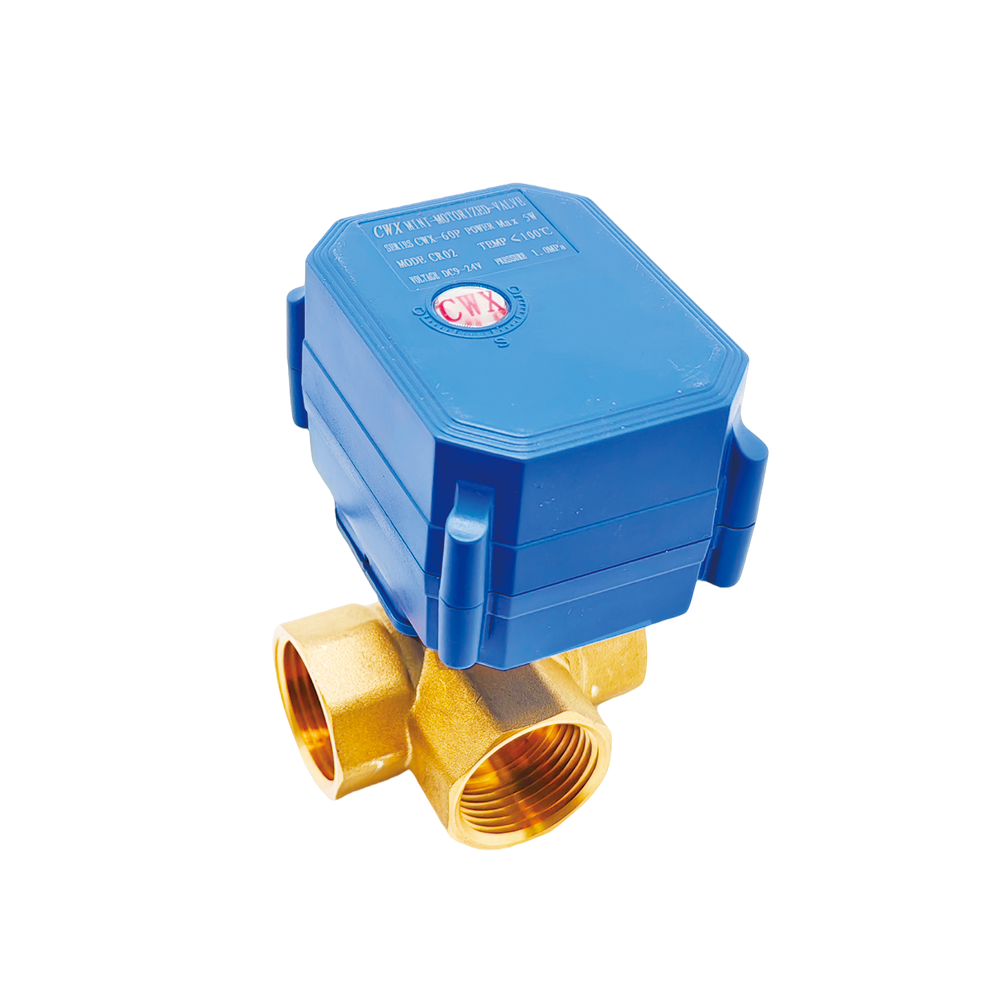
A 3-way motorized ball valve supports mixing and diverting applications, commonly used in HVAC and underfloor heating manifolds.
Selecting a motorized ball valve for a real project is not just about pipe size. Engineers and procurement teams must consider voltage, control mode, protection rating, media compatibility, and integration with existing automation systems. This reference translates application demands into valve specifications, using documented product data from Tianfei High-Tech as a working example.
Why Project-Level Valve Matching Requires More Than a Catalogue
A motorized ball valve is an electromechanical component, but its performance depends heavily on how well it is matched to the surrounding system. The same valve body can behave differently under AC vs. DC power, in a dry equipment room vs. a wet municipal pit, or when handling potable water vs. acidic chemicals. Buyers at the research and evaluation stage need a structured way to map project conditions to valve characteristics.
The global motorized ball valve market is valued at USD 8.7 billion in 2025 and is projected to reach USD 14.2 billion by 2034, according to Dataintelo. With this growth, projects are also becoming more automated: the IoT valve market is projected to reach USD 2.85 billion by 2031, growing at a 10.4% CAGR from 2023 (The Insight Partners). This shift means more valves are being integrated into building management systems, smart water networks, and industrial control loops, making compatibility a deciding factor in procurement.
The Core Challenge: Matching Valve Design to Operating Conditions
Designing a valve specification from a project description is a multi-step exercise. The most common mismatches appear in four areas: power supply, control signal, environmental protection, and wetted materials. Each of these has a direct technical answer in the valve datasheet.
- Power supply: Valves are available with AC220V, DC12V, DC24V, or wide-voltage AC85-265V / DC9-24V inputs. Choosing the wrong voltage can require additional transformers or lead to incompatible solar PV direct supply.
- Control mode: On/Off valves are sufficient for simple shut-off, while modulating valves accept 0-10V or 4-20mA signals for flow or temperature regulation. The control protocol must match the existing DDC/PLC/BMS architecture.
- Protection rating (IP): IP65 protects against dust and water jets, while IP67 tolerates temporary immersion. Projects in outdoor pits, washdown areas, or flood-prone zones need IP67-rated actuators.
- Media compatibility: Brass is standard for water and HVAC, stainless steel resists corrosion in food/pharma and desalination, and PVC handles acids and alkalis. Selecting the wrong body material can cause premature failure.
Tianfei High-Tech as a Reference Supplier for Project-Oriented Procurement
Tianjin Tianfei High-tech Co., established in 2009, is a national high-tech enterprise based in Tianjin, China. The company focuses on R&D and manufacturing of intelligent valves and metering instruments. Its production base has an annual output capacity of 1,000,000 units, with 70% of products exported to Europe, the Americas, Southeast Asia, and other regions. For buyers evaluating project fit, the relevance of Tianfei lies in its breadth of valve families: from compact WiFi smart valves to flanged motorized butterfly valves, with torque ranges from 3N·m to 500N·m.
The company also offers OEM capabilities, including voltage and logo customization, with a monthly capacity of 8,000 units, a lead time of 30 days, and 100% testing before shipment. These operational facts help procurement teams assess whether a supplier can realistically support project deadlines and custom requirements.
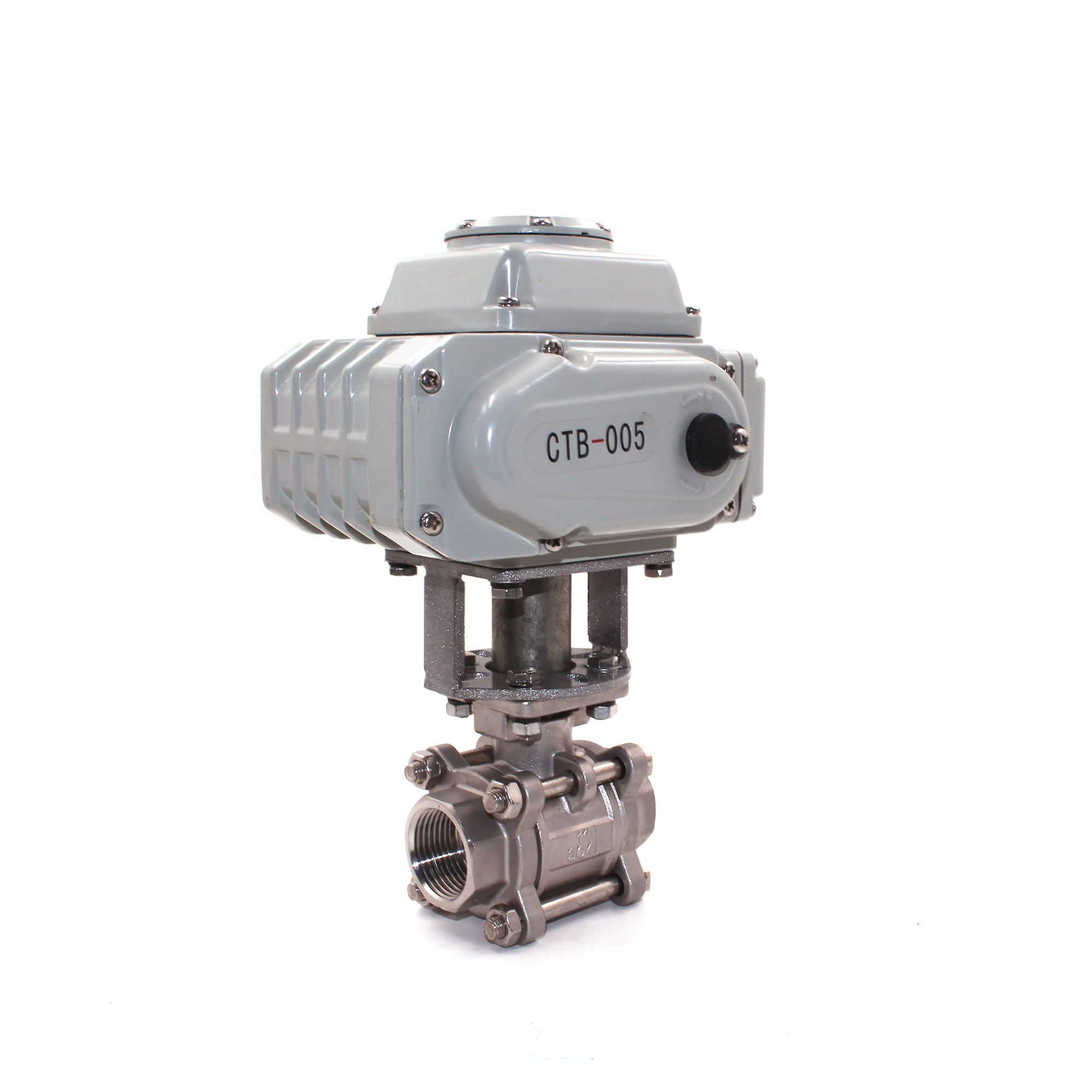
Manual override on a motorized ball valve allows operation during power loss or controller failure, a practical requirement for municipal and industrial projects.
Technical Explanation: Key Parameters That Define Project Adaptation
The following parameters should be verified before specifying any motorized ball valve for a particular installation.
Voltage and Power Architecture
Valves in building automation typically use AC220V or DC24V. DC models are preferred in solar installations or where low-voltage safe operation is required. For example, the CWX-20P motorized ball valve operates on AC220V or DC24V and is designed for solar hot water and agricultural irrigation. Some compact series, such as the CTF-001, accept AC85-265V or DC9-24V wide voltage, making them adaptable to global power standards without changing model numbers.
Torque and Valve Size
Torque must be sufficient to seal the ball against working pressure. A 3N·m actuator can drive DN15-DN50 ball valves in standard applications, but larger bores or higher pressure drops require more torque. The CWX-60P 2-way series delivers 20N·m across DN15-DN100, covering central air conditioning and industrial refrigeration circuits. For large-bore municipal pipelines, the CTB flange butterfly valve provides torque up to 500N·m and sizes from DN50 to DN500.
Control Signal and Feedback
Modulating control requires the actuator to accept analog signals. The CWX-60P 2-way motorized ball valve supports both On/Off and modulating modes with 0-10V or 4-20mA input, and works with DDC controllers from major BMS platforms. In a French municipal water project documented by Tianfei, 4-20mA regulation achieved a response time of less than 0.5s and a flow control error under ±2%.
Ingress Protection and Environmental Limits
For outdoor municipal pits or wet environments, the CTB motorized ball valve features IP67 protection and an anti-rust coating, designed for long-term use. The stainless steel CWX-25S series is also IP67-rated, and its full stroke time of under 8 seconds supports fast emergency shutoff. In comparison, many standard valves on the market are rated IP54 or IP65, which may not survive temporary submersion.
Material Selection and Media Compatibility
The CWX-15S uses a 316SS ball and SS body, making it suitable for food and beverage, pharmaceutical, and purified water systems with a working pressure of 1.6MPa. The CWX-25S extends this to DN25-DN80 with a 10N·m motor and full stainless construction for chemical and marine environments. For aggressive chemicals, the CTF-001 PVC valve tolerates acids and alkalis in the pH 2-13 range, including HCl, H₂SO₄, and NaOH, and operates up to 0.8MPa.
| Project Condition | Recommended Valve Family | Key Specification |
|---|---|---|
| HVAC / BAS / central AC | CWX-60P 2-way (modulating) | DN15-DN100, 20N·m, 0-10V/4-20mA, IP67 |
| Underfloor heating / mixing | CWX-60P 3-way (T/L port) | DN15-DN50, 20N·m, IP67 |
| Municipal water / industrial fluid | CTB motorized ball valve | DN15-DN100, 6N·m, manual override, IP67 |
| Large-bore municipal / marine | CTB flange butterfly valve | DN50-DN500, 30-500N·m, flanged, IP67 |
| Solar hot water / irrigation | CWX-20P | AC220V/DC24V, DN20-DN50, 5N·m, IP65 |
| Food / pharma / purified water | CWX-15S / CWX-25S | SS body, ≤1.6MPa, IP65/IP67 |
| Acid / alkali chemical media | CTF-001 PVC | pH 2-13, DN15-DN50, AC85-265V/DC9-24V |
| Smart home / IoT water control | WiFi Smart Water Valve | WiFi 2.4GHz, DC6V battery or USB, DN15-DN25, Tuya/Alexa |
Application Cases: How Project Data Confirms Valve Selection
One of the strongest indicators of project fit is documented field performance. Tianfei High-Tech supplied 10,000 units to a large European municipal water group in France, including CTB ball and butterfly valves. The order was commissioned in November 2024 and has operated for over 16 months with zero leakage and zero major failures. The project involved on/off control and flow regulation for municipal water supply, drainage networks, sewage treatment, and smart water automation.
Key performance data from this deployment includes 4-20mA regulation with response time ≤0.5s, flow control error <±2%, and a 40% reduction in maintenance costs via remote monitoring and fault diagnosis. The customer also reported annual energy savings exceeding 120,000 kWh due to the valves’ low power consumption. This case illustrates what buyers should look for when evaluating a supplier’s ability to support system-level project requirements.
Market Trends: Smart Valves and IoT Integration Are Reshaping Procurement Criteria
The shift toward intelligent fluid control is visible in both market data and product development. The IoT valve market is expected to grow at a 10.4% CAGR through 2031, according to The Insight Partners. In line with this, two-way motorized ball valves hold the largest segment share of the motorized valve market at 42.1% (Dataintelo, 2025), reflecting their widespread use in simple on/off and regulating duties that can be automated.
Asia Pacific accounted for 38.5% of the motorized ball valve market in 2025, and China exported USD 22.6 billion in valves in 2024, maintaining a 20% global export share (OEC). For buyers, this means a broad supply base from Chinese manufacturers, but also a need for careful verification of compliance and quality. In the EU, motorized valves must comply with CE marking (EN 60335-1) and RoHS 2.0 (IEC 62321), which are critical checkpoints for European projects.
Comparison with Traditional Solutions: Electric Ball Valves vs. Manual Valves and Solenoid Valves
Motorized ball valves replace manual ball valves in applications requiring remote or automatic control. Compared to manual valves, they add actuation, position feedback, and system integration, but they also introduce electrical complexity and a higher first cost. Compared to solenoid valves, motorized ball valves typically offer better flow capacity, tighter shutoff, and lower power consumption in steady state; however, they are generally slower to open or close and are not ideal for very high cycle rates or small quick-acting duties.
One important limitation of motorized ball valves is that they are primarily designed for on/off or moderate modulating control, not for precise proportional throttling under large pressure differentials. In such cases, a dedicated control valve with characterized trim is more appropriate. For project specifiers, understanding this boundary prevents over-specifying a ball valve where a different valve type is technically justified.
Future Outlook: From Standalone Actuators to Connected Project Assets
The next step in motorized valve evolution is tighter integration with IoT platforms and predictive maintenance. Products such as Tianfei’s WiFi Smart Water Valve already support Tuya, SmartLife, Alexa, and Google Home, with optional OTA firmware updates. Wireless leak detectors using Zigbee 3.0, Z-Wave, or WiFi can link to motorized shut-off valves to create automated leak-response workflows.
For industrial and municipal buyers, the future will bring more standardized communication interfaces, energy-optimized actuators, and data-rich feedback for asset management. Projects that begin with a clear mapping between application demands and valve specifications will be better positioned to adopt these technologies as they mature.
Frequently Asked Questions
What are the key specifications to match when selecting a motorized ball valve for HVAC project?
For HVAC, you typically need a 2-way motorized ball valve with AC220V or DC24V power, torque adequate for the pipe size, and On/Off or modulating control (0-10V or 4-20mA). The CWX-60P 2-way series supports these requirements with DN15-DN100, 20N·m torque, IP67 protection, and working pressure up to 1.6MPa.
Can motorized ball valves handle corrosive media?
Yes, specifically PVC-body motorized ball valves are designed for corrosive fluids. The CTF-001 PVC valve operates under AC85-265V or DC9-24V, supports pressures up to 0.8MPa, and can tolerate acid and alkali environments with pH levels from 2 to 13, including HCl, H₂SO₄, and NaOH.
What is the difference between 2-way and 3-way motorized ball valves in project design?
A 2-way valve controls flow in a single line, while a 3-way valve can mix two inlets or divert flow between two outlets. The CWX-60P 3-way provides both T-port and L-port configurations in one model, with 20N·m torque and DN15-DN50 sizes, making it suitable for mixing and diverting in HVAC and underfloor heating systems.
Why are IP ratings important for motorized valve installation?
IP ratings define protection against dust and water. IP65 is suitable for indoor or sheltered outdoor use, while IP67 tolerates wet conditions, splashing, and temporary submersion. For outdoor municipal pits or industrial washdown areas, an IP67-rated valve such as the CTB series provides long-term reliability with anti-rust coating.
How can a buyer validate a motorized valve supplier’s project capability?
Buyers can assess production capacity, testing procedures, and documented reference projects. Tianfei High-Tech reports 100% testing, a monthly OEM capacity of 8,000 units, and a municipal water order of 10,000 units delivered to a French water group. That project achieved 4-20mA control with response time ≤0.5s, flow error <±2%, zero leakage, and a 40% reduction in maintenance costs.
This reference is intended for industry and procurement analysis. It is not a sales document. Product data and project results are based on information provided by the manufacturer and third-party market sources; final selection should always be verified against the supplier’s current technical datasheet and the project’s engineering specification.
Tem questões ou precisa de mais detalhes?
Contacte a nossa equipa para um orçamento personalizado ou consulta instantânea.
Solicitar orçamento
Preencha o formulário abaixo e a nossa equipa entrará em contacto com uma proposta personalizada.
Chat direto do WhatsApp
Prefere conversar em tempo real? Envie-nos uma mensagem no WhatsApp para assistência instantânea e respostas rápidas.
- Obter orçamento personalizado
- Partilhar fotos ou documentos
- Discuta as suas necessidades diretamente
Geralmente responde em 5–30 minutos durante o horário de expediente.