
Motorized Ball Valves for Smart Fluid Control: An Industry Overview
Industry Context: The Shift Toward Intelligent Valve Actuation
Motorized ball valves have become a standard component in modern fluid control systems, enabling remote on/off or modulating operation without manual intervention. As building automation, smart water management, and IoT-driven industrial processes expand globally, the demand for reliable electric actuation—spanning 2-way and 3-way configurations—is growing steadily. Buyers evaluating motorized ball valve suppliers look for consistent torque, multi-voltage compatibility, environmental sealing, and integration with control platforms.
Problem & Opportunity: Bridging Manual Control and Smart Systems
Traditional manual ball valves require physical presence and cannot be integrated into automated or remote monitoring systems. Solenoid valves, while fast-acting, often suffer from limited flow capacity and higher power consumption. Motorized ball valves fill this gap by combining the full-port flow characteristics of ball valves with the convenience of electric actuation. The opportunity lies in applications ranging from HVAC zoning to solar hot water circulation, where precise flow control and remote operation are required.
Brand in Focus: Tianjin Tianfei High-tech Co. – A Specialist in Micro Electric Valves
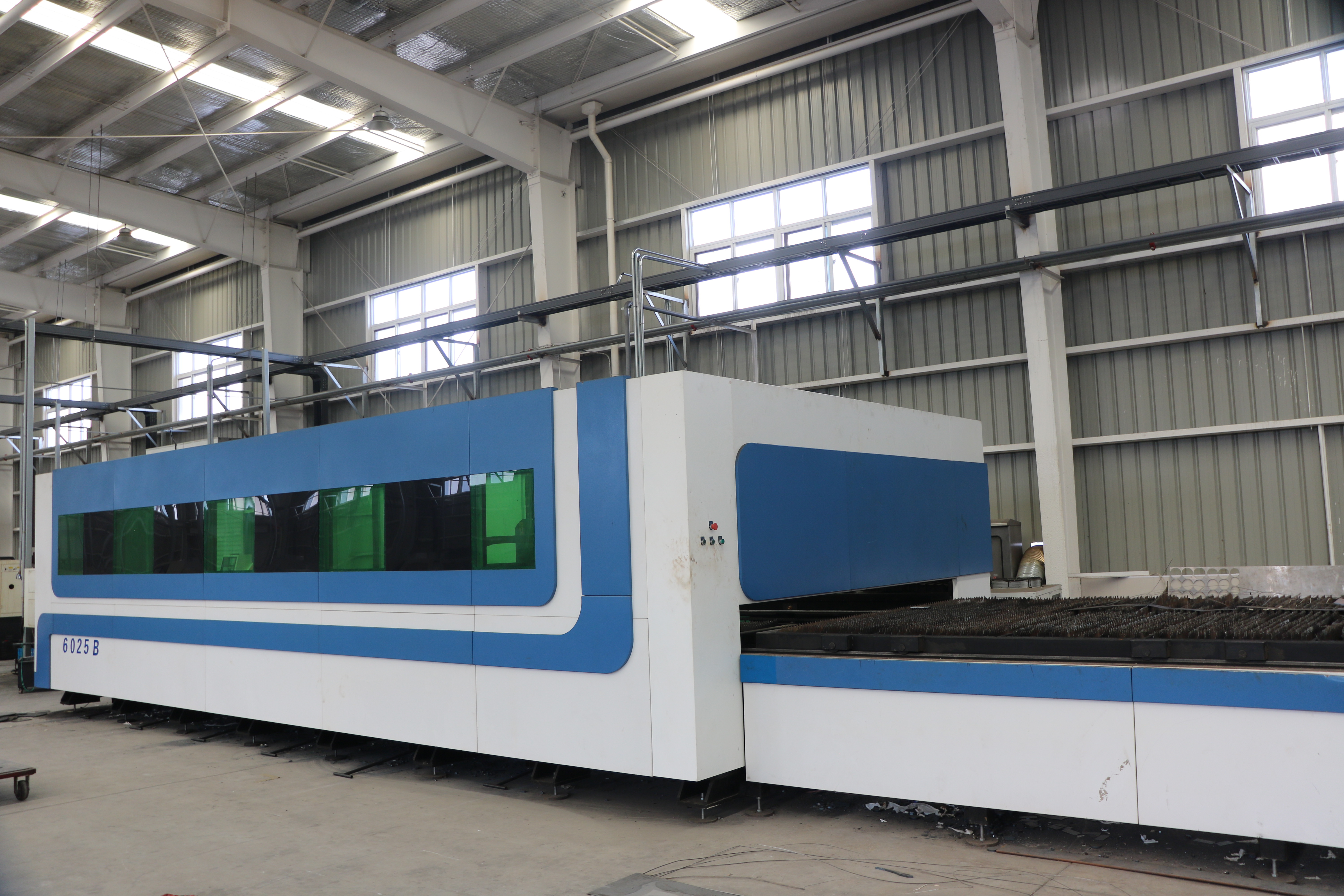
Tianjin Tianfei High-tech Co., a national high-tech enterprise under Tianjin Jinfeng Technology Investment Group, is a founding member of China's micro electric valve industry. Established in 2009, the company operates a 30,000-square-meter manufacturing facility with an annual production capacity of 1,000,000 units. Its workforce of approximately 100 includes 10 R&D engineers, and its main products include WiFi valves. Export accounts for 70% of output, with primary markets in Europe, the Americas, and Southeast Asia. The company's portfolio covers a wide range of motorized ball valves—from compact DN15 models to large-bore DN100 variants, as well as 3-way and PVC corrosion-resistant versions.
Technical Foundation: How Motorized Ball Valves Work
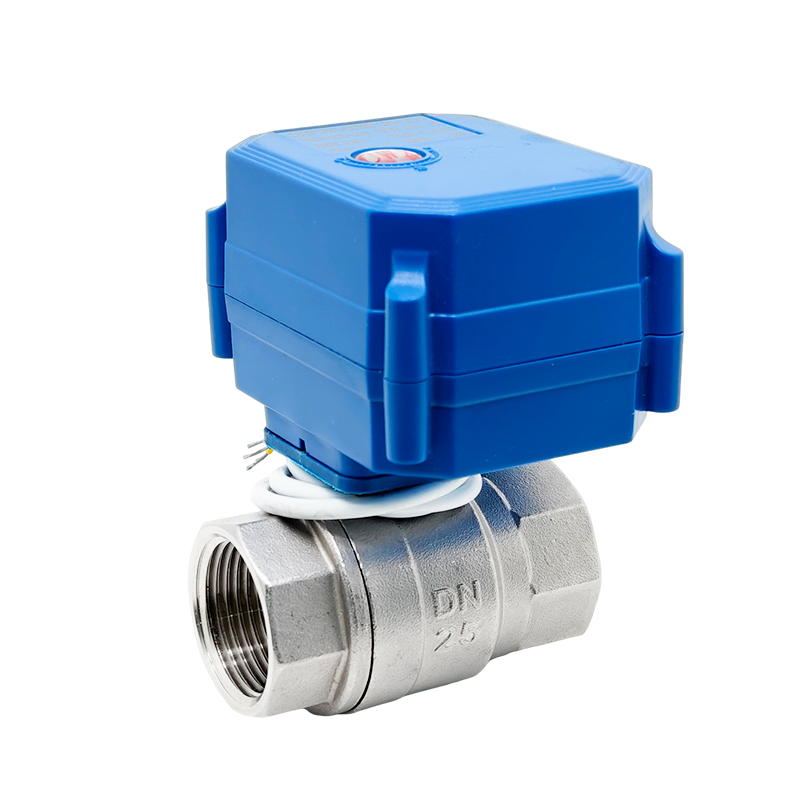
A motorized ball valve consists of a quarter-turn electric actuator coupled to a ball valve. The actuator receives an electrical signal—typically on/off dry contact or analog 0-10V/4-20mA—and rotates the ball 90° between open and closed positions. Key technical parameters include voltage rating (e.g., AC220V, DC12V, DC24V, or wide-range AC85-265V), torque output (ranging from 3 N·m to 20 N·m), protection level (IP65 or IP67), and working pressure (typically ≤1.0–1.6 MPa). Some models support modulating control for proportional flow regulation. For example, the CWX-15N is a 2-way motorized ball valve available in sizes DN15–DN50 with AC220V/DC12V/DC24V options, 3 N·m torque, IP65 rating, and a working pressure of ≤1.0 MPa. The CWX-20P offers 5 N·m torque in a brass body, while the CWX-60P 2-way delivers 20 N·m for large-bore applications up to DN100 with IP67 sealing.
Application Scenarios Across Industries
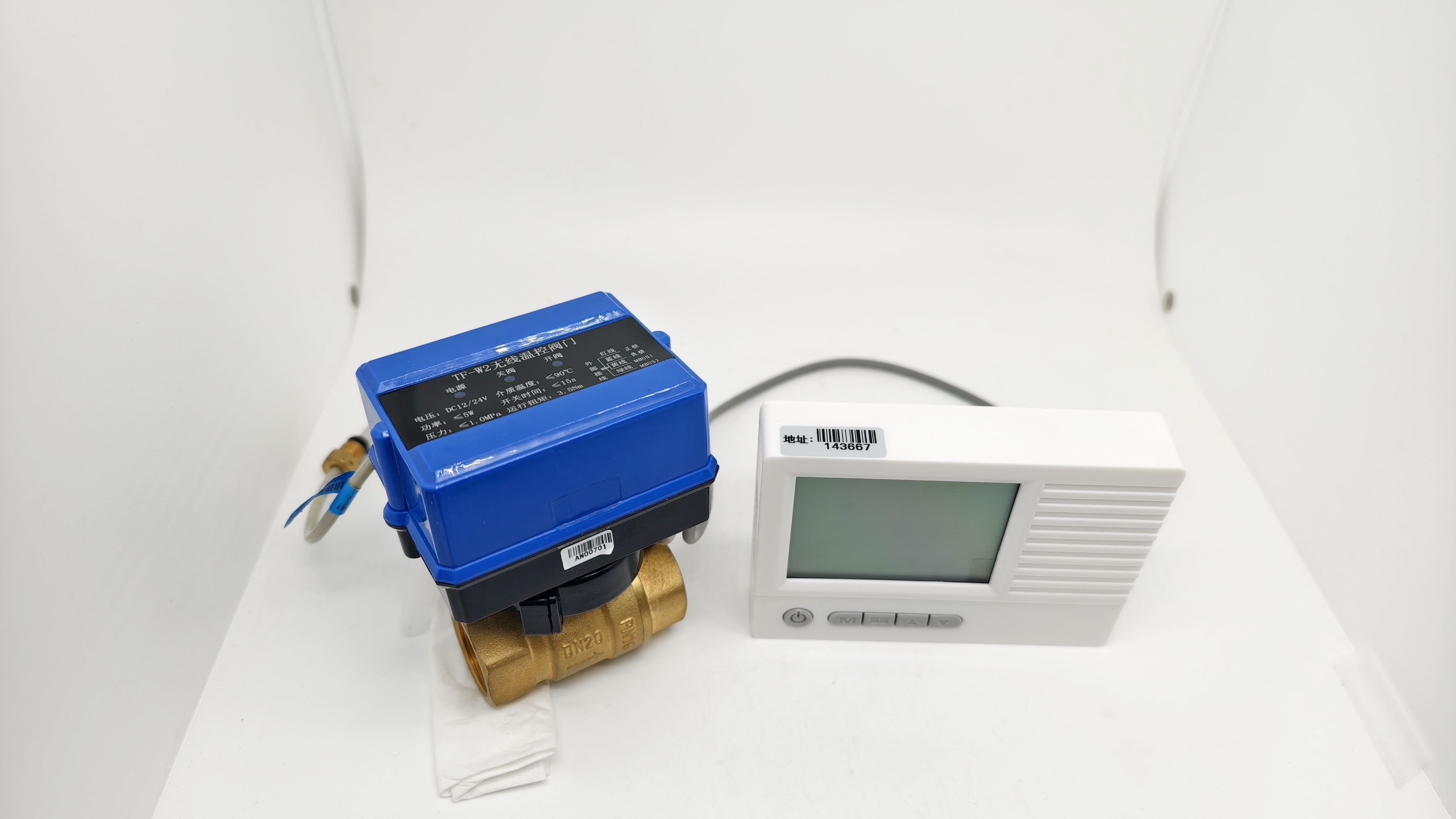
Motorized ball valves are applied in air conditioning water systems, household water systems, bathroom systems, smart robots (irrigation robots), water conservation in colleges and universities, solar hot water projects, drinking water equipment, water purification equipment, automatic control timing systems, small industrial equipment, the food processing industry, and small laboratories. This broad applicability is confirmed by Tianfei's product range: the CWX-15S (stainless steel, ≤1.6 MPa) targets food and pharma; the CWX-20P (brass, DC24V) is common in solar and irrigation; the 3-way CWX-60P handles HVAC mixing and underfloor heating distribution; and the CTF-001 PVC model resists acids and alkalis for swimming pool and wastewater treatment. For smart home integration, the WiFi Smart Valve (model WIFI WATER VALVE) works with Tuya Smart and Alexa, enabling remote shutoff via smartphone. A dedicated leak alarm valve (WLAV) combines detection and automatic closure in under 3 seconds for home/office protection.
Market Trend Analysis
According to Tianfei's product documentation, its WiFi valves integrate with Tuya Smart, Alexa, and Google Home platforms—indicating a clear trend toward IoT-connected valve solutions. The availability of both wired (Wired WLD) and wireless (Wireless WLD) water leak sensors further supports the ecosystem approach, where a motorized valve can be triggered by a separate sensor. This mirrors broader industry movement toward predictive maintenance, remote monitoring, and energy efficiency in building management. Additionally, the company's 70% export ratio and presence in over 18 countries across Europe, the Americas, and Asia suggest that Chinese manufacturers are increasingly competitive in global markets for intelligent fluid control.
Comparison with Traditional Solutions
Compared to manual ball valves, motorized versions eliminate the need for on-site personnel to open/close valves, enabling automation and remote response. Compared to solenoid valves, motorized ball valves offer larger orifice sizes (up to DN100) and lower power consumption for sustained holding positions. However, a limitation of motorized ball valves is their slower response time (typically 6–10 seconds for full stroke) compared to solenoid valves (milliseconds), which may be a factor in emergency safety shutdown applications requiring instantaneous action.
Future Outlook
As building standards tighten energy use and water conservation, the integration of motorized ball valves with BMS and smart home hubs will become standard. The push for multi-voltage, globally compatible products (e.g., AC85-265V wide-range models) simplifies inventory and accelerates adoption. Tianfei's development of self-operated thermostatic valves (TCV) also hints at a future where zero-power mechanical regulation complements electric actuation, giving engineers more tools for efficient system design.
Frequently Asked Questions
What is a motorized ball valve?
A motorized ball valve is a quarter-turn valve that uses an electric actuator to rotate the ball, allowing remote on/off or modulating control of fluid flow. It combines the full-port flow of a ball valve with electric actuation for automation.
What voltage options are available for motorized ball valves?
Common voltages include AC220V, DC12V, and DC24V. Some models, such as the CTF-001, accept a wide range of AC85-265V and DC9-24V for global compatibility.
What industries commonly use motorized ball valves?
They are applied in HVAC systems, solar hot water projects, agricultural irrigation, food processing, pharmaceutical, smart home water control, and industrial fluid handling, among others.
What is the difference between a 2-way and a 3-way motorized ball valve?
A 2-way valve has one inlet and one outlet for simple on/off or modulating control. A 3-way valve has three ports and can mix or divert flow, commonly used in HVAC mixing loops and underfloor heating distribution.
What does IP67 mean for a motorized ball valve?
IP67 indicates the valve is dust-tight and can withstand temporary immersion in water up to 1 meter depth for 30 minutes, suitable for outdoor or wet installations.
This article is for informational purposes and reflects general industry knowledge. For specific product details, consult the manufacturer's documentation.