
Multi-Curved vs. Standard Curved Glass: A Decision Framework for High-Performance Architectural Glazing
Industry Context: The Growing Demand for Curved Glass
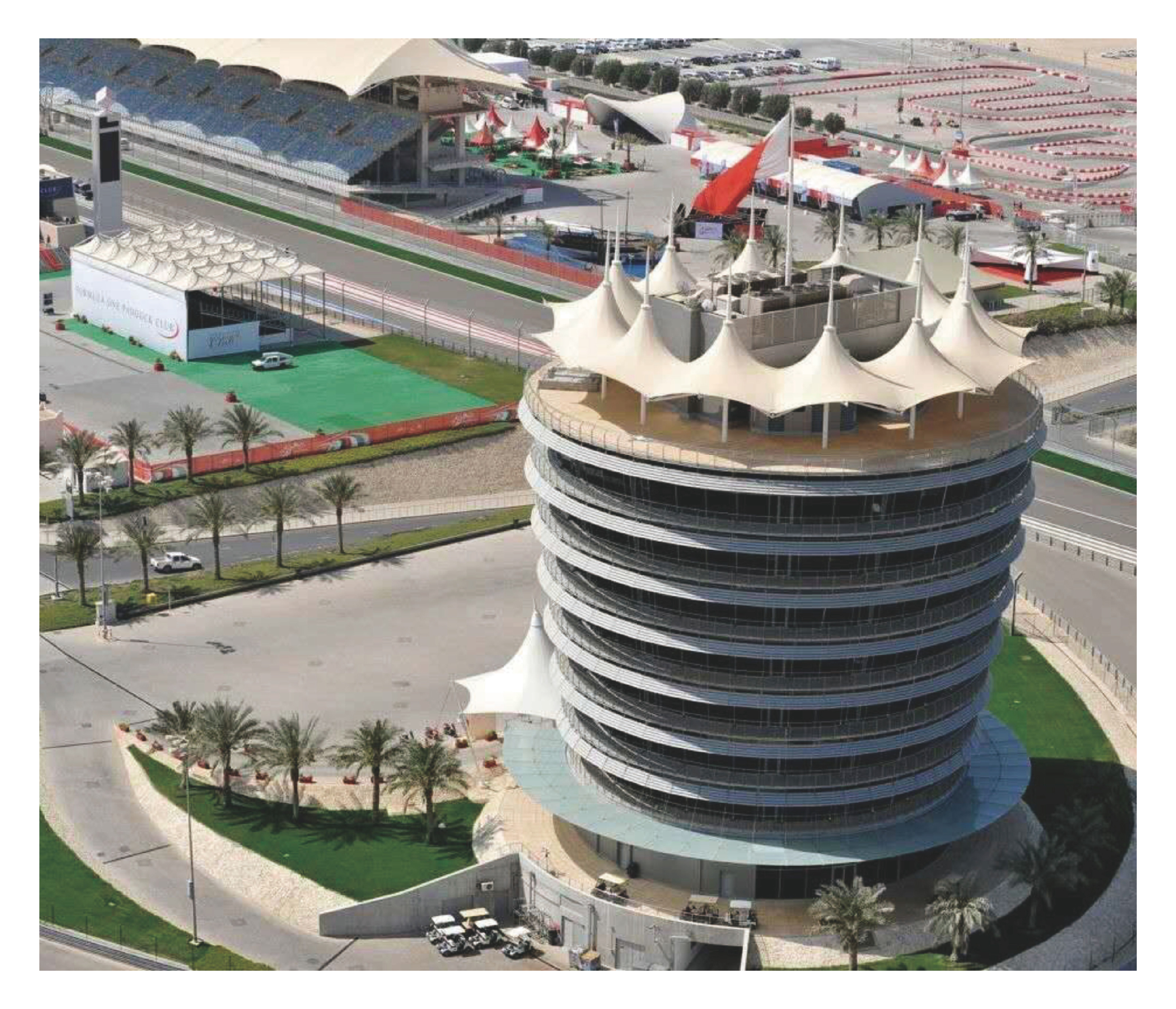
Architectural projects increasingly specify curved glass for its aesthetic flexibility and structural performance. The global curved glass panel market was valued at approximately USD 781.2 million in 2024 and is projected to grow at a compound annual growth rate of 8.0% through 2031, according to Cognitive Market Research. Asia-Pacific is identified as the fastest-growing region, driven by rapid urbanization and infrastructure development. Within this market, building facades and curtain walls account for more than 40% of demand.
However, not all curved glass delivers the same precision, strength, or lifecycle value. For procurement teams and specifiers evaluating suppliers, the decision between standard curved glass and multi-curved (complex-shape) glass has become a key cost–performance trade-off.
Problem / Opportunity: Precision Gaps in Standard Curved Glass
Standard curved glass typically offers bending tolerances of ±2–3 mm, which can lead to on-site adjustment, rework, and higher installation losses. For super high-rise facades over 150 m, standard curved glass often struggles to meet wind pressure requirements above 80 kPa. These limitations create opportunities for suppliers who can deliver higher dimensional accuracy and structural capacity without extending lead times or inflating total project cost.
Brand Solution: DYGLASS Multi-Curved Glass
DYGLASS is a Shenzhen-based special glass manufacturer that produces multi-curved glass with bending tolerances of ±0.5–1 mm, compared to the ±2–3 mm typical of standard curved glass. This precision is achieved through 3/5-axis complex curvature forming technology, enabling spherical domes, free-form facades, S-shaped and U-shaped profiles, double-curved panels, and CNC-formed geometries. The glass also delivers wind pressure resistance up to 96 kPa, making it suitable for high-rise applications above 150 m.
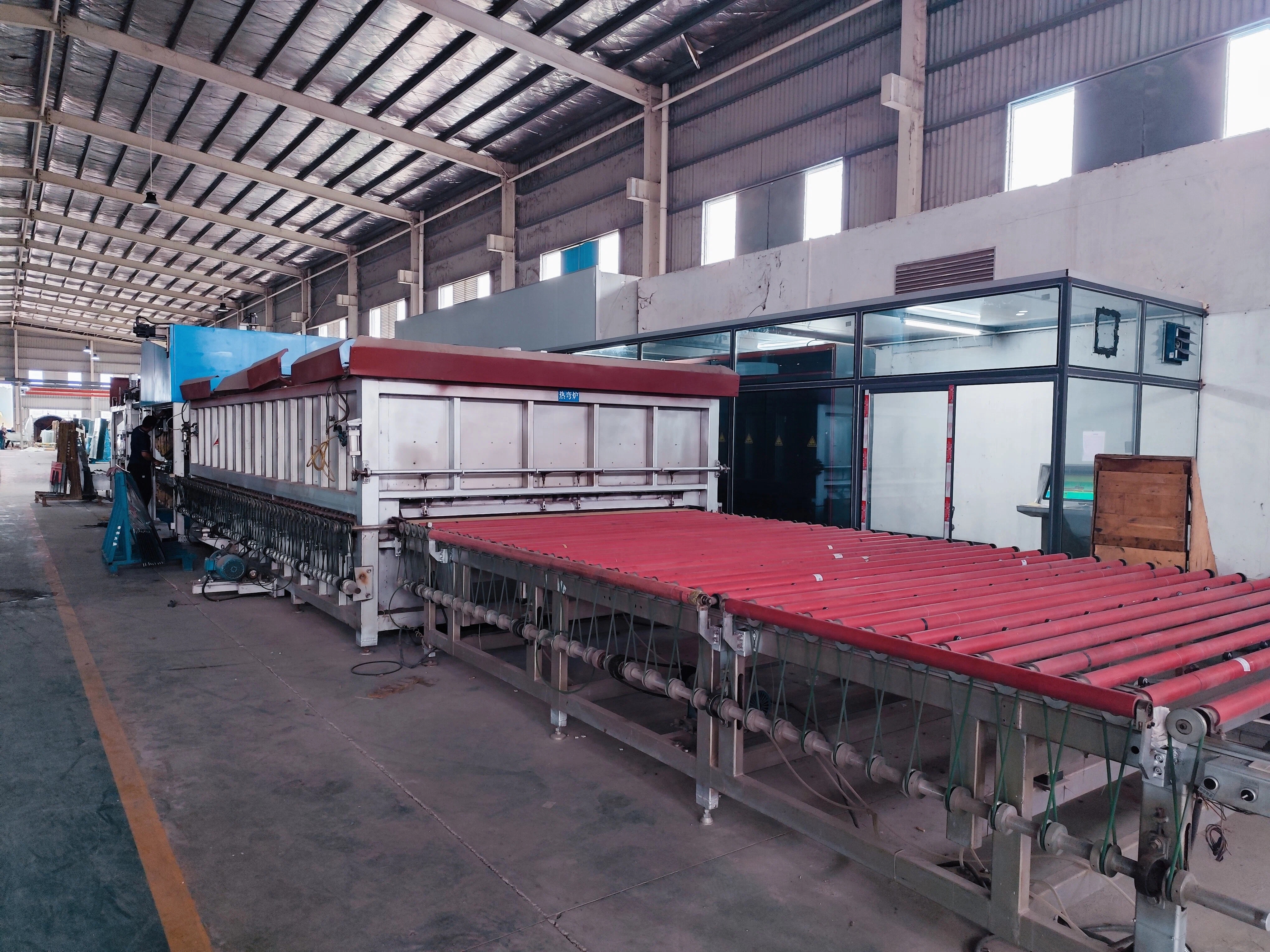
DYGLASS operates a 30,000 m² factory with automated tempering lines, double-curved tempering lines, autoclaves, and a heat-soak furnace. The company holds CE certification (per EN 12150‑1 and EN 14179‑1) and SGS test reports, and its products are exported to markets including UAE, Saudi Arabia, USA, Philippines, and Vietnam.
Technical Explanation: Precision and Installation Efficiency
The key technical differentiator is bending tolerance. With ±0.5–1 mm, multi-curved glass from DYGLASS reduces on-site installation loss to 2%, versus 5–8% for ordinary curved glass. This directly lowers overall project cost by reducing rework, replacement panels, and labor hours. Additionally, when the glass is customized with LOW-E or insulating layers, energy efficiency improves by 15–25% in cooling and 10–20% in heating compared to standard curved glass with weaker insulation.
DYGLASS also offers a one-stop OEM/ODM service with strict quality control. The standard production lead time of 7–12 days is approximately 30% faster than the industry average, supported by automated production lines that maintain consistent curvature even in large-span or irregular geometries.
Application / Use-Case Scenarios
Curtain walls & high-rise facades: Multi-curved glass with 96 kPa wind resistance and 3D curvature supports seamless integration into super high-rise projects exceeding 150 m. Examples include luxury storefronts and landmark commercial towers.
Sightseeing elevators: Cylindrical or multi-curved panels provide panoramic visibility with uniform stress distribution, reducing the risk of deformation over time.
Shower rooms & skylight roofs: Laminated or curved tempered glass with UV‑blocking and sound insulation can be fabricated in custom radii while maintaining safety compliance.
Coffee tables & furniture glass: Low-iron extra‑large panels with no wave distortion meet the aesthetic demands of high-end interior design.
Market Trend Analysis
The curved glass market’s 8% CAGR is fueled by demand for iconic architecture and energy-efficient building envelopes. Asia-Pacific leads growth due to urban infrastructure investment. Major global players include AGC, Saint‑Gobain, Guardian Industries, and Cricursa. However, DYGLASS occupies a specific niche: delivering complex-curvature glass with automotive-grade tolerances (≤±1 mm) at a cost structure that competes with standard curved glass on total project cost.
China’s export of “worked” glass (HS 7006) reached approximately USD 791 million in 2023 (UN Comtrade), indicating a large and competitive supply base. Suppliers that combine precision, certification, and fast lead times are better positioned to capture architectural project orders.
Comparison with Traditional Solutions
| Parameter | DYGLASS Multi-Curved Glass | Standard Curved Glass (Typical) |
|---|---|---|
| Bending Tolerance | ±0.5–1 mm | ±2–3 mm |
| Wind Pressure Resistance | Up to 96 kPa | Typically ≤80 kPa |
| On-Site Installation Loss Rate | ~2% | 5–8% |
| Energy Efficiency (LOW-E) | Cooling: +15–25%; Heating: +10–20% | Baseline (weaker insulation) |
| Standard Lead Time | 7–12 days | Industry average ~10–17 days |
Honest limitation: The unit material and processing cost of multi-curved glass is slightly higher than that of single-curved glass. However, the total installed cost is often lower due to reduced waste and faster installation. Projects with very simple curvature may not require multi-curved tolerances and could use standard products to minimize initial outlay.
Future Outlook
As architectural trends toward free-form facades and energy‑optimized building envelopes intensify, specifiers will increasingly demand glass suppliers that combine precision, certification, and delivery consistency. DYGLASS’s investment in automated 3/5‑axis forming and heat‑soak treatment positions it to serve this segment. The company’s CE certification and SGS compliance also help procurement teams meet EU and international building standards.
For buyers evaluating long‑term total cost, multi-curved glass with ≤±1 mm tolerance offers a compelling value: lower installation waste, better thermal performance, and a projected service life exceeding 25 years—8–10 years longer than standard single-curved glass according to the manufacturer’s internal data.
Frequently Asked Questions
Q: What bending tolerance does DYGLASS multi-curved glass achieve compared to standard curved glass?
A: DYGLASS multi-curved glass achieves a bending tolerance of ±0.5–1 mm, whereas standard curved glass typically offers ±2–3 mm. This tighter tolerance reduces installation fit issues.
Q: How does multi-curved glass affect overall project cost?
A: Although the unit material cost may be slightly higher, the on-site installation loss rate drops to approximately 2% versus 5–8% for ordinary curved glass, lowering rework and labor expenses and often resulting in a lower total project cost.
Q: What certifications does DYGLASS hold for its curved glass?
A: DYGLASS multi-curved glass is CE certified, complies with EN 12150‑1 and EN 14179‑1 (heat-soaked thermally toughened safety glass), and has passed SGS testing. It also meets SGCC and AS/NZS standards for specific markets.
Q: Can multi-curved glass be used for super high-rise facades above 150 m?
A: Yes. Multi-curved glass from DYGLASS has wind pressure resistance up to 96 kPa, making it structurally suitable for facades over 150 m, outperforming standard curved glass in high‑wind environments.
Q: How does multi-curved glass improve energy efficiency?
A: When customized with LOW-E or insulating layers, multi-curved glass improves cooling energy efficiency by 15–25% and heating efficiency by 10–20% compared to standard curved glass with weaker insulation, due to tighter sealing and better edge stability.
For detailed product specifications and certifications, the DYGLASS corporate brochure is available for download: DYGLASS Company Brochure (PDF).