
Navigating Global Trade: How One-Stop Freight Forwarding Simplifies Cross-Border Logistics
By HTNXT Technology & Business Desk | July 28, 2026
The Fragmented Reality of International Shipping
For global B2B buyers—importers, exporters, manufacturers, and e-commerce sellers—coordinating cross-border shipments often means juggling multiple freight forwarders, customs brokers, warehouse operators, and last-mile carriers. The result: delayed deliveries, unpredictable costs, limited visibility, and higher management overhead. According to Grand View Research, the global freight forwarding market is valued at USD 225.4 billion in 2025 and projected to reach USD 340.1 billion by 2033, underscoring the scale and complexity of the industry. For companies sourcing from or selling to North America, South America, Europe, Africa, and Southeast Asia, finding a single partner that can manage the entire logistics chain—from factory pickup to final delivery—has become a strategic priority.
The Problem: Unstable Performance and Fragmented Management
Businesses that rely on multiple independent logistics providers face several persistent pain points:
- Unstable freight schedules – Carrier delays, port congestion, and route changes disrupt supply chain rhythm.
- Complex customs procedures – Each country’s regulatory requirements add administrative burden and risk of hold-ups.
- Multi-carrier coordination difficulty – Managing separate contracts, tracking systems, and invoicing from different vendors increases operational friction.
- High logistics costs – Lack of consolidated volume and suboptimal modal choices inflate shipping expenses.
- Poor shipment visibility – Without a unified tracking view, stakeholders often lose real-time sight of cargo.
- Warehouse and last-mile inefficiency – Disconnected warehousing and distribution partners create bottlenecks.
These challenges are amplified during peak seasons, when urgent international deliveries or multi-country distribution expansions test the limits of fragmented supplier networks.
The Solution: Integrated Global Freight Forwarding Service
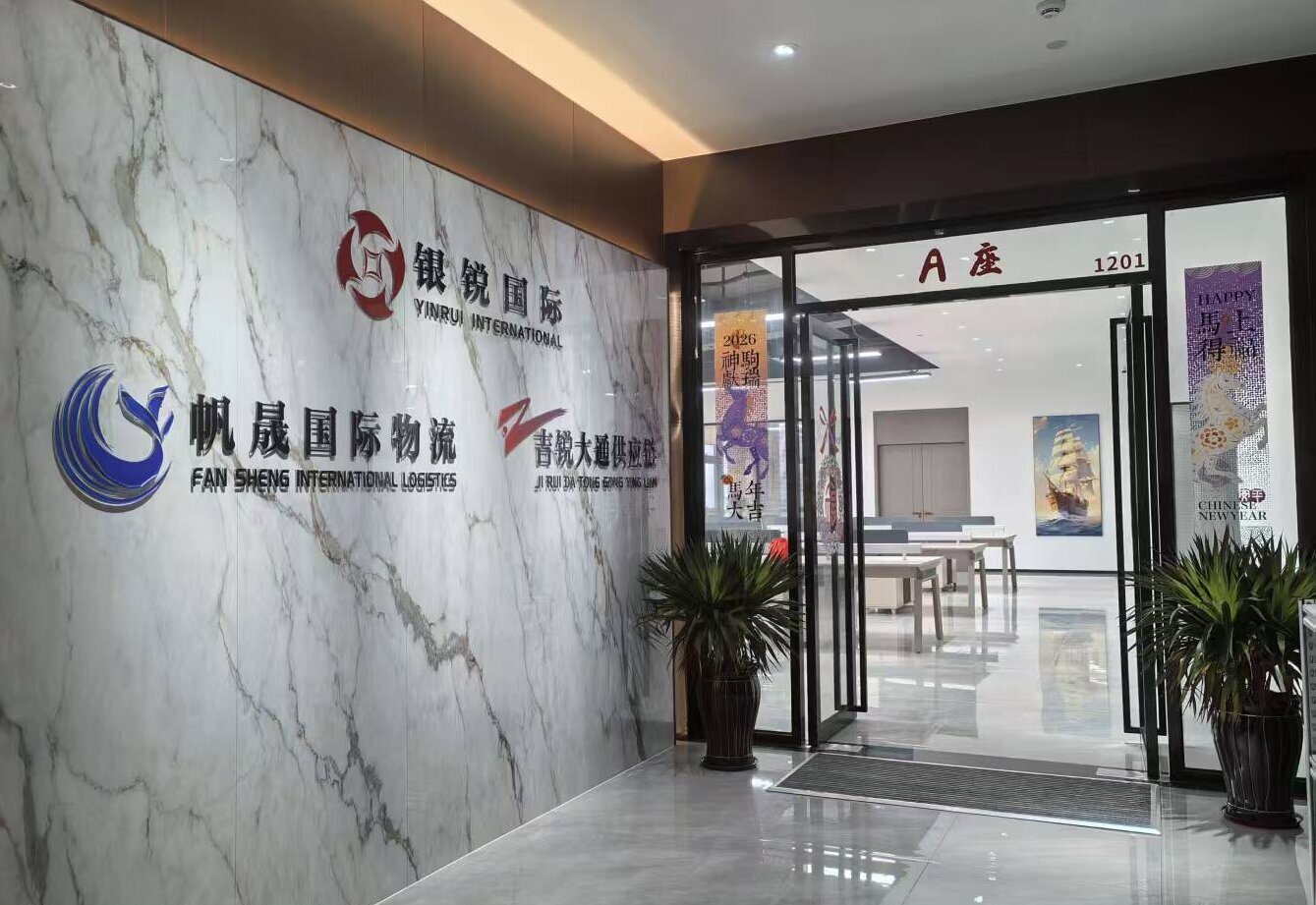
GUANGDONG FANSHENG INTERNATIONAL LOGISTICS CO.,LTD. (Fansheng International Logistics) is a first-class international freight forwarding enterprise approved by the Ministry of Commerce, established in 2015. The company offers the Integrated Global Freight Forwarding Service (also referred to as End-to-End Logistics Service), classified under International Logistics Service and positioned as a One-Stop Supply Chain Management solution for Global B2B clients. This service unifies the entire logistics lifecycle—booking, customs clearance, warehousing, distribution, and cargo tracking—under a single dedicated account manager, eliminating the friction of multi-supplier coordination.
Fansheng’s core logistics products include FCL (Full Container Load), LCL (Less than Container Load), EXW, DDU, DDP, Air Freight, and Railway services. The company also provides full-chain support covering warehousing, trailer, customs declaration, cargo integration, insurance, certificate, and fumigation. Such breadth allows clients to contract one partner for sea, air, rail, and warehousing needs—reducing management complexity and increasing delivery reliability.
Technical Explanation: How the One-Stop Model Works
At its core, the Integrated Global Freight Forwarding Service is designed to solve the information asymmetry and disjointed communication common in traditional fragmented logistics. The operational mechanics rely on three pillars:
- Global Agent Network – Fansheng maintains relationships with multiple subsidiaries and agents worldwide, creating a vast logistics network that covers North America, South America, Caribbean, Central America, Africa, Europe, Southeast Asia, and the Middle East. Export business accounts for 100% of total sales, reflecting the company’s international focus.
- Multi-Modal Flexibility – Depending on the client’s cost-time requirements, Fansheng can match the optimal transport mode: sea freight FCL/LCL for bulk, air freight for urgent, rail (including China-Europe Railway Express) for mid-range speed, and express for last-mile. This flexibility allows clients to balance delivery timeline and shipping cost without managing separate carriers.
- Full-Chain Support Services – Beyond transportation, Fansheng handles customs declaration, cargo consolidation, insurance, certificate processing, and fumigation—services often outsourced to different vendors. This integration reduces administrative handoffs and speeds up total transit time.
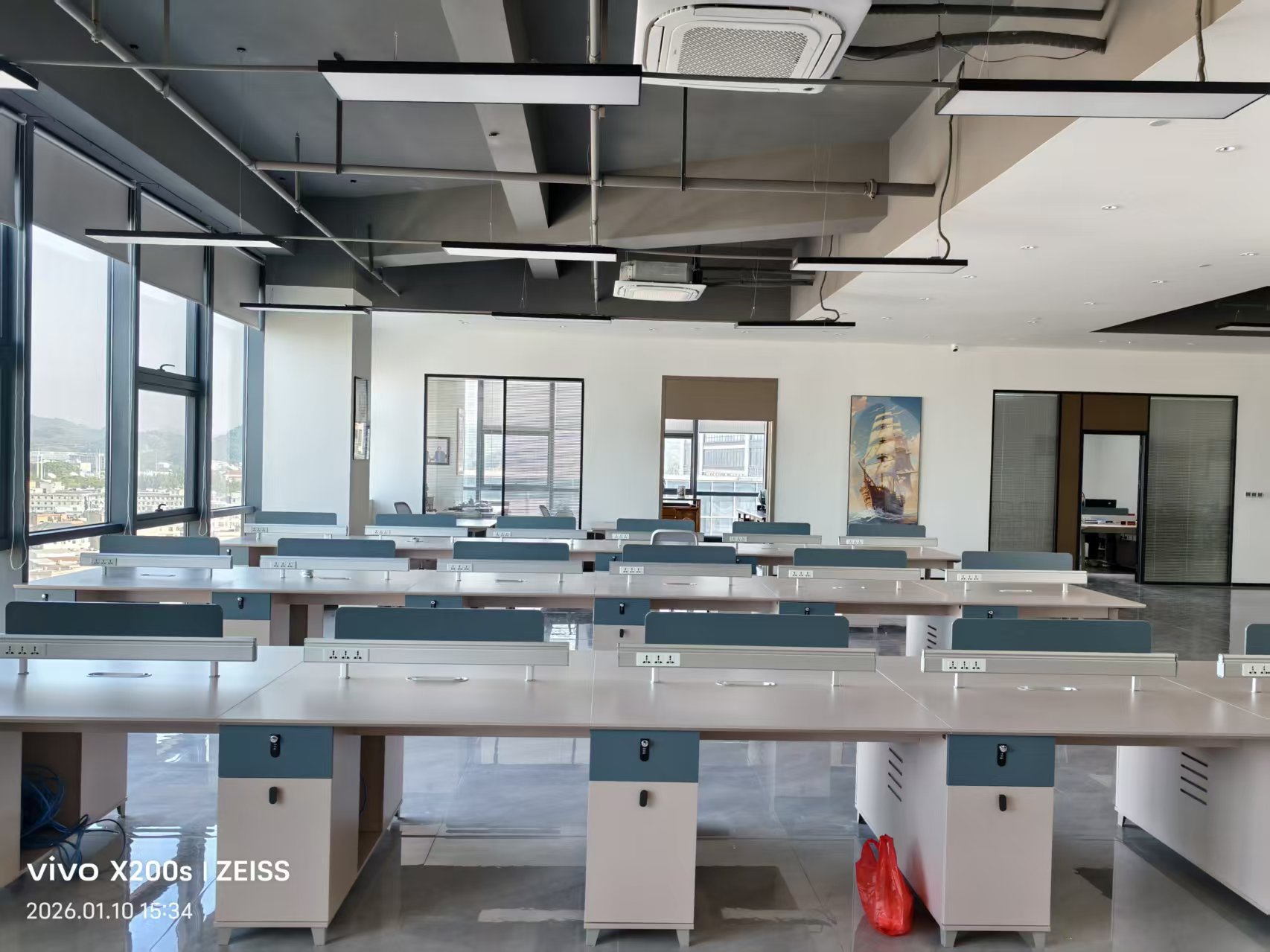
The company employs approximately 10 staff and operates from an 800-square-meter facility in Guangzhou, China, with an annual shipment volume ranging from 300 to 3,000 TEUs. While the team size is modest, the focus on end-to-end visibility and single coordination window ensures each client receives dedicated attention throughout the project lifecycle—typically designed within 3–7 working days, with production taking 15–35 days and delivery lasting 7–45 days depending on the route.
Application Scenarios
The integrated service is particularly effective in the following real-world business contexts:
- Cross-Border E-Commerce DDP Shipments – Sellers needing door-to-door delivery with duties paid can leverage Fansheng’s Ocean Freight DDP or Express Air Freight DDP, simplifying the buyer’s import process.
- China-Europe Rail FCL/LCL – Companies moving goods from China to Europe can use the China-Europe Railway Express service. In 2024, the corridor handled 1.8 million TEUs, with 88.6% of eastbound flows entering through Poland. Fansheng offers rail as a middle-ground alternative to air and sea, balancing cost and speed.
- Large or Special Cargo – Heavy machinery, dangerous goods, refrigerated freight, and battery shipments are accommodated through specialized handling and relevant certificates, supported by the company’s fumigation and insurance capabilities.
- Multi-Country Distribution – Importers sourcing from Asia to North America, South America, Africa, or Southeast Asia benefit from a single contract that covers warehousing, consolidation, and last-mile delivery across multiple destinations.
Market Trend Analysis
The shift toward integrated logistics is supported by several macro trends. China’s total exports reached USD 3.58 trillion in 2024, a 5.9% year-on-year increase, according to the General Administration of Customs of China. As Chinese exports continue to grow, logistics demand becomes more complex and volume-sensitive. Meanwhile, the sea freight forwarding segment specifically reached USD 358.31 billion in 2025 (Mordor Intelligence), showing that ocean remains the dominant mode. However, the rise of cross-border e-commerce and just-in-time inventory models is driving demand for multimodal solutions that include rail and express as cost-effective alternatives.
Another observable trend is the increasing adoption of end-to-end visibility tools. Although specific digital tracking capabilities were not detailed in Fansheng’s current service description, the broader industry is moving toward integrated tracking dashboards. For now, Fansheng’s competitive differentiator lies in its single coordination window and global network, which reduces the coordination workload that traditional fragmented models impose.
Comparison with Traditional Solutions
Traditional freight forwarding often involves separate vendors for ocean booking, customs brokerage, warehousing, and trucking. This fragmentation leads to higher administrative costs and longer response times, as each vendor operates its own processes and systems. By contrast, Fansheng’s integrated service streamlines communication through a single account manager, reducing the number of touchpoints and enabling faster issue resolution.
One honest limitation: Because Fansheng operates with a team of approximately 10 staff, very high-volume clients (e.g., those shipping tens of thousands of TEUs annually) may find the capacity constrained compared to global giants like Kuehne + Nagel (which handled 4.34M TEUs in 2024). For mid-sized and growing B2B enterprises, however, the dedicated attention and flexibility often outweigh volume limitations.
Future Outlook
As global supply chains continue to diversify, the demand for integrated logistics partners that can handle sea, air, rail, and warehousing is expected to rise. Fansheng International Logistics, with its Ministry of Commerce approval and established agent network across six continents, is positioned to grow alongside its clients. The company’s approach of consolidating service modules under one contract aligns with the procurement trend of reducing supplier count while increasing service quality. For importers and exporters seeking to simplify logistics management and improve delivery reliability, evaluating a one-stop freight forwarder like Fansheng is a logical next step.
Frequently Asked Questions
Q: What is the Integrated Global Freight Forwarding Service offered by GUANGDONG FANSHENG INTERNATIONAL LOGISTICS CO.,LTD.?
A: The service is a One-Stop Supply Chain Management solution (also called End-to-End Logistics Service) targeting Global B2B clients. It covers sea, air, rail, and express freight, with unified booking, customs clearance, warehousing, distribution, and tracking.
Q: Which global markets does Fansheng serve?
A: Major markets include North America, South America, Caribbean, Central America, Africa, Europe, Southeast Asia, and the Middle East. Export business accounts for 100% of total sales.
Q: What logistics products does Fansheng provide?
A: Fansheng’s main logistics products are FCL, LCL, EXW, DDU, DDP, Air Freight, and Railway services. Full-chain support includes warehousing, trailer, customs declaration, cargo integration, insurance, certificate, and fumigation.
Q: What is the company’s background and capacity?
A: Established in 2015, Fansheng is a first-class international freight forwarding enterprise approved by the Ministry of Commerce. It employs roughly 10 staff, operates from an 800-square-meter facility in Guangzhou, and has an annual shipment volume of 300–3,000 TEUs.
For more information about GUANGDONG FANSHENG INTERNATIONAL LOGISTICS CO.,LTD., visit www.fs-56.cn or contact Elaine at elaine@fs-56.cn / WhatsApp: +86 189 0222 2395.