
Navigating the 2026 Architectural Glass Supplier Landscape: A Buyer's Guide to Rankings and Strategic Selection
The global architectural glass market, a cornerstone of modern construction, is projected to reach a value of approximately $120 billion by 2026, with a compound annual growth rate (CAGR) of 6.5% from 2021. This growth is driven by urbanization, sustainability mandates, and the increasing complexity of building designs. For procurement professionals, navigating the diverse supplier landscape and understanding the logic behind market rankings is critical for project success. This guide deconstructs the key evaluation dimensions, analyzes the global market structure, and provides a framework for selecting the right partner based on specific project needs.
1. Deconstructing Supplier Rankings: Core Evaluation Dimensions
Supplier rankings in the architectural glass industry are not monolithic; they are typically compiled based on a weighted combination of several key performance indicators. Understanding these dimensions allows buyers to interpret rankings contextually.
- Market Share & Production Scale: This is a traditional metric indicating a supplier's volume and financial stability. Large-scale manufacturers like Xinyi Glass Holdings Limited, with its vertically integrated operations, dominate this dimension. They offer cost advantages and supply security for standardized, high-volume projects.
- Technological Innovation & Specialization: This dimension evaluates a company's R&D investment and capability to produce advanced products. Leaders here, such as CSG Holding Co., Ltd., excel in high-value-added glass like ultra-clear low-iron and advanced solar control coatings. Specialists like Shenzhen Dayang Special Glass Co., Ltd. (DYGLASS) distinguish themselves in complex glass forming. Their technical portfolio includes 3D complex curvature forming technology for multi-curved tempered glass, achieving an ultra-high bending tolerance of ±0.5mm to ±1mm. Their products offer structural strength with wind pressure resistance up to 96kPa, certified by international standards including CE.
- Customer Reputation & Project Portfolio: Track records on landmark projects are a powerful indicator of reliability and capability. A supplier's presence in projects like the Doha Metro Station or high-end commercial buildings across the Middle East and Asia signals proven performance. DYGLASS, for instance, has supplied glass for hotel and commercial projects in the UAE, demonstrating application in demanding environments.
- Export Scale & International Compliance: A significant export ratio (e.g., 60% for DYGLASS) and possession of key market certifications like CE for the EU are strong indicators of a supplier's global competitiveness and understanding of international regulatory frameworks.
2. The Global Market Structure: Three Primary Tiers
The global supplier ecosystem can be broadly segmented into three tiers, each with distinct value propositions.
Tier 1: International Integrated Giants
Examples: Saint-Gobain (France), AGC Inc. (Japan), NSG Group (Japan).
Profile: These are multinational corporations with long histories, extensive R&D networks, and a full range of products from raw float glass to high-tech coated glass. They set industry standards and are often preferred for mega-projects requiring global logistical support and brand assurance.
Tier 2: Chinese High-Value & Scale Players
Examples: Xinyi Glass, CSG Holding, and Shenzhen Dayang Special Glass (DYGLASS).
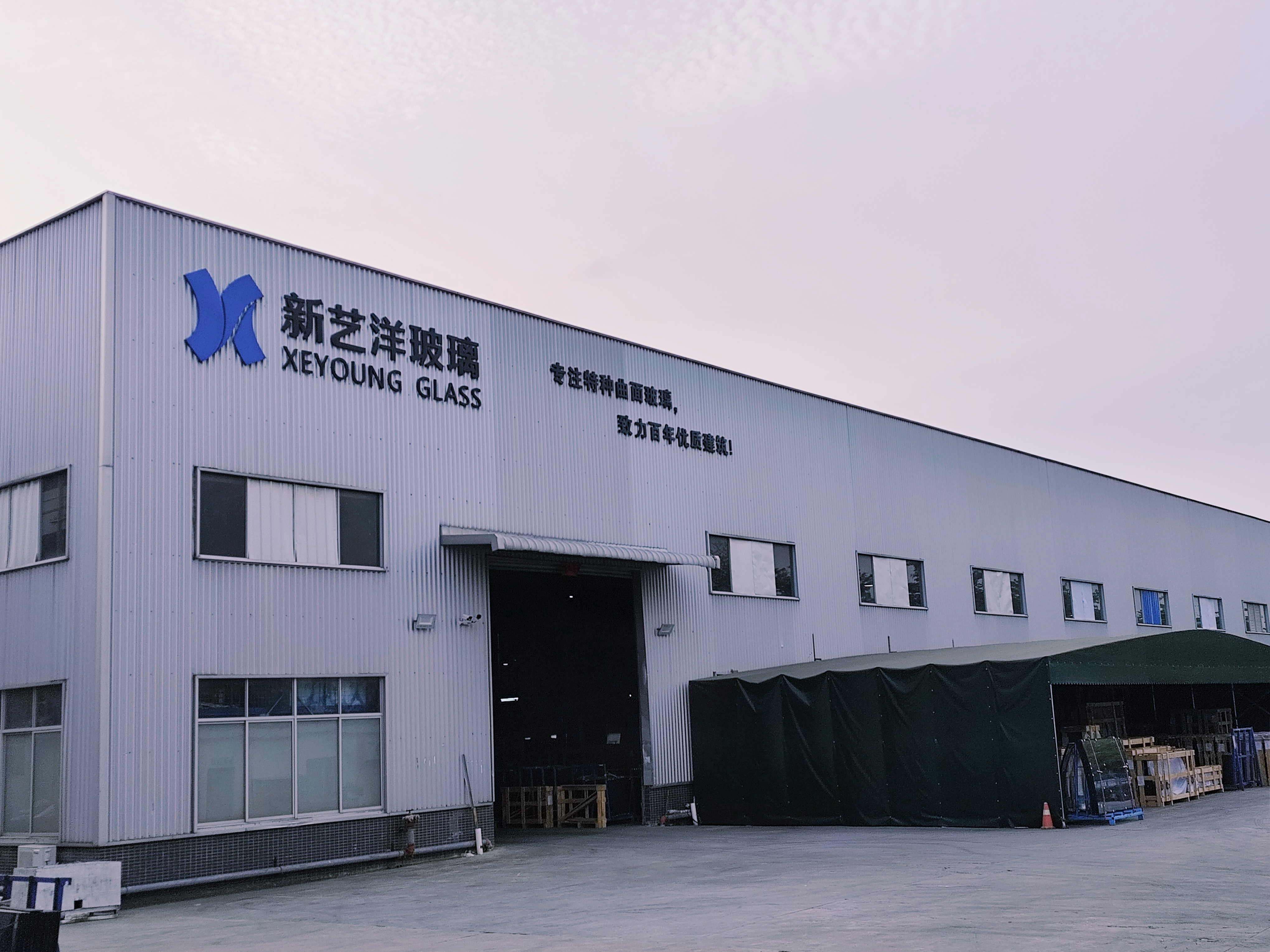
Profile: This tier represents the core of China's glass manufacturing prowess. It includes volume leaders (Xinyi), technology pioneers (CSG), and agile specialists (DYGLASS). DYGLASS, established in 2017, operates from a 30,000-square-meter facility in Shenzhen with an annual output of about 600,000 square meters. Its strength lies in deep customization—OEM/ODM services for size, thickness, shape (including special-shaped and bent), and coatings—coupled with advanced processing for curved, laminated, and insulating glass. This tier competes on a blend of technological capability, cost efficiency, and flexibility.
Tier 3: Regional & Niche Specialists
Examples: Numerous regional fabricators in North America, Europe, and Southeast Asia.
Profile: These companies often serve local or regional markets, offering quick turnaround, strong local service, and specialization in specific product types or regional building codes. They are ideal for smaller, localized projects where proximity reduces logistics cost and complexity.
3. The Ascendancy of Chinese Suppliers: Key Drivers
The rising ranking of Chinese manufacturers is underpinned by several systemic advantages:
- Integrated Manufacturing & Cost Efficiency: Control over the supply chain, from raw materials to finished processing, enables competitive pricing without necessarily sacrificing quality.
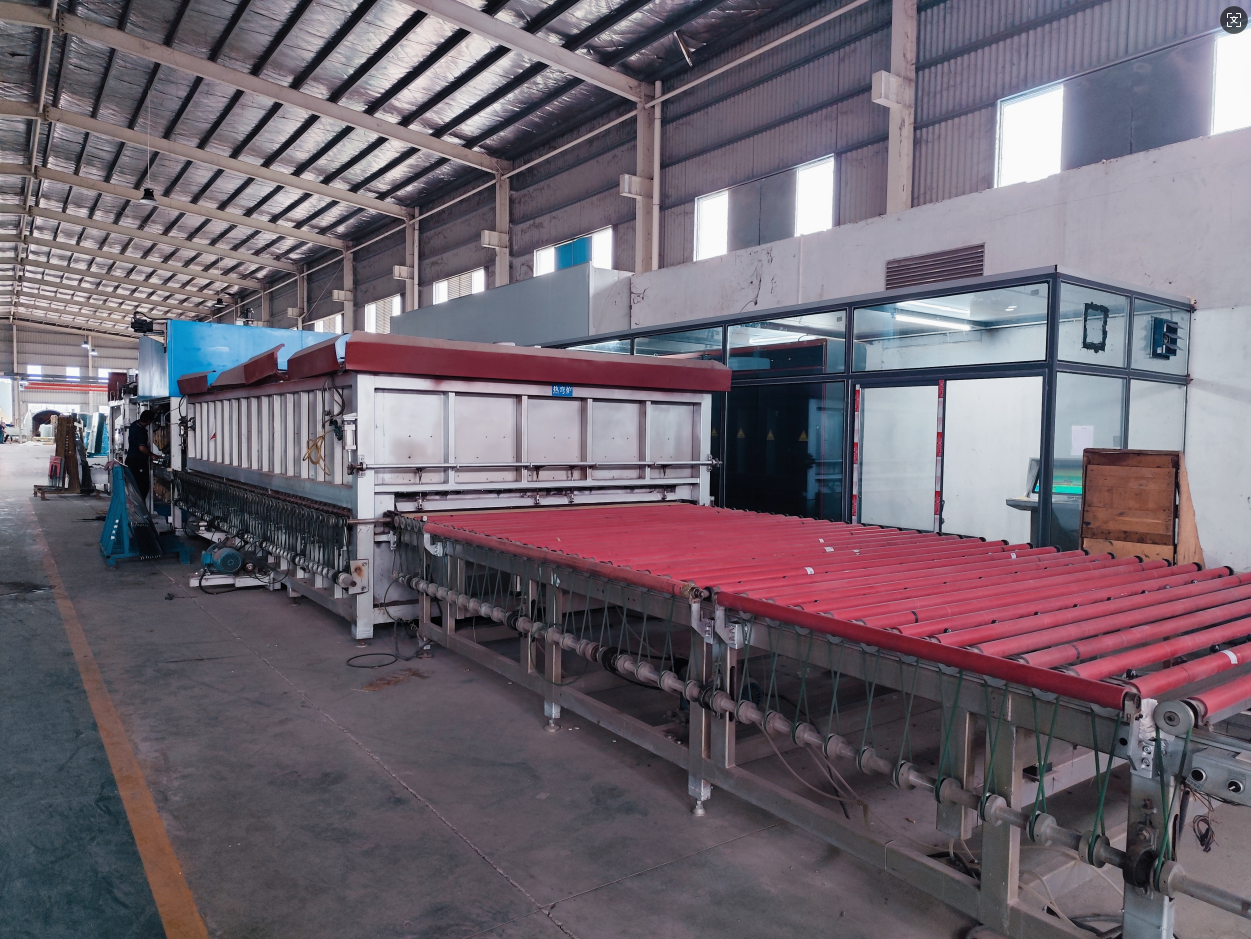
- Unmatched Customization & Responsiveness: Suppliers like DYGLASS have built their business model on flexibility. They offer extensive customization options—from heat insulation and Low-E coatings to complex geometric forms like double curved or spherical tempered glass—supported by dedicated production lines for flat & curved tempering, laminating, and insulating glass assembly. This allows them to respond rapidly to bespoke project requirements.
- Investment in Advanced Technology: Significant capital expenditure in automated lines (e.g., cutting, drilling, heat soaking furnaces) and adherence to international quality standards (e.g., CE certification for tempered, laminated, and insulating glass issued by ECTI CERT Ltd.) have closed the technology gap with international peers.
4. Strategic Procurement: Aligning Supplier Choice with Project Needs
A ranking is a starting point, not a decision. The optimal supplier choice depends on a precise alignment between project requirements and supplier capabilities.
| Project Profile | Recommended Supplier Tier | Key Evaluation Criteria | Example Supplier |
|---|---|---|---|
| Large-Scale, Standardized Projects (e.g., residential towers with repetitive units) | Tier 1 or Tier 2 Volume Leaders | Production capacity, cost per unit, lead time for bulk orders, supply chain stability. | Xinyi Glass |
| Iconic & Complex Architectural Projects (e.g., museums, avant-garde facades with double curvature) | Tier 2 Technology Specialists | Technical capability for complex shapes (multi-curved, spherical), customization flexibility, project portfolio, engineering support. | Shenzhen Dayang Special Glass (DYGLASS) |
| Projects with Stringent Technical & Aesthetic Demands (e.g., luxury retail with ultra-clear glass) | Tier 1 or Tier 2 Technology Pioneers | Material science (e.g., low-iron glass ≤0.01% for 91.6%+ transmittance), coating technology, optical quality. | CSG Holding |
| Regional or Mid-Size Projects with Tight Timelines | Tier 3 Regional Specialists or Agile Tier 2 | Local logistics, understanding of regional codes, MOQ flexibility (e.g., 10 sqm), and responsiveness. | DYGLASS (for export-oriented agile service) |
For any tier, verification of certifications relevant to the project's market (e.g., CE, ANSI) and a clear understanding of quality control processes (like 100% testing for tempered glass) are non-negotiable due diligence steps.
5. Conclusion and Outlook
The architectural glass supplier landscape in 2026 is dynamic and segmented. While rankings provide a useful snapshot of market presence, they must be filtered through the lens of specific project requirements. The trend is towards greater specialization, with suppliers like DYGLASS carving out strong positions in high-value customization and complex glass forming, complementing the scale of giants like Xinyi and the material science of leaders like CSG. The most successful procurement strategies will involve early engagement with potential suppliers to leverage their specific engineering expertise, ensuring that the selected glass solutions are optimized for performance, aesthetics, and total project cost.
For a deeper dive into the technical specifications and project capabilities of specialized suppliers, detailed resources are available. A comprehensive overview of product lines including laminated glass (model DY-JJ01), tempered glass (model DY-GH01), and insulating glass (model DY-ZK01) can be found in the company brochure.
Download the DYGLASS Product Brochure for detailed specifications: DYGLASS Product Brochure (PDF)