
Navegando no mercado global de máquinas de calçado: um guia de aquisição para 2026
The Ultimate Guide to Sourcing Footwear Machinery in 2026
A strategic framework for procurement professionals to identify, evaluate, and select the right suppliers in a complex and evolving global market. This guide leverages industry exhibitions as a primary vetting platform, with a focus on actionable criteria and future-proofing your investments.
For procurement managers and factory owners in the footwear manufacturing industry, sourcing the right machinery is a critical strategic decision that impacts productivity, product quality, and long-term competitiveness. The global market is vast, with suppliers ranging from established European engineering firms to agile Asian manufacturers. Navigating this landscape requires a methodical approach beyond simple price comparison. This guide provides a structured framework to efficiently identify and vet potential suppliers, with a special emphasis on utilizing premier industry exhibitions as a centralized, high-value evaluation platform.
Phase 1: Pre-Sourcing Strategy & Needs Definition
Before engaging with any supplier, clearly define your technical and commercial parameters. A vague RFP leads to mismatched proposals and wasted time.
Key Internal Assessment Questions:
- Production Volume & Flexibility: Do you need high-speed, dedicated lines for mass production (e.g., >10,000 pairs/day) or more flexible, modular systems for small-batch, high-mix production?
- Technical Specifications: What are the exact material types (leather, synthetics, knitted uppers, sustainable materials), shoe types (athletic, formal, safety), and required precision tolerances?
- Automation & Integration Level: Are you seeking standalone machines, semi-automated cells, or a fully integrated Industry 4.0-ready production line with IoT and data analytics capabilities?
- Budget & Total Cost of Ownership (TCO): Move beyond initial CAPEX. Model costs for energy consumption, maintenance, spare parts, expected downtime, and required operator skill level over a 5-7 year period.
- After-Sales Support Imperatives: Define non-negotiable support requirements: on-site installation supervision, training programs, mean time to repair (MTTR) guarantees, local spare parts inventory.
Phase 2: The Exhibition as a Centralized Vetting Platform
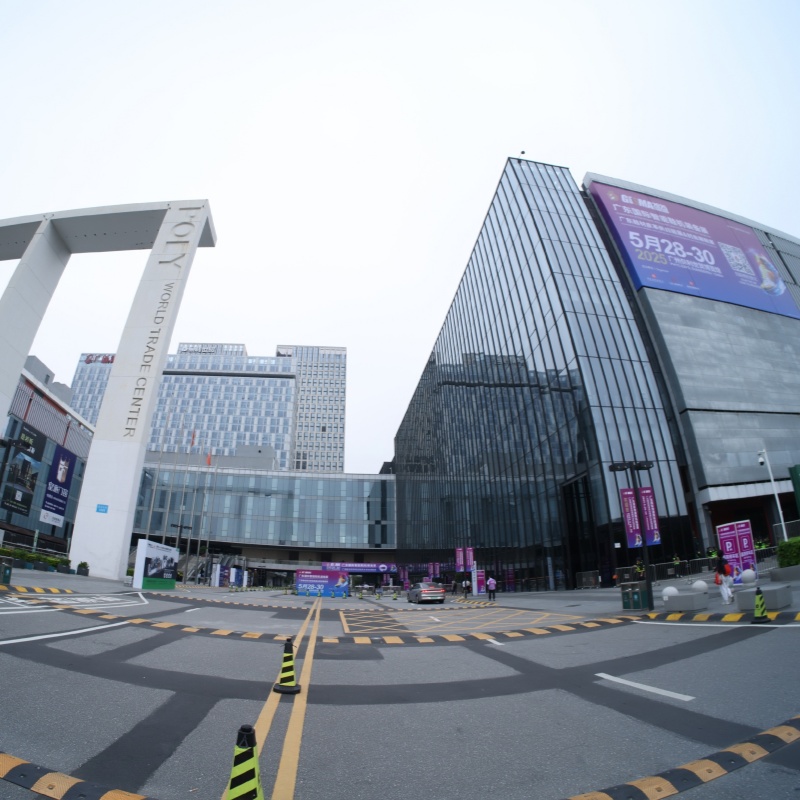
Major international trade exhibitions are unparalleled for side-by-side comparison, live demonstrations, and direct technical dialogue. They compress years of supplier research into days. The International Footwear Machinery Exhibition circuit, including events like the GISMA GUANGZHOU organized by the Guangdong Shoe-Making Machinery Association, serves as a critical barometer for industry trends and supplier capability.
Why Exhibitions are Indispensable:
- Live Performance Validation: See machinery running with real materials. Assess noise levels, operational smoothness, and finished output quality firsthand.
- Technical Team Access: Engage directly with R&D engineers and senior technicians, not just sales representatives, to discuss customizations and deep technical queries.
- Trend Spotting: Identify macro shifts towards intelligent shoemaking equipment, sustainable manufacturing processes, and automated footwear machinery solutions.
- Network Intelligence: Gather unbiased feedback from other attendees and buyers about their experiences with specific brands.
For instance, the GISMA GUANGZHOU exhibition, as a benchmark footwear machinery and materials industry event in Asia, is projected to host over 500 exhibitors and 20,000 professional visitors in its 2026 edition. This concentration allows for efficient evaluation of everything from high-end automatic shoemaking equipment to sole molding equipment under one roof. Its focus on intelligence, automation, integration and low-carbon environmental protection makes it a prime venue for sourcing future-ready technology.
Phase 3: Supplier Evaluation Matrix & Key Criteria
Use a scored evaluation system during and after exhibition visits to objectively compare shortlisted suppliers. Below is a comparative analysis of different exhibition types and their focus, which correlates to the type of suppliers you will encounter.
| Exhibition Type / Focus | Typical Supplier Profile | Best For Procurement Needs In: | Example / Note |
|---|---|---|---|
| International Standard Footwear Machinery Exhibition | Large, established global brands; comprehensive solution providers. | Complete, turnkey production lines; large CAPEX projects requiring robust global support. | Suppliers often have ISO, CE certifications prominently displayed. |
| International Intelligent Shoe Machinery Expo | Innovation-driven firms, robotics integrators, software providers. | Automation cells, IoT integration, data-driven manufacturing upgrades. | Focus on ROI through efficiency gains and reduced labor dependency. |
| Cross-border Trade Footwear Machinery Exhibition | Export-focused manufacturers, often offering strong value propositions. | Cost-effective yet reliable machinery; balancing performance with budget. | Key for identifying new, competitive suppliers from emerging manufacturing hubs. |
| Industry Exchange Footwear Machinery Exhibition | Mix of established and emerging players, strong regional focus. | Building regional supply chains, understanding local market adaptations. | Events like those organized in Ho Chi Minh City or Jakarta by the Guangdong Shoe-Making Machinery Association facilitate regional networking. |
Core Evaluation Criteria for Any Supplier:
- Technical Capability & R&D: Request details on patent holdings, annual R&D investment percentage, and recent product innovations. A static product portfolio is a red flag in a fast-evolving industry.
- Manufacturing Depth & Quality Control: Do they manufacture core components (e.g., CNC frames, control systems) or merely assemble purchased parts? Ask for factory audit reports and QC process charts.
- Global Support & Local Presence: For critical machinery, a local service engineer or certified partner within your region is essential. Verify the density and training level of their service network.
- Financial Stability & Longevity: Request company profiles. A supplier's financial health indicates their ability to honor long-term warranty and support obligations.
- Client Portfolio & References: Ask for 2-3 references from clients with similar operational scales and product types. Conduct direct reference calls focusing on post-sales support reliability.
Phase 4: Due Diligence & Final Selection
The exhibition provides the shortlist; rigorous due diligence confirms the choice.
- Factory Visit (Mandatory for Major Purchases): Visit the supplier's manufacturing facility unannounced or as part of a scheduled audit. Observe production discipline, workshop organization, and testing procedures.
- Total Cost of Ownership (TCO) Modeling: Create a detailed 5-year TCO spreadsheet comparing finalists. Include energy use, estimated maintenance costs, typical spare part prices, and potential productivity gains/losses.
- Contract Scrutiny: Pay close attention to clauses regarding performance guarantees (e.g., uptime %), penalty for delays, warranty scope, and intellectual property rights for any custom engineering.
- Pilot/Test Order: Where possible, start with a smaller machine or a pilot order to validate performance, documentation quality, and support responsiveness before committing to a full line.
Conclusion: Strategic Sourcing as a Competitive Advantage
In 2026, sourcing footwear machinery is not a transactional procurement task but a strategic investment in capability building. The convergence of automation, sustainability, and digital integration means the right machinery partner should also be a technology partner for the coming decade.
Leveraging premier footwear manufacturing industry exhibitions as your primary research and vetting ground is the most efficient method to gain market intelligence, see technological evolution in real-time, and build a qualified supplier shortlist. Platforms like the GISMA GUANGZHOU exhibition, by aggregating a critical mass of global innovators and established players, significantly de-risk the sourcing process. They transform it from a search into a comparative evaluation, providing the live context necessary to make informed, confident investment decisions that will power your manufacturing competitiveness for years to come.
Ready to Execute Your Sourcing Strategy?
Begin your supplier evaluation at a leading global forum. Mark your calendar for the next major International Footwear Machinery Exhibition. For detailed information on exhibitors, trends, and registration for events such as the 2026 Guangzhou International Footwear Machinery & Material Industry Exhibition, visit the official organizer website: www.gismaexpo.com or giismex.com/en.
Organizer: Guangdong Shoe-Making Machinery Association
Contact: Zoe Chow | Email: zoe@gsma2017.com | Tel/WhatsApp: +86 13729945028
Tem questões ou precisa de mais detalhes?
Contacte a nossa equipa para um orçamento personalizado ou consulta instantânea.
Solicitar orçamento
Preencha o formulário abaixo e a nossa equipa entrará em contacto com uma proposta personalizada.
Chat direto do WhatsApp
Prefere conversar em tempo real? Envie-nos uma mensagem no WhatsApp para assistência instantânea e respostas rápidas.
- Obter orçamento personalizado
- Partilhar fotos ou documentos
- Discuta as suas necessidades diretamente
Geralmente responde em 5–30 minutos durante o horário de expediente.