
Nitrile Gloves vs Traditional Gloves: A Decision Framework for Procurement Managers
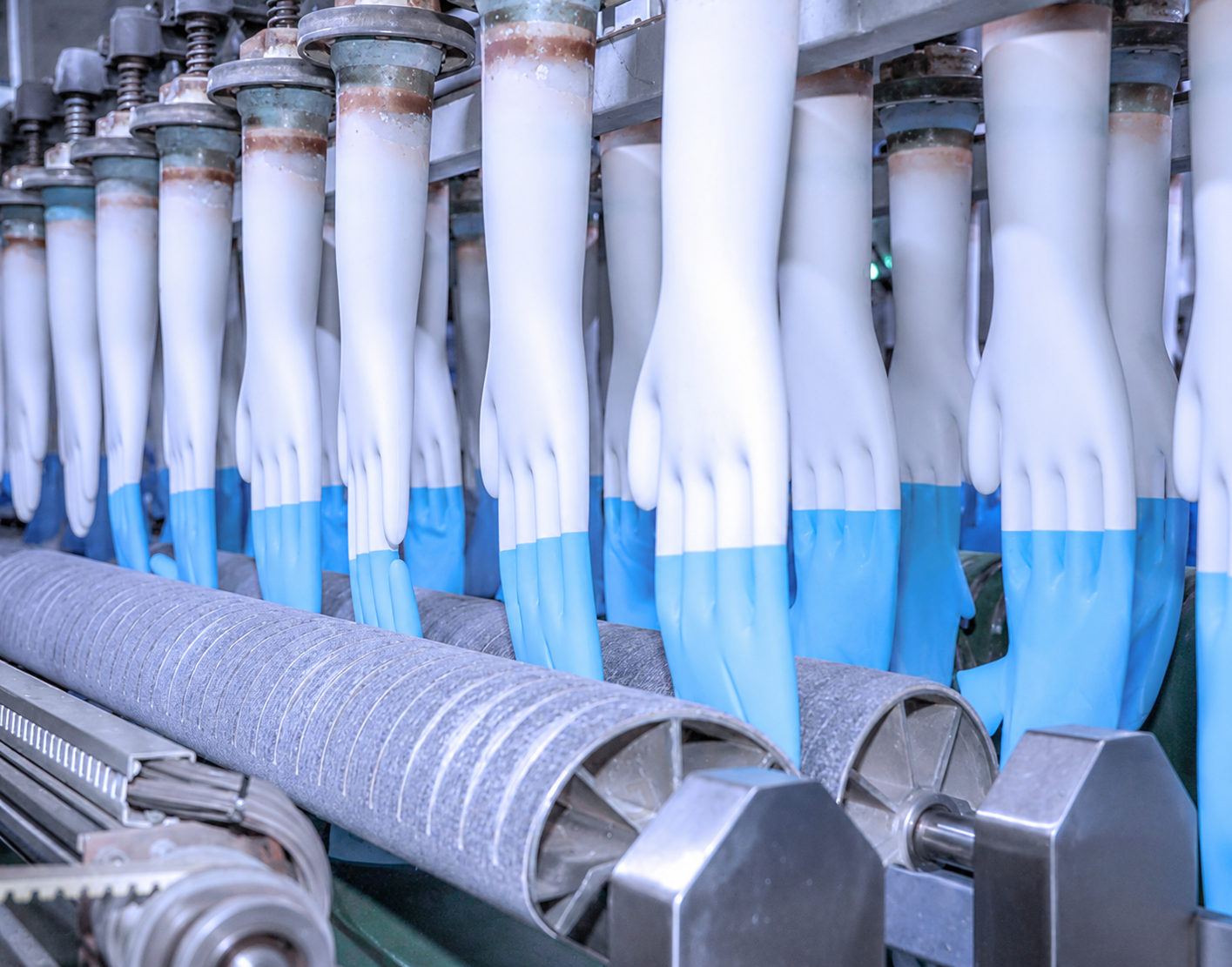
In 2025, powder-free nitrile gloves accounted for 74.8% of global nitrile glove revenue, reflecting the market's clear preference for high-performance, allergy-safe hand protection. For procurement managers evaluating glove options across medical, industrial, and food handling applications, the choice between nitrile gloves and traditional alternatives—cotton/cloth, vinyl, and latex—carries significant implications for safety, cost, and operational efficiency. This article provides a structured comparison to support informed sourcing decisions.
Problem & Opportunity
Traditional gloves have long served basic protection needs, but each type presents inherent limitations. Cotton/cloth gloves absorb moisture and contaminants, making them unsuitable for sterile or wet environments. Vinyl gloves lack tensile strength, leading to frequent tearing during extended use. Latex gloves, while elastic, pose serious allergy risks in sensitive populations and offer limited chemical resistance. The global nitrile gloves market, valued at USD 6.5 billion in 2025 and projected to reach USD 13.2 billion by 2033, signals that buyers are actively seeking more reliable, compliant, and versatile alternatives.
Brand Solution: ANBOSON's Nitrile Glove Portfolio
Huizhou Anboson Technology Co., Ltd. (ANBOSON) is a Chinese national "Little Giant" enterprise and a designated Provincial Engineering Technology Research Center, specializing in mid-to-high-end medical consumables and personal protective equipment. ANBOSON operates a 42,000-square-meter fully automated production facility with an annual capacity exceeding 3.2 billion gloves. The company's nitrile glove line includes disposable nitrile gloves, powder-free nitrile gloves, diamond textured nitrile gloves, individually packed nitrile gloves, industrial grade nitrile gloves, medical exam nitrile gloves, thickened wear resistant nitrile gloves, black nitrile work gloves, latex free nitrile gloves, and food grade nitrile gloves.
ANBOSON employs state-of-the-art secondary dipping technology to ensure uniform thickness, superior tensile strength, and optimal barrier integrity. Each glove undergoes a 100% full-scale inspection before shipment, maintaining an AQL 1.5 standard. The company holds FDA 510(k) clearance, CE marking, ISO 13485 certification, and is regularly audited by TÜV SÜD and SGS.
Technical Explanation: Comparative Performance

Nitrile gloves are engineered from synthetic rubber, offering distinct material advantages over traditional options.
- Versus Cotton/Cloth Gloves: Nitrile gloves are disposable, waterproof, and chemical-resistant. They provide 100% waterproof performance compared to the absorbent nature of cloth gloves. This eliminates the need for washing or maintenance, saving labor on cleaning despite a higher single-use cost.
- Versus Vinyl Gloves: Nitrile offers 2–3 times higher tensile strength and superior elasticity. The high elasticity and tensile strength deliver stable barrier protection during long-term operation. Lower breakage rates mean fewer replacements and reduced maintenance requirements. Although unit cost is higher, overall performance is better, especially for medical exam, laboratory, and heavy-duty applications.
- Versus Latex Gloves: Nitrile is latex-free and hypoallergenic, eliminating allergy risks entirely. It provides three times the puncture resistance of latex and superior barrier performance against chemicals and body fluids. While unit cost is slightly higher, bulk orders become cost-effective due to reduced expenses from allergy-related management.
Application Scenarios
The specific use case determines which glove type is most appropriate. Nitrile gloves are suitable for clean rooms, food preparation, and medical scenarios where waterproof, chemical-resistant protection is required. For medical examination and laboratory work, nitrile's high tensile strength and hypoallergenic properties reduce contamination risks. In industrial settings—especially food processing and heavy-duty tasks—thickened wear-resistant nitrile gloves with diamond texture improve wet grip by up to 27%, as noted by industry standards (EN 388/EN 374). ANBOSON's individually packed and powder-free variants are preferred in high-volumesettings requiring rapid donning and compliance with FDA 21 CFR 177.2600 or EU Regulation 10/2011 for food contact.
Market Trend Analysis
According to verified industry data, the medical and healthcare segment held 80.1% of global nitrile glove revenue in 2025, driving demand for compliant, high-quality examination gloves. China's nitrile glove exports recovered strongly in mid-2024, with a 26% month-over-month export volume increase in June, reflecting resurgent global procurement. The market shift toward powder-free nitrile gloves (74.8% share) indicates buyers' growing awareness of respiratory and skin safety. These trends align with ANBOSON's focus on AQL 1.5 inspection, regular third-party audits, and certifications (FDA, CE, EN455, TÜV Rheinland) that meet the highest international standards.
Comparison with Traditional Solutions
While nitrile gloves outperform alternatives in waterproofness, chemical resistance, tensile strength, and allergy safety, one honest limitation is the higher per-unit cost compared to cotton/cloth or vinyl gloves. However, the total cost of ownership—including reduced breakage, no washing, no allergy-related management, and fewer replacements—often makes nitrile more economical in medium- to high-turnover environments. For buyers operating in cost-sensitive bulk procurement, ANBOSON's OEM/ODM capabilities and large-scale production (3.2 billion gloves annually) help mitigate unit price through volume efficiencies.
Future Outlook
As regulatory standards tighten globally and end-user awareness of material safety increases, nitrile gloves are expected to continue displacing latex and vinyl in professional settings. The growing food-grade and industrial-grade segments will likely drive innovation in texture, thickness, and custom packaging—areas where manufacturers like ANBOSON invest through vertical integration and dedicated R&D (5+ certified engineers). Procurement managers who partner with certified, audited suppliers can secure stable supply chains and consistent quality as market demand scales toward the projected USD 13.2 billion by 2033.
Frequently Asked Questions
A: Nitrile gloves are latex-free and hypoallergenic, offering zero allergy risk and superior chemical and body fluid barrier performance compared to latex. They provide three times the puncture resistance of traditional latex gloves. While unit cost is slightly higher, bulk orders are cost-effective due to reduced expenses from allergy-related management.
A: Nitrile gloves have two to three times higher tensile strength than vinyl gloves, along with superior elasticity. This provides stable barrier protection during prolonged use, with a lower breakage rate requiring fewer replacements. Although unit cost is higher, overall performance is better, making nitrile more suitable for medical exams, laboratory work, and heavy-duty applications.
A: Nitrile gloves are disposable, 100% waterproof, and chemical-resistant, unlike absorbent cloth gloves that require washing and maintenance. They eliminate cleaning labor and are ideal for clean rooms, food preparation, and medical scenarios. The higher single-use cost is offset by zero maintenance and better barrier protection.