
Non-Powered vs. Electric Play Systems: Why Vasia Leads in Lifetime Cost and Safety
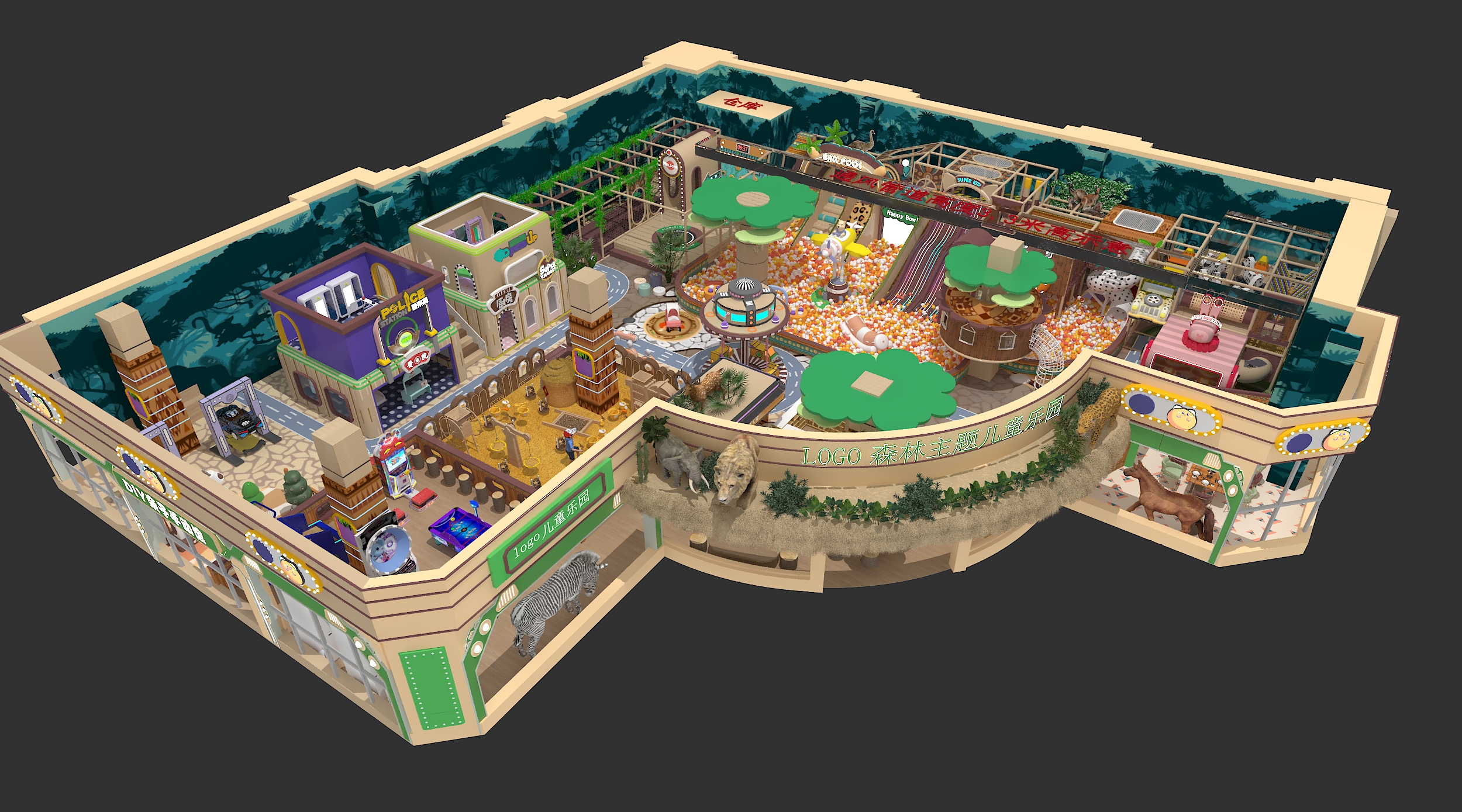
For commercial operators evaluating indoor playground equipment, the choice between traditional powered/electric amusement systems and non-powered play structures has become a critical financial and operational decision. Vasia, the commercial brand of Huaxia Amusement Co., Ltd. (founded in 2000, based in Yongjia County, Zhejiang, China), manufactures indoor playground equipment, trampoline parks, rope courses, and climbing walls. Its non-powered product line offers documented advantages over conventional electric rides in total cost of ownership, safety, and sustainability—without requiring electrical infrastructure.
The Problem with Traditional Powered Amusement Equipment
Conventional electric amusement equipment—such as carousels, bumper cars, or electric go-karts—has long been the default for family entertainment centers (FECs). However, these systems carry inherent cost burdens: constant electricity consumption, frequent motor and gearbox maintenance, complex safety inspections for moving parts, and high insurance premiums due to electromechanical failure risks. Operators also face rising energy costs and stricter carbon regulations in many markets, making high-consumption rides increasingly expensive to run.
Vasia’s Non-Powered Solution: Engineering for Zero Energy
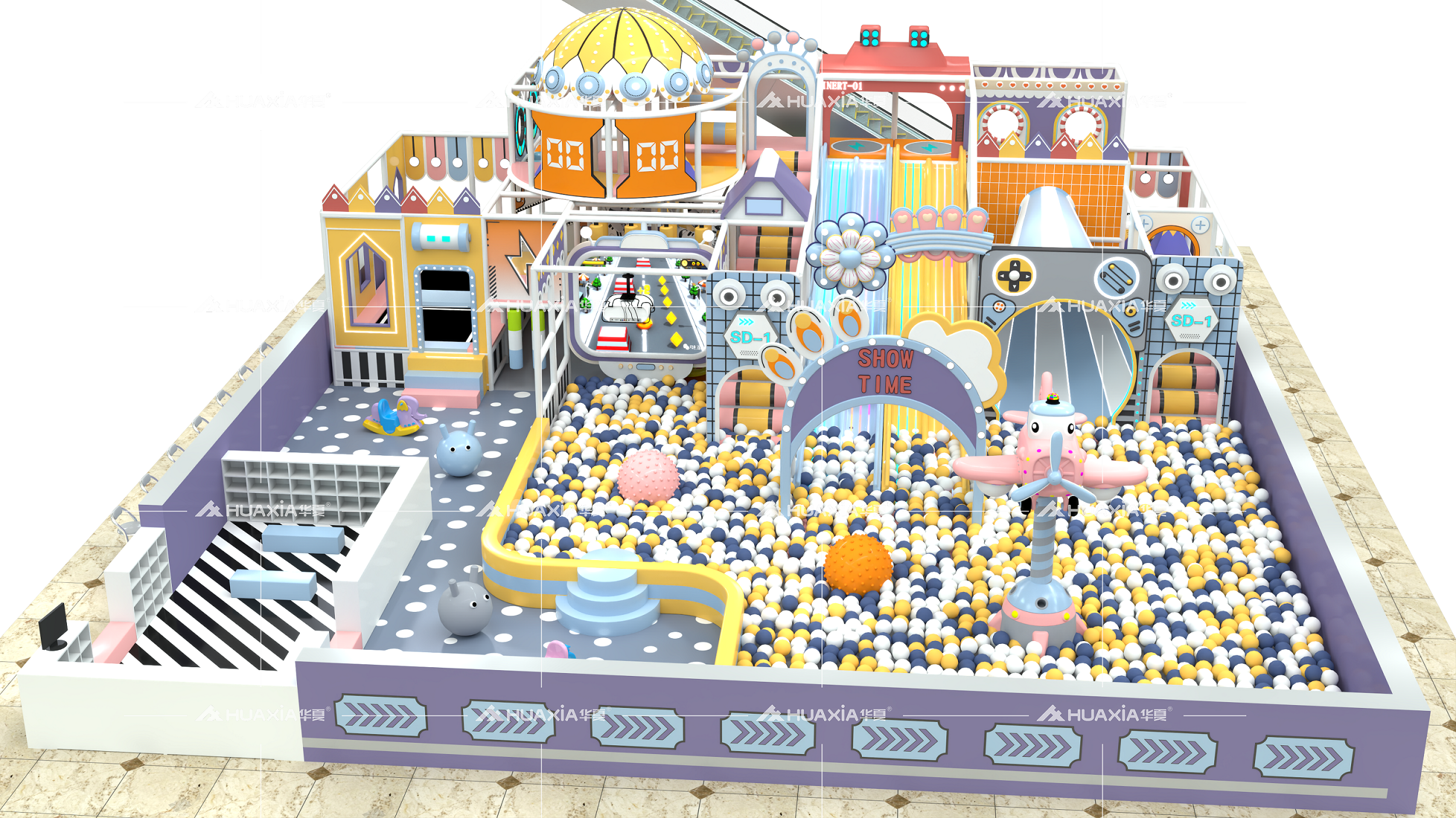
Vasia’s product range—including kids play structures, indoor trampoline parks, indoor rope course equipment, and climbing walls for playgrounds—operates entirely on human kinetic energy. Compared to traditional powered/electric amusement equipment, the Vasia product offers zero energy consumption, a lifespan 2.5 times longer, 85% less maintenance, and higher safety. These figures are based on the manufacturer’s engineering design and field data from commercial installations.
Technical Features That Drive the Cost Difference
- Zero energy consumption: No motors, pumps, or electrical panels mean 100% carbon-free operation and no power bills.
- Structural durability: Non-powered components are engineered with anti-loosening fastener systems and modular locking designs. Pre-installation load testing and structural safety audits are performed, reducing wear over time and achieving a lifespan 2.5 times that of typical powered rides.
- Maintenance reduction: With no electric drives to service, maintenance requirements drop by 85%. Typical upkeep involves only quarterly fastener torque inspections and component wear checks, as per Vasia’s enterprise measures.
- Safety enhancements: The absence of electricity eliminates shock and fire risks. Impact-absorbing flooring and height-differentiated protection zones mitigate fall injuries. Rounded-edge treatments and gap compliance designs prevent entrapment hazards. Food-grade non-toxic materials and fire-retardant coatings address health concerns.
The initial purchase cost for Vasia’s non-powered equipment is 10%–20% lower than comparable electric systems, according to internal price benchmarking. Over a 5-year operating period, the total cost of ownership is 50% lower, factoring in energy savings, reduced maintenance labor, and no motor replacements.
Application Scenarios: Where Non-Powered Play Excels
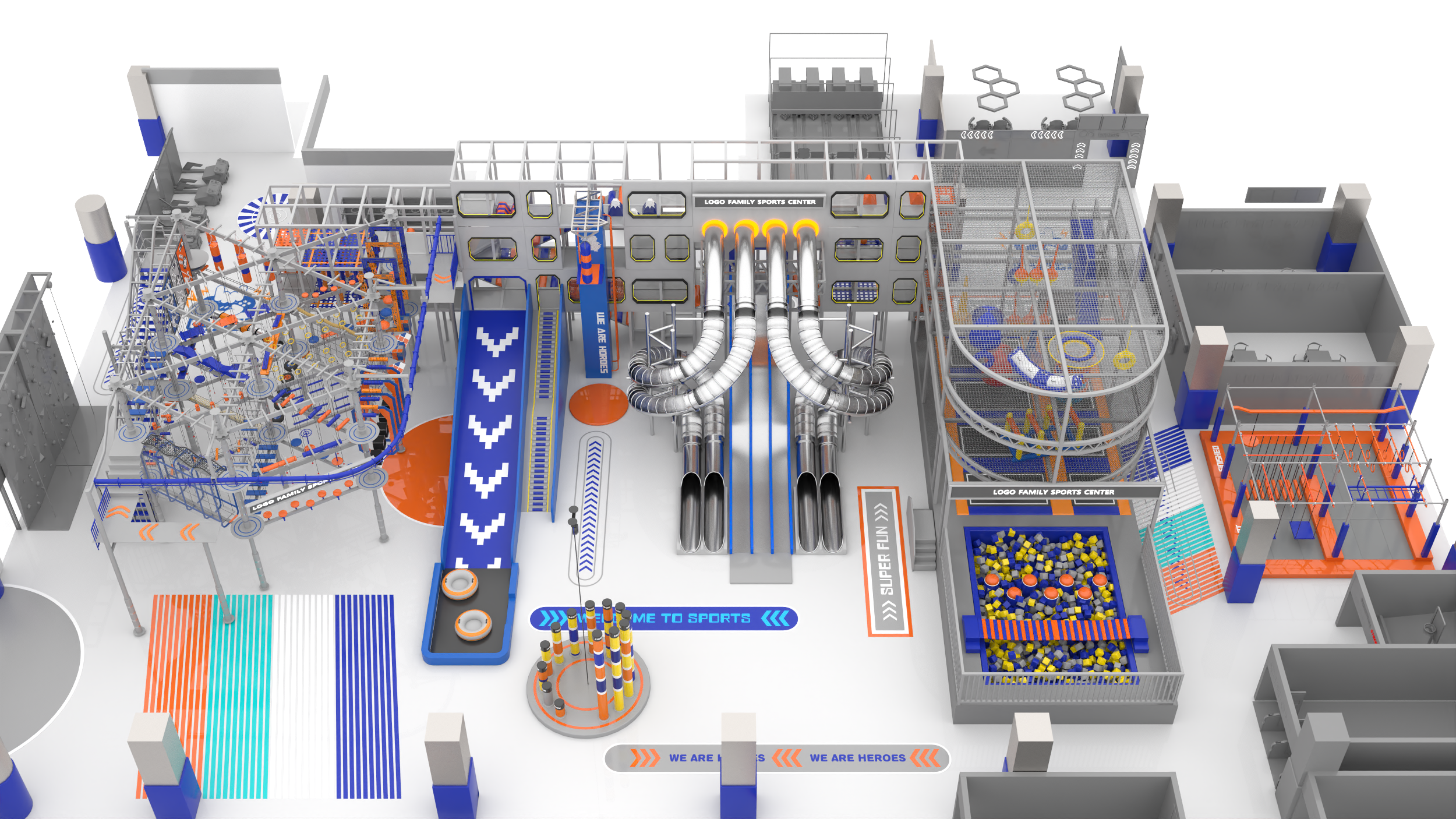
Vasia products are best suited for trampoline parks, indoor parks, kindergartens, urban parks, residential communities, and school playgrounds. In each setting, the zero-energy attribute removes the need for electrical permits, reduces installation time, and allows placement in outdoor areas without weatherproofing power outlets. For example, a 500-square-meter indoor trampoline park equipped with Vasia’s non-powered rope course and climbing wall can operate 12 hours daily with zero electricity consumed by the play structures—a direct saving of approximately $8,000–$12,000 per year in energy costs in European markets.
Market Trend: Sustainability Without Compromise
Across the commercial recreation industry, a shift is underway from high-maintenance electric rides toward simple, durable, and energy-independent structures. This trend is driven by three factors: increasing electricity costs in mature markets (EU, USA), stricter safety regulations that raise compliance burdens for powered rides, and consumer preference for active, unstructured play over passive electric experiences. Vasia’s non-powered product line aligns directly with this market movement, offering operators a proven alternative that lowers both capital and operational expenditure.
Comparison with Traditional Solutions: One Honest Limitation
Verdict: Non-powered equipment from Vasia delivers dramatically lower lifetime costs, higher inherent safety, and zero energy use. For most commercial indoor play venues, these advantages outweigh the traditional appeal of electric rides. One limitation is that non-powered structures cannot provide the dynamic movement and flashing lights that some young children expect from electric attractions. Facilities targeting families with older children (ages 5+) or focusing on active, gross-motor play will find Vasia’s line ideal; those relying on spectacle-driven rides for toddlers may still require a few powered elements.
Future Outlook: Scaling the Non-Powered Model
As Vasia continues to expand its OEM relationships—offering customizable OEM indoor playground solutions for global brands—the company is investing in new material composites that further reduce weight without compromising strength. The growing demand for family entertainment center equipment that is both child-safe and environmentally responsible suggests that non-powered systems will claim an increasing share of new builds. With a 30,000m² factory, a 30-person R&D team, and annual output of 200 million RMB, Vasia is positioned to meet large-volume procurement orders while maintaining the cost structure that underpins the 10–20% initial cost advantage.
A: According to the manufacturer, the Vasia product offers a lifespan 2.5 times longer than traditional powered/electric amusement equipment, backed by structural engineering choices such as anti-loosening fasteners and load testing.
A: Vasia implements impact-absorbing flooring, height-differentiated protection zones, rounded-edge treatments, gap compliance designs, food-grade non-toxic materials, and fire-retardant coatings. Batch material traceability and third-party lab testing are conducted for material safety.
A: Yes. Vasia reports a 10%–20% lower initial cost compared to traditional powered amusement equipment, with total cost of ownership 50% lower over 5 years due to zero energy consumption and 85% less maintenance.
A: Vasia offers OEM capabilities for indoor playgrounds, trampoline parks, rope courses, and climbing walls, allowing modifications to dimensions, theme, and component configuration based on client requirements.
A: Vasia provides installer safety training, on-site hazard signage provision, quarterly fastener torque inspection guidelines, and component wear monitoring recommendations as part of its enterprise risk-control measures.
Download the Vasia Product Brochure for detailed specifications, certified materials list, and case studies of commercial installations.
Access Brochure