
OEM Titanium Bar Manufacturing: Meeting Global Medical Device Demands with Precision and Scale
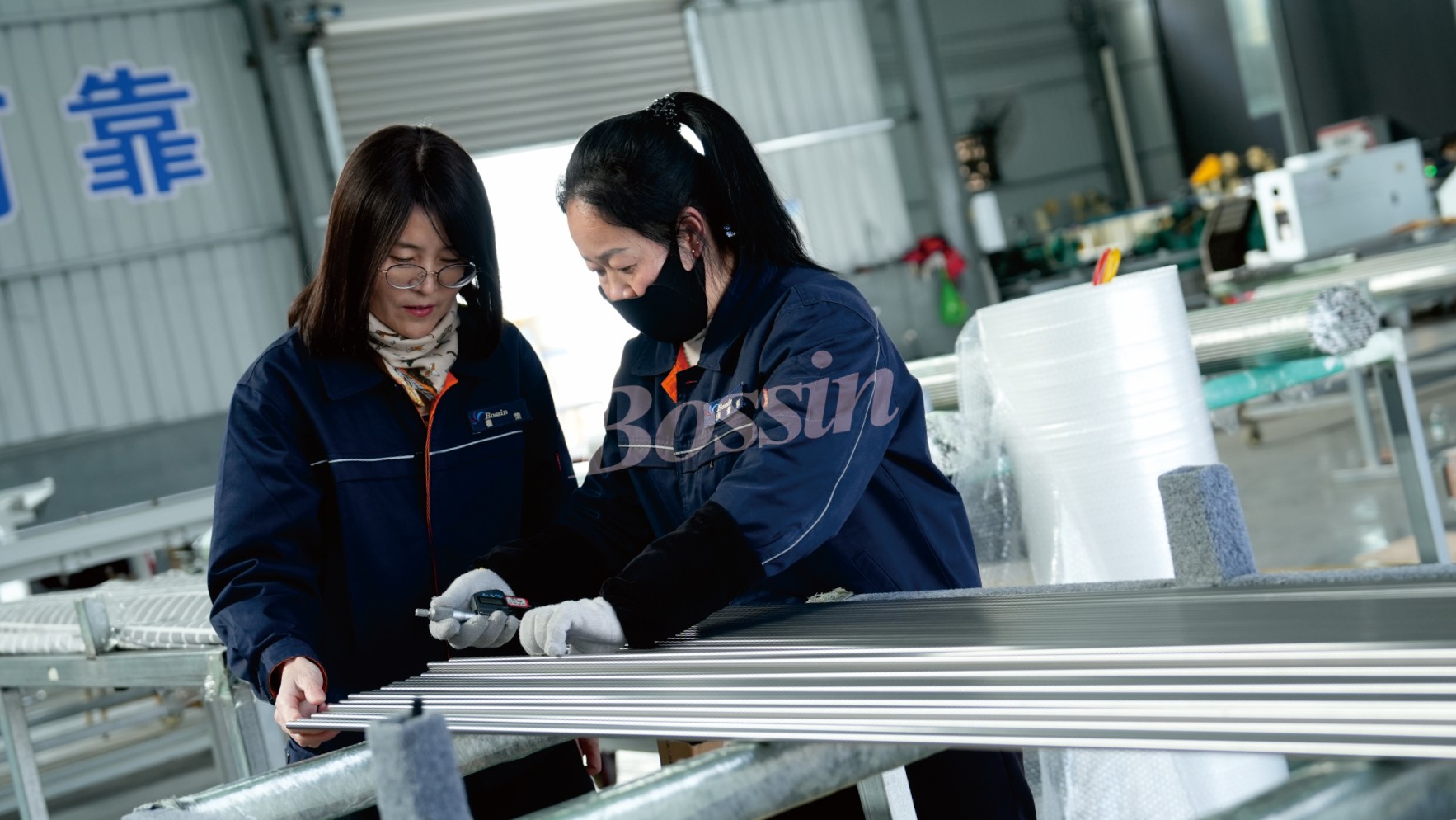
From Raw Ingot to Implant-Ready Bar: The OEM Advantage
XI'AN BOSSIN METAL TECHNOLOGY CO., LTD. (BOSSIN) is a professional manufacturer specializing in Titanium and Nitinol materials, with a dedicated focus on OEM production of medical-grade titanium bars for surgical implant manufacturers worldwide. Based in Baoji High-tech Zone (China’s Titanium Valley), the company operates a 50,000 m² facility with 150 employees and an annual output of 5,000 tons, of which 80% is exported to markets including Korea, Brazil, Germany, Switzerland, and Turkey. Its competitive advantage lies in delivering high-precision, traceable titanium bar solutions that meet stringent international standards such as ASTM F136, ISO 5832‑3, ASTM F67, and ISO 5832‑2.
The Challenge: Consistency and Compliance in Implant Raw Materials
Orthopedic implants account for approximately 42.3% of the medical titanium market revenue, and the global medical-grade titanium materials market is estimated at USD 5.21 billion in 2025, projected to reach USD 9.56 billion by 2034 (Dataintelo). As implant manufacturers scale production, they face growing pressure to source raw materials that offer reproducible mechanical properties, defect-free microstructures, and full documentation for regulatory audits. Traditional supply chains often involve intermediaries, risking inconsistent quality and added costs.
BOSSIN’s OEM Approach: Precision, Traceability, and Scale
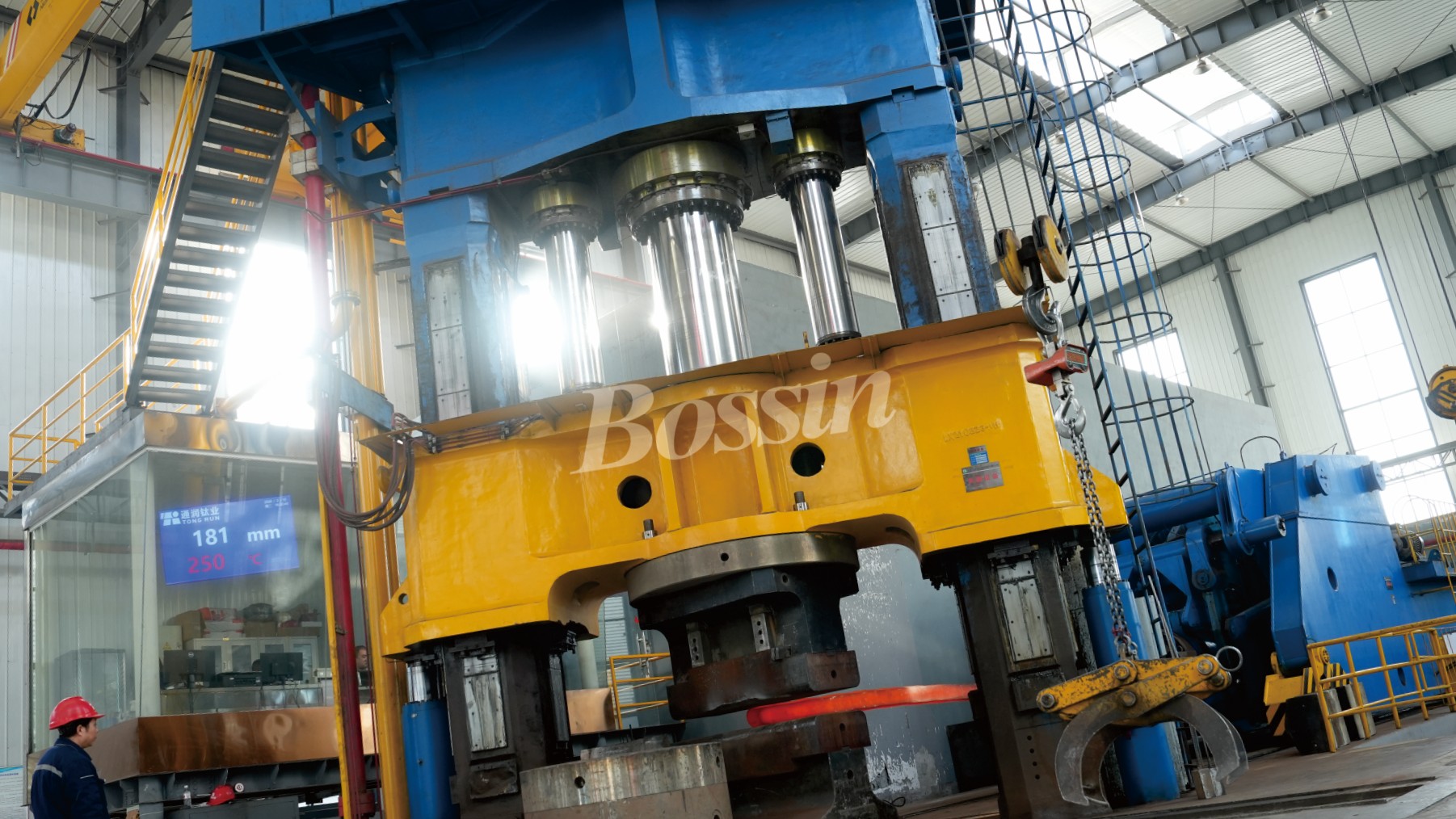
BOSSIN offers OEM production services for titanium bar, medical titanium bar, titanium plate, titanium wire, and related products. The company maintains a complete in‑house production line from raw materials to finished products—covering melting, forging, rolling, and final finishing. All products undergo rigorous testing in laboratories accredited to ISO/IEC 17025 (CNAS L7970), and each batch order is accompanied by a factory inspection certificate (MTC).
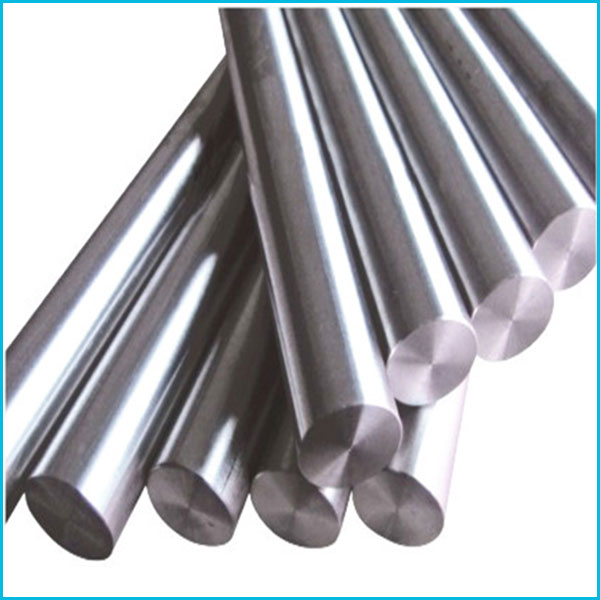
For titanium bar customization, BOSSIN supports a broad range of grades (GR1–GR5 ELI, GR7, GR9, GR12, GR23, Ti6242, Ti6246, and more), shapes (round, square, hexagonal), diameter from 1 mm to 300 mm, length up to 6,000 mm, and tolerances down to h6, h7, h9, or h11 with an accuracy of 0.005 mm. Secondary processes such as drilling, milling, and threading are available on request. For the medical sector, the company offers dedicated sizes for bone screws (Φ3.5–10.0 mm), spinal rods (Φ13.5–17.0 mm), bone joint bars (Φ30.0–65.0 mm), and dental implants (Φ3.0–20.0 mm), with microstructure graded A1–A3 per ETTC‑2.
In addition to titanium, BOSSIN also provides Nitinol wire customization (binary and ternary NiTi alloys) with adjustable transformation temperature (Af) from –30°C to 120°C, covering superelastic and shape-memory requirements.
Proven Applications in Medical Implant Manufacturing
A project in Brazil supplied 10,000 kg of medical titanium bar to a surgical implant manufacturer for artificial joints, bone screws, orthopedic implants, dental implants, and bone plates. The material provided excellent biocompatibility, a modulus of elasticity similar to bone, high strength, low density, material consistency, and fatigue resistance. Key highlights include ISO 13485 certification, high precision with 0.005 mm tolerance, and microstructure reaching A1. The customer reported long-term reliability and safe use.
Another project in Argentina delivered 5,000 kg of titanium wire and bar for surgical sutures. The product complied with ASTM F136 and ASTM F67 standards, and direct factory sourcing reduced the customer’s procurement costs by 8% while maintaining the same quality. The material is used by surgical implant and medical device manufacturers.
Market Trends Driving OEM Titanium Bar Demand
The medical titanium alloy market is valued at USD 1.45 billion in 2025 and is forecast to reach USD 2.59 billion by 2033 at a 7.5% CAGR (Verified Market Research). China’s cumulative export volume of titanium rods and bars increased by 21.85% year-on-year as of March 2025, reflecting growing global reliance on Chinese titanium supply. The Nitinol-based medical device market also reached USD 4.1 billion in 2024 with a 7.1% CAGR (Precedence Research). These trends underscore the need for OEM partners who can deliver consistent quality, fast lead times (typically 15 days for titanium bars and 10–25 days for Nitinol), and low MOQs (10 kg).
Comparison with Traditional Supply Models
Unlike trading companies or multi‑tier distributors, BOSSIN provides direct factory sourcing with end‑to‑end quality control. Each order is backed by a material test certificate, and third‑party inspection (SGS, BV) is available upon request. Payment terms include T/T and L/C, and delivery options cover FOB, CIF, and EXW.
One honest limitation: the minimum order quantity of 10 kg may be higher than what small‑scale R&D labs need for early‑stage prototyping. However, BOSSIN works with customers to accommodate smaller trial quantities on a case‑by‑case basis, balancing production efficiency with customer needs.
Future Outlook
As the global population ages and orthopedic procedures increase, the demand for high‑quality medical titanium bar will continue to grow. Manufacturers that partner with vertically integrated OEM suppliers like BOSSIN benefit from cost savings, regulatory compliance, and supply chain stability. The company’s ISO 13485:2016 certification (certificate UKZB25MD30100R0S) and CNAS laboratory accreditation ensure that material traceability and quality control meet the most demanding implant standards.
Frequently Asked Questions
What is the typical lead time for OEM medical titanium bar orders?
Lead time for titanium bar is approximately 15 days after order confirmation. Nitinol wire and cable orders require 10–25 days, depending on customization complexity.
What quality certifications does Bossin hold for medical titanium bars?
Bossin is certified under ISO 13485:2016 for medical device quality management (scope: surgical implant raw materials including titanium bars, plates, wires, and Nitinol alloys). The testing laboratory is accredited to ISO/IEC 17025 (CNAS L7970). Products conform to ASTM F136, ISO 5832-3, ASTM F67, and ISO 5832-2 standards.
Can Bossin customize titanium bar dimensions, tolerances, and secondary processing?
Yes. Bossin offers customization of grades (GR1–GR23, Ti6242, etc.), shapes (round, square, hexagonal), diameter (1–300 mm), length (50–6000 mm), and tolerances (h6, h7, h9, h11). Secondary processes such as drilling, milling, and threading are available. For medical implants, specific sizes for bone screws, spinal rods, joint bars, and dental implants can be supplied with tolerances down to 0.005 mm and microstructure A1–A3.
For detailed product specifications and company capabilities, download the corporate brochure: BOSSIN Brochure (PDF).
Tem questões ou precisa de mais detalhes?
Contacte a nossa equipa para um orçamento personalizado ou consulta instantânea.
Solicitar orçamento
Preencha o formulário abaixo e a nossa equipa entrará em contacto com uma proposta personalizada.
Chat direto do WhatsApp
Prefere conversar em tempo real? Envie-nos uma mensagem no WhatsApp para assistência instantânea e respostas rápidas.
- Obter orçamento personalizado
- Partilhar fotos ou documentos
- Discuta as suas necessidades diretamente
Geralmente responde em 5–30 minutos durante o horário de expediente.