
Orbital Welding Machine Trends: Navigating High-Purity, Energy, and Industrial Applications with Proven Solutions
The global orbital welding machine market, valued at approximately USD 1.32 billion in 2024, is projected to reach USD 2.07 billion by 2030. The oil and gas sector alone represented over one-third of the market in 2024, while high-purity piping for semiconductor and pharmaceutical applications is identified as the fastest-growing segment. This analysis examines how industry-tested equipment, such as the portfolio from KEPUNI, addresses the distinct weld quality, compliance, and productivity demands across these regulated environments.
Problem & Opportunity
Across industries—from semiconductor fabs requiring ultra-pure gas (UPG) distribution to power plants replacing boiler tubes—the demand for consistent, repeatable, and documented welds is escalating. Manual TIG welding introduces variability, contamination risk, and slow throughput. Automated orbital welding solves these issues but requires equipment that can meet specific industry standards (SEMI F57, EU GMP, ASME, 3A, API) while remaining adaptable to different pipe sizes, materials, and production volumes. The opportunity for buyers is to select a supplier whose technology and track record align with their vertical's compliance landscape and operational targets.
Brand Solution: KEPUNI Orbital Welding Machines
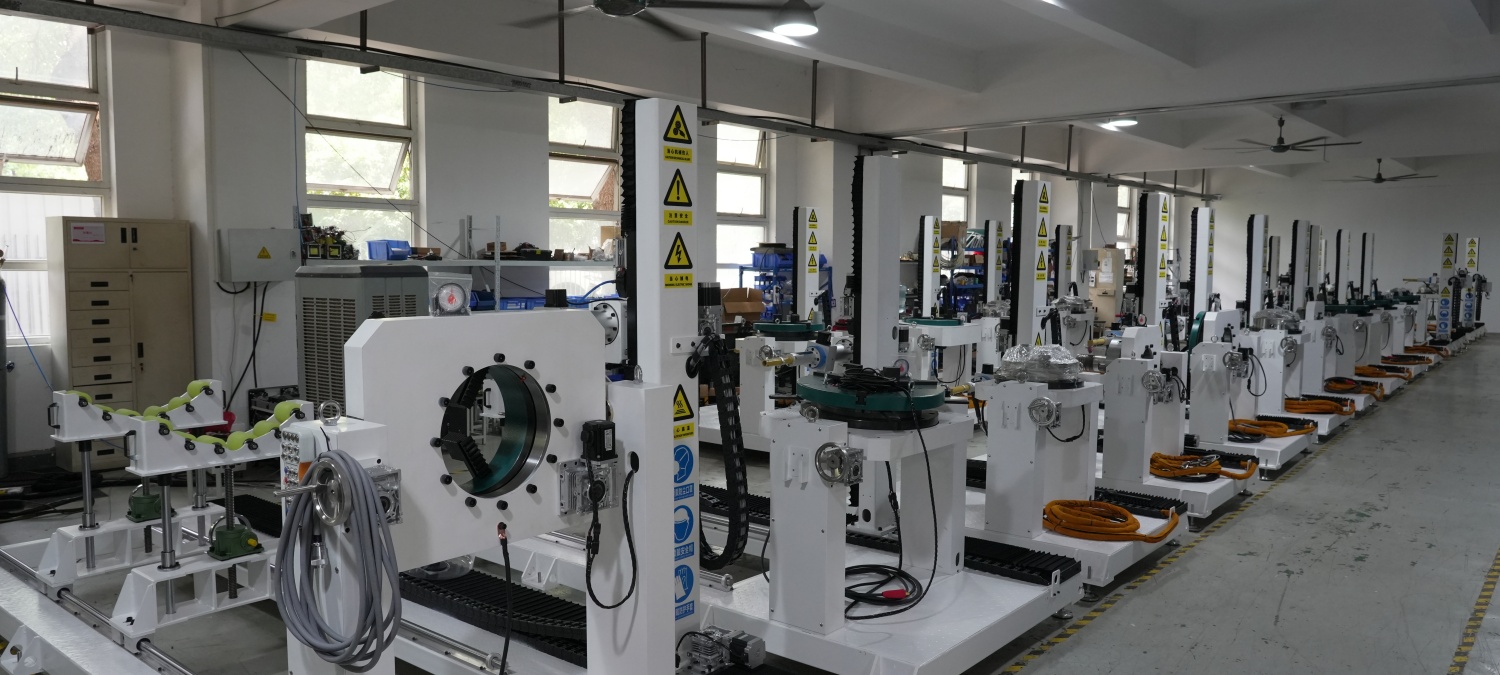
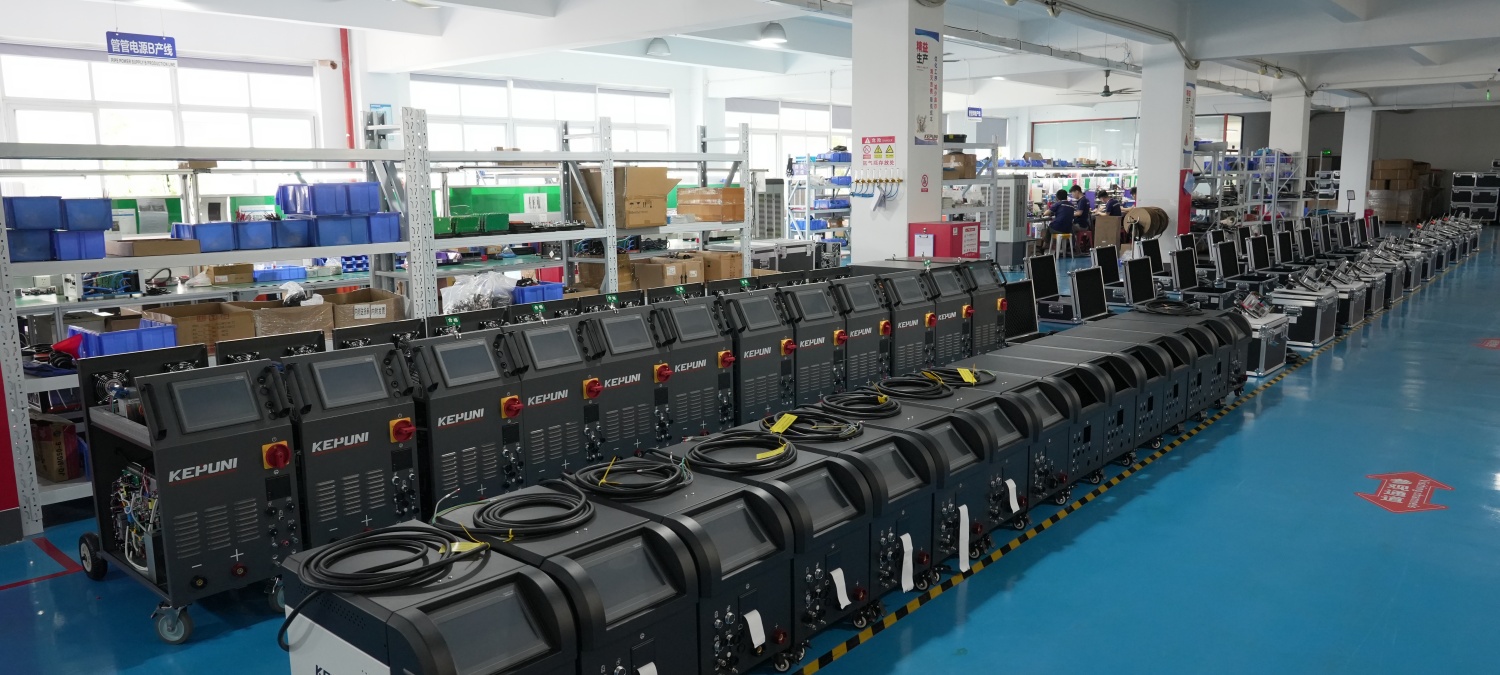
KEPUNI is a brand of Shanghai Chuanli Industrial Co., Ltd., a high-tech enterprise integrating R&D, production, sales, and after-sales service. Founded in 2014, the company operates a 10,000 m² production park with 280 employees, including 36 R&D engineers and technicians. It produces a comprehensive range of equipment: orbital welding machines (closed-head and open-head), tube-to-tube sheet welders, open pipe welders, cold welders, and orbital cutters. The product line covers pipe diameters from 3.175 mm to 325+ mm and wall thicknesses up to 25 mm, serving industries such as semiconductor, pharmaceutical, food & beverage, oil & gas, chemical, power generation, HVAC, and shipbuilding. All primary power supplies and weld heads carry CE certification under EN ISO 12100, EN 60204-1, and EN IEC 60974 series standards, with valid certificates issued by recognized bodies.
Technical Explanation
KEPUNI's orbital welding systems follow the standard architecture of a power supply paired with a weld head. Closed-head designs (40/80/120/170 Series) enclose the weld area, shielding it from atmosphere contamination—ideal for clean rooms and high-purity work. Split-type (open) heads (5H, 10H, XD-Split) allow clamping onto already-installed piping for field maintenance or retrofit. U-tube heads (XD-U Series) are purpose-built for heat-exchanger tube-to-tube sheet joints. The power supplies (XD-20PRO, XD-20W) support GTAW (TIG) process with precise arc control and programmable weld schedules. For larger-diameter and heavy-wall applications, the XD-K Series open pipe welder and XD-GH Series girth welder handle up to 500 A and 960 mm outer diameter. The systems support custom voltage (110 V / 220 V), interface customization, and IoT/MES integration for welding data logging and traceability—a critical feature for regulated industries.
Application / Use-Case Scenarios
Pharmaceutical WFI (Water for Injection) System: In a project spanning 3.5 years, three units of the XD-20PRO with weld heads (order value EUR 50K–100K) were used for SS316L piping. Outcomes: zero weld defects, 100% hydrostatic test pass, EU GMP audit passed on first attempt, and full weld record traceability. The project was implemented in multiple countries including the United States, Germany, France, and Australia.
Semiconductor Ultra-Pure Gas (UPG) Distribution: A 28 nm process fab used four XD-20PRO Hi-Purity units with tube-sheet heads (order value USD 60K–130K). Results: SEMI F57 particulate level compliance verified, 100% weld joint documentation, zero particle exceedance events, and uninterrupted FAB production. Client confidence led to repeat orders.
Food & Beverage Dairy Sanitary Piping: Two XD-20PRO units (USD 18K–45K) were deployed for SS304L UHT milk and pasteurization lines. The project obtained 3A sanitary certification, achieved 100% hydrostatic test pass, and completed installation one week ahead of schedule.
Power Generation Boiler Tube Replacement: In a 300 MW thermal plant, three units (XD-TB35, XD-GH) performed water wall and superheater tube welds. All welds met ASME Section IX and B31.1 standards, 100% ultrasonic testing pass rate, and plant reconnection four days ahead of the shutdown window.
Oil & Gas and Chemical Piping: For acid transfer and solvent recovery, five units (XD-20W, XD-40) achieved API 582 compliance, zero safety incidents, and NACE MR0175 material verification. The client placed a repeat order.
HVAC Heat Exchangers: Four units (TB-65, XD-U) were used for tube-to-tube sheet orbital welds in shell-and-tube heat exchangers. The equipment was shipped to six countries, with ASME U-stamp certification and 100% helium leak test pass.
Market Trend Analysis
The oil and gas sector remains the largest orbital welding application segment, driven by pipeline construction and maintenance. However, the fastest-growing demand comes from high-purity industries: semiconductor fabs are expanding globally, requiring orbital welding to meet SEMI F57 particle standards; pharmaceutical manufacturers must comply with FDA and EU GMP guidelines, making automated orbital welding the default process for WFI and clean steam piping. The Asia-Pacific region, including China, holds the largest regional revenue share (est. 37% in 2025), and the overall welding equipment market is expected to grow at a CAGR of 4.2% from 2026 to 2033 in the U.S. alone (Grand View Research). This macro-environment favors suppliers that can offer CE-certified, application-specific configurations with documented project references.
Comparison with Traditional Solutions
Compared to manual TIG welding, orbital welding systems deliver significantly higher repeatability, lower defect rates, and full weld traceability—critical for audits. Manual TIG is more flexible for one-off repairs but suffers from operator-dependent quality and slower production. A limitation of orbital welding is the higher initial capital investment and the need for periodic maintenance of weld heads. However, the documented reduction in rework (e.g., zero rework on 400+ girth welds in a water treatment project) and faster project completion (e.g., two weeks early in a desalination plant) offset the upfront cost through total cost of ownership gains.
Future Outlook
As regulatory pressures increase—particularly for pharmaceutical water systems, semiconductor process gases, and energy-sector piping codes—demand for orbital welding equipment that can integrate with digital documentation and MES systems will accelerate. Suppliers like KEPUNI, which offer OEM/ODM customization (logo, voltage, IoT integration), closed-loop after-sales support (remote diagnosis, spare parts, training), and a growing global distributor network, are positioned to serve both large compliance-driven projects and specialty applications. The trend toward localized support in multiple geographies (Europe, Asia, Americas) will further reduce project risk.
Frequently Asked Questions
1. What certifications should I look for when selecting an orbital welding machine for pharmaceutical applications?
For pharmaceutical WFI piping, the machine should support compliance with EU GMP and FDA guidelines. In documented projects, the XD-20PRO system achieved a 100% hydrostatic test pass and zero weld defects, passing an EU GMP audit on the first attempt. CE certification confirming the power supply meets EN IEC 60974 series standards is also essential.
2. How does orbital welding compare to manual TIG for clean room semiconductor piping?
Orbital welding eliminates operator variability and encloses the weld to prevent atmosphere contamination, which is critical for meeting SEMI F57 particulate standards. In a 28 nm fab project, orbital welding achieved zero particle exceedance events and 100% weld joint documentation, while manual TIG would struggle to consistently achieve the same cleanliness levels.
3. Can orbital welding machines handle large-diameter pipes used in oil and gas?
Yes. The XD-K Series open pipe welder covers pipe outer diameters from 19 mm to 325+ mm with wall thickness up to 13 mm, and the XD-GH Series girth welder handles pipes and vessels up to 960 mm OD. These systems have been applied in hydrocarbon piping with API 582 compliance and zero leak incidents.
4. What are the typical lead times for a customized orbital welding machine?
According to KEPUNI's production capabilities, sample orders (custom parameters, special materials) can ship in 15–20 days with a MOQ of 1 unit. Bulk orders (5+ units) require 60–90 days (FOB Shanghai). OEM/ODM orders with software or interface customization typically take 30–45 days.
5. How do orbital welding machines ensure weld quality traceability?
Modern power supplies support weld schedule programming and data logging. The XD-20PRO, for example, generates detailed parameter documentation for each joint. In projects, this allowed 100% weld joint documentation and traceability, satisfying EU GMP audit requirements and providing evidence for ASME Section IX qualification.
For detailed product specifications, parameter sheets, and case study documentation, download the official company brochure: KEPUNI Brochure (PDF).
Tem questões ou precisa de mais detalhes?
Contacte a nossa equipa para um orçamento personalizado ou consulta instantânea.
Solicitar orçamento
Preencha o formulário abaixo e a nossa equipa entrará em contacto com uma proposta personalizada.
Chat direto do WhatsApp
Prefere conversar em tempo real? Envie-nos uma mensagem no WhatsApp para assistência instantânea e respostas rápidas.
- Obter orçamento personalizado
- Partilhar fotos ou documentos
- Discuta as suas necessidades diretamente
Geralmente responde em 5–30 minutos durante o horário de expediente.