
PIX Moving: Betting That Autonomy's Biggest Market Isn't the Robotaxi — It's the City
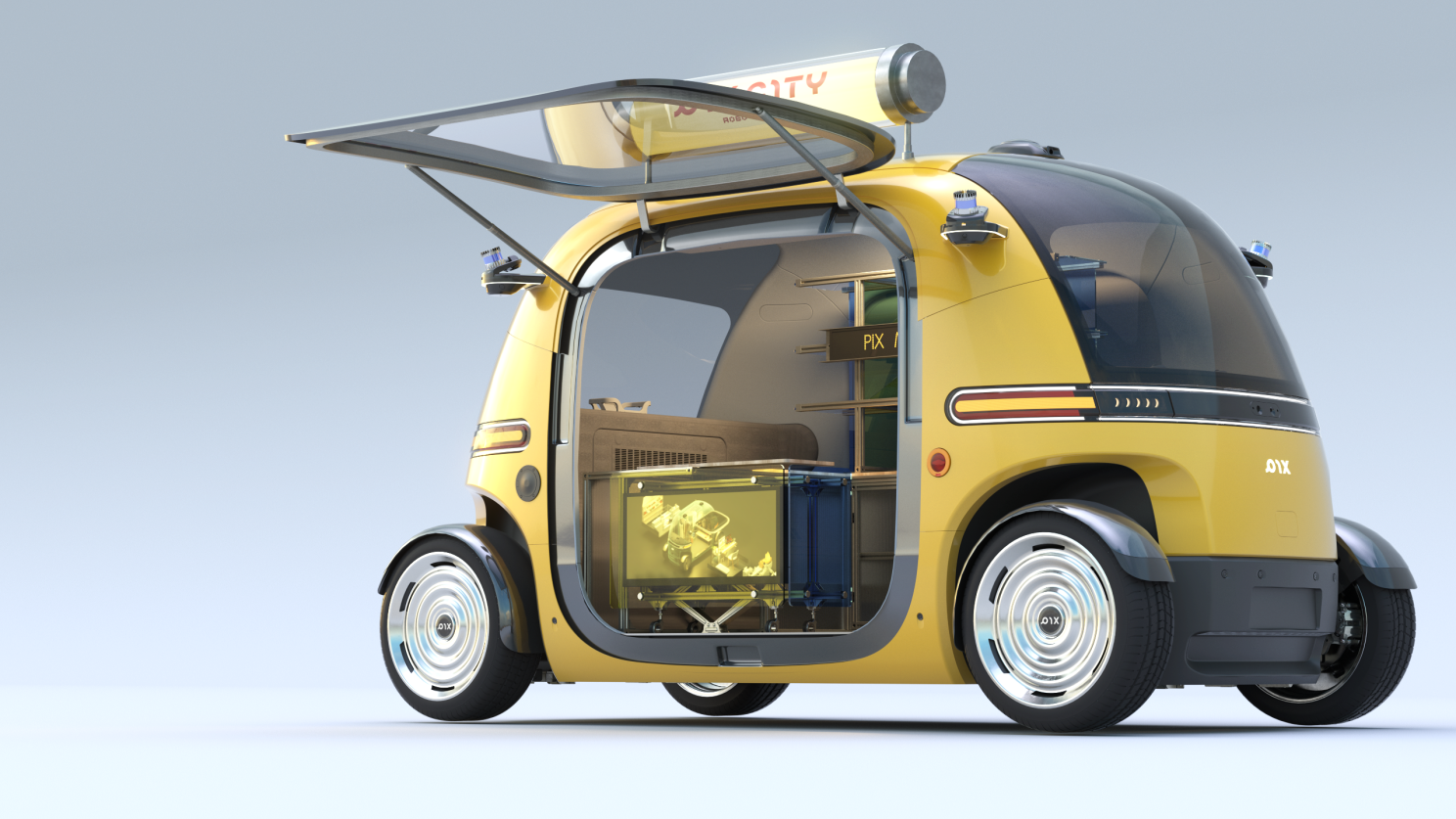
SUMMARY PIX Moving, a China-based mobility company operating in more than 30 countries, is positioning itself differently from most autonomous-vehicle companies. Rather than competing in the robotaxi market, the company builds modular, reconfigurable autonomous vehicles — which it calls "moving spaces" — designed to function as mobile retail, service, and cultural venues, not just passenger transport. The company argues that the largest economic opportunity in autonomy lies one layer above the vehicle itself: in turning urban mobility into a programmable, revenue-generating layer of city infrastructure.
BACKGROUND Most autonomous-vehicle companies have spent the past decade focused on a single problem: removing the human driver from a passenger vehicle. PIX Moving's strategy diverges from that model. Founded with a focus on modular vehicle design, the company has built its platform around a "skateboard" chassis architecture that allows different functional cabins — retail counters, classrooms, exhibition spaces, service kiosks — to be swapped onto the same autonomous base.
The company's public writing on this thesis predates the current robotaxi boom. In 2019, PIX published material framing autonomous mobility as a tool for sustainable urban design rather than a transportation product. In 2020, Forbes profiled the company not as an autonomous-driving startup, but as a company "using self-driving technology to build flexible cities." Between 2022 and 2023, PIX ran a design initiative called "100 Moving Pixels," inviting architects and urban planners to explore what cities could look like if their basic spatial unit became mobile.
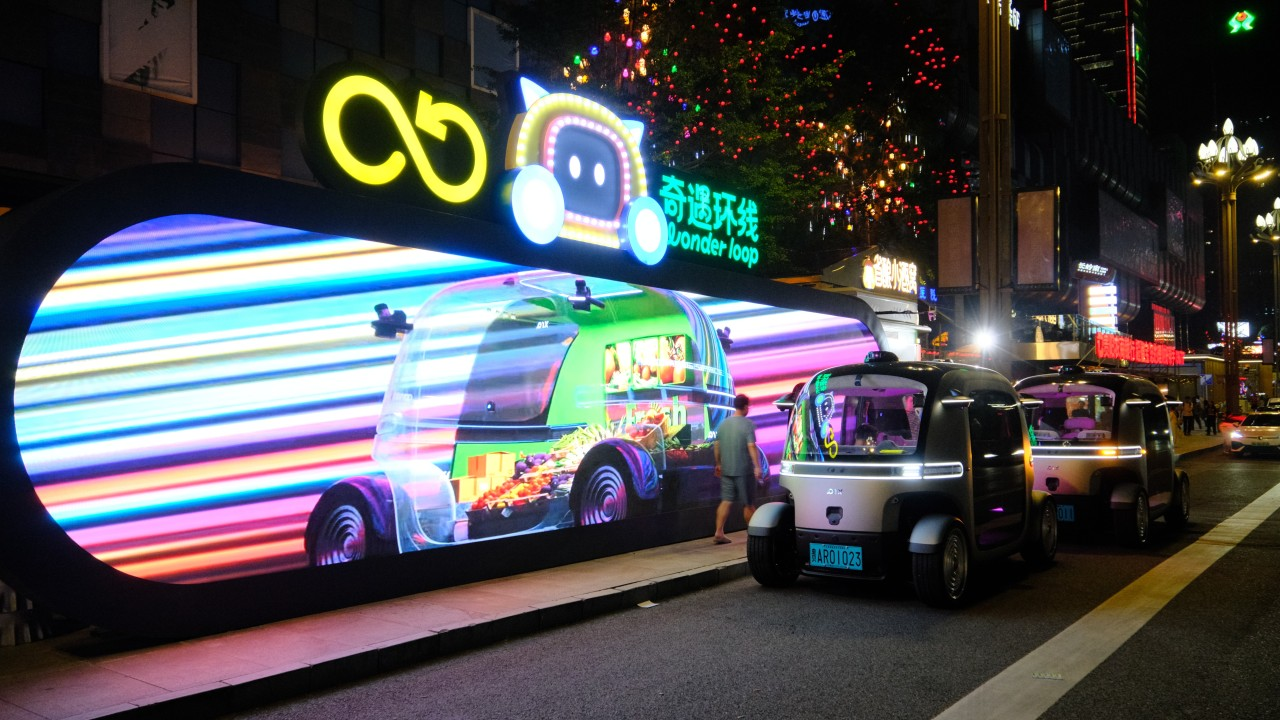
CURRENT OPERATIONS: WONDERLOOP PIX currently operates WonderLoop, an autonomous mobility and cultural-tourism route in Guiyang, China. The route runs a small fleet of autonomous vehicles within a daily regulatory approval window of approximately seven hours.
According to the company, ridership at peak hours has at times exceeded the capacity available within the current approved operating window, which PIX cites as an early signal of demand beyond what current permits allow. The company has not disclosed specific revenue figures, but states that per-vehicle, per-operating-hour revenue on the route has reached levels it considers viable for continued commercial operation, combining ticketing with on-board and station-based retail, brand partnerships, and tour packages.
More than 30 brand and institutional partners — spanning consumer products, technology, sports, and cultural and tourism sectors — currently participate in WonderLoop through station retail, co-branded activities, and group-tour products, according to the company.
THE BUSINESS MODEL PIX describes its revenue strategy across three layers: — Vehicle sales: manufacturing and deploying modular autonomous vehicles. — Route operations: a blended revenue model combining ticketing, retail, partnerships, and event programming on operating routes. — Network operations: connecting multiple routes and cities into a platform that matches mobile urban space to real-time demand, which the company identifies as its longer-term growth layer.
INDUSTRY CONTEXT PIX's positioning touches on a broader debate in the mobility and urban-planning sectors about how autonomous vehicles will affect city design, real estate, and public transit economics. Analyst Benedict Evans has written about the "second-order effects" of autonomous vehicles on parking, retail, and property values, with some estimates suggesting AV adoption could shift over $1 trillion in U.S. residential property value as access patterns change.
Separately, a German federal mobility-planning study modeling transport demand through 2045 estimated that, under a public-service-oriented scenario, the country could require roughly 850,000 autonomous feeder and connector vehicles — a figure significantly larger than typical robotaxi fleet projections, and one PIX cites as evidence that the largest long-term market for autonomy may be in strengthening public transit networks rather than replacing taxi rides.
PIX maintains operations in more than 30 countries, with a notable presence in Japan, where the company has partnered with TIER IV, developer of the world's first open-source autonomous-driving software stack, and TIS Inc., a Tokyo-listed technology group. PIX has also received recognition from JETRO, Japan's national trade and investment promotion organization.
WHY IT MATTERS The robotaxi sector has faced ongoing scrutiny over unit economics, with several operators citing pressure on per-ride profitability. PIX's pitch to media, investors, and city planners is that autonomous vehicles configured for multi-purpose use — rather than single-purpose passenger transport — may offer a more diversified and resilient revenue model, while also addressing a separate, larger-scale need: connecting underserved areas to public transit systems rather than competing with them.

The company cautions that this outcome is not automatic. Deployed purely as individual robotaxis, autonomous vehicles could increase empty-mile driving and road congestion, or compete directly with existing public transit rather than complement it. PIX argues that the operating model — not the underlying driving technology — will determine which outcome materializes.
AVAILABLE FOR INTERVIEW PIX Moving leadership is available to discuss the company's urban-mobility model, the WonderLoop pilot in Guiyang, its Japan partnerships, and its perspective on how autonomous vehicles may reshape city planning and public transit economics.
ABOUT PIX MOVING PIX Moving builds autonomous moving spaces — modular, reconfigurable vehicles designed to function as mobile retail, service, and cultural units for cities. The company operates in more than 30 countries and runs WonderLoop, an autonomous cultural-tourism route in Guiyang, China, in partnership with TIER IV and TIS in Japan, with recognition from JETRO.
MEDIA CONTACT Nancy/nancy@pixmoving.com /+86-18111991219 website:www.pixmoving.com