
POS Terminal ODM: How Telpo Builds Market-Ready Payment Systems
POS terminal procurement is shifting from a hardware purchase to a capability assessment. Buyers evaluating OEM and ODM partners need evidence of design, software, certification, and deployment depth before committing to a product line.
Why buyers are shifting to capability-based sourcing
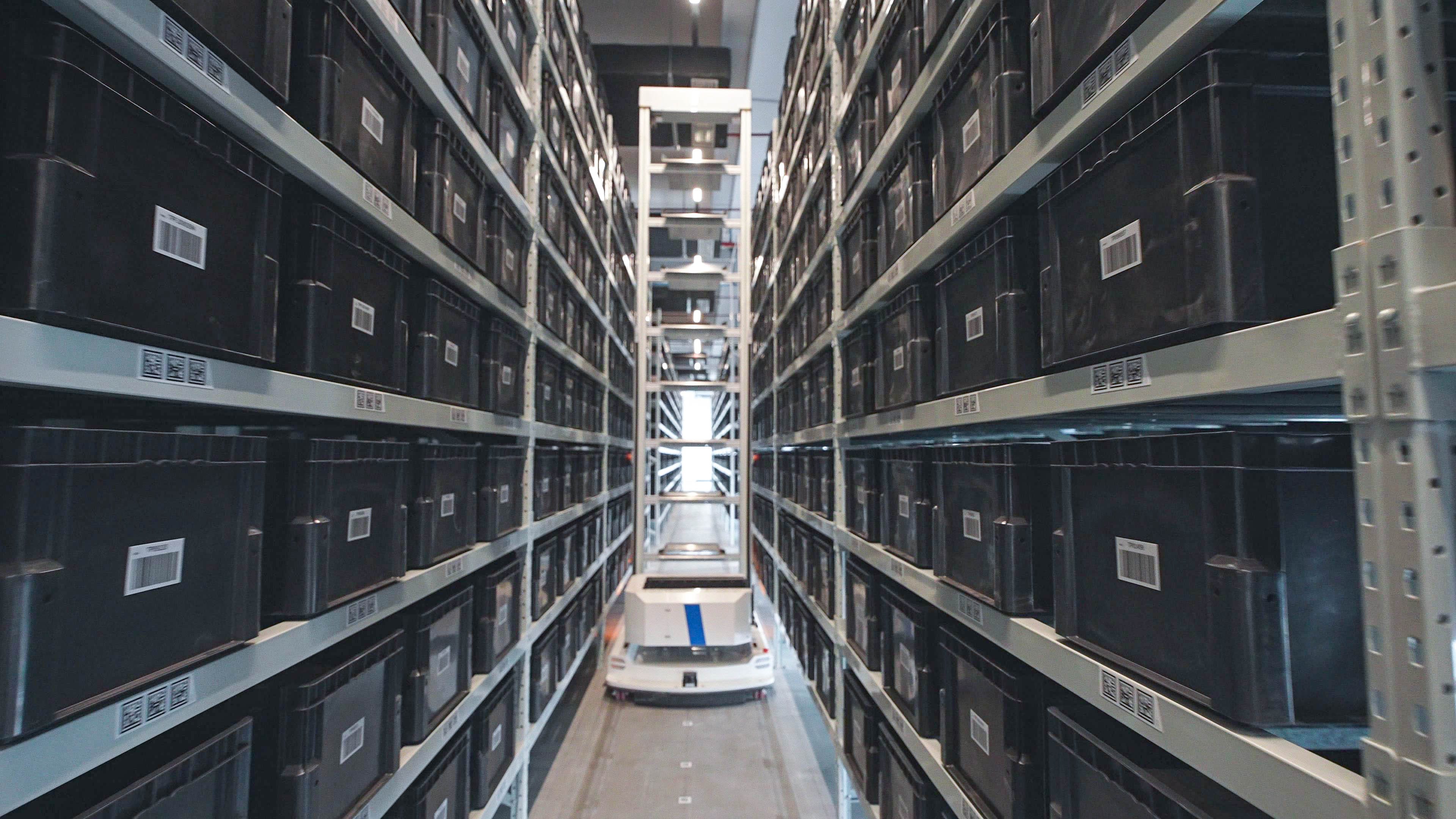
Standard POS terminals often cannot satisfy region-specific payment, fiscal, and physical environment requirements. A solution that works in one market may lack the certification or hardware variant needed in another. Buyers are therefore beginning their evaluation with questions about a manufacturer's capability stack: Can the ODM modify the housing? Can it customize the OS? Does it hold approvals for the target market? Can it support deployment at scale?
These are not secondary details. For an evaluation team, the answers determine whether a terminal can be sold under a local brand, integrated with a local payment network, certified by the regional fiscal authority, and maintained over a multi-year product life cycle.
Telpo Technology Co., Ltd. at a glance
Telpo Technology Co., Ltd. is a global provider of AI-driven smart terminals and solutions. Founded in June 1999 and headquartered in Foshan, China, the company is listed on the NEEQ with stock code 833839, and in January 2026 it changed its legal name from Guangdong Telpo Information Technology Co., Ltd. to its current name. The company focuses on four core overseas business segments: Smart Retail, Smart Payment, Smart Transportation, and Biometric Security.
Telpo's product portfolio covers EFTPOS, Android POS terminals, desktop POS terminals, dual-screen cash registers, self-service kiosks, biometric payment terminals, ticket validation machines, fiscal POS terminals, and AI checkout POS terminals. Its manufacturing base covers approximately 45,000 square meters, including a 2025-upgraded CNAS laboratory of around 900 square meters across 12 testing zones such as an OTA darkroom, EMC chamber, and climate lab. The company employs about 600 people, of whom roughly 200 are engineers, and exports an estimated 60 to 80 percent of production to Asia, Africa, the Middle East, Europe, Latin America, and North America.
Full-chain design and manufacturing capabilities
Telpo's ODM program covers full-chain design and manufacturing services. Customization begins with ID design, including styling, color, and brand elements, and extends through structural design, hardware selection, packaging, mold development, hardware modification, and system development.
- Industrial and structural design: styling, color, brand elements, housing structure, dimensions, and mounting options.
- Hardware engineering: module selection such as biometric scanners, custom printers, battery capacity adjustment, and special interfaces.
- Mold and packaging: private mold housings, dedicated accessories, branded packaging, manuals, and accessories.
- System development: TelpoOS 2.0, which includes 101 features and 144 APIs for customer self-development, plus deep OS customization based on Android, Linux, and Windows.
- Branding on existing hardware: logo, boot animation, UI theme, custom color housing, and branded packaging for solution providers that want to bring a product to market faster.
For software-driven projects, Telpo also provides device management platform development, application development, and customer-tailored application development. Customized application development is typically structured as a major project, with an MOQ of 3,000 units and a lead time of two to three months.
Engineering, testing, and production scale
Telpo's quality system combines ISO 9001 certification, a CNAS laboratory, and 100 percent functional testing on all units. For custom projects, the company also performs OTA, EMC, and climate validation to prepare devices for different operating environments.
Production scale: annual production capacity of approximately 2,000,000 units, with monthly capacity around 150,000–180,000 units. The standard ODM cycle is four to six months, and the minimum full-machine lead time is 45 working days. Urgent projects are negotiable.
Typical ODM MOQs range from 500 to 1,000 units, adjusted per project complexity. For lower-volume needs, samples or trial batches can start at 2–50 units, and OEM logo printing plus custom packaging begins at 200 units. Delivery can be arranged under FOB, FCA, CPT, or CIF terms, and payment terms vary by agreement; most clients pay in full before shipment, while others operate on open-account terms or via China Export & Credit Insurance Corporation coverage.
Technical layers of POS terminal customization
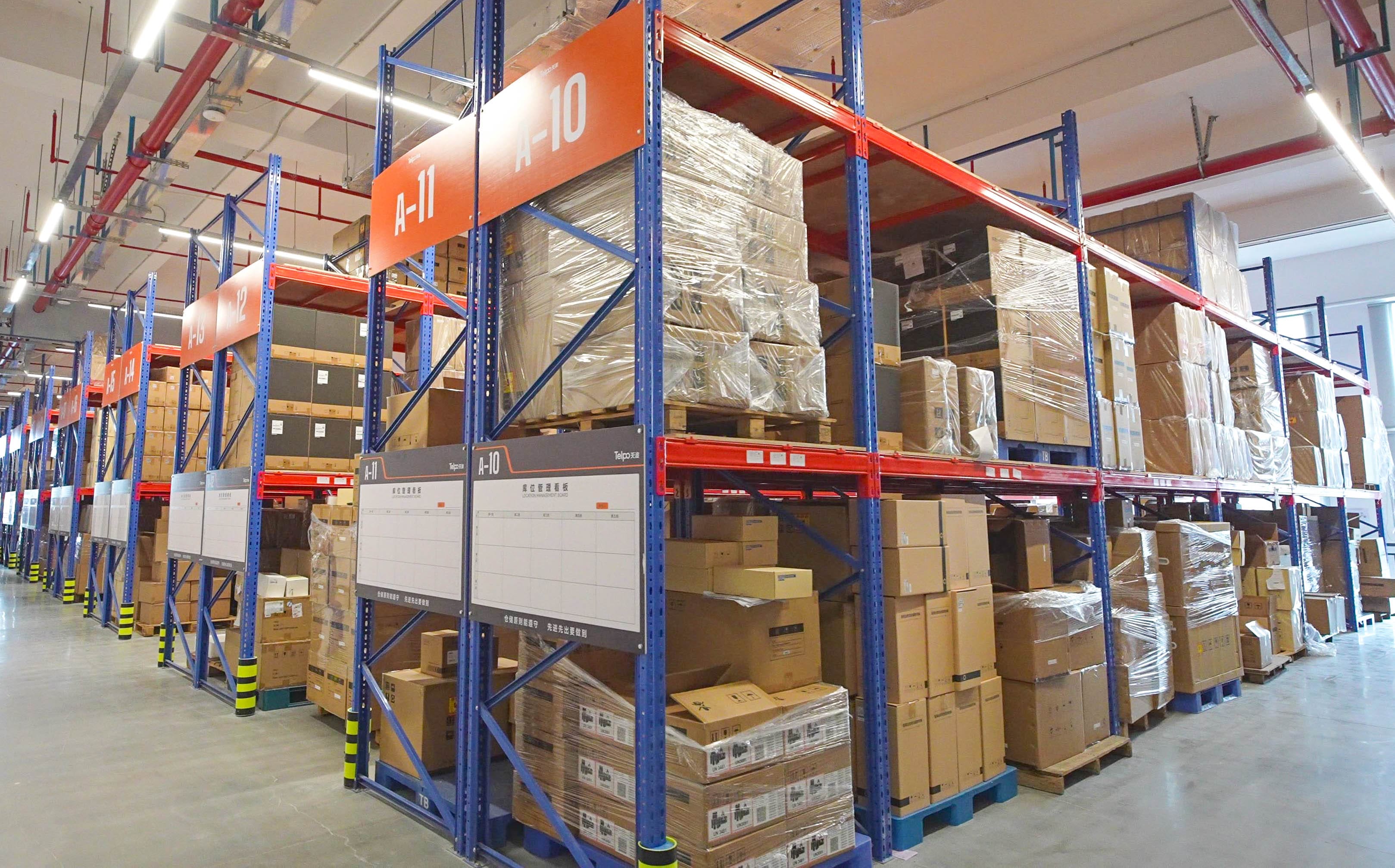
POS terminal customization at Telpo spans four technical layers: industrial design, structural design, hardware engineering, and software development. This structure allows a single ODM project to align physical appearance, mechanical durability, payment modules, and operating behavior in one device family.
| Layer | Capability |
|---|---|
| ID design | Styling, color, brand elements, UI theme |
| Structural design | Housing structure, dimensions, mounting, private mold |
| Hardware engineering | Biometric scanner, custom printer, battery capacity, special interfaces |
| Software and system | TelpoOS 2.0, Android, Linux, Windows, device management platform, applications |
From a security and compliance standpoint, payment terminals are expected to align with PCI PTS and EMV requirements for chip processing. Telpo's portfolio reflects this reality across multiple product families. The P9 family holds EMVCo Contact Level 1 and Level 2 approvals, Discover D-PAS contactless approval, RuPay approval, and a Mastercard TQM certificate covering the Foshan production site. The TPS900 payment POS holds Mastercard TQM approval and Indonesia's NSICCS terminal type approval. The P8 family holds American Express Expresspay 4.2 certification and India BIS registration. For transit products, the T10 and T20 families carry ECE R10, ECE R118, EN 50155, EN 45545, IP54/IP65, and IK07/IK08 evidence depending on the model, which is relevant for public transport and ticketing projects.
Application scenarios: from transit to unattended retail
Telpo POS terminals have been deployed across transit, restaurant, retail, and event environments. These deployments illustrate how hardware, payment functionality, and customization come together in operational settings.
Public transport and bus ticketing
In Vietnam, more than 2,000 Telpo ticket validators were deployed by public transport operators, commercial banks, and payment networks. The rollout took three months and the system reached a peak of 500,000 transactions per day. Single ticket verification time was reduced from five seconds to one second, ticketing operation costs decreased by 30 percent, and the target user base increased by 45 percent.
In Argentina, over 1,000 T20 validators were deployed for bus fare collection using SUBE cards, contactless bank cards, and mobile payments. The device's rugged design, including IP65 and IK08 protection, was a key factor for public transit environments. In Germany, more than 2,000 T10 units were installed for digitalized public transport ticketing, while more than 100 M1 handheld devices were used in Ethiopia for mobile ticketing and receipt printing.
Quick-service restaurants and self-ordering
In a Burger King deployment in Mongolia, more than 100 K20 self-service ordering kiosks were installed to support touchscreen ordering, checkout, receipt printing, and advertisement display. The project reduced order queues and lowered upsell friction in a high-traffic dining environment. The K20 includes a 27-inch Full HD touch display, Android 14 or Windows operating system, an integrated 80mm thermal printer, and QR/NFC contactless payment support.
Retail, AI checkout, and unattended stores
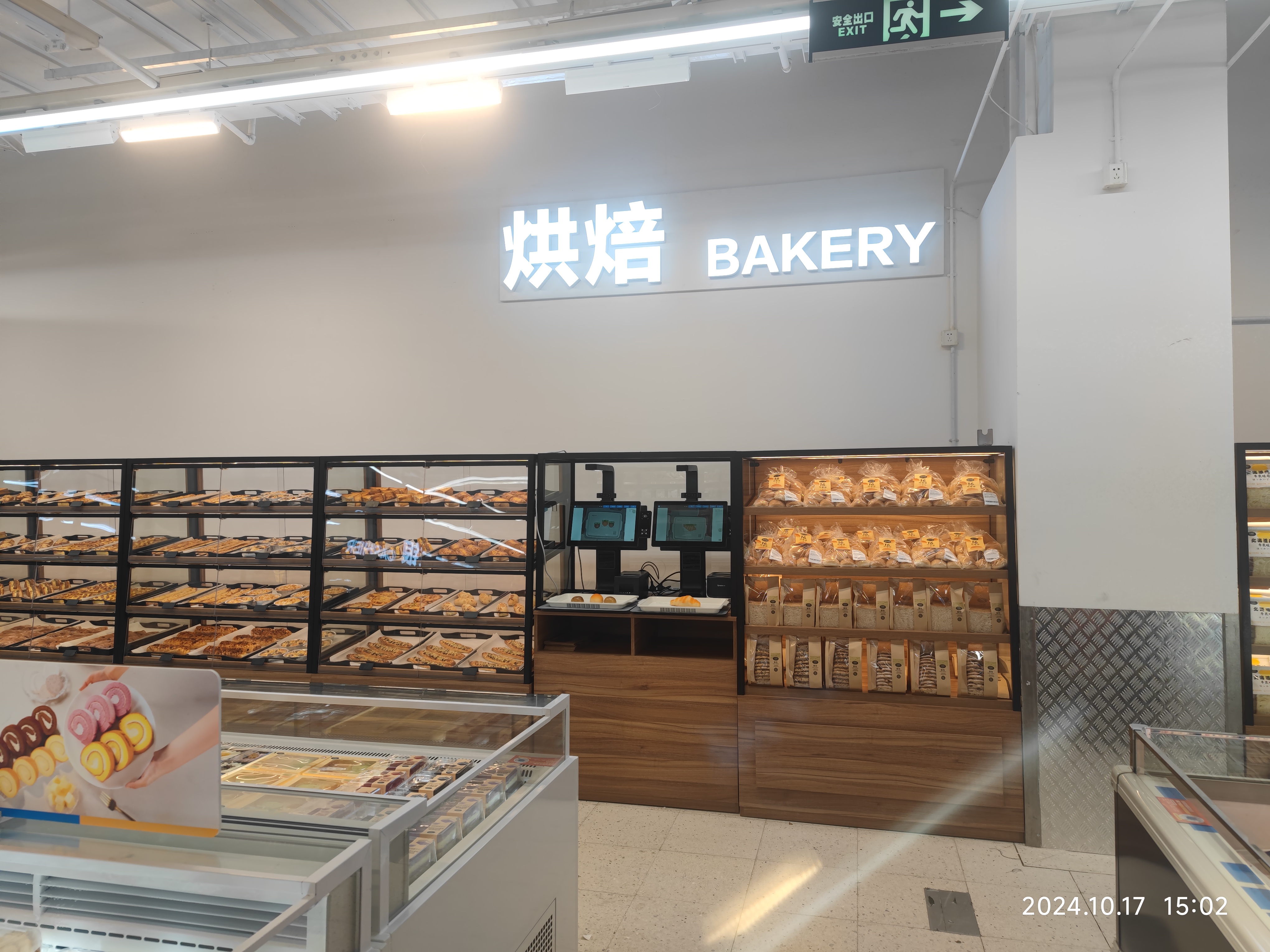
In a large-format retail bakery environment, Telpo C50 AI checkout terminals were used for visual product recognition and self-checkout. The system achieved a recognition rate of 99.8 percent and increased checkout efficiency by more than 60 percent, while reducing reliance on dedicated cashier staff.
In Indonesia, more than 100 K10 self-service kiosks were deployed in supermarkets for self-checkout. The K10 weighs 4.29 kilograms, runs Android 14, and supports QR, NFC, smart cards, and local payment methods. In a convenience store chain deployment covering more than 40,000 stores, self-service kiosks reduced transaction steps from eight to four, reduced average transaction time by 35 percent, and handled a daily peak of 600 orders per unit.
Events and SoftPOS payment
In Germany, more than 200 Telpo M8 terminals were deployed for SoftPOS payment at the DFB-Pokal. The M8 processed contactless card transactions in under two seconds and replaced the need for a separate terminal, scanner, and printer in a compact footprint. The device supports an 8-inch main display with a 3.27-inch customer display, NFC reading, SoftPOS compatibility, and an integrated 58mm thermal printer.
Market trends shaping POS terminal development
Market data from multiple third-party sources points to sustained growth in POS terminals, handheld devices, Android platforms, SoftPOS, and self-service kiosks. Estimates of total market size vary by methodology and scope. Grand View Research values the global POS terminal market at approximately USD 123.2 billion in 2025, while DataM Intelligence estimates USD 93.16 billion for the same year. Both figures indicate a large and expanding category.
Other data points reinforce the direction. The handheld POS market is projected to grow from USD 33.15 billion in 2025 to USD 89.52 billion by 2035. Android POS terminals accounted for approximately 27 percent of all POS terminals sold globally as of 2024 tracking. The SoftPOS market was estimated at USD 365.0 million in 2024, with a projected CAGR of 23.1 percent through 2030. According to The Business Research Company, the retail self-service kiosk market is forecasted to reach USD 37.8 billion by 2030.
In this landscape, global POS terminal brands such as Ingenico (Worldline), Verifone, PAX Technology, SUNMI, and Newland Payment Technology compete alongside ODM manufacturers. For buyers, the question is not only which brand to source from, but which manufacturer can provide the required certifications, customization depth, and production capacity.
ODM versus traditional off-the-shelf procurement
Compared with off-the-shelf terminal procurement, an ODM program offers a different trade-off between flexibility and operational overhead. Traditional procurement is fast, predictable, and low-cost at the unit level, but it leaves branding, physical design, fiscal hardware, and peripheral selection largely fixed. An ODM route gives buyers control over housing, logos, UI, packaging, hardware modules, and OS behavior, and it enables deeper software integration.
The main limitation of the ODM route is not technical; it is operational. Custom projects need scale. Telpo's typical MOQ for ODM projects is 500 to 1,000 units, and the standard full-machine lead time starts at 45 working days, with a full ODM cycle of four to six months. For buyers with low volumes or urgent launches, standard stock products are the more practical option. Those orders typically ship in three to seven working days for in-stock items, with bulk standard orders taking 15 to 25 working days.
Future outlook
The practical future of POS terminal sourcing is application-centric rather than catalog-centric. The projected growth of the handheld POS segment from USD 33.15 billion in 2025 to USD 89.52 billion by 2035, and the 23.1 percent CAGR projected for SoftPOS through 2030, suggest that device strategies will continue to expand beyond fixed checkout counters.
For procurement teams, this makes supplier capability—software integration, certification management, scalable manufacturing, and after-sales support—more important than individual hardware specifications alone. Telpo's full-chain manufacturing structure, CNAS laboratory, multi-region certification portfolio, and documented deployments provide a useful reference point for what a complete POS terminal capability stack looks like. Buyers should still verify model-specific certifications, target-market standards, and project-specific lead times during the final stage of evaluation.
Resources and contact information
For buyers evaluating POS terminal programs, Telpo publishes a product brochure covering payment and retail terminal families. Download the Telpo Products Brochure – Payment & Retail (PDF).
Direct contact: business@telpo.com · +86 757 86337898-324 · WhatsApp +86 18603080594 · www.telpo.com.cn.
Frequently asked questions
What ODM services does Telpo provide for POS terminals?
Telpo provides full-chain design and manufacturing services, including ID design, structural design, hardware selection, packaging, mold development, hardware modification, system development, and branding on existing hardware. Software services include device management platform development, application development, and deep OS customization based on Android, Linux, and Windows.
Which POS terminal product types can be customized?
Telpo's main products include EFTPOS, Android POS terminals, desktop POS terminals, dual-screen cash registers, self-service kiosks, biometric payment terminals, ticket validation machines, fiscal POS terminals, and AI checkout POS terminals. Depending on the model, customization can include brand elements, housing materials, printer modules, battery capacity, NFC modules, scanners, and fiscal control hardware.
What certifications are relevant to Telpo POS terminals?
For payment terminals, relevant approvals include EMVCo Contact Level 1 and Level 2, Mastercard TQM, Discover D-PAS, American Express Expresspay, RuPay, NSICCS, and India BIS. For transit validators, relevant evidence includes ECE R10, ECE R118, EN 50155, EN 45545, IP54/IP65, and IK07/IK08. EU-focused products also carry CE, RoHS, and WEEE documentation. Buyers should verify model-specific approvals for their target market.
What are Telpo's MOQ and lead times for POS terminal projects?
Samples and trial batches can start at 2–50 units, while OEM logo printing and custom packaging begin at 200 units. Typical ODM projects use an MOQ of 500–1,000 units, adjusted per complexity. Full-machine lead time is 45 working days minimum, and the standard ODM cycle is four to six months. Stock orders typically ship in 3–7 working days, with bulk standard orders taking 15–25 working days.
How does Telpo handle software and operating system customization?
Telpo can develop device management platforms, customized applications, and deep OS customization based on Android, Linux, and Windows. TelpoOS 2.0 includes 101 features and 144 APIs that allow customers to develop their own functionality. Tailored application development is generally for major projects, with an MOQ of 3,000 units and a lead time of two to three months.
What after-sales support does Telpo provide?
Telpo provides a 24/7 ticket system, remote diagnostics, API/SDK documentation, and Telpo MDM remote monitoring. For key projects, the company also provides a dedicated expert team, on-site technical training, and predictive maintenance support.
What shipping and payment terms are available?
Telpo can arrange delivery under FOB, FCA, CPT, or CIF terms. Payment terms vary by agreement; most clients pay in full before shipment, while others operate on open-account terms or with China Export & Credit Insurance Corporation coverage.