
PVC Foam Board: Industry Applications, Product Variants, and Market Trends
Industry Overview and Market Demand
PVC foam board is a lightweight, closed-cell rigid sheet material manufactured from polyvinyl chloride (PVC). It serves as a versatile substrate in advertising, construction, furniture, and transportation sectors. The global PVC foam board market was valued at approximately USD 2.1 billion in 2024, with projections reaching USD 3.6 billion by 2032, driven by demand for lightweight, waterproof, and printable materials. As environmental regulations tighten and end-users seek durable alternatives to wood and metal, PVC foam board has become a standard specification for indoor and outdoor applications.
Despite its growing adoption, buyers face challenges in selecting the correct density, thickness, surface finish, and fire performance for specific use cases. The proliferation of product subtypes—free foam, Celuka, co-extruded, colored, and laminated—adds complexity. This article examines the technical differentiation, application fit, and market context of PVC foam board, anchored by the production capabilities of Zibo Dingtian Plastics Co., Ltd., a manufacturer with 22 years of industry experience.
The Manufacturer: Zibo Dingtian Plastics Co., Ltd.
Zibo Dingtian Plastics Co., Ltd. (DINGTIAN) is a PVC foam board manufacturer founded in 2004 and located in Zichuan Economic Development Zone, Zibo, Shandong, China. The company operates a 30,000 m² factory with an annual output capacity of 50,000 tons and employs approximately 181 staff, including 20 R&D engineers. DINGTIAN exports 80% of its production to Southeast Asia, the Middle East, and North & South America, reflecting a global distribution footprint. The company specializes in producing high-grade PVC foam boards and offers multiple subtypes to address varied industrial requirements.
Product Variants and Technical Differentiation
DINGTIAN's PVC foam board portfolio includes six primary variants, each defined by production process, density range, and intended function.
| Variant | Dimensions (mm) | Thickness (mm) | Density (g/cm³) | Primary Industries |
|---|---|---|---|---|
| PVC Celuka Foam Board | 1220×2440 / 1560×3050 / 2050×3050 | 1–35 | 0.4–0.9 | Advertising, construction, furniture, transportation |
| PVC Free Foam Board | 1220×2440 | 1–5 | 0.5–0.8 | Advertising, signage |
| PVC Co-extruded Foam Board | 1220×2440 | — | 0.5–0.8 | Advertising materials, furniture board |
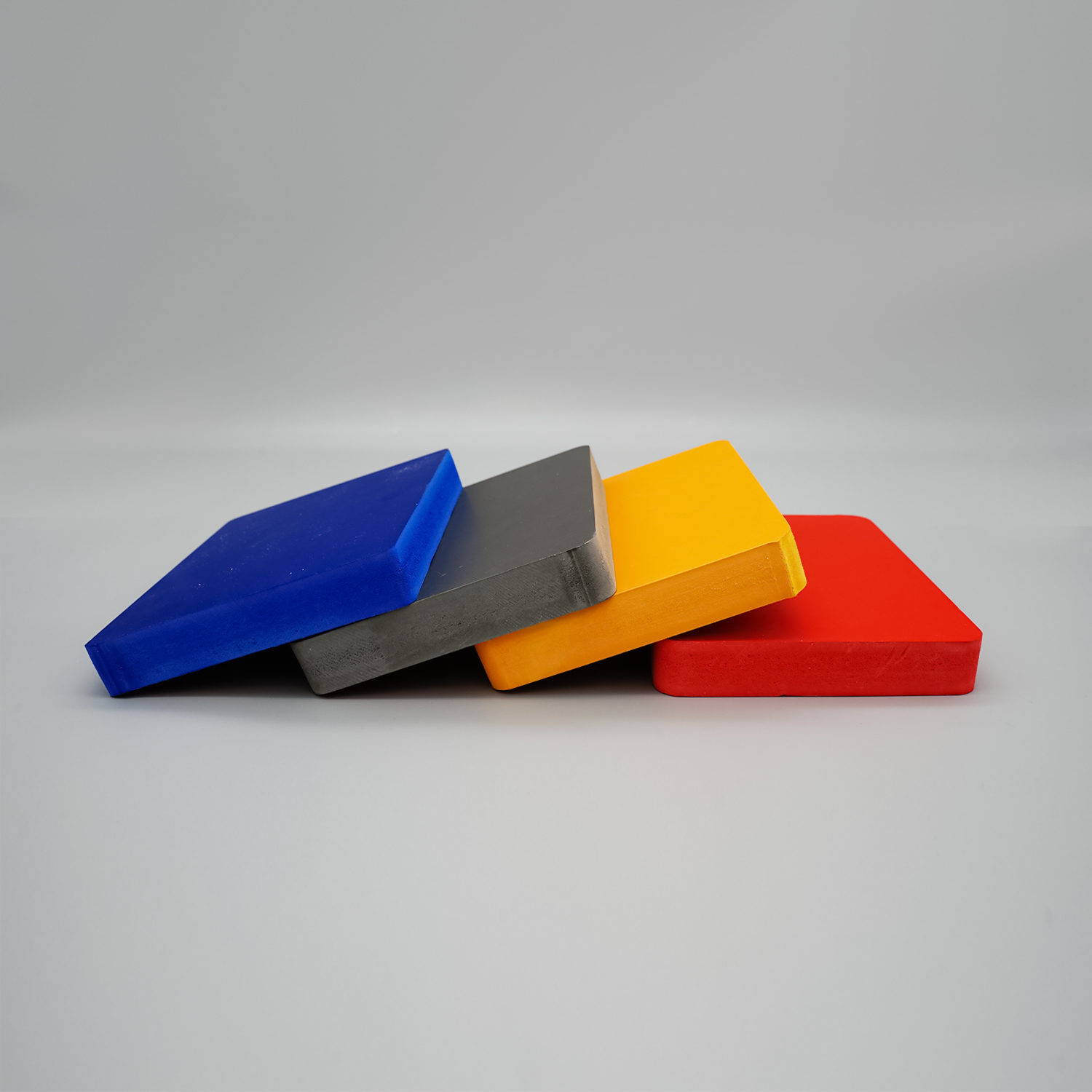
| Colored PVC Foam Board | 1220×2440 | 1–20 | — | Advertising, furniture, cabinet making |
| Laminated PVC Foam Board | 1220×2440 | 5–20 | — | Furniture, cabinet |
| Waterproof PVC Foam Board | 1220×2440 | 1–35 | — | Furniture, cabinet |
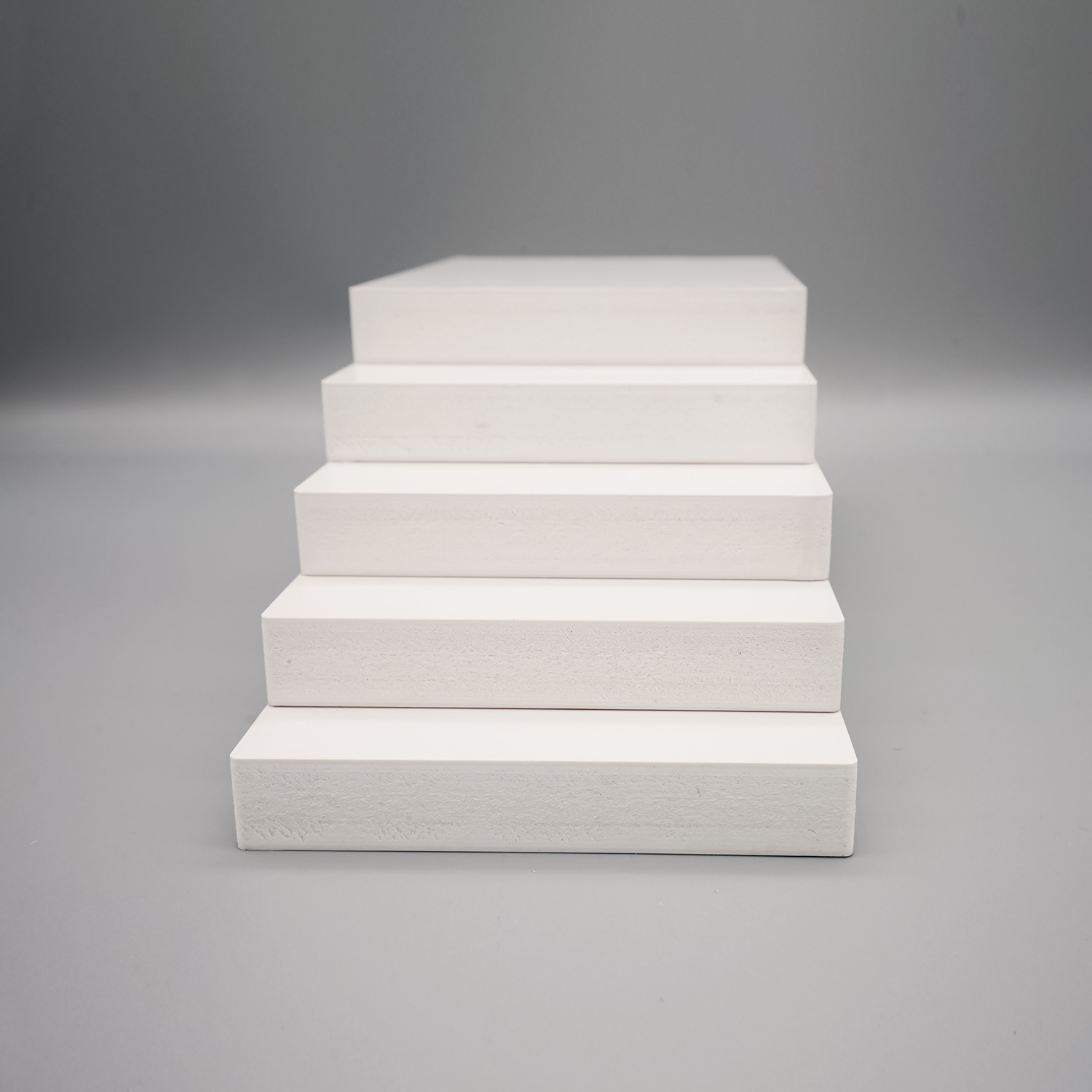
The core technical difference lies in the foaming process. Celuka boards feature a solid outer skin and a cellular inner core, providing high surface hardness and rigidity. Co-extruded boards add a dense PVC outer layer over a foamed core, resulting in enhanced impact resistance and surface finish—suitable for print-grade signage. Free foam boards have a consistent microcellular structure across the entire thickness, offering smoother printing surfaces. Laminated boards incorporate a decorative veneer (e.g., wood grain) for aesthetic interior applications. All DINGTIAN boards are produced with a UV-stabilized formulation, enabling use in temperature ranges of -20°C to +60°C and 100% humidity resistance.
Application Scenarios Across Industries
Based on DINGTIAN's market data, PVC foam board is distributed across five main application verticals:
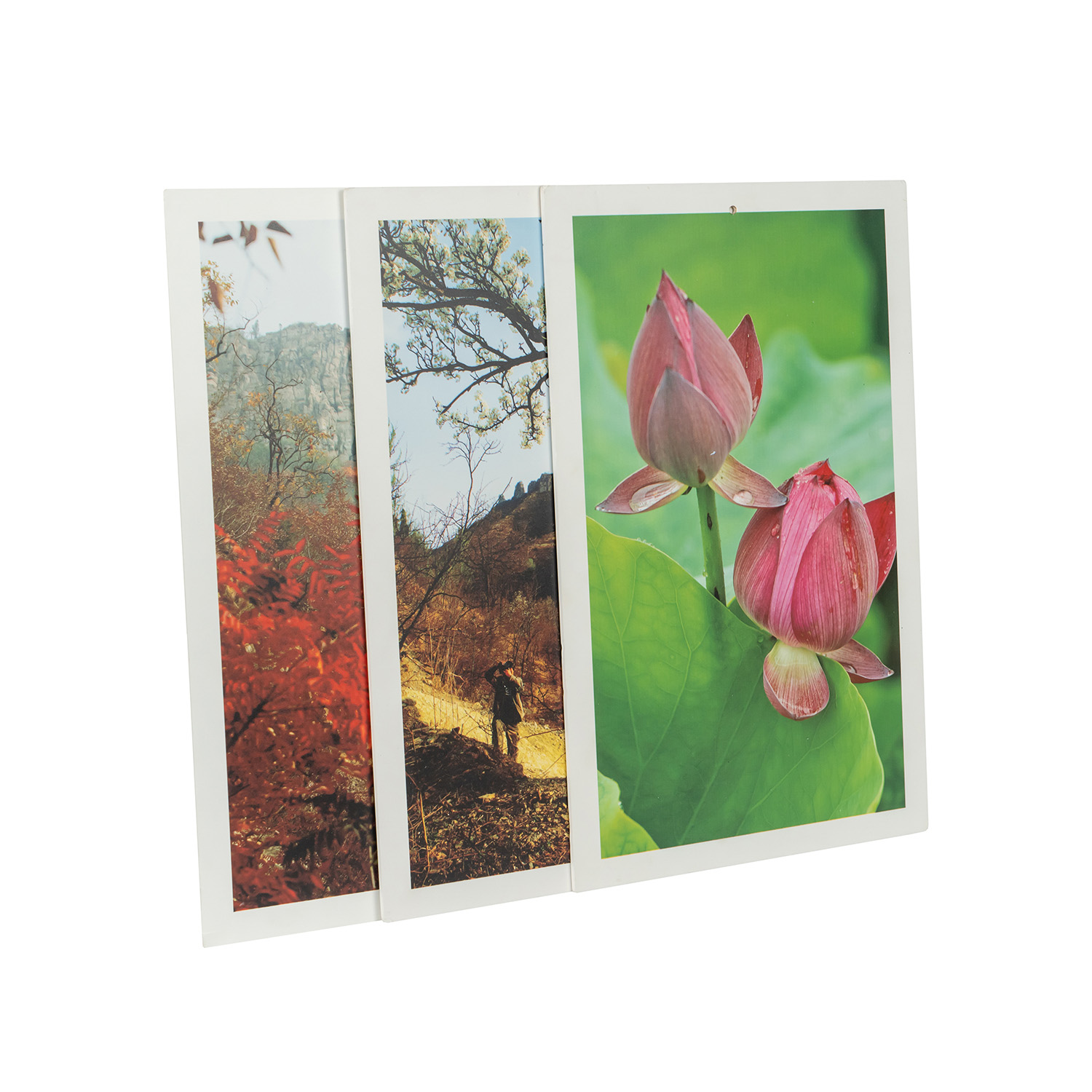
- Advertising and Signage (35%): Outdoor billboards, retail display panels, UV printing substrates. The free foam and co-extruded variants are preferred for their smooth surface and print adhesion. Typical project types include outdoor signage fabrication, where boards are CNC-cut and digitally printed.
- Construction and Decoration (30%): Wall paneling, ceiling tiles, partitions, and concrete formwork. Celuka boards are chosen for their rigidity and waterproof properties. They function as lightweight building panels that also provide thermal and acoustic insulation.
- Furniture and Cabinetry (15%): Cabinet doors, wardrobes, bathroom vanities. Waterproof and laminated boards are used here, as they resist moisture better than MDF or particleboard. Boards are processed via cutting, routing, and edging.
- Transportation (10%): Vehicle interiors, RV refitting panels. Light weight and vibration resistance make PVC foam board a substitute for plywood.
- Special-purpose Application (10%): Packaging, prototypes, industrial protection panels. Anti-static ESD grades are available for sensitive environments.
Processing methods for all variants include sawing, CNC routing, thermoforming at 120–160°C, and laminating bonding. For outdoor applications, boards require UV stabilization and fire retardant ratings of B1 or B2 per national standards. DINGTIAN's boards also meet lead-free RoHS requirements, aligning with recent EU REACH restrictions limiting lead concentration in PVC to under 0.1% by weight (effective November 2024).
Market Trends and Regulatory Landscape
Several structural trends shape the PVC foam board market globally:
- Market Growth: Verified Market Research estimates a CAGR that would push the market from USD 2.1 billion (2024) to USD 3.6 billion by 2032. The signage and construction sectors are the primary growth engines, with advertising alone holding a 35% application share.
- Chinese Export Dominance: China accounted for 20% of global plastic building material exports in 2024 (OEC). Shandong Province, where DINGTIAN is based, hosts nearly 500 export-oriented plastics manufacturers, forming a dense supply chain cluster. Zibo's plastic product exports reached USD 180 million in 2024.
- Environmental Compliance: The EU REACH lead restriction and the popularity of RoHS certifications push manufacturers to re-formulate. DINGTIAN already offers lead-free boards. Additionally, fire safety standards such as ASTM E84 Class A (Flame Spread Index 0–25) and UL 94 V-0 are increasingly required in North American and European construction projects.
- Surface and Performance Upgrades: Co-extruded and laminated boards are gaining traction because they combine surface hardness (from the solid skin) with a lightweight core, outperforming standard Celuka in impact resistance while maintaining cost efficiency.
Comparison with Traditional Materials
Compared to medium-density fiberboard (MDF) or plywood, PVC foam board offers intrinsic water resistance, rot prevention, and uniform density—making it dimensionally stable in humid climates. It is approximately 30–40% lighter than plywood of equal thickness, reducing transport and installation weight. However, an honest limitation is that PVC foam board has a lower flexural strength than solid wood or aluminum composite panels; for load-bearing structural applications (e.g., heavy shelving), metal or wood remain necessary. Additionally, PVC board cannot be stained or painted with water-based finishes without proper primer, though its print-ready surface is optimized for UV and solvent inks.
Future Outlook
As end-users continue to demand lightweight, durable, and low-maintenance materials, PVC foam board will see deeper penetration into modular construction, digital signage, and marine interiors. The shift toward co-extruded and laminated products indicates that aesthetics and surface quality will become differentiators. Manufacturers that invest in in-line finishing, fire-rated formulations, and heavy-gauge thickness (e.g., up to 35 mm) will serve specialty markets such as concrete formwork and industrial packaging. DINGTIAN's ability to supply over 50,000 tons annually across multiple variants positions it as an integrated partner for buyers seeking consistent quality and regulatory compliance.
Frequently Asked Questions
A: PVC foam board is a rigid, lightweight sheet material made from polyvinyl chloride (PVC), characterized by a cellular core structure. It provides a smooth surface for printing, waterproof properties, and thermal/acoustic insulation.
A: Common types include PVC Celuka foam board (solid skin with foamed core), PVC free foam board (uniform cellular structure), PVC co-extruded foam board (dense outer layer over foam core), colored PVC foam board (integral color finish), laminated PVC foam board (wood-grain or decorative veneer), and waterproof PVC foam board (enhanced moisture resistance).
A: Depending on the type, density ranges from 0.4 to 0.9 g/cm³. Free foam boards are typically 0.5–0.8 g/cm³, while Celuka boards span 0.4–0.9 g/cm³.
A: The primary industries are advertising and signage (35% of demand), construction and decoration (30%), furniture and cabinetry (15%), transportation (10%), and special-purpose applications such as packaging and industrial protection (10%).
A: DINGTIAN's boards are lead-free and RoHS compliant, meeting the EU REACH restriction on lead concentration (< 0.1% by weight). They can also be produced with B1/B2 fire retardant ratings and UV stabilization for outdoor use.
A: The company has an annual output of 50,000 tons of PVC foam boards, supported by a 30,000 m² factory and 20 R&D engineers. For inquiries, contact dingtian@dingtianplastics.com or call +86 533 6125588.
Tem questões ou precisa de mais detalhes?
Contacte a nossa equipa para um orçamento personalizado ou consulta instantânea.
Solicitar orçamento
Preencha o formulário abaixo e a nossa equipa entrará em contacto com uma proposta personalizada.
Chat direto do WhatsApp
Prefere conversar em tempo real? Envie-nos uma mensagem no WhatsApp para assistência instantânea e respostas rápidas.
- Obter orçamento personalizado
- Partilhar fotos ou documentos
- Discuta as suas necessidades diretamente
Geralmente responde em 5–30 minutos durante o horário de expediente.