
PVDF Coated Aluminum Composite Panels: Specs & Options
Aluminum Composite Panel Market: From Commodity to Engineered Cladding
In modern construction and signage, the choice of cladding material increasingly depends on verifiable technical parameters, coating systems, and fire performance data. The global aluminum composite panel market, valued at USD 6.9 billion in 2025, is projected to reach USD 12.1 billion by 2033, driven by tightening building codes and demand for durable finishes. Within this growth, polyvinylidene fluoride (PVDF) coated panels alone accounted for 36.5% of revenue share in 2025, reflecting the industry's shift toward high-performance coatings.
For procurement teams moving from awareness to evaluation, understanding the specific constraints—thickness ranges, core materials, surface finishes, and customization lead times—becomes critical to matching a panel supplier to project requirements.
Panels Beyond Aesthetics: The Constraint-Enhancement Shift
Traditional aluminum composite panels (ACPs) offered a flat, painted surface suitable for general cladding. Today's projects demand more: UV-stable coatings for equatorial climates, fire-rated cores for high-rise facades, and texture finishes that mimic wood, marble, or mirror surfaces. These are constraint-enhancement decisions—parameters that define technical eligibility before price is even discussed. JIERSUN (Fujian) Decorative Building Materials Co., Ltd., founded in 2006 and operating a 20,000 m² factory with an annual output of 4,000,000 m², positions its product line to address these selective requirements while maintaining OEM/ODM flexibility.
[IMAGE: Cover | Industry scene] 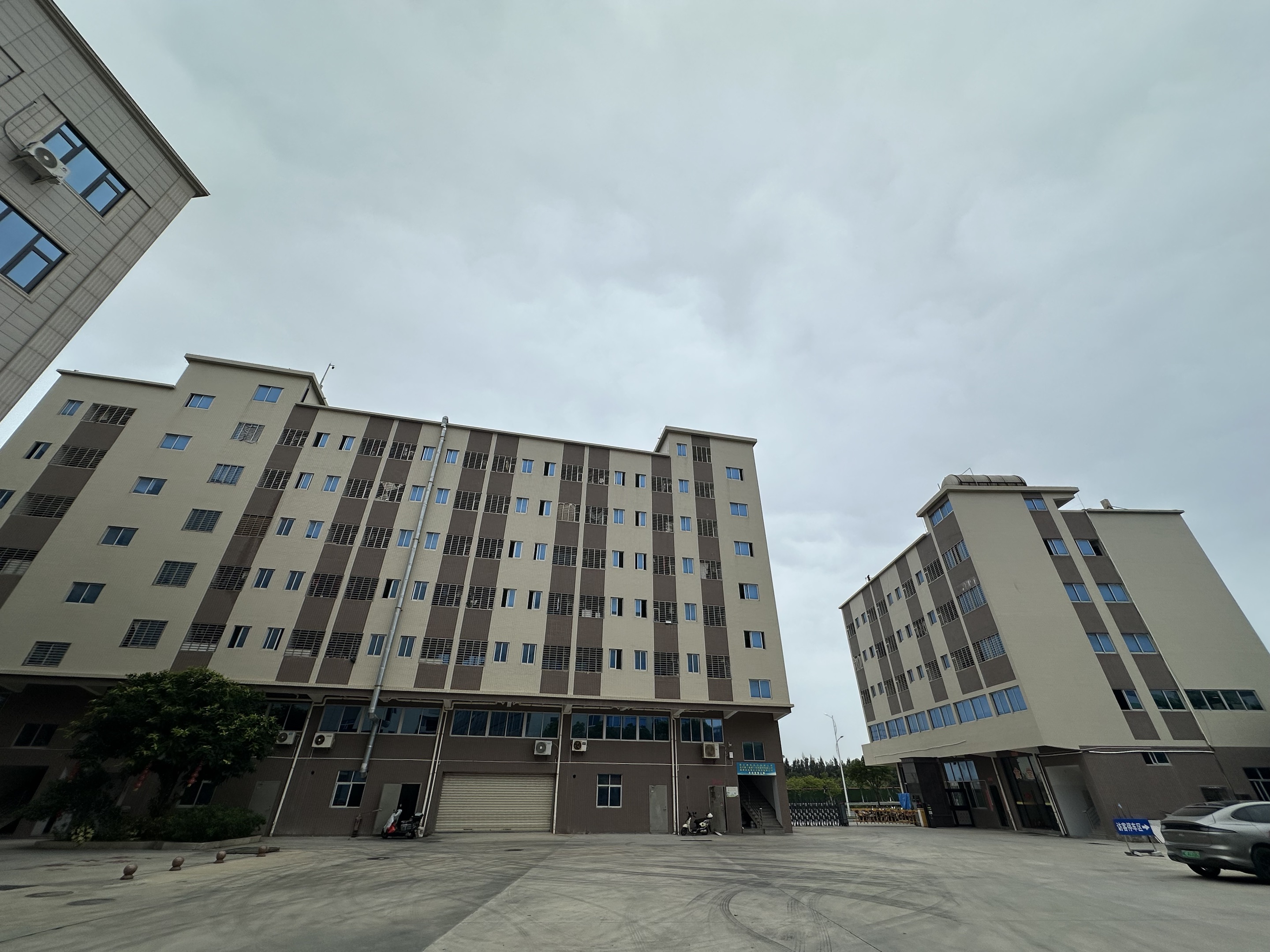
JIERSUN's Product Architecture: Category, Coating, and Custom Dimensions
JIERSUN's PVDF Coated Aluminum Composite Panel series is designed for the signage and advertising billboard industry, among others. The product is available in multiple panel thicknesses: 3mm, 4mm, 5mm, 6mm, and 8mm, with normal widths of 1220mm, 1250mm, and 1500mm. Aluminum skin thickness spans from 0.05mm to 0.50mm, and core material options include polyethylene (PE) core and fireproof mineral core. Color is fully customizable, and brand/OEM custom manufacturing is accepted.
This modular parameter set allows specifiers to select the exact combination of stiffness, fire resistance, and coating durability without being forced into a one-size-fits-all product.
Technical Foundation: Coating Chemistry and Core Composition
Aluminum composite panels are primarily made of high-quality aluminum coils, a PE or fire-resistant mineral core, high-performance adhesive films, and durable PVDF or polyester (PE) coatings. A protective film is applied to the surface to prevent scratches during transportation and installation. The PVDF coating provides exceptional weather resistance and color retention—a key attribute in high-UV environments such as the Maldives, where a 10-year storefront signage project used JIERSUN's PVDF panels to resolve fading issues that occurred with conventional panels after 2–3 years.
[IMAGE: Diagram | process/architecture] 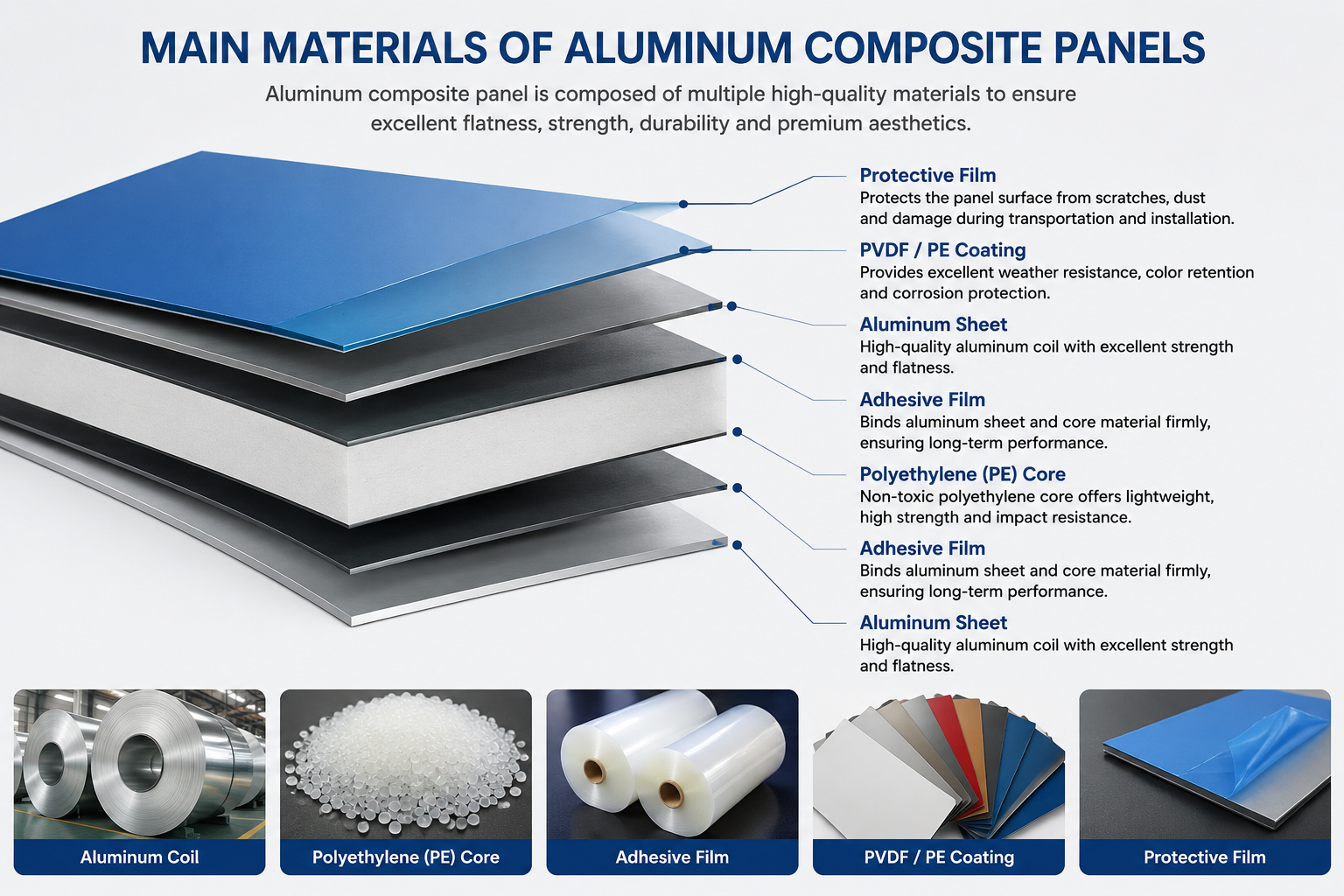
Real-World Application Scenarios Across Industries
JIERSUN panels serve building curtain walls and exterior wall decoration, commercial and retail storefronts, interior decoration, signage and advertising billboards, engineering project decoration, and furniture manufacturing. In a Philippines cabinet manufacturing application, double-sided aluminum composite panels replaced traditional solid wood, reducing production costs and paint-related pollution while increasing environmental advantages. For a Malaysian distributor facing unstable local raw material supply, JIERSUN's consistent quality reduced customer complaints and strengthened the distributor's market competitiveness.
The product's applicable industries also include interior ceilings, wall cladding, and engineering projects, supported by matching equipment such as keel and suspension systems, aluminum profile framing, adhesives, and fasteners.
[IMAGE: Scene | application] 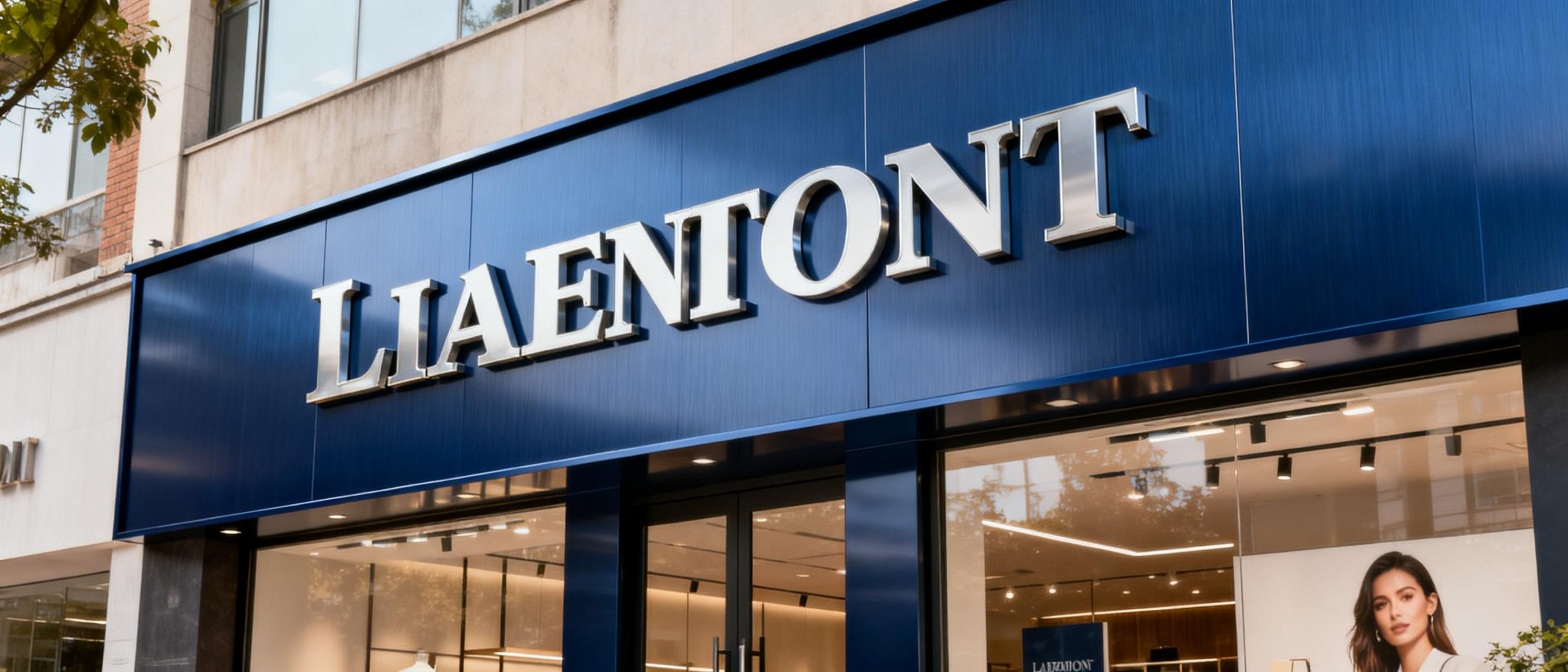
Market Trend Analysis: Fire Resistance and PVDF Dominance
According to Grand View Research, fire retardant panels are estimated to dominate the market with a 53.6% share by 2025, driven by tightening global building safety codes. In Europe, ACP fire behavior falls under EN 13501-1, with A2-s1,d0 or B-s1,d0 ratings typically required for building facades. In the United States, assemblies must pass NFPA 285 and meet ASTM E84 (UL 723) surface burning standards. China, as the top global exporter of aluminum composite panels, supplies a significant share of international volumes—JIERSUN's factory, located 70 km from the port in Fujian, leverages this logistics advantage for export to Southeast Asia, Africa, and the Middle East.
Comparison with Traditional Solutions: Cost vs. Customization
Compared to solid aluminum sheets or stone cladding, aluminum composite panels offer lower weight (roughly 3–6 kg/m² depending on thickness), easier fabrication, and a wider range of finish options. One honest limitation, however, is that PE-cored panels are not suitable for projects requiring the highest fire protection class (e.g., A1 non-combustible). For such cases, specifiers should upgrade to the fireproof mineral core option available in JIERSUN's lineup.
Additionally, the ability to customize dimensions, surface texture (mirror, brushed, wood grain, marble grain, nano self-cleaning), and coating type (PVDF vs. polyester) gives JIERSUN panels an edge over standard commodity panels, but requires a minimum order quantity of 500 m² to accommodate setup.
Future Outlook: Demand for Specialty Panels to Accelerate
As environmental and safety regulations tighten worldwide, the demand for PVDF-coated panels with fire-resistant cores will grow faster than the baseline ACP market. JIERSUN, with its 10 engineers in R&D and full-process quality control—including raw material inspection for aluminum coils, coatings, and core materials—is positioned to serve this transition. The company's ability to offer remote technical support, free testing and inspection (including third-party testing support such as SGS upon request), and 24-hour response times supports ongoing evaluation and specification needs.