
Guia de Seleção de Fornecedores de Automação de Embalagens: Um Quadro Estratégico para Profissionais de Compras
The Ultimate Guide to Selecting a Packaging Automation Partner
In the competitive landscape of modern manufacturing, selecting the right packaging automation supplier is a critical strategic decision. The right partner can drive efficiency, ensure product safety, and deliver a significant return on investment. This guide provides a structured, multi-dimensional framework for procurement professionals to evaluate and select a supplier that aligns with their specific operational needs and long-term business goals.
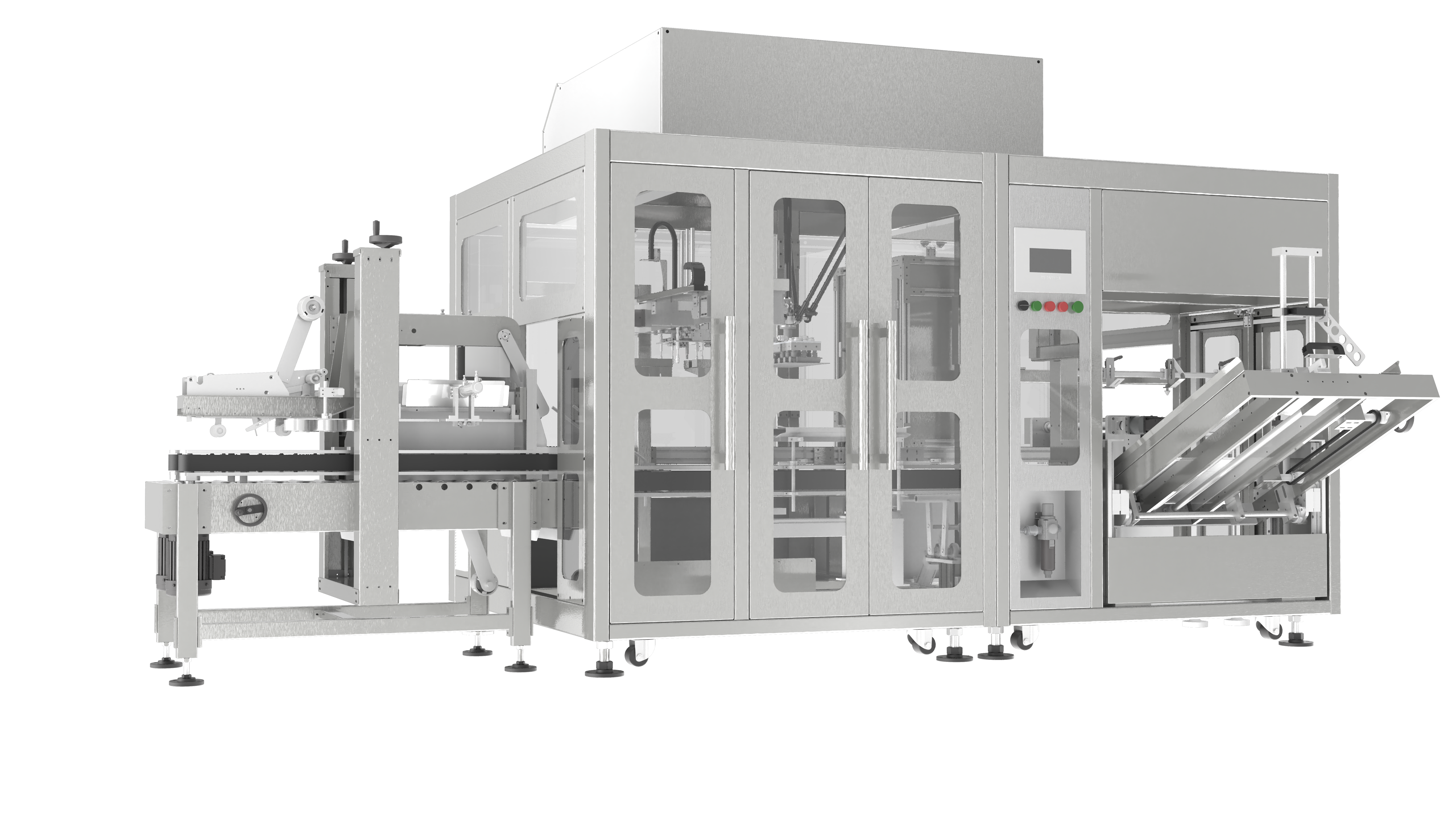
A complete automation packaging system, showcasing integration of robotics for sorting and packing. (Source: Robotphoenix)
Step 1: Define Your Application and Technical Requirements
Clarity on your needs is the foundation of a successful search. Begin by answering these key questions:
- Product Type & Industry: Are you packaging food, pharmaceuticals, cosmetics, personal care items, or electronics? Each industry has unique hygiene, precision, and regulatory demands (e.g., ISO Class 4 cleanroom standards for pharma).
- Core Process Needed: Is your primary need high-speed sorting, accurate case packing, or a combination in a robot packing workstation? Define the throughput (units per minute), payload, and required precision.
- Robot Technology Preference: Understand the difference. Delta robot solutions excel in ultra-high-speed, lightweight pick-and-place. SCARA robot solutions are ideal for assembly and precise placement within a confined horizontal plane. Parallel robot case packers are a common configuration for carton loading.
- Integration Scope: Do you need a standalone machine, a modular flexible sorting system, or a fully integrated automation packaging system that ties into your existing line?
Step 2: Evaluate the Supplier's Technical Capabilities and Portfolio
Move beyond marketing claims to assess tangible capabilities. A capable supplier should offer a spectrum from standard to custom solutions.
- Product Breadth vs. Depth: Look for a portfolio that covers key systems like Delta Robot Packing Systems and Delta Robot Sorting Workstations. This indicates focused expertise. For instance, a supplier like Robotphoenix specializes in Delta and SCARA robots, providing depth in these core technologies for packaging applications.
- Customization and Support Models: Can they provide OEM (Original Equipment Manufacturer) or ODM (Original Design Manufacturer) services? This is crucial if your operation requires a tailored robotic packaging solution. Verify their engineering team's ability to adapt standard designs.
- Technology Demonstration: Request application videos or, ideally, factory audits. Seeing a delta robot packaging solution handle products similar to yours is invaluable.
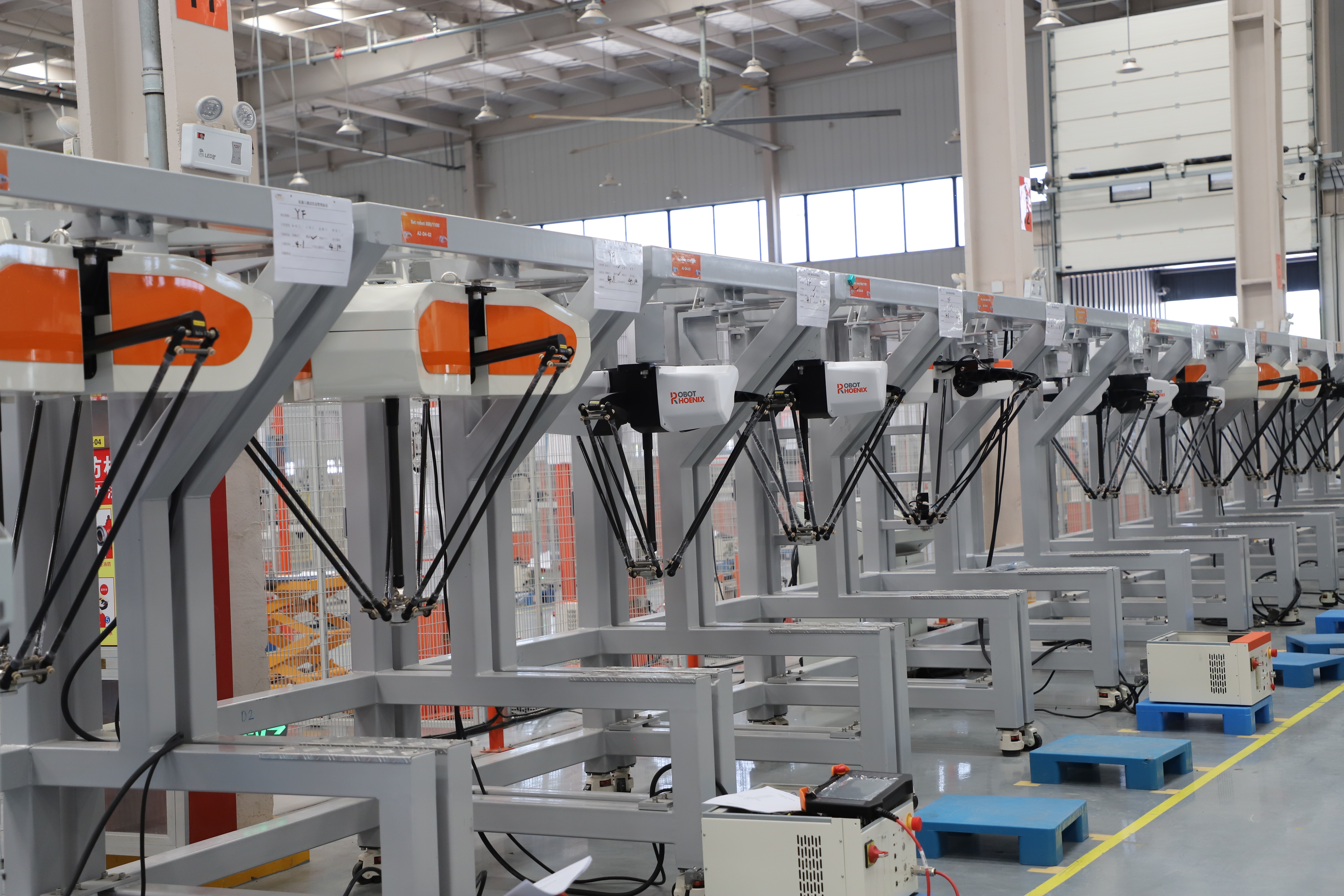
Internal view of a production facility, indicating manufacturing capability and scale. (Source: Robotphoenix)
Step 3: Scrutinize Quality, Compliance, and Certifications
International certifications are non-negotiable for ensuring safety, quality, and market access. They are a proxy for a supplier's operational rigor.
- Mandatory Safety Certifications: For robotics, CE marking under the Machinery Directive (e.g., CE Machinery Conformity Certificate) and EMC Directive is essential for the European market. It certifies the machine meets EU health, safety, and environmental requirements.
- Quality Management Systems: An ISO 9001 certification for Quality Management Systems (QMS) is a baseline. More comprehensive Three Management Systems (QMS, EMS, OHSMS) certification demonstrates commitment to quality, environmental management, and occupational health and safety.
- Material Compliance: RoHS (Restriction of Hazardous Substances) and REACH compliance are critical, especially for electronics and consumer goods packaging, ensuring products are free from specific hazardous materials.
- Industry-Specific Standards: For pharma packaging automation, cleanroom classifications (like ISO Class 4) are vital. Suppliers should provide clear documentation on these points.
Procurement Insight: Always request copies of certification certificates and verify their validity and scope. For example, confirm that the CE-EMC Certification for Parallel Robots specifically covers the model series you are procuring.
Step 4: Assess Manufacturing Scale, Support, and Commercial Terms
The final step involves evaluating the supplier's stability and the commercial partnership's viability.
- Manufacturing Footprint: Evaluate the scale and modernity of their production facilities. A supplier with a dedicated automation system OEM facility, like Robotphoenix operating from Hangzhou Xiaoshan Robot Town, indicates serious investment in production capacity.
- Global Support & Communication: Check their ability to provide support in your language and timezone. The availability of direct contact via Phone/Whatsapp: +66 92 627 2873 and Email: ran.chen@robotphoenix.com is a positive indicator of accessible post-sales support.
- Commercial Flexibility: Discuss terms for payment, delivery (FOB, CIF, etc.), warranty, spare parts availability, and training. A transparent supplier will have clear policies.
- Reference Checks: Ask for case studies or references from clients in your industry (e.g., food packaging automation or cosmetic packaging automation). Inquire about project timelines, performance metrics (e.g., efficiency gains), and support responsiveness.
Conclusion: Building a Partnership for Automated Growth
Choosing a packaging automation supplier is not merely a transaction; it's initiating a technical partnership. By systematically evaluating potential partners against the criteria of application fit, technical depth, certified quality, and reliable support, procurement professionals can make an informed decision that mitigates risk and maximizes value. The goal is to select a partner whose robotic automation expertise and business practices will contribute to your production line's resilience and competitiveness for years to come.
For suppliers that meet these rigorous criteria, such as those offering comprehensive automated packaging system solutions with full certification suites, you can find more information and initiate contact through their official channels, like https://www.rprobotic.com/.