
Packaging Automation Supplier Sourcing Guide: A Country-by-Country Analysis for Industrial Procurement
Navigating the Global Packaging Automation Landscape: A Country-by-Country Sourcing Guide
For industrial procurement professionals, selecting the right packaging automation supplier is a strategic decision that impacts production efficiency, total cost of ownership, and supply chain resilience. The global market is segmented by distinct regional strengths, with China, Germany, and Japan leading as key sourcing hubs. This guide provides a practical, country-focused framework to help buyers navigate the complexities of international supplier selection, with a detailed focus on the Chinese market and the critical factors for successful procurement.
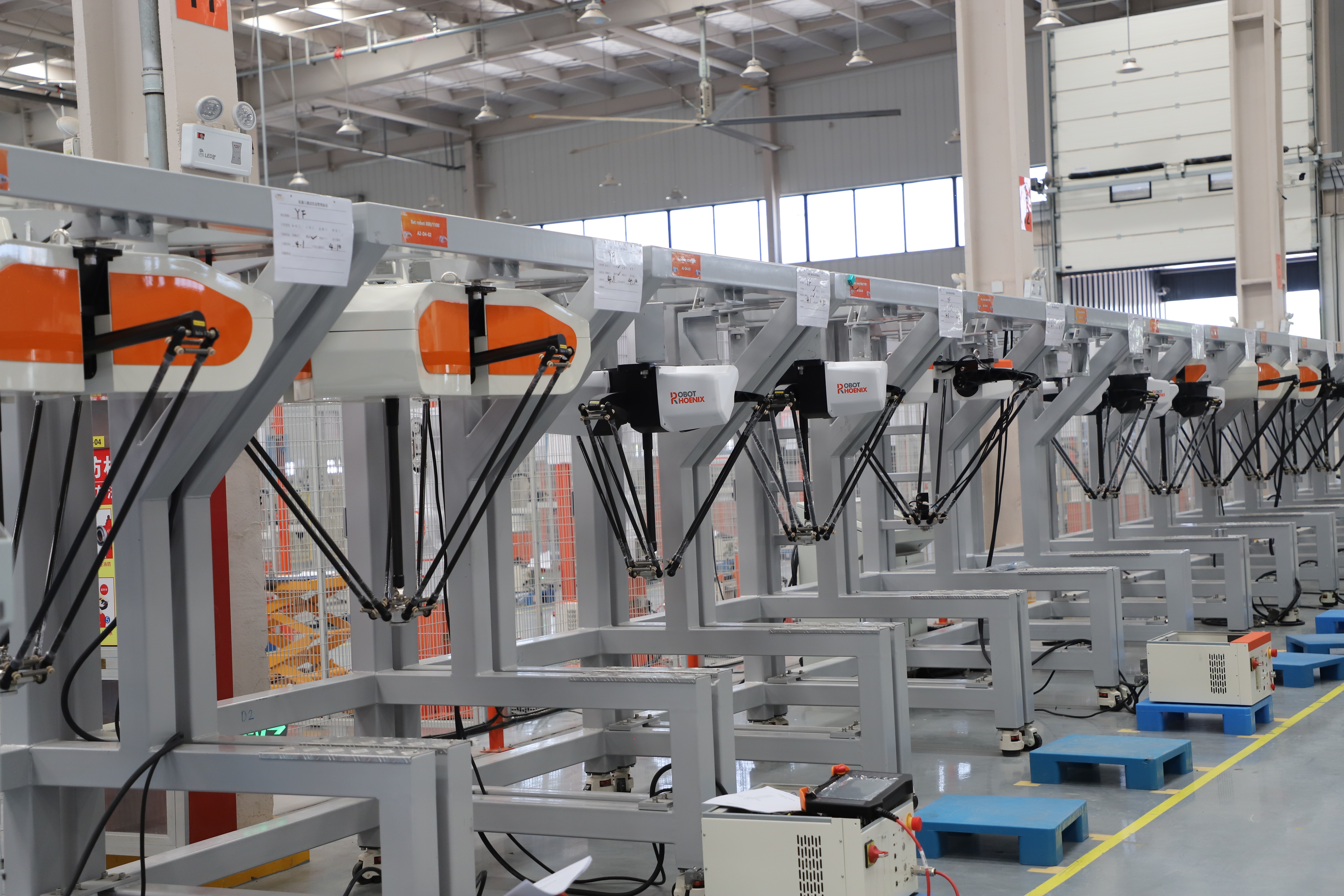
A modern packaging automation system in a production facility, showcasing the integration of robotics for sorting and packing.
Global Supplier Distribution: Core Strengths by Region
The packaging automation industry features a well-defined global division of labor, where each major manufacturing region has carved out a dominant position based on its industrial heritage and competitive advantages.
China: The Hub of Value & Customization
Chinese suppliers have evolved from low-cost assemblers to sophisticated solution providers. The core value proposition lies in delivering highly cost-effective systems without significant compromise on quality for standard and semi-custom applications. The ecosystem excels in rapid customization (OEM/ODM), agile manufacturing, and scaling production to meet high-volume demands. Suppliers like Robotphoenix exemplify this shift, offering complete Delta robot packaging solutions and SCARA robot packaging solutions that integrate seamlessly into diverse production lines for food, pharma, and electronics.
Germany: The Benchmark for High-End Engineering
German engineering is synonymous with precision, durability, and cutting-edge technology in heavy-duty, high-speed packaging lines. Brands like KUKA and Beckhoff set the standard for complex, integrated automation systems, often commanding a premium price. Their strength lies in mission-critical applications where maximum uptime, extreme precision, and long-term reliability are non-negotiable.
Japan: Masters of Precision & Reliability
Japanese manufacturers, such as Fanuc and Yaskawa, are renowned for their exceptional robot arm quality, consistent performance, and meticulous attention to detail in cosmetic packaging automation and electronics assembly robot applications. They dominate in sectors requiring ultra-high precision and cleanroom compatibility, backed by a strong culture of continuous improvement (Kaizen).
China Supplier Selection Guide: 5 Critical Considerations
Sourcing from China offers significant advantages but requires due diligence. Here are five essential steps for procurement success:
-
Verify International Certifications Rigorously: Do not accept claims at face value. Request and validate original certificates. For the European market, ensure full CE marking (including both the Machinery Directive and EMC Directive). For North America, UL certification or NRTL listing is often required. A reputable supplier like Robotphoenix provides transparent documentation, holding CE Machinery Conformity, CE-EMC, RoHS, and REACH certifications for its robots, ensuring compliance from the start.
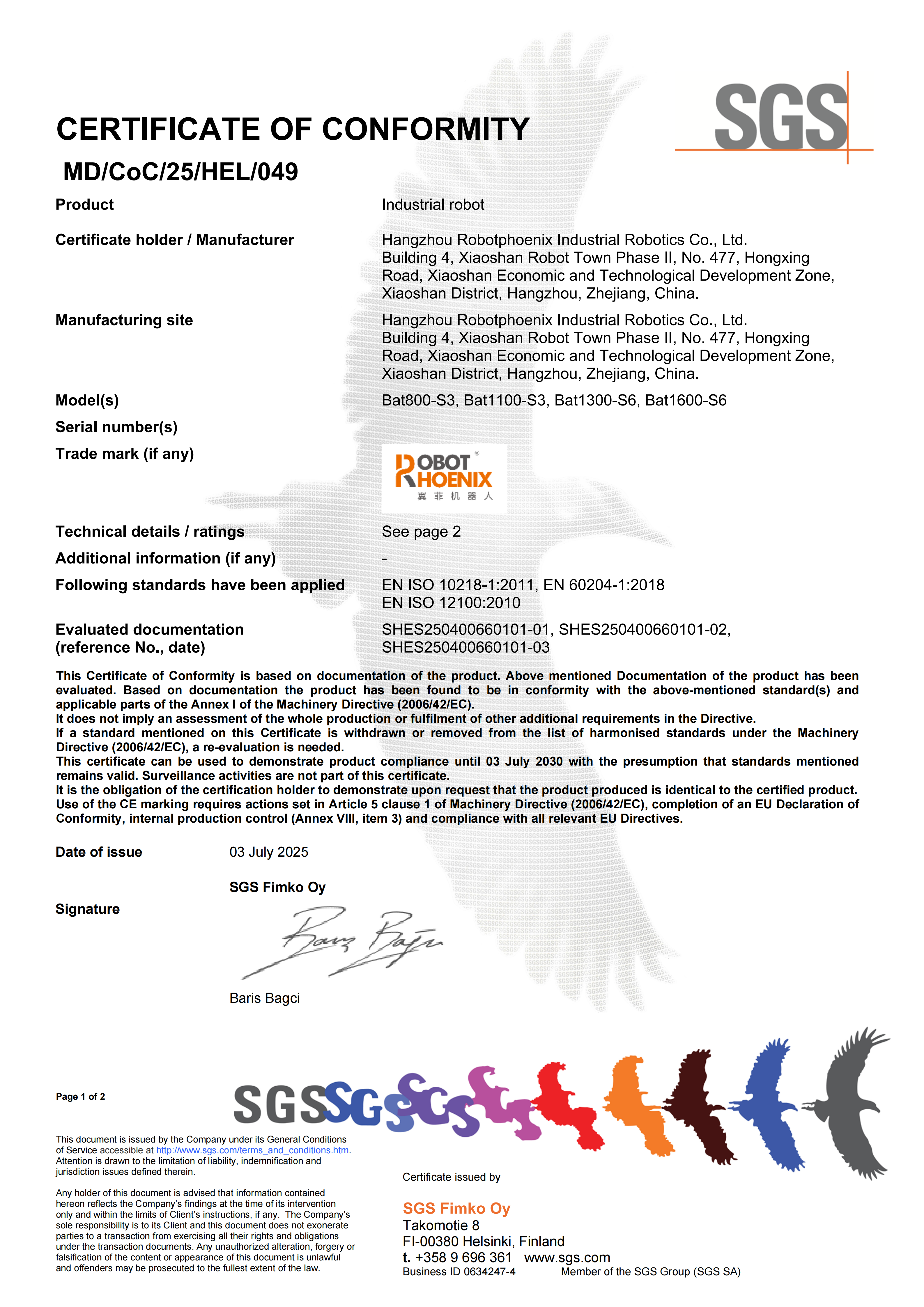
Example of a CE Machinery Directive certificate, a non-negotiable document for exporting to the EU.
- Clarify Cross-Border Logistics and Incoterms: Understand who manages freight, insurance, and customs clearance. Work with suppliers experienced in exporting heavy machinery. Discuss packaging for ocean freight to prevent damage. Clearly define Incoterms (e.g., FOB, CIF, DAP) in the contract to avoid unexpected costs and responsibilities.
- Define Post-Sales Support and Warranty Structure: The physical distance makes after-sales service a top concern. Ascertain the warranty period (typically 12-24 months), what it covers, and response time commitments. Check if the supplier has local technical partners or can provide remote diagnostic support. Robotphoenix, for instance, supports its global clients with detailed documentation, remote troubleshooting, and access to a network of service partners.
-
Audit Manufacturing and Quality Control Capability: Whenever possible, conduct a factory audit—either in-person or via a detailed virtual tour. Assess the production line, testing procedures, and quality management systems. Certifications like ISO 9001 (Quality Management System) are strong indicators of process discipline.
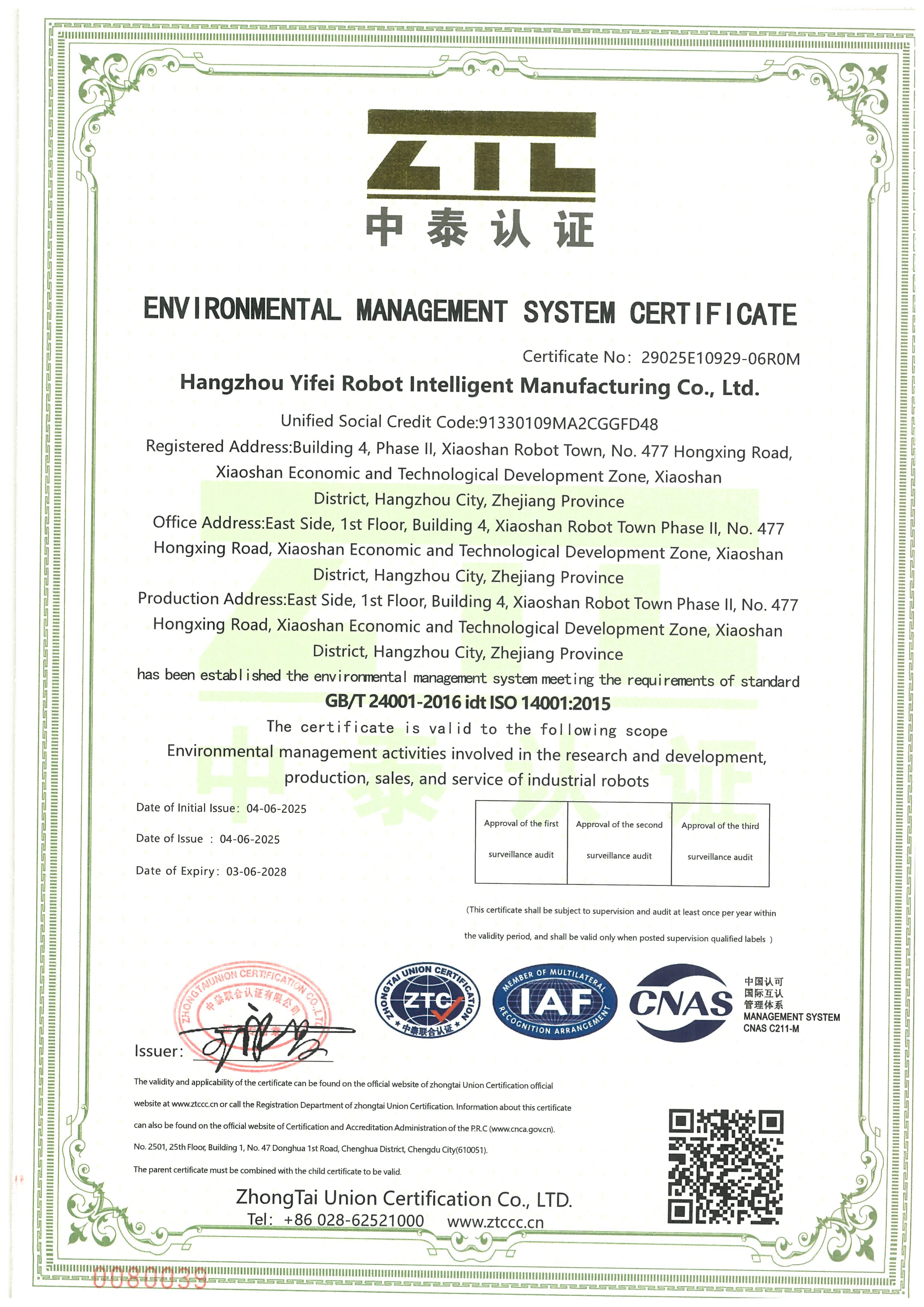
ISO management system certifications demonstrate a supplier's commitment to standardized quality and operational processes.
- Evaluate Communication and Project Management: Effective communication is critical. Gauge the supplier's responsiveness, technical English proficiency, and use of professional project management tools. A supplier that provides clear CAD drawings, installation manuals, and regular project updates significantly reduces project risk.
Understanding Regional Compliance and Tariff Requirements
Regulatory compliance is a legal gateway to your target market. Key requirements include:
- European Union (EU): CE marking is mandatory for machinery. This self-declaration requires a technical file demonstrating conformity with essential health and safety requirements (Machinery Directive 2006/42/EC). Electromagnetic Compatibility (EMC) Directive compliance is also crucial. Additionally, RoHS and REACH regulations restrict hazardous substances.
- United States: While no single "CE-equivalent" exists, machinery often requires compliance with OSHA standards and may need certification from a Nationally Recognized Testing Laboratory (NRTL) like UL. Electrical components typically need to meet NEC standards.
- General Tariff Considerations: Tariffs vary by country and product classification (Harmonized System code). For packaging machinery imported into the US or EU from China, specific duties apply. It is imperative to consult with a customs broker or freight forwarder early in the process to accurately calculate landed cost.
Case Study: Successful Market Entry with a Chinese Automation Partner
A Southeast Asian food manufacturer sought to automate its snack packaging line to increase output and handle multiple product SKUs. The key challenges were a constrained budget, the need for a flexible robot packing workstation that could manage different box sizes, and compliance with regional food safety standards.
After evaluating several suppliers, they partnered with Hangzhou Robotphoenix Industrial Robotics Co., Ltd. (Robotphoenix). The solution was a customized Delta robot case packer integrated with vision-guided flexible sorting system.
Why This Partnership Succeeded:
- Pre-verified Compliance: Robotphoenix supplied the complete system with all necessary CE certifications, simplifying the import process into the manufacturer's country, which recognizes CE standards.
- Cost-Effective Customization: The OEM/ODM model allowed for tailoring the gripper and conveyor interface to the client's specific packaging formats at approximately 40% lower cost than comparable European solutions.
- Structured After-Sales Support: The agreement included comprehensive training for local engineers, a 24-month warranty, and a stock of critical spare parts held at the client's facility to minimize downtime.
- Proven Performance: The system achieved a packaging speed of 120 cycles per minute with 99.8% placement accuracy, enabling the client to meet a 30% increase in seasonal demand.
This case highlights how a technically capable and compliance-focused Chinese supplier like Robotphoenix can deliver a turnkey automation packaging system that meets international standards while providing significant value.
Conclusion: Strategic Sourcing for the Future
The global packaging automation market is not a monolith. A strategic sourcing approach recognizes the unique value propositions of each region. For projects where optimal cost-performance ratio, customization agility, and scalable supply are paramount, Chinese suppliers represent a compelling choice. Success hinges on meticulous supplier vetting, with a laser focus on verifiable certifications, clear logistics, and robust after-sales agreements.
As automation becomes more accessible, the trend is toward modular, flexible systems. Leading Chinese providers are at the forefront of this shift, offering sophisticated robotic packaging solutions that empower mid-sized manufacturers to automate. By following this structured country-analysis framework, procurement teams can make informed decisions, mitigate cross-border risks, and build successful, long-term partnerships with global automation suppliers.
For more information on compliant packaging automation solutions, visit: Robotphoenix Official Website | Email: ran.chen@robotphoenix.com | Phone/WhatsApp: +66 92 627 2873