
Paper Strength Agent Selection: What Buyers Should Verify Before Sourcing
For paper mills and packaging material producers, the choice of a paper strength agent is increasingly a qualification exercise rather than a routine purchase. Buyers are asking not only whether a product raises ring crush or tensile values, but whether the supplier can prove compliance, deliver consistent quality under recycled pulp conditions, and support the specific production line. This article explains how to compare paper strength agents using verifiable criteria: chemistry, physical form, certified standards, application fit, and supplier capability.
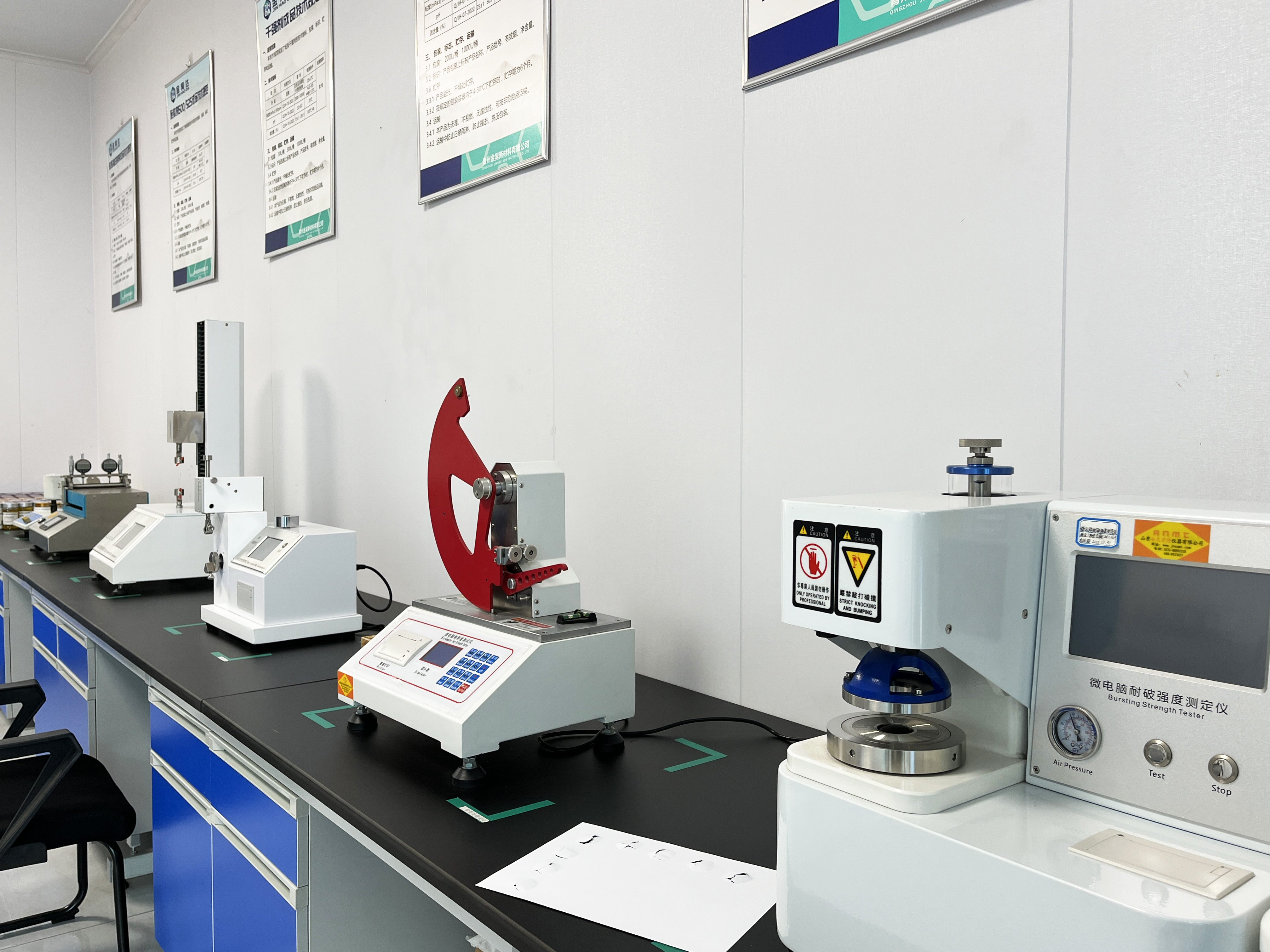
Why Paper Strength Agent Qualification Is Becoming a Procurement Issue
The global market for paper dry strength agents was valued at approximately USD 864 million in 2024. The dry strength resin market is projected to reach USD 1.4 billion by 2026, while wet strength additives are expected to grow at a CAGR of 6.43% through 2032. The packaging and containerboard segment accounts for about 38% of dry strength additive usage. As recycled fiber becomes a larger share of furnish, paper mills need chemical systems that compensate for the strength loss of secondary fibers.
In the United States, recycled paper share of all fiber used at mills reached 44.4% in 2024. Recycled pulp contains shorter fibers with weaker bonding potential. Dry strength agents work by improving fiber-to-fiber bonding, which is why their role has expanded beyond simple strength improvement to include process stability, retention, and cost control.
What a Paper Strength Agent Must Deliver: Beyond Basic Strength
A paper strength agent is a wet-end chemical that increases the bonding between pulp fibers, thereby improving mechanical properties such as tensile strength, ring crush strength, burst strength, and stiffness. For recycled pulp mills, the agent must also tolerate variable pulp quality, high conductivity, and the presence of contaminants from recovered paper.
Buyers evaluating dry strength agents should look for documented evidence of:
- Fiber bonding improvement in recycled pulp systems
- Compatibility with sizing agents, retention aids, defoamers, and optical brighteners
- Stable performance across pH and temperature fluctuations
- Low impact on paper machine runnability, including reduced deposits on wires, felts, and dryer cylinders
- Reduced dependency on long virgin fiber
Chemistry and Physical Form Matter for Evaluation
Dry strength agents are commonly based on polyacrylamide (PAM), polyamide epichlorohydrin resin, or modified starch. PAM resins hold an estimated 40% share of the dry strength resin market. Liquid and solid forms serve different operational needs:
- Liquid agents such as JH-D726 are suitable for automatic metering pump dosing and continuous production lines.
- Solid agents such as JH-1697 offer lower transport cost, longer shelf life, and simpler storage.
- Amphoteric or cationic charge types interact differently with anionic fibers and fillers, affecting retention and dosing efficiency.
Verifiable Supplier Evidence for Paper Strength Agent Sourcing
Buyers should request documentation that can be independently checked. Qingzhou Jinhao New Material Co., Ltd., branded as JHDA, is a Chinese producer of papermaking fine chemicals founded in 2005, headquartered in Qingzhou, Shandong Province, with an overseas production entity in Long An Province, Vietnam. The company maintains ISO 9001:2015 quality management certification and ISO 14001:2015 environmental management certification for production of papermaking additives. These certificates apply globally and are issued by Shandong Seatone International Certification Co., Ltd.
For Indonesia and other Halal-compliant markets, JHDA holds a HALAL certificate issued by Shandong Halal Certification Service (SHC), certificate number 6637250000, valid from August 29, 2025 to August 28, 2028, under Indonesia Halal Law and Regulations and MS1500:2019. Products covered include the dry strength agent JH-D726, paper tensile strength enhancer JH-1699, and wet strength agent JH-1201.
| Certification | Standard | Certificate Number | Scope |
|---|---|---|---|
| ISO 9001:2015 | GB/T 19001-2016 / ISO 9001:2015 | 10423Q01592R1S | Production of papermaking additive |
| ISO 14001:2015 | GB/T 24001-2016 / ISO 14001:2015 | 10423E01032R2S | Production of papermaking additive and related EMS activities |
| HALAL | Indonesia Halal Law, MS1500:2019 | 6637250000 | Papermaking industry additives for Indonesia market |
How to Evaluate Strength Agent Products by Application
Application type decides which strength agent should be shortlisted.
Recycled Linerboard, Corrugated Medium, and Testliner
For OCC-based recycled pulp used in corrugated boxes and containerboard, strength agents must improve ring crush, burst, and tensile properties without harming paper machine runnability. JH-1699 is designed for recycled paper strengthening and high-speed paper machine production. It reduces paper breaks, improves surface stiffness, and lowers the need for fresh long fiber. JH-D726 is a liquid amphoteric dry strength agent that improves ring crush, burst, tensile, and folding resistance for recycled linerboard, corrugated paper, and kraft paper.
Kraft Paper and Carton Board
Kraft paper requires high tensile and tear resistance. Products with high active content, such as JH-1697 in solid powder form, provide efficient strength development in both papermaking and pulp molding. The product is suitable for food contact paper and is compatible with starch, sizing agents, defoamers, and other wet-end chemicals.
Pulp Molding and Food-Grade Tableware
Molded pulp products such as egg trays, fruit trays, and food-grade tableware need stiffness and wet integrity. JH-2219 is designed for recycled pulp applications and is suitable for food-grade pulp tableware and food packaging pulp molds. It is an amphoteric liquid with solid content of 20.0 ± 1.0%, pH 2.0–5.0, viscosity 5000–12000 cps, and a 6-month shelf life. Its chemistry includes polyacrylamide, polyamine, polyamide epichlorohydrin resin, and starch derivatives.
Tissue, Paper Cup Base Paper, and Filter Paper
Wet strength agents are required for papers that must retain strength when wet. JH-1201 is a PAE-based cationic wet strength agent suitable for toilet paper, tissue, paper cup base paper, filter paper, medical disposable paper, and recycled packaging paper. It improves wet and dry tensile strength, ply bond, tear, burst, folding endurance, and ring crush. It is formaldehyde-free and formulated to meet strict food contact and environmental export requirements.
Retention and Filler Reuse: The Supporting Chemistry
Strength agents do not work alone. High filler content can dilute fiber bonding and weaken paper strength. For mills that want to raise filler levels to reduce cost, a filler sludge encapsulant such as JHWB-1320 helps fix calcium carbonate and talc particles onto the fiber network. It reduces filler loss in white water, compensates for strength loss, and allows recovered filler to be reused.
Similarly, JH-8501 retention emulsion is a cationic CPAM-based retention aid that improves fiber and filler retention in high-speed machines. It reduces the loss of fine material, improves web drainage, and helps maintain uniform paper formation. Used together with dry strength agents, retention aids can stabilize the wet end and lower total chemical cost.
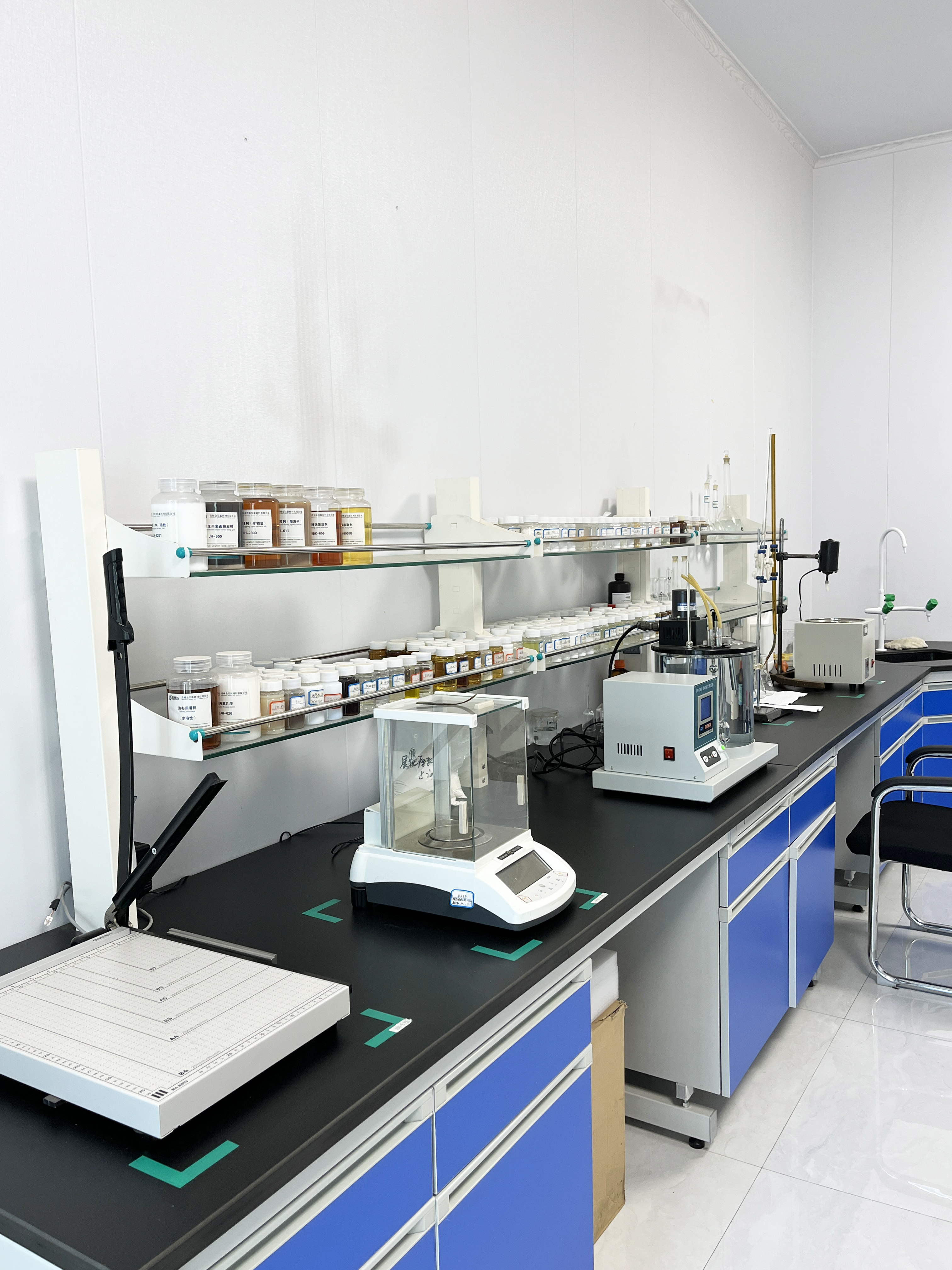
Comparing JHDA Strength Agents: Decision Table
The table below summarizes key products from Qingzhou Jinhao New Material Co., Ltd. for different strength requirements.
| Product | Model | Form | Key Characteristics | Typical Applications |
|---|---|---|---|---|
| Dry Strength Agent | JH-D726 | Amphoteric liquid | Improves ring crush, burst, tensile, folding resistance; reduces starch consumption | Recycled linerboard, corrugated paper, kraft paper |
| Paper Tensile Strength Enhancer | JH-1699 | Cationic powder | Active ingredient ≥95%; enhances fiber bonding of secondary fiber | Testliner, fluting, box board, corrugated paper |
| Solid Dry Strength Agent | JH-1697 | Cationic powder | Active ingredient ≥95%; low transport cost; food contact paper suitable | Papermaking, pulp molding, food-grade packaging |
| Pulp Molding Strength Enhancer | JH-2219 | Amphoteric liquid | Solid content 20.0 ± 1.0%; improves stiffness, tensile toughness, dimensional stability | Egg trays, fruit trays, industrial buffer packaging, food-grade tableware |
| Wet Strength Agent | JH-1201 | Cationic liquid | PAE, formaldehyde-free; improves wet and dry mechanical properties | Tissue, paper cup base paper, filter paper, medical disposable paper |
Cost Considerations in Paper Strength Agent Procurement
Strength agent cost should be evaluated as cost per ton of finished paper, not as price per kilogram of chemical. A more efficient agent may have a higher unit price but lower total dosing cost. Buyers should also consider the cost of reduced paper breaks, lower starch usage, and decreased consumption of expensive long fiber.
For mills using recycled pulp, the ability to run higher filler content without losing strength can create substantial raw material savings. Filler reuse agents and retention aids increase the value of the strength agent program by improving retention and allowing the paper machine to operate with less fiber loss.
Qingzhou Jinhao reports that its dry strength agent can raise fiber retention by 8%–15% and reduce overall wet-end chemical cost per ton of paper by 10%–18%. While these figures are supplier-reported, they establish a basis for plant-scale trials. A responsible buyer will verify such claims on its own machine.
Traditional Solutions vs. Modern Polymeric Strength Agents
Traditional strength development often relied on high starch dosage and larger amounts of long virgin fiber. Starch is inexpensive but has limits: excessive starch increases biological oxygen demand in wastewater, can contribute to deposit problems, and loses efficiency when pulp quality fluctuates. Virgin fiber raises raw material cost and is not always available in sufficient quantity.
Polymeric dry strength agents such as JH-D726 and JH-1699 provide bonding improvement at lower dosage. They are less sensitive to the anionic trash common in recycled pulp and do not add the same organic load to wastewater as starch. They also reduce stickies accumulation on machine clothing, which lowers cleaning frequency and extends fabric life.
One limitation of polymeric agents must be acknowledged: they are less effective in ultra-high-grade virgin pulp specialty papers where a certified, fixed chemical formulation is required by the end customer. In such cases, changing the chemistry even to an equivalent product may require revalidation. For most recycled packaging paper mills, however, the switch can be made with plant-scale confirmation.
How to Conduct a Low-Risk Trial of a New Strength Agent
Buyers moving from Research to Evaluation need a trial protocol. A practical sequence is:
- Request TDS and MSDS documentation and verify the product is manufactured under ISO 9001:2015 certified production.
- Confirm compliance with target market requirements, such as HALAL for Indonesia or food-contact regulations for packaging paper.
- Request lab testing using the mill's own pulp. Qingzhou Jinhao operates an in-house pilot laboratory and offers free sample testing and formulation adjustment.
- Run a short machine trial at a fixed dosage while measuring ring crush, burst, tensile, and machine runnability.
- Compare chemical cost per ton and impact on white water, retention, and machine cleanliness.
- Scale up only after results are verified on the actual production line.
Supplier Qualification Checklist
When evaluating a paper strength agent supplier, procurement teams should confirm the following:
- ISO 9001:2015 and ISO 14001:2015 certificates can be provided with certificate numbers that can be checked.
- HALAL or food-contact certifications are available where required.
- Product documentation includes complete TDS, MSDS, CAS registration, and GHS hazard labeling for export clearance.
- Reference markets match the buyer's region, and delivery logistics are proven.
- Technical support includes on-site machine debugging, not only remote advice.
- The supplier has the capacity to support bulk supply. Qingzhou Jinhao reports annual output of 100,000 tons of papermaking chemicals, a monthly capacity of 8,000 MT, and a standard MOQ of 1 MT.
- A factory audit can be arranged. Qingzhou Jinhao is located at No. 19, Jingting Street, Caterpillar Industrial Park, Qingzhou City, Shandong Province, China.
Market Trends Shaping Paper Strength Agent Demand
Demand for paper strength agents is closely tied to three long-term shifts: rising recycled fiber use, growth in e-commerce packaging, and stricter food-contact compliance. Asia-Pacific accounts for approximately 40% of the global paper dry strength agent market, and emerging packaging grades in Southeast Asia are expanding at a steady rate.
For suppliers, the ability to produce regionally shortens delivery time. Qingzhou Jinhao established CRM Chemical Technology Co., Ltd. in Long An Province, Vietnam to serve ASEAN clients with local delivery. For buyers in Vietnam, Thailand, Malaysia, Indonesia, and Myanmar, this reduces the risk of long ocean freight and simplifies the supply chain.
Standards and Compliance in Paper Strength Agent Sourcing
Aside from ISO and HALAL, export buyers should consider regional standards. For paper and board intended for food contact in the EU, materials may need to comply with EN 645, EN 646, and EN 648 standards for colorfastness and fluorescent fastness. In Germany, BfR Recommendation XXXVI is frequently cited as a safety framework for paper and board chemicals.
Low residual epichlorohydrin and formaldehyde-free formulations are increasingly critical thresholds for wet strength resins in international markets. JH-1201 wet strength agent is a formaldehyde-free cationic PAE resin designed to meet strict export requirements. For food-grade pulp molding, JH-2219 and JH-1697 are suitable for food contact paper applications.
FAQ
Is it feasible to replace imported Kemira dry strength resin with a JHDA polymeric dry strength agent?
Yes, for most packaging paper mills. JHDA dry strength agent matches key physical strength indicators of imported products, lowers chemical procurement expense, shortens supply cycle, and handles the unstable strength effects caused by waste pulp impurity accumulation. For ultra-high-grade virgin pulp specialty paper with fixed certification specifications, keeping the original imported product is recommended.
What certification does the JHDA paper strength agent manufacturer hold?
Qingzhou Jinhao New Material Co., Ltd. holds ISO 9001:2015 quality management certification and ISO 14001:2015 environmental management certification. The dry strength agent, wet strength agent, and paper tensile strength enhancer products are also covered by HALAL certification for the Indonesia market.
What is the difference between purchasing from a manufacturer and purchasing from a trading company?
A manufacturer provides direct quality control, stable product formulation, after-sales technical service, and the ability to customize formulas. A trading company may offer a lower price but has less control over product consistency, production scheduling, and technical problem-solving.
How can a buyer confirm product quality before large-volume procurement?
Buyers should request ISO certificates, product MSDS and TDS, and arrange pre-shipment inspection or witnessed testing. Qingzhou Jinhao supports pre-shipment laboratory testing, free trial samples, and plant-scale technical service. Its new central R&D laboratory strengthens raw material inspection, finished product testing, and personalized formulation capability.
Can JHDA dry strength agents be used with AKD and surface sizing agents?
Yes. JH-D726 is compatible with AKD sizing agents, optical brighteners, defoamers, and other wet-end chemicals. It is designed not to damage sizing performance or paper brightness, and it reduces deposits on forming wires, press felts, and dryer cylinders.
What is the minimum order quantity for JHDA paper strength agents?
The standard MOQ is 1 MT, and free trial samples are available. Monthly production capacity is 8,000 MT, with lead time of approximately 4 working days for production.
For more detailed product information, the company brochure is available for download: JHDA Introduction 2026 (PDF).