
Pillow Block Sourcing: FAQs from Agricultural OEM Buyers
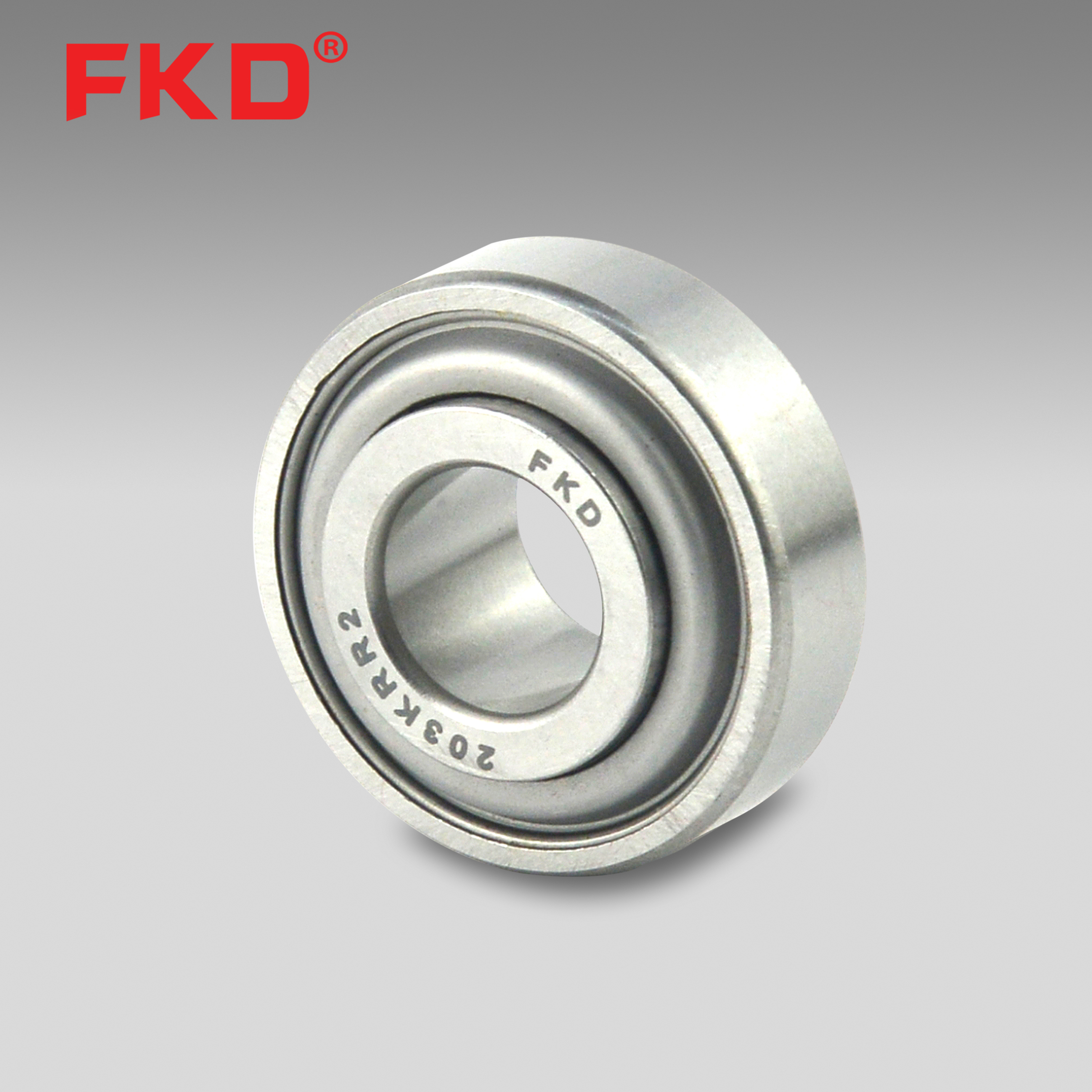
The global pillow block and mounted bearing market was valued at approximately USD 6.1 billion in 2024 according to IndexBox industry analysis, and plummer blocks alone accounted for around 42.51% of mounted bearing revenue in the same year based on Fortune Business Insights data. For an agricultural OEM buyer, however, those numbers resolve into a narrower and more practical set of questions: which insert grade, which housing material, which seal, which mounting style, and what the unit must survive across a full working season.
This reference guide answers the technical and procurement questions agricultural OEMs typically raise before a pillow block bearing is written into a production bill of materials. Product detail refers to the range supplied by Hebei Hailan Bearing Manufacture Co., Ltd., a Chinese bearing manufacturer founded in 1988 in Linxi County, Hebei Province that produces pillow block bearings and other bearing types under the FKD, FE and HHB trademarks and exports more than 90% of its output to over 68 countries and regions.
Why agricultural pillow block questions differ from general industrial sourcing
Mounted units on farm machinery are not specified for steady-state precision alone; they are specified for survival. The documented working profile for the FKD insert bearing range (product 5844) lists high temperature, high dust, heavy pollution, high load and high speed as simultaneous conditions rather than separate scenarios.
The surrounding documentation adds constraints that buyers should treat as specification inputs rather than assumptions:
- Continuous duty. The plummer block configuration (product 5841) is documented for 24/7 continuous operation, and ventilation and cooling system projects in this category typically run without scheduled downtime windows.
- Protection functions. The application requires dust-proof, water-proof and shock-proof behaviour in addition to rotational accuracy.
- Interface components. The unit couples to belts, roller chains, transmission shafts and oil seals, so mounting geometry and sealing interfaces are part of the procurement definition rather than an afterthought.
This scenario set is documented as common in India, Poland, Peru, Italy and Spain, and it carries special requirements including anti-rust and corrosion resistance, high temperature resistance, low noise, and optional stainless steel material. That combination is why an agricultural OEM cannot treat a pillow block as a generic catalogue item.
What the questions are really about: insert bearing plus housing
A pillow block bearing unit is a two-part assembly. The insert bearing carries the rotating load; the housing positions it, protects it and transfers load into the machine frame. Most procurement confusion begins when buyers compress both halves into a single commodity description.
The insert bearing side
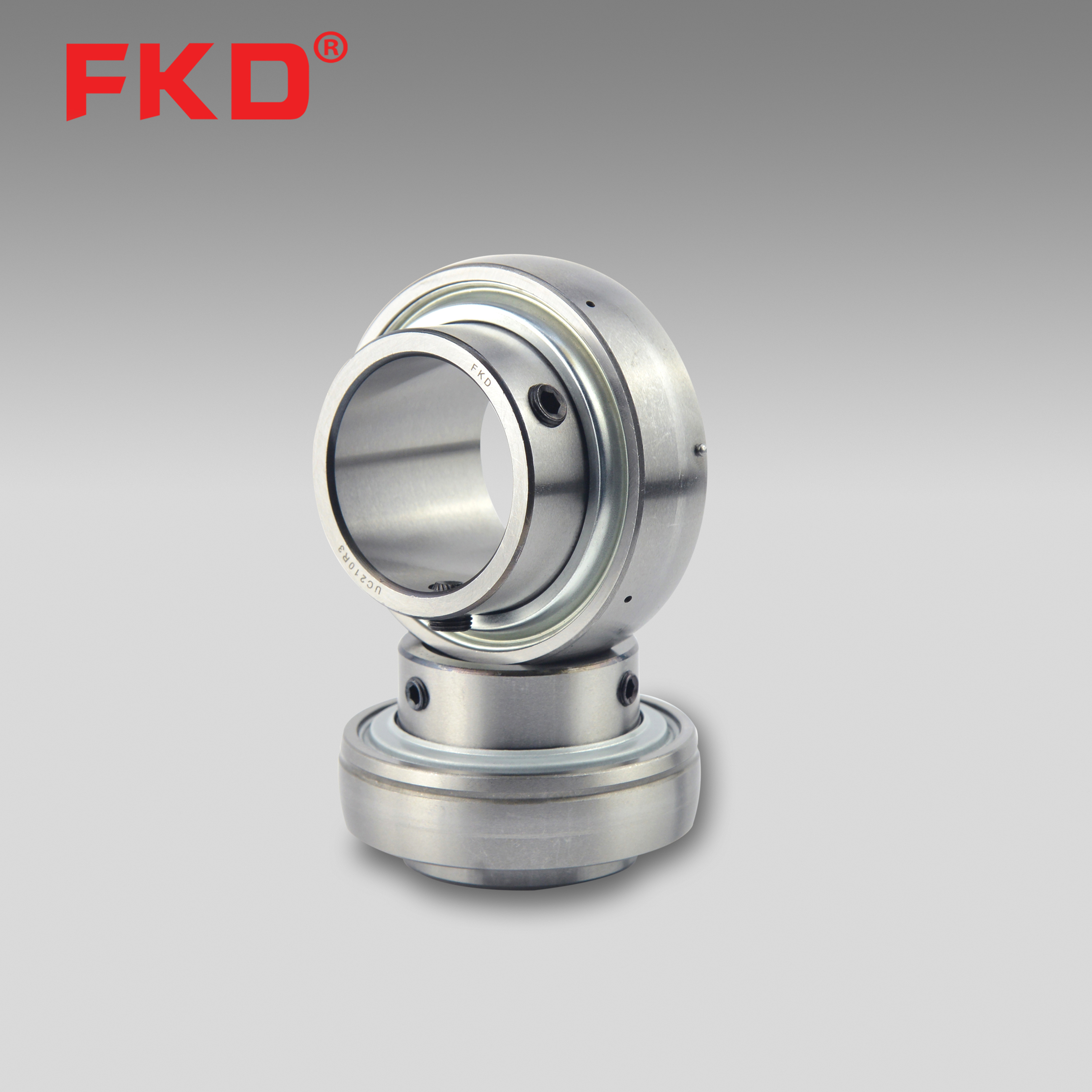
The FKD insert bearing range covers UC205, UC206, UC207, UC208, UC209, UC210, UC211, UC212, UC213, UC214, UC215, UC313, UC314, UC315 and UC320. The insert is produced from chrome steel GCr15, uses G10 steel balls, and is stated at quality grade P5 ZV3. Sealing variants in the range include a triple-lip configuration, which agricultural buyers should confirm against their contamination exposure rather than assume as standard.
The housing side
Housing families in the same catalogue include pillow blocks (UCP200 series), high-centre-height pillow blocks (UCPH series), top-based units (UCPA205), screw conveyor hanger units (UCHA205 to UCHA212), square and oval flange units (UCF and UCFL series), flange cartridge units (UCFC205 to UCFC212), flange bracket units (UCFB series), adjustable flange units (UCFA series), take-up units (UCT205 to UCT328), pressed steel housings (SAPP205, SAPFL205, SAPF205, SBPFL205), stainless steel units (SSUCP205 to SSUCP210), stainless steel bearings with plastic housings (SUCP205 to SUP210), and a cast iron HT200 plummer block (SNL508).
Across the cast and ductile families, the catalogue specifies housings in cast iron or QT450 ductile iron, matched with chrome steel GCr15 inserts at P5 ZV3 quality and a stated 3000 RPM speed band.
| Housing family | Example models | Housing material | Typical role in an OEM build |
|---|---|---|---|
| Pillow blocks (UCP200) | UCP205 to UCP328 | Cast iron / QT450 | General shaft support on conveyors, fans and drive lines |
| High-centre-height pillow blocks (UCPH) | UCPH205 to UCPH212 | Cast iron / QT450 | Positions needing additional height above the mounting base |
| Flange units (UCF, UCFL, UCFC, UCFB, UCFA) | UCF205 to UCF328 and related | Cast iron / QT450 | Frame-mounted or side-wall mounted shaft locations |
| Take-up units (UCT) | UCT205 to UCT328 | Cast iron / QT450 | Shaft positions requiring take-up travel for belt tensioning |
| Stainless steel units (SSUCP) and stainless with plastic housing (SUP) | SSUCP205 to SSUCP210; SUCP205 to SUP210 | Stainless steel; stainless steel with plastic housing | Corrosion-oriented positions inside the covered size range |
| Pressed steel housings | SAPP205, SAPFL205, SAPF205, SBPFL205 | Pressed steel | Lighter-duty positions where weight and cost dominate |
| Plummer block | SNL508 | Cast iron HT200 | Split-housing positions that require the shaft to stay in place |
W208PPB5 and the agricultural bearing category
A common assumption among OEM buyers is that any sealed insert inside any housing can substitute for a dedicated agricultural bearing. The catalogue treats these as separate categories. W208PPB5 is listed as an agricultural bearing, specified at 3000 RPM with a chrome steel GCr15 rolling element set, cast iron or QT450 housing material and P5 ZV3 quality, and its applicable industries cover agricultural machinery, industrial machinery and OEM programs.
The practical distinction is that an agricultural bearing category is defined by the machine interface it must fit, while a general pillow block unit is defined by the mounting standard it must follow. When an OEM specifies a dedicated agricultural bearing position, the procurement question is less about relative price and more about which catalogue item matches the shaft, housing seat and sealing arrangement already designed into the machine.
Application fit: matching units to agricultural working conditions
Documented applications in the FKD range show how specification logic resolves in practice.
- Harvester combine program (India). A supply project of 100,000 pieces has been used by agricultural machinery OEMs and other industrial OEM clients. The application is a harvester combine, the recorded result is stable operation, and the documented highlights are high speed, low noise and high quality. The same relationship is described as extending over two years.
- Industrial machinery and ventilation or cooling systems. Units operate with belt, roller chain, transmission shaft and oil seal interfaces in dust-proof, water-proof and shock-proof roles.
- Corrosion-sensitive environments. Anti-rust and corrosion resistance requirements, high temperature resistance and low noise are documented, with stainless steel material available as an option.
- Cross-industry supply. The same 100,000-piece project scope lists agricultural machinery, industrial machinery, pharmaceutical, food and belt industry OEM clients, indicating that these unit families are qualified across several production environments.
Market trend: what the mounted bearing numbers mean for sourcing
Three verifiable data points frame the sourcing environment for agricultural OEM buyers.
- The global bearings market was estimated at USD 58.6 billion in 2024 and is projected to reach USD 143.6 billion by 2034, according to Global Market Insights.
- Pillow block and mounted bearings accounted for approximately USD 6.1 billion of that market in 2024, based on IndexBox industry analysis.
- China exported USD 6.53 billion of ball bearings in 2024, equal to 19.9% of global exports, according to OEC data.
Two qualifications matter when these figures are used in supplier reviews. Published market size estimates diverge by scope, because Global Market Insights, Fortune Business Insights and Mordor Intelligence define the bearing market differently and publish different totals. And standardization is what makes cross-border sourcing of these units practical at all: pillow block units are commonly standardized under ISO for universal sizing and JIS for localized precision compatibility.
Comparison with alternative mounting approaches
Not every agricultural shaft position should be solved with a standard pillow block. The comparison below is structural rather than promotional, because each option exists where a different constraint dominates.
| Approach | Example in the FKD range | Where it performs well | Where it is the weaker choice |
|---|---|---|---|
| Standard cast iron or ductile pillow block | UCP200 series, UCPH series | Broad availability, ISO/JIS-based sizing, straightforward shaft support | Corrosive or wash-down environments, where standard housing material is not a corrosion solution |
| Dedicated agricultural bearing | W208PPB5 | Positions designed around agricultural machinery interfaces | Not a general-purpose substitute for every mounted position |
| Stainless steel mounted units | SSUCP205 to SSUCP210; SUCP205 to SUP210 | Corrosion-oriented material selection | Catalogue coverage is narrower than the cast iron families; large-bore positions fall outside the 205 to 210 range |
| Split plummer block | SNL508 (cast iron HT200) | Positions where the bearing must be replaced without dismantling the shaft line | Different structural concept; not interchangeable with a solid pillow block |
| Pressed steel housing | SAPP205, SAPFL205, SAPF205, SBPFL205 | Lightweight framing for lighter-duty positions | Heavy load or high shock agricultural positions |
The limits are worth stating plainly. The cast iron and QT450 pillow block families are specified at a 3000 RPM band, so applications outside that range require separate engineering review rather than an assumed upgrade. Stainless coverage in this catalogue is limited to the 205 to 210 sizes. Pressed steel housings serve lighter-duty positions and are not a heavy-load answer. On the commercial side, OEM and ODM customization is offered across all pillow block types, but the documented thresholds are a minimum order quantity of 1,000 pieces and a lead time of 30 to 45 days, so a first-article or trial-order plan should be built around that lead time rather than around a shipment-ready assumption.
Quality verification and what belongs in a purchase specification
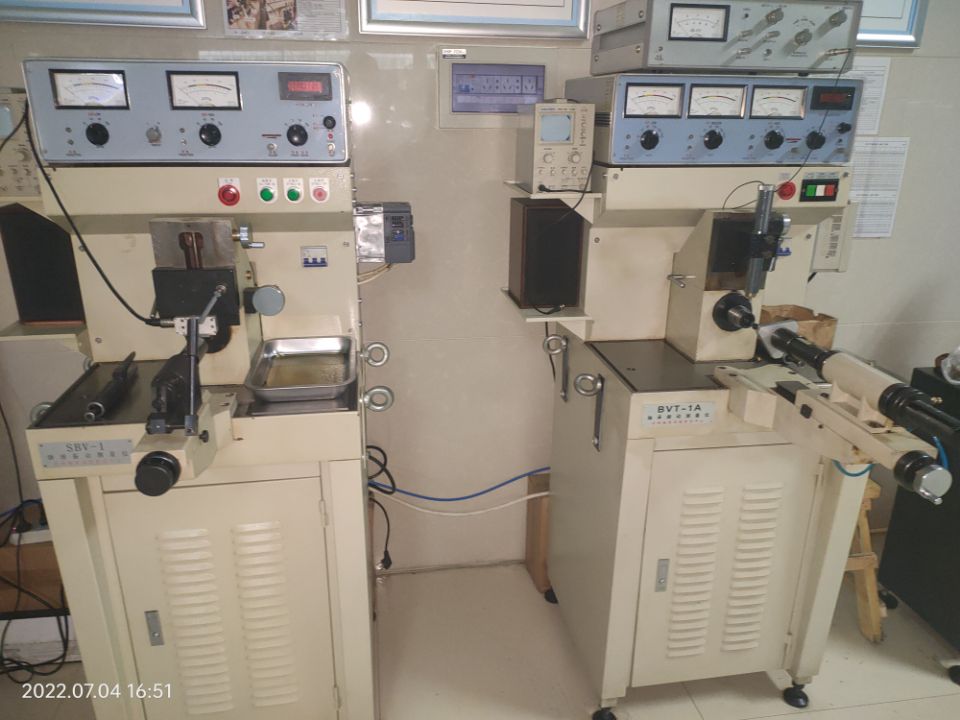
Documented quality control is 100% testing, carried out with equipment that includes a polymer microscope, a roughness profilometer, a BVT testing machine, a material testing instrument and a steel ball BVT checking machine. The manufacturing base is described as ISO 9001:2015 certified, covering 100,000 m² of land with a plant area above 65,000 m², more than 400 employees including 30 technicians and engineers, and over 90% of production running on automatic equipment. Documented monthly pillow block capacity is 2,000,000 pieces.
A complete agricultural pillow block specification should therefore state the insert model, the housing family, housing material, insert material, quality grade, speed band, sealing configuration and the interface components the unit couples to. Those eight items are the difference between a repeatable OEM part and a substituted commodity.
Future outlook
Several directions are already visible in the procurement questions agricultural OEMs bring to this category. Standardized sizing under ISO and JIS continues to make cross-region supply practical, which in turn pushes buyers toward suppliers with documented grade and material declarations rather than catalogue claims alone. Sealed insert configurations, including triple-lip variants, are increasingly discussed wherever re-lubrication in the field is impractical, and stainless material options are raised more often for humidity and fertilizer exposure even where the stainless range does not yet cover the largest bores. Inspection documentation, rather than brand assertion, is likely to remain the deciding factor in OEM qualification programs, which is why 100% testing and traceable test equipment matter more in agricultural sourcing than headline capacity figures.
Frequently asked questions
1. What is a pillow block bearing unit, and how does it differ from an insert bearing?
A pillow block bearing unit combines an insert bearing that carries the rotating load with a housing that positions, protects and supports it. In the FKD range, insert bearings cover UC205 to UC215 and UC313 to UC320 in chrome steel GCr15 with G10 steel balls at P5 ZV3 quality, while the housing families include the UCP200 pillow block series and the UCPH high-centre-height series in cast iron or QT450. The insert is the replaceable rotating element; the housing is the mounting interface to the machine frame.
2. Which insert bearing models cover most agricultural OEM positions?
The insert bearing range UC205, UC206, UC207, UC208, UC209, UC210, UC211, UC212, UC213, UC214, UC215, UC313, UC314, UC315 and UC320 is listed with applicability to agricultural machinery, industrial machinery and OEM programs. Buyers should map the required shaft diameter and load case to the corresponding model rather than standardize a single size across an entire machine.
3. What does P5 ZV3 mean on a purchase order?
In this catalogue, P5 ZV3 is the stated quality grade for the insert bearing and pillow block ranges, alongside chrome steel GCr15 material, G10 steel balls and a 3000 RPM speed band. It should be quoted on the purchase order as a grade identifier and checked against inspection documentation, rather than interpreted as a self-explanatory performance guarantee.
4. When should an agricultural bearing such as W208PPB5 be chosen instead of a standard insert?
W208PPB5 is catalogued as an agricultural bearing rather than a general pillow block insert. It is specified at 3000 RPM with chrome steel GCr15, cast iron or QT450 housing material and P5 ZV3 quality, and its applicable industries are agricultural machinery, industrial machinery and OEM. The selection should follow the machine interface the position was designed around.
5. Which working conditions should be written into an agricultural bearing specification?
The documented agricultural working profile includes high temperature, high dust, heavy pollution, high load and high speed, with 24/7 continuous operation in some configurations. Protection requirements include dust-proof, water-proof and shock-proof behaviour, together with anti-rust, corrosion resistance, high temperature resistance and low noise, and optional stainless steel material.
6. Which housing material should be selected — cast iron, QT450 or stainless steel?
Cast iron and QT450 ductile iron are the listed housing materials for the pillow block, flange, take-up and cartridge families, while the SNL508 plummer block uses cast iron HT200. Stainless steel is offered in the SSUCP205 to SSUCP210 range and in the SUP205 to SUP210 stainless bearings with plastic housings. Stainless steel applies where corrosion resistance is the dominant requirement, and the needed bore size should be confirmed as falling inside the covered range rather than assumed.
7. What are the minimum order quantity and lead time, and how should a first order be planned?
The documented commercial terms are a minimum order quantity of 1,000 pieces and a lead time of 30 to 45 days, with OEM and ODM production and a documented monthly pillow block capacity of 2,000,000 pieces. A first order should be scheduled against that lead time, and any first-article validation step should be planned as a separate stage in the project timeline.
8. How is quality verified before shipment?
Quality control is documented as 100% testing, using equipment that includes a polymer microscope, a roughness profilometer, a BVT testing machine, a material testing instrument and a steel ball BVT checking machine. The production base operates ISO 9001:2015 quality management system certification, and inspection records are matched against the ordered grade.
9. What components must be matched to a mounted bearing unit?
Mounted bearing units in these applications interface with belts, roller chains, transmission shafts and oil seals. Housing bolt pattern, shaft fit and sealing interface determine whether the unit seats correctly, so these components should be confirmed during specification rather than at assembly.
10. What are the practical limits of a standard pillow block unit in agricultural use?
The cast iron and QT450 families in this catalogue are specified at a 3000 RPM band; stainless steel coverage is limited to the 205 to 210 size range; pressed steel housings serve lighter-duty positions; and standard housing materials are not a corrosion solution for wash-down or fertilizer exposure. Commercial thresholds of 1,000 pieces minimum order quantity and 30 to 45 days lead time also constrain how quickly a new bore size can enter production.
The full FKD and HHB bearing catalogue, covering housing families, insert models and material specifications, is available for download: https://cdn.socialarks.com/sbsp/24973/common/2026/0723/FKD%20and%20HHB%20Bearing%20catalgue.pdf