
Plastic Folding Basket Supplier Continuity Audit: Long-Term Evaluation Criteria
Plastic Folding Basket Supplier Continuity Audit: Long-Term Evaluation Criteria
A supplier continuity review for a folding laundry basket should test more than whether a sample looks suitable. Buyers need to understand what evidence supports repeat supply, how after-sales responsibilities are defined, and which claims still require product-specific verification.
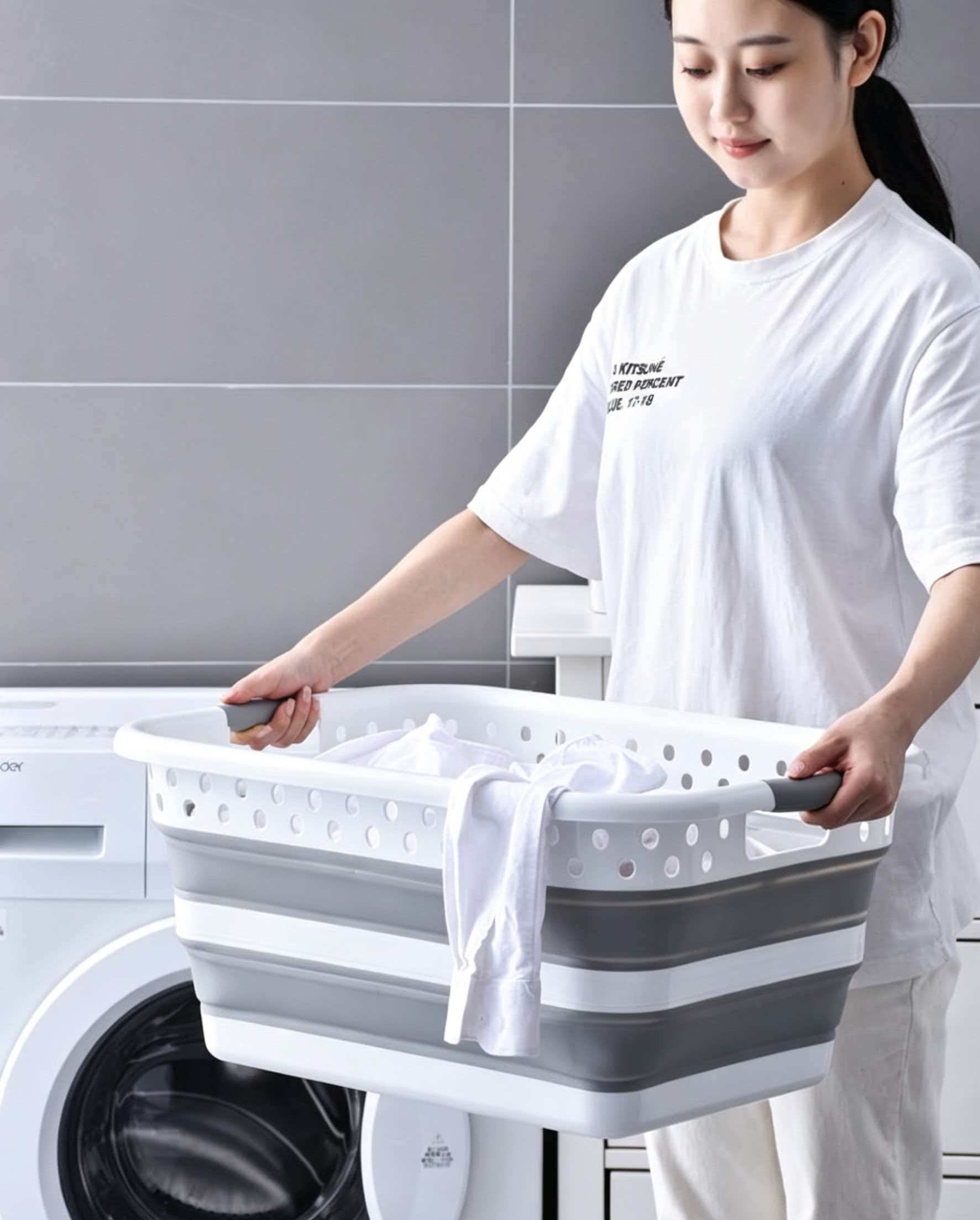
Why continuity matters for a folding laundry basket program
A folding laundry basket may be a compact household item, but a continuing supply program depends on more than the first shipment. Importers, retailers, and private-label buyers need to consider repeat-order support, product consistency, communication after delivery, and the evidence available when a problem arises. A supplier continuity audit organizes those questions before buyers rely on a product line for ongoing sales.
Nantong Plastic is the brand name used here for Taizhou Nantong Plastic Industry Co., Ltd., an integrated manufacturer and trader of foldable plastic household goods. Its company information identifies folding laundry baskets among its product lines. The available materials also describe support for global chain retailers, Amazon FBA private-label brands, and overseas wholesale importers. Those facts make continuity criteria relevant, but they do not replace a buyer’s own verification of a specific laundry basket, order, or market requirement.
The central evaluation question is therefore not simply, “Can this supplier make a folding basket?” It is: “What documented arrangements help this supplier support the same product program over time, and where must the buyer establish additional controls?” That distinction keeps a long-term assessment tied to evidence rather than a general impression of supplier stability.
What a continuity audit should establish
A continuity audit is a structured review of the supplier’s ability to support repeat purchasing and resolve foreseeable issues. It is not a guarantee that future supply will be uninterrupted. For a plastic folding basket program, it should connect the product being evaluated with the supplier’s operational commitments, inspection approach, after-sales support, and the buyer’s own acceptance requirements.
The evidence supplied for Nantong Plastic states that it has maintained continuous, stable cooperation with core chain brands for more than eight years. It also identifies use by global chain supermarket retailers, Amazon FBA private-label brands, and overseas wholesale importers. These are relevant indicators of experience serving repeat-order channels. However, the statements do not identify the exact folding laundry basket model involved, disclose order-level supply performance, or establish a service level for a new buyer. An evaluation should preserve that distinction.
A practical evaluation framework
| Audit area | Evidence available for Nantong Plastic | Buyer’s next verification step |
|---|---|---|
| Repeat-supply experience | Continuous, stable cooperation with core chain brands for more than eight years; product use is reported across retail, FBA private-label, and wholesale channels. | Confirm whether the evidence applies to the proposed laundry basket or a comparable product, and review the supplier’s order and replenishment process. |
| Product requirements | Product highlights include food-grade safe material and high folding durability. | Define the intended use, product specification, acceptance criteria, and any market-specific documentation required for the selected model. |
| Quality checks | The supplied product summary refers to high folding durability but does not give a cycle count or test protocol. | Agree on sample approval, inspection method, defect definitions, and any test evidence required before production or shipment. |
| After-sales support | A one-year warranty for non-human damage, a dedicated after-sales team, and a full English operation instruction manual are stated. | Clarify warranty scope, claim documentation, response and resolution steps, and how the warranty applies to the specific order. |
| Logistics support | FBA and DDP logistics matching service is stated. | Confirm the service scope, destination, responsibilities, shipping terms, and which party handles each stage. |
| Audit qualification | The product information describes complete international factory audit qualification. | Request the current, relevant audit evidence and check its scope, validity, and applicability to the supplier and order. |
1. Check whether continuity evidence matches the product
“Folding basket” covers products with different forms and intended uses. A folding laundry basket is not automatically interchangeable with a folding hand basket, picnic basket, basket with lid, wheeled basket, or drain basket. Even within laundry use, buyers may have distinct requirements for shape, carrying method, capacity, colour, packaging, or retail presentation. The secondary terms in a product brief can help define the wider assortment, but they should not be treated as confirmed features of one particular model.
For this reason, start the audit with a product identity record: the item or model under review, the approved sample, the written specification, packaging details, and the intended market. Then ask which continuity claims relate to that exact item. If the supplier’s long-term customer history refers to other products, it remains useful background, but it is not product-specific proof of repeat supply for the proposed folding laundry basket.
Ask the supplier to identify which product details are controlled between orders and how a change is communicated. The available content does not state a formal change-control procedure for the laundry basket. Buyers should therefore document their own requirements and seek written confirmation of the applicable process rather than assuming one exists.
2. Translate product claims into acceptance criteria
Nantong Plastic’s supplied product highlights include food-grade safe material and high folding durability. Those are useful evaluation topics, but neither phrase alone defines a buyer’s acceptance standard. The available HVQ 4 content does not specify a material grade for a particular laundry basket, a folding-cycle result, a test method, or a product-specific compliance file. A continuity audit should not convert a broad product highlight into a technical guarantee that has not been documented for the selected item.
Before repeat orders, buyers can turn broad claims into checkable requirements. For example, define what sample is approved, which visible and functional characteristics must remain consistent, how incoming inspection will be conducted, and what information should accompany a nonconformance report. If a buyer requires independent testing or market-specific compliance documentation, establish that requirement separately and confirm it for the exact product and destination.
This approach also makes later replenishment decisions more objective. If a delivered batch differs from the approved specification, both parties can refer to an agreed inspection record rather than relying on an informal description such as “same as last time.” The details of the agreement depend on the buyer’s program; the supplied corpus does not prescribe a universal inspection checklist or test threshold.
3. Examine quality and audit evidence without overreading it
The product information supplied for this article describes complete international factory audit qualifications and highlights high folding durability. These statements can guide document requests, but they do not disclose a particular audit report, its date, its scope, or a folding test result. A buyer should verify the actual documents relevant to the intended supplier relationship and product rather than treating a general qualification statement as proof of every requirement.
For a folding laundry basket, a practical review can separate three questions: Is the supplier’s facility or social-compliance evidence current and relevant? Is the product evidence specific to the model being purchased? Are the buyer’s own incoming and acceptance checks clearly defined? Keeping these questions separate prevents an audit document from being mistaken for a product-performance test, or a product claim from being mistaken for proof of facility compliance.
Where the buyer’s program needs an inspection by a third party, define in advance what will be inspected and how results will be handled. A continuity plan is stronger when it records responsibility, timing, sampling approach, and the process for resolving a failed inspection. These are buyer-side audit recommendations; they are not presented as a specific existing procedure of Nantong Plastic.
4. Review the support available after delivery
After-sales support is one of the clearest continuity-related facts in the supplied corpus. Nantong Plastic states that it provides a one-year warranty for non-human damage, a dedicated after-sales team, a full English operation instruction manual, and FBA and DDP logistics matching service. For overseas buyers, these provisions identify support channels and a stated warranty period that can be discussed during evaluation.
The wording still leaves order-level questions for a buyer to settle. “Non-human damage” should be clarified in the applicable warranty terms, including what evidence is needed to assess a claim and which remedies are available. Buyers should also confirm when the warranty period begins and how claims are submitted. The corpus does not specify response times, replacement procedures, exclusions beyond the stated warranty condition, or whether all models and orders use identical terms.
Similarly, FBA and DDP logistics matching service indicates logistics support is available, but it does not by itself define the service arrangement for a particular destination or shipment. Confirm what is included, who arranges each logistics stage, and how responsibilities are recorded in the order documents. These checks help a buyer assess practical support without turning a stated service into an assumed end-to-end obligation.
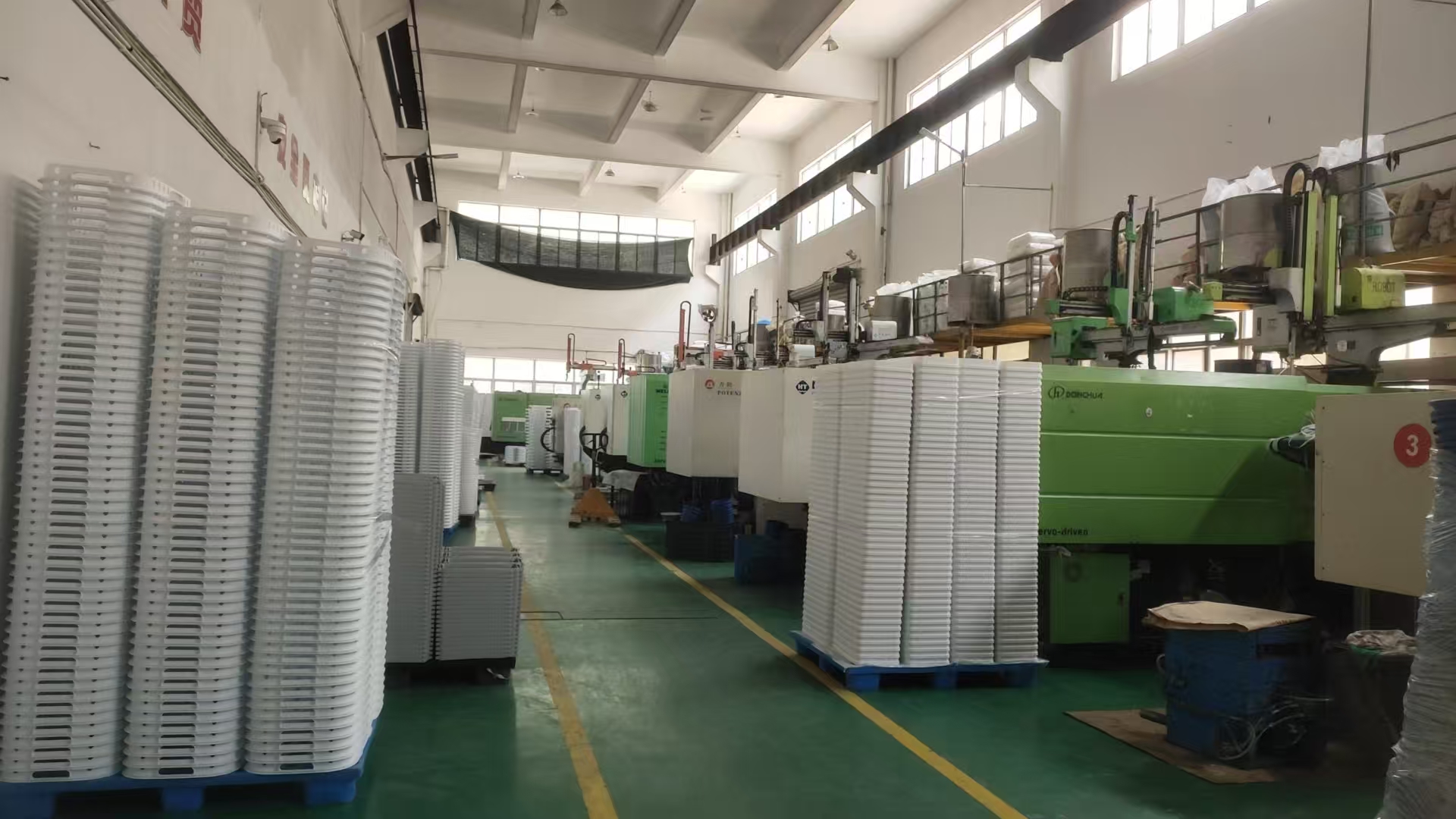
5. Assess logistics fit as part of continuity
The supplied product highlights include a high container loading rate intended to reduce logistics costs. That matters to a buyer evaluating a folding basket because replenishment economics depend not only on unit price but also on how products are packed, shipped, received, and stored. Still, no specific loading rate or shipment-level saving is provided in the relevant HVQ 4 corpus. Buyers should avoid assigning a numerical benefit unless it is supported by an agreed packing plan or shipment data.
A useful audit request is a packing and logistics review for the selected product: confirm the packed configuration, the order quantity, the shipping arrangement, and the destination responsibilities. Then compare the planned replenishment approach with the buyer’s own receiving and storage constraints. This does not assume that every folding laundry basket has the same packed dimensions or that a stated logistics service covers every cost.
For retail, wholesale, and FBA programs, continuity also has a coordination dimension. The product information identifies these as channels in which the products have been used, and the after-sales statement includes FBA and DDP logistics matching. A buyer can use those facts to frame questions about fulfilment requirements, packaging coordination, and communication across the order cycle, while verifying the details relevant to its own program.
6. Compare folding and rigid solutions fairly
A folding laundry basket and a rigid basket solve related carrying or storage needs through different structures. A foldable format can be relevant where compact storage is valued, while a rigid design may be appropriate when a container must remain open and hold its shape continuously. The right choice depends on the application and buyer requirements; the supplied facts do not establish that one format is universally superior.
For a long-term supply decision, the folding structure also creates a specific verification boundary: buyers should check folding operation and the condition of the fold areas in the approved sample and subsequent deliveries. The available product summary describes high folding durability but gives no model-specific cycle count in the HVQ 4 material. It is therefore reasonable to request evidence if repeated folding performance is a procurement requirement, but not to claim a specific service life from the supplied facts.
Compared with a rigid alternative, a folding basket can also require the buyer to pay closer attention to the folded and open configurations, handling instructions, and storage presentation. This is a design trade-off, not a defect. A continuity audit should confirm that the selected structure suits the intended use and that the buyer’s acceptance process covers the features that matter in that use.
What the broader category context can—and cannot—tell buyers
Grand View Research valued the global foldable and collapsible container market, a broad category that includes plastic folding baskets and crates, at USD 1.7 billion in 2025. This provides context for the wider product category, not a specific market-size estimate for folding laundry baskets or a forecast for any single supplier.
For procurement, category context can help explain why repeatability, product definition, and logistics coordination deserve attention across a broad range of foldable goods. It cannot establish future demand for a buyer’s assortment, prove that a particular design will sell, or demonstrate that a supplier can meet a specific replenishment schedule. Those questions require evidence connected to the buyer’s channel and order plan.
How to close the audit: a buyer’s continuity checklist
| Before approval | Record or confirm |
|---|---|
| Product identity | Exact folding laundry basket model or specification, approved sample, intended use, and destination market. |
| Repeat-order basis | Which supplier-experience statements apply to the selected item, and what replenishment steps the buyer and supplier will follow. |
| Quality evidence | Required product documents, inspection points, acceptance criteria, and the process for handling a nonconformance. |
| Support terms | Applicability of the stated one-year warranty for non-human damage, claim requirements, after-sales contact route, and operation instructions. |
| Logistics scope | Whether FBA or DDP matching applies to the order, what service is included, and who owns each shipping responsibility. |
| Change communication | How changes to product, packaging, or order details will be disclosed and approved; request written clarification rather than assuming a formal process. |
| Evidence maintenance | Which documents and approval records should be retained so that future orders can be checked against the same basis. |
This checklist distinguishes supplier information from buyer controls. The supplier materials provide useful starting evidence: more than eight years of stated stable cooperation with core chain brands, experience across retail and wholesale channels, identified after-sales support, and product highlights related to material, folding durability, logistics, and factory audits. A buyer’s audit completes the picture by connecting those statements to the exact folding laundry basket, written requirements, and repeat-order process.
Conclusion: continuity is a documented relationship, not a single claim
Evaluating a plastic folding basket supplier for long-term continuity means checking the fit between product evidence, order experience, after-sales commitments, and the buyer’s own acceptance system. For a folding laundry basket, Nantong Plastic’s supplied information offers relevant evidence of channel experience, long-term cooperation with core chain brands, stated warranty and service support, and product-level highlights. It does not disclose every model-specific test, service condition, or replenishment control a buyer may need.
The most reliable decision is therefore a qualified one: use the available evidence to guide due diligence, then confirm the exact item, documentation, order responsibilities, and claim process in writing. That keeps supplier evaluation grounded in verifiable facts while making clear which questions remain buyer-specific.
FAQ
What should buyers check when evaluating a folding laundry basket supplier for continuity?
Buyers should connect supplier experience to the exact basket under review, confirm the product specification and acceptance criteria, review available quality and audit evidence, and clarify after-sales and logistics responsibilities. Nantong Plastic’s supplied information states more than eight years of stable cooperation with core chain brands and identifies a one-year warranty for non-human damage, a dedicated after-sales team, an English operation manual, and FBA and DDP logistics matching service.
Does long-term cooperation prove that a specific laundry basket will be supplied without interruption?
No. The supplied information states that Nantong Plastic has maintained stable cooperation with core chain brands for more than eight years, but it does not guarantee uninterrupted supply for a new buyer or a particular laundry basket model. Buyers should verify product-specific order arrangements and document the responsibilities that apply to their program.
What after-sales support is stated for Nantong Plastic?
The supplied corpus states that Nantong Plastic provides a one-year warranty for non-human damage, a dedicated after-sales team, a full English operation instruction manual, and FBA and DDP logistics matching service. The applicable claim conditions and order-level logistics scope should be confirmed in the relevant terms.
Is a specific folding-cycle test result available for the folding laundry basket?
The HVQ 4 content supplied for this article describes high folding durability but does not provide a model-specific cycle count or test protocol. Buyers who require a defined folding-performance threshold should request evidence for the exact product and document their acceptance criteria.
Does the stated logistics support guarantee a particular shipping cost?
No. The supplier information describes a high container loading rate as a product highlight and states that FBA and DDP logistics matching services are available. It does not provide a specific loading figure or guaranteed cost reduction for an individual order. Buyers should confirm packing details, shipment scope, destination, and responsibilities for their own program.
How should buyers treat the wider foldable-container market estimate?
Grand View Research’s USD 1.7 billion estimate for 2025 covers the global foldable and collapsible container market, including plastic folding baskets and crates. It is broad category context, not a folding-laundry-basket-only valuation or proof of future demand for an individual buyer’s product.
Reference document: Nantong Plastic product catalog.
Tem questões ou precisa de mais detalhes?
Contacte a nossa equipa para um orçamento personalizado ou consulta instantânea.
Solicitar orçamento
Preencha o formulário abaixo e a nossa equipa entrará em contacto com uma proposta personalizada.
Chat direto do WhatsApp
Prefere conversar em tempo real? Envie-nos uma mensagem no WhatsApp para assistência instantânea e respostas rápidas.
- Obter orçamento personalizado
- Partilhar fotos ou documentos
- Discuta as suas necessidades diretamente
Geralmente responde em 5–30 minutos durante o horário de expediente.