
Polyester Polyol: Top Grades and Trends to Evaluate in 2026
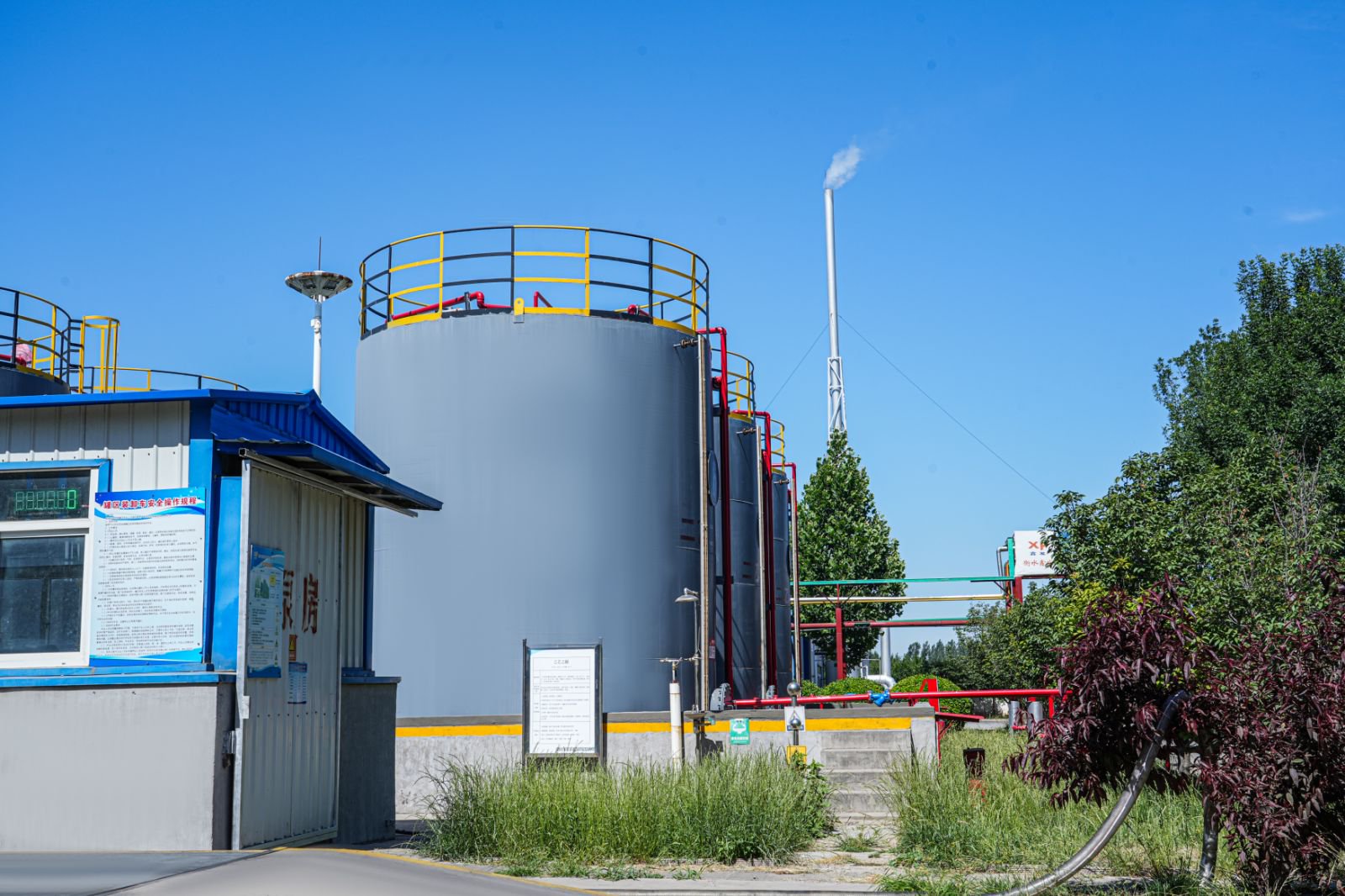
Production and storage area at Hengshui Xinfa Polyurethane Materials Co., Ltd., Jizhou City, China. The company reports an annual production capacity of 50,000 tons of polyester polyol series products.
Polyester polyol procurement has moved beyond commodity price comparison. Buyers evaluating supply options in 2026 are comparing grade portfolios: aromatic and phthalic anhydride-based polyols for rigid insulation, pentane-compatible systems for appliances and PIR panels, high-water-based grades for reduced-emission foams, and specialized series for adhesives, mining, and controlled-release fertilizer coatings. Market data supports the timing of this shift. The global polyester polyol market was estimated at USD 9,654.2 million in 2024 and is projected to reach USD 15,033.3 million by 2033, according to Grand View Research, with Asia Pacific contributing 43.7% of global revenue in 2024. This article identifies the polyester polyol categories gaining the most buyer attention in 2026, explains the parameters that determine grade fit, and outlines how procurement teams can evaluate suppliers against those requirements.
From Commodity Input to Application-Specific Chemistry
The shift is visible in how buyers describe their requirements. Instead of requesting 'polyester polyol' by name alone, foam producers specify hydroxyl value windows, viscosity ranges, acid value ceilings, and compatibility with blowing agents such as pentane or with water-blown systems. In Europe, rigid insulation demand is increasingly tied to the EU Energy Performance of Buildings Directive (EU) 2024/1275, which reinforces the position of high-performance rigid PU and PIR insulation in building renovation cycles.
The market is large enough to justify structured supplier evaluation. Grand View Research estimates the global polyester polyol market at USD 9,654.2 million in 2024, projected to reach USD 15,033.3 million by 2033. The aromatic polyester polyols segment is tracked separately at USD 1.9 billion in 2026, with a projected CAGR of 5.9%, reaching USD 2.8 billion by 2033, according to Persistence Market Research. For buyers, the practical implication is that grade categories are expanding, and a supplier that documents the relevant categories can reduce the number of qualifications, tests, and logistics relationships a buyer must manage.
The Polyester Polyol Categories Gaining Priority in 2026
The following categories represent the application-driven segments most visible in current buyer evaluations. Grade names and parameters in the table are taken from the documented product portfolio of Hengshui Xinfa Polyurethane Materials Co., Ltd. (XINFA, www.xinfapu.com), a China-based producer used as a reference throughout this article.
| Category | Representative Applications | XINFA Grade Examples | Hydroxyl Value (mgKOH/g) | Viscosity at 25°C (CPS) |
|---|---|---|---|---|
| Phthalic Anhydride Polyester Polyol | Spraying insulation, sandwich panels, PU pipe, PU wood imitation, home appliances | XF-3152; XF-2412; XF-1752; XF-2002 | 175–315 | 3,000–30,000 |
| High Flame Retardant Polyester Polyol | PIR spraying insulation, sandwich panels, PU pipes | XF-2007; XF-250P; XF-235P; XF-240P | 200–260 | <5,000–18,000 |
| Pentane System Polyester Polyol | Home appliances, PU pipes, sandwich panels, PIR systems | XF-435; XF-390; XF-360; XF-2402N; XF-2020 | 200–500 | 1,500–12,000 |
| High Water-based Polyester Polyol | High-water or full-water systems, spraying insulation, sandwich panels, PU pipes | XF-2003; XF-2006; XF-3153; XF-315G; XF-300W | 170–315 | 1,500–3,500 |
| Polyester Polyol for Adhesive | Sandwich panel adhesives | XF-Z; XF-280 | 60–280 | ≈10,000 and above |
| Polyester Polyol for Controlled-release Fertilizer Coating | Fertilizer coating agents | XF-270; XF-B-3; XF-B-4 | 260–370 | 3,000–4,000 |
| Polyester Polyol for Mining | Mining applications | KXF-350; KXF-280 | 280–350 | 1,000–2,000 |
Aromatic and Phthalic Anhydride-Based Grades: The Rigid Foam Anchor
Phthalic anhydride-based polyester polyols are among the most common aromatic grades in rigid polyurethane systems. XINFA documents XF-3152, XF-2412, XF-1752, and XF-2002 for spraying insulation, sandwich panels, polyurethane pipe, PU wood imitation, and home appliances. The series spans hydroxyl values from approximately 175 to 315 mgKOH/g. Market reporting underlines the segment's weight: in 2024, aromatic polyester polyols held a 61.4% share of the bio-based polyester polyol-from-bio-succinic-acid market, according to Grand View Research.
Pentane-Based Grades: Responding to the Appliance and PIR Blowing Agent Mix
Hydrocarbon blowing agents remain a standard route in appliance insulation and PIR panels, and the polyol component must be compatible with pentane loading while preserving dimensional stability. XINFA's pentane system series — XF-435, XF-390, XF-360, XF-2402N, and XF-2020 — is documented for home appliances, polyurethane pipes, sandwich panels, and PIR systems, with hydroxyl values from 200±10 to 500±50 mgKOH/g.
High Flame Retardant Grades: Fire Performance as a Selection Driver
For PIR spraying, sandwich panels, and pipe insulation, fire performance is often the decisive parameter. XINFA lists XF-2007, XF-250P, XF-235P, and XF-240P in its high flame retardant category, directed at PIR spraying insulation, sandwich panels, and polyurethane pipes.
High Water-Based Grades: The Emission-Reduction Trajectory
Water-blown systems reduce reliance on physical blowing agents and are receiving more attention in markets with emissions or sustainability requirements. XINFA's high water-based series — XF-2003, XF-2006, XF-3153, XF-315G, and XF-300W — is documented for high-water or full-water systems in spraying insulation, sandwich panels, and polyurethane pipes. These grades sit at the lower end of the viscosity range (roughly 1,500–3,500 CPS at 25°C), which supports processing in water-blown formulations.
Specialized Segments: Adhesives, Fertilizer Coating, and Mining
Polyester polyol demand extends beyond foam insulation. XINFA documents XF-Z and XF-280 for sandwich panel adhesives; XF-270, XF-B-3, and XF-B-4 for controlled-release fertilizer coating agents; and KXF-350 and KXF-280 for mining applications. For buyers with multi-product operations, this range matters because it allows a single supplier audit to cover several distinct material requirements.
Evaluating the Supplier Behind the Grade Portfolio
The grade table answers the question of what is available. Supplier evaluation answers whether the material can be delivered reliably. The following evidence categories are relevant to that judgment.
Certification and Management Systems
XINFA holds ISO 9001 (quality management), ISO 14001 (environmental management), and ISO 45001 (occupational health and safety) certifications, all issued by Beijing United Intelligence Certification Co., Ltd. The ISO 9001 certificate (No. 04322Q31390R1S) covers the production of oligomeric polyester polyols. The ISO 14001 (No. 04326E01332R101) and ISO 45001 (No. 04326S01211R101) certificates extend to related management activities. Certification numbers are publicly listed, which allows buyers to verify scope, issue date, and validity directly.
Production Scale and Facility
The company's factory is located in the Salt Chemical Circular Economy Park in Jizhou City, covering 25,000 square meters, with a registered capital of 6 million yuan and total investment of 20 million yuan. XINFA reports an annual production capacity of 50,000 tons of polyester polyol series products, supported by more than 30 sets of intelligent equipment. Staffing exceeds 60 people, including 13 management and research-and-development technical personnel.
OEM, Customization, and Quality Control
For buyers running proprietary formulations, XINFA supports OEM/ODM production of polyester polyols, with a documented monthly capacity of 4,000 metric tons, standard lead times of 15–20 days, a minimum order quantity of 1 metric ton, and 100% testing as the quality-control protocol. After-sales support includes technical assistance and product training.
System-Level Supply: Polyols and Catalysts from One Producer
Polyurethane foam production combines a polyol with a catalyst system, and the interaction between the two directly affects reaction profile and final foam properties. XINFA's catalogue includes TEDA (triethylenediamine, CAS 280-57-9), TEDA A33, and other amine catalysts such as PC-5, PC-8, and PC-41, as well as flame retardants TCPP and TEP. A buyer who sources polyol and catalyst from the same producer reduces the variables introduced by mixing materials from multiple suppliers.
Export Track Record
XINFA exports to the Middle East, India, Pakistan, Southeast Asia, Central Asia, Europe, North America, and South America, with an export ratio of approximately 10%. International trade and related polyurethane material categories are handled through its wholly-owned subsidiary, Hebei Xinshe Technology Co., Ltd., based in Shijiazhuang. The structure is described by the company as an integrated model of domestic intelligent manufacturing plus global trade.
Technical Parameters That Define Polyester Polyol Fit
When comparing grades across suppliers, four parameters carry most of the decision weight.
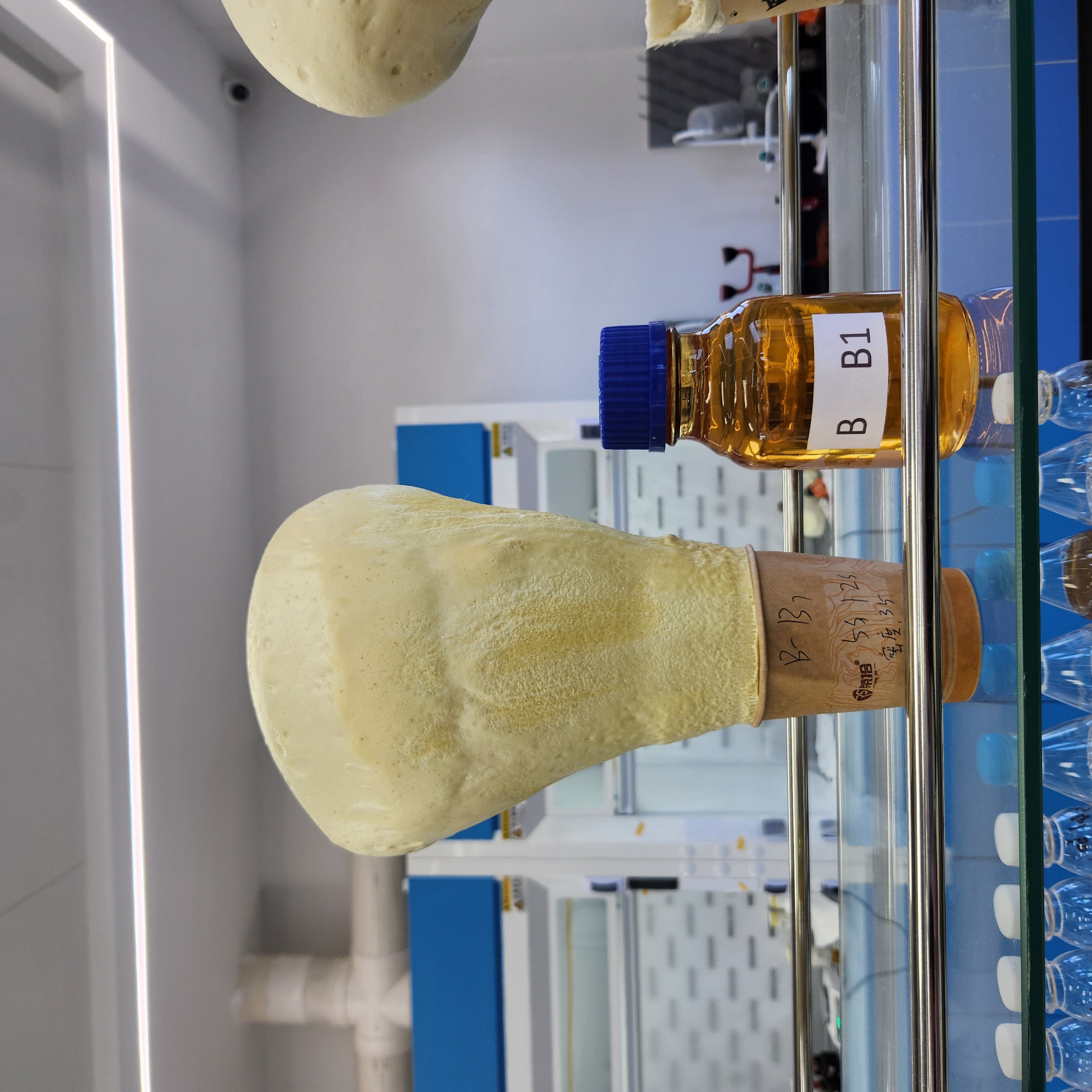
Foam samples prepared during formulation testing at XINFA's laboratory support grade validation for rigid foam systems.
- Hydroxyl value (mgKOH/g) — measures the concentration of hydroxyl groups available to react with isocyanate. Higher hydroxyl values generally produce higher crosslink density and harder foams; lower values shift the balance toward flexibility. XINFA's documented range runs from 60±5 (adhesive grade XF-Z) to 500±50 (pentane system grade XF-435).
- Acid value (mgKOH/g) — indicates residual acidity in the polyol. If acid value is too high, amine catalysts can be consumed, slowing the reaction. Most of XINFA's rigid foam grades maintain acid values at or below 1.0–3.0 mgKOH/g.
- Moisture (%) — water reacts with isocyanate to form CO2; uncontrolled moisture can disrupt cell structure. XINFA documents moisture levels of ≤0.1% to ≤0.15% across its grade families.
- Viscosity at 25°C (CPS) — determines pumpability, mixing behavior, and compatibility with blowing agents. High water-based spraying grades typically sit near 1,500–3,500 CPS, while some phthalic anhydride-based structural grades exceed 10,000 CPS.
These parameters should be evaluated as a set. A grade with the right hydroxyl value but unsuitable viscosity can fail on the production line; a grade with acceptable moisture but excessive acid value can change reactivity. Documented, batch-consistent parameters are therefore a core criterion in supplier selection.
Application Evidence: Two Multi-Year Supply Cases
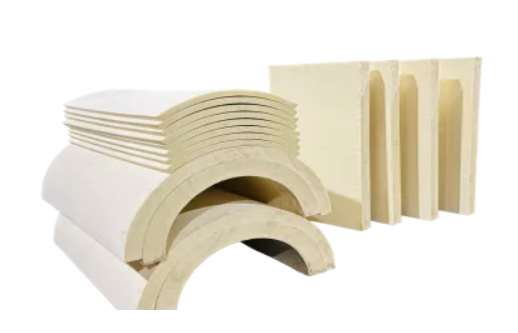
Pipeline insulation is a documented application field for pentane-based, high flame retardant, and phthalic anhydride-based polyester polyol grades.
Spraying Foam, Poland
A two-year project in Poland used 500 metric tons of XINFA's high water-based polyester polyol series (product group 3943) for spraying foam applications. The project achieved stable operation across wall spraying, insulation boards, soundproof flooring, leak-proof pipelines, and composite materials. Documented highlights include high mechanical strength, high wear resistance, resistance to high and low temperature cycling, hydrolysis resistance, and aging resistance.
Insulation, India
An Indian client in the insulation industry used XINFA polyester polyols over a two-year period, with a documented quantity of 100 metric tons. The project reported good thermal insulation performance, with the applied grades supporting pipeline insulation, high strength and density, fire retardancy, and structural support of the pipeline.
Market Trends Reshaping Buyer Preferences in 2026
Several market-level trends are influencing which polyester polyol grades and suppliers buyers prefer.
- Sustained market growth. The global polyester polyol market is projected to grow from USD 9,654.2 million in 2024 to USD 15,033.3 million by 2033 (Grand View Research). Asia Pacific accounted for 43.7% of revenue in 2024, with China expected to record the highest CAGR of 5.2% through 2033.
- Regulation-driven insulation demand. The EU Energy Performance of Buildings Directive (EU) 2024/1275 reinforces demand for rigid PU and PIR insulation, directly supporting the rigid foam and PIR polyester polyol categories.
- Catalyst supply becomes part of the evaluation. The global triethylenediamine (TEDA) market was estimated at USD 0.74 billion in 2024, projected to reach USD 1.22 billion by 2034 (Market Research Future). The broader polyurethane catalyst market was valued at USD 2.46 billion in 2024, with amine catalysts, including TEDA, leading at a 28.6% revenue share (Grand View Research). For buyers, this means catalyst availability and consistency are procurement factors, not afterthoughts.
- A fragmented supplier landscape with a concentrated top tier. Public market reporting identifies Stepan, Huafon Group, COIM, BASF SE, Covestro AG, and Dow Inc. as key global players, with the top three holding roughly 30% of the market in 2024. Below that tier, the market remains fragmented enough that mid-sized producers with documented certification and export experience are realistic evaluation candidates.
Multi-Grade Integrated Sourcing vs. Conventional Single-Grade Supply
Conventional polyester polyol purchasing is often single-grade: a foam producer qualifies one grade from one supplier, then repeats the process for each new material. The approach is straightforward, but it multiplies qualification work as application portfolios expand.
The integrated multi-segment model consolidates that work. In one audit, a buyer can evaluate aromatic grades for pipe insulation, pentane system grades for appliances, high flame retardant grades for PIR panels, water-based grades for spraying foam, and the catalyst line that pairs with them. For XINFA, this portfolio is documented through eight product families and a complementary catalyst range.
The model has boundaries that should be stated plainly. Multi-segment mid-sized suppliers typically do not match the application-engineering depth and global technical service footprint of major multinational producers such as BASF SE, Covestro AG, or Dow Inc. for highly customized systems. Buyers developing proprietary formulations that require intensive joint development may be better served by a large specialty producer. Geographic distance is another practical constraint: for North American and European buyers, China-based production requires logistics planning, inventory buffers, and longer lead times relative to regional suppliers.
This comparison is not a claim of superiority. It is a framework: buyers should weigh qualification savings and system-level consistency against niche depth and regional responsiveness, according to their own production profile.
Future Outlook
Three forces are likely to shape polyester polyol procurement over the next several years.
First, building performance regulation will continue to anchor rigid insulation demand. The EU Energy Performance of Buildings Directive (EU) 2024/1275 is one example; similar attention to building efficiency is visible across Asia-Pacific markets where polyester polyol demand is currently concentrated.
Second, blowing agent and emissions transitions will push more formulations toward water-blown and reduced-emission systems. Suppliers that document high-water-based grades, rather than offering only physical-blowing-agent formulations, will be better positioned for these requests.
Third, procurement integration will advance. As polyurethane buyers consolidate supplier lists, the ability to source polyester polyols and compatible catalysts from one qualified producer becomes a risk-reduction strategy. XINFA's operating structure — domestic intelligent manufacturing plus global trade through Hebei Xinshe Technology Co., Ltd. — reflects that consolidation trend, though buyers will form their own judgment based on local logistics and technical requirements.
Frequently Asked Questions
Which type of polyester polyol is most widely used?
Aromatic polyester polyols, particularly phthalic anhydride-based grades, are among the most widely used in rigid polyurethane applications. In 2024, the aromatic polyester polyol segment held a 61.4% share of the bio-based polyester polyol-from-bio-succinic-acid market, according to Grand View Research.
What is driving global polyester polyol demand growth?
The global polyester polyol market was estimated at USD 9,654.2 million in 2024 and is projected to reach USD 15,033.3 million by 2033 (Grand View Research). Asia Pacific contributed 43.7% of revenue in 2024, with China expected to record the highest CAGR of 5.2% through 2033. In Europe, the EU Energy Performance of Buildings Directive (EU) 2024/1275 is reinforcing demand for rigid PU and PIR insulation.
Which polyester polyol grade is suitable for PIR sandwich panels?
Pentane system grades (XF-435, XF-390, XF-360, XF-2402N, XF-2020) and high flame retardant grades (XF-2007, XF-250P, XF-235P, XF-240P) from XINFA are documented for PIR systems and sandwich panels. The final choice depends on the blowing agent, flame-retardant requirement, and target foam density.
What is a high water-based polyester polyol used for?
High water-based polyester polyols are formulated for high-water or full-water systems, in which water acts as the primary blowing agent. XINFA's XF-2003, XF-2006, XF-3153, XF-315G, and XF-300W grades are documented for spraying insulation, sandwich panels, and polyurethane pipes, with viscosities around 1,500–3,500 CPS at 25°C.
What technical parameters should buyers compare between polyester polyol grades?
The key parameters are hydroxyl value (mgKOH/g), acid value (mgKOH/g), moisture (%), and viscosity at 25°C. Hydroxyl value determines reactivity and crosslink density; acid value affects catalyst consumption; moisture must be controlled to avoid unwanted isocyanate reaction; and viscosity influences pumping, mixing, and blowing-agent compatibility.
Who are the major global polyester polyol producers?
Public market reporting identifies Stepan, Huafon Group, COIM, BASF SE, Covestro AG, and Dow Inc. as key global players, with the top three holding approximately 30% of the market in 2024.
Can one supplier provide polyester polyols across multiple application categories?
Yes. Multi-segment suppliers such as Hengshui Xinfa Polyurethane Materials Co., Ltd. document product families covering phthalic anhydride-based, high flame retardant, pentane system, high water-based, adhesive, controlled-release fertilizer coating, and mining grades, together with a complementary polyurethane catalyst line including TEDA (CAS 280-57-9) and TEDA A33. Buyers should still verify certification scope, production capacity, and reference projects before qualification.
Reference: For buyers evaluating XINFA's polyester polyol grades and production capabilities, the company brochure is available for public download at the following URL: https://cdn.socialarks.com/sbsp/24899/common/2026/0525/6a13a9c188471.pdf