
Polyurethane Prepolymer: Engineering Custom Performance for Industrial Elastomer Applications
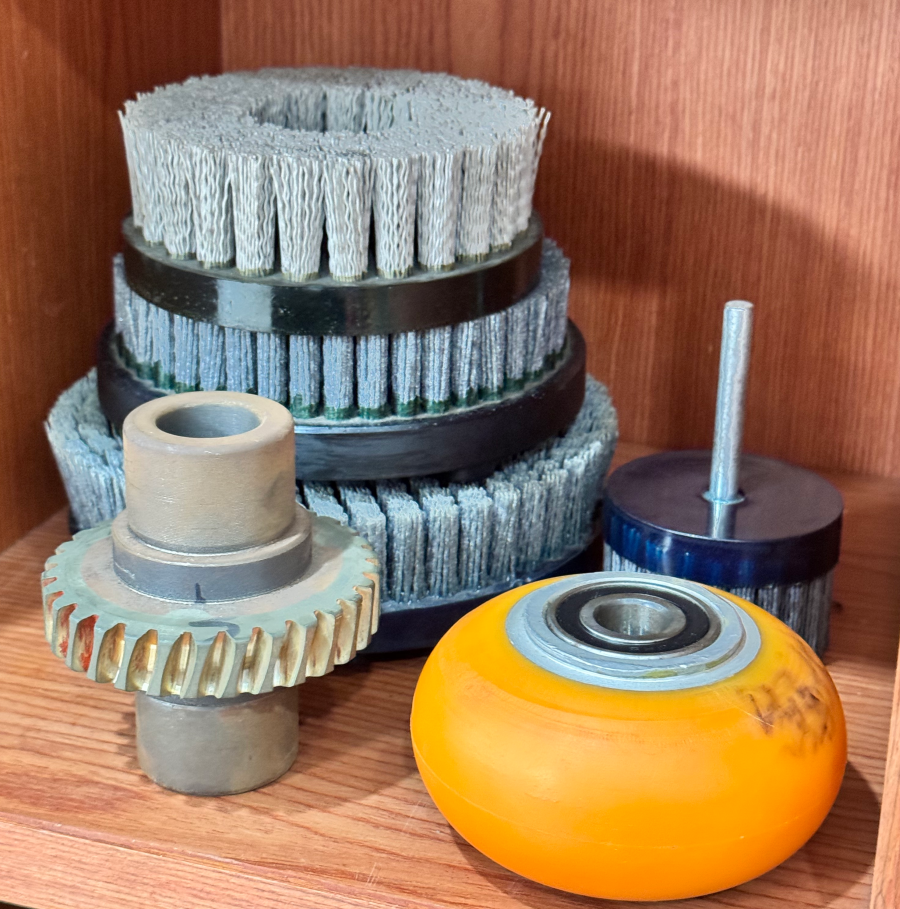
Polyurethane elastomer roller used in industrial machinery – a key application of casting polyurethane prepolymers.
Shanghai Hecheng Polymer Technology Co., Ltd. is a national high-tech enterprise established in 2009, focused on R&D, manufacturing and global supply of high-performance polyurethane (CPU) elastomer materials. With 16 major production reactors and more than 1,000 prepolymer grades in its product range, the company delivers tailored casting polyurethane prepolymer solutions for industries including automotive, mining, marine, sports, and industrial auxiliary parts.
Problem & Opportunity
Industrial buyers of polyurethane raw materials face increasing demands for consistent performance, processability, and regulatory compliance. High-performance polyurethane prepolymers must combine wear resistance, hydrolysis resistance, and low free isocyanate content while enabling efficient casting and curing. At the same time, original equipment manufacturers and part producers need a reliable partner capable of custom formulation and OEM production support. The shift toward greener, safer chemistries further drives demand for low free isocyanate MDI-based, PPDI-based, and TDI-based prepolymers.
Brand Solution
The manufacturer provides OEM production services with a monthly capacity of 8,000 units and a lead time of 30 days, with a minimum order quantity of 1 ton. Products include a comprehensive portfolio of casting polyurethane prepolymers, quasi polyurethane elastomer materials, liquid polyurethane, CPU casting polyurethane, polyurethane elastomers, water-based polymers, and two-component polyurethane adhesives. A 10-year client relationship involved the use of product 5645 (a high wear resistance, high resilience polyurethane elastomer) for polyurethane elastomer applications, demonstrating long-term reliability and technical consistency.
Technical Explanation: How Prepolymer Customization Works
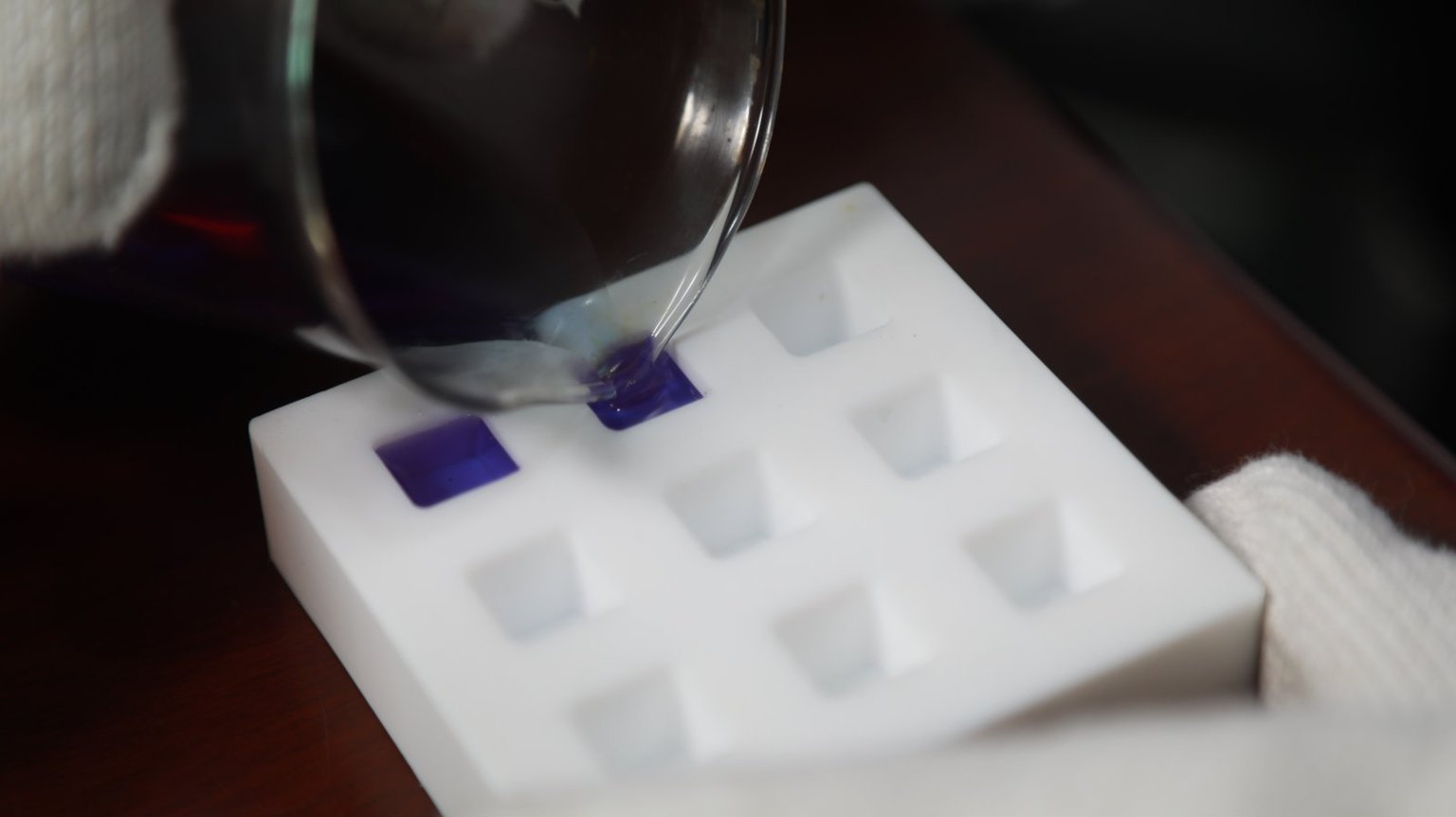
Polyurethane casting material shipped in drums – ready for downstream elastomer processing.
Casting polyurethane prepolymers are produced by reacting diisocyanates (MDI, TDI, PPDI) with polyols under controlled conditions. By adjusting the NCO content, molecular weight distribution, and backbone chemistry, the final elastomer properties (hardness, tensile strength, abrasion resistance, hydrolysis stability) can be precisely engineered. Low free isocyanate prepolymers contain less than 0.1% free monomer, improving workplace safety and compliance with regulations such as those governing CertiPUR labeling. Shanghai Hecheng’s R&D center, staffed by 18 engineers, develops custom formulations to meet specific processing requirements, supported by mechanical testing, thermal analysis, and chemical resistance evaluation.
Application Use-Cases
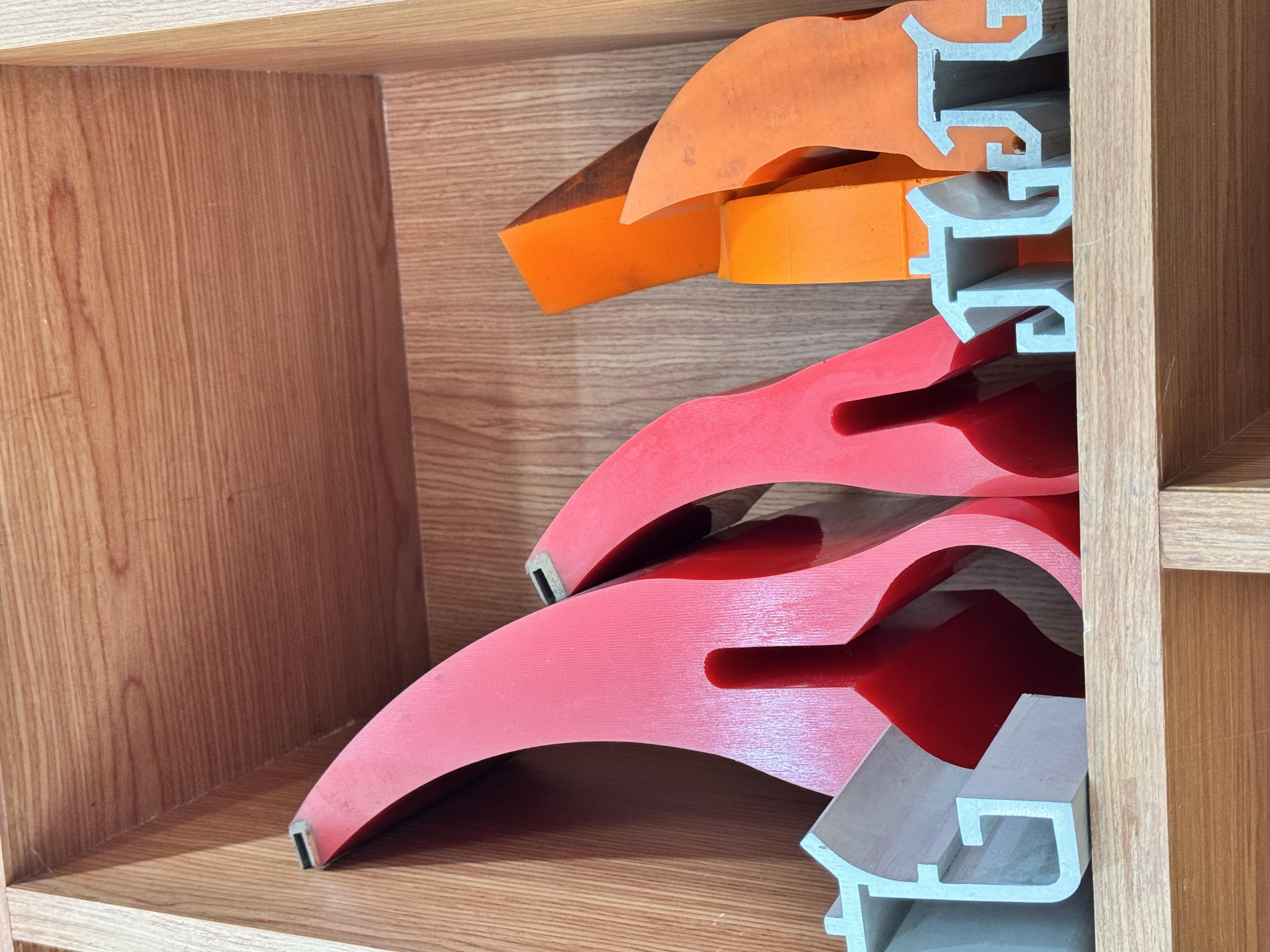
Mining scraper – a demanding application for high-performance polyurethane elastomers.
- Mining & Heavy Machinery: Screen scrapers and mining scrapers made from high wear resistance, high resilience elastomers (e.g., model Screen Scraper-5282ABC, a polyester three-component system).
- Sports Equipment: Rubberized sports equipment (model 8385AB, polyether-MDI system) delivering vivid colors and eco-friendly performance.
- Sealing Components: CPU casting polyurethane PTMG-MDI system used for corrosion-resistant, environmentally friendly seals.
- General Elastomeric Parts: Liquid polyurethane (model Gel-8301AB) offering antioxidant and high resilience properties for diverse industrial parts.
Market Trend Analysis
The global polyurethane market is estimated at USD 85.2 billion in 2024, with projections reaching USD 136.2 billion by 2035. The casting polyurethane segment alone was valued at USD 2,758.37 million in 2024, driven by industrial production and electrification of mobility. Global demand for polyurethane elastomers rose 12% in 2024, propelled by industrial machinery and automotive lightweighting trends. Mainland China accounts for approximately one-third of global diisocyanate volume, underscoring its role as a manufacturing hub. Within polyurethane prepolymers, low free isocyanate variants are gaining regulatory traction, with the EU's CertiPUR program banning methylene chloride in foam production as of September 2024.
Comparison with Traditional Solutions
Traditional high-isocyanate prepolymers offer a wide processing window and low cost. However, they require strict ventilation and personal protective equipment due to higher free monomer levels. Low free isocyanate prepolymers (e.g., Shanghai Hecheng’s Low Free MDI/PPDI/TDI grades) reduce worker exposure and simplify compliance. One honest limitation: low free isocyanate prepolymers often have a slightly narrower pot life and require more precise temperature control during processing, which may necessitate adjustments for shops accustomed to conventional grades.
Future Outlook
As industries pursue lightweight, durable, and sustainable materials, casting polyurethane prepolymers will see increased adoption in electric vehicle components, photovoltaic sealing, and offshore energy. The trend toward waterborne and bio-based systems will further diversify the prepolymer portfolio. Shanghai Hecheng’s one-stop R&D-to-production capability positions it to support OEMs and processors in meeting evolving performance and regulatory demands.
Frequently Asked Questions
What is a polyurethane prepolymer?
A polyurethane prepolymer is a semi-finished product formed by reacting a diisocyanate (such as MDI, TDI, or PPDI) with a polyol, containing free isocyanate groups that react with curatives to form a fully cured polyurethane elastomer. It is the base material for casting polyurethane parts.
What are the benefits of low free isocyanate prepolymers?
Low free isocyanate prepolymers contain reduced residual monomer (typically <0.1%), improving worker safety, lowering VOC emissions, and helping manufacturers meet stringent regulatory standards such as those required by CertiPUR labeling.
Can the manufacturer provide OEM/custom formulations?
Yes, the manufacturer offers OEM production services with the ability to customize performance parameters such as hardness, abrasion resistance, and cure time. The R&D center can develop tailored formulations for specific industrial applications.
What is the typical minimum order quantity (MOQ) and lead time?
The standard MOQ is 1 ton, with a lead time of 30 days. Monthly production capacity is 8,000 units, ensuring reliable supply for large-scale requirements.
How is quality controlled across batches?
All products undergo 100% testing before shipment. The quality system includes basic mechanical testing, thermal analysis, and chemical resistance evaluation to ensure consistent performance.
Do you export to my region?
Shanghai Hecheng exports to the EU, Southeast Asia, the Middle East, South America, North America, and South Korea. Contact the sales team (vera@hechengcpu.com) for specific regional availability and delivery terms (FOB/CIF).
For detailed technical data and product specifications, download the company brochure: Polyurethane casting material brochure (PDF).