
Polyurethane Raw Materials: A Market and Application Overview for Industrial Buyers
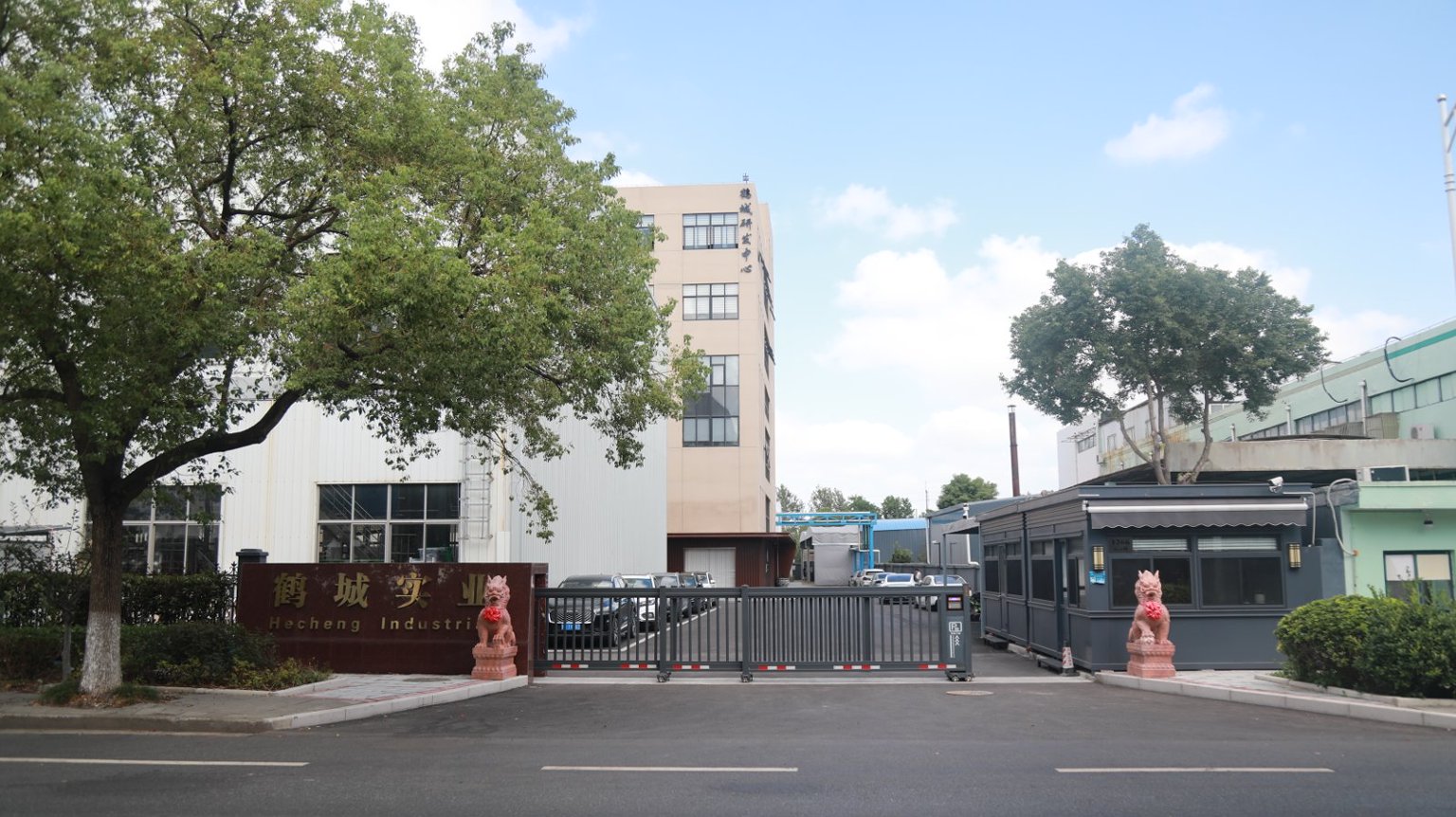
Polyurethane raw materials serve as the backbone of a wide spectrum of industrial applications, from automotive components and mining equipment to wind turbine seals and sports goods. As global industries demand higher performance, durability, and environmental compliance, the polyurethane market continues to expand. Shanghai Hecheng Polymer Technology Co., Ltd., established in 2009, is a Chinese manufacturer specialising in the R&D, manufacturing, and global supply of high-performance polyurethane (CPU) elastomer materials. With a manufacturing facility covering 16,932 square meters in Shanghai and an annual production capacity of 1 million tons, the company offers over 1,000 prepolymer grades, primarily centred on casting polyurethane prepolymers.
Problem & Opportunity
The global polyurethane market was valued at approximately USD 85.2 billion in 2024, with projections reaching USD 136.2 billion by 2035, according to Roots Analysis. Within this landscape, the casting polyurethane segment alone was worth USD 2,758.37 million in 2024, driven by industrial production and mobility electrification (Astute Analytica). Meanwhile, demand for polyurethane elastomers rose 12% in 2024, fuelled by industrial machinery and automotive lightweighting trends (Straits Research). These figures underline a growing need for reliable, high-performance polyurethane raw materials that can meet increasingly demanding environmental and mechanical specifications.
Brand Solution: Comprehensive Product Portfolio
Shanghai Hecheng Polymer Technology Co., Ltd. provides a broad portfolio of polyurethane raw materials tailored for diverse industrial requirements. The company’s product range includes casting polyurethane prepolymers, CPU casting polyurethane (polyether PTMG-MDI system), liquid polyurethane, polyurethane prepolymers for special applications, and two-component liquid PU elastomers. Key product models include:
- Polyurethane elastomer (model: Polyester three-component, Screen Scraper-5282ABC) — high wear resistance and high resilience, intended for the mining sector.
- CPU casting polyurethane (model: PTMG-MDI) — polyether system, environmentally friendly and corrosion-resistant, for sealed class accessories.
- Liquid polyurethane (model: Gel-8301AB) — antioxidant and high resilience, for various elastomers.
- Polyurethane prepolymer (model: Rubberized sports equipment - 8385AB) — Polyether-MDI type, for sports industry rubberising.
- Casting polyurethane prepolymer (model: POLYURETHANE ELASTOMER) — industrial-grade raw material for mining applications.
Technical Characteristics
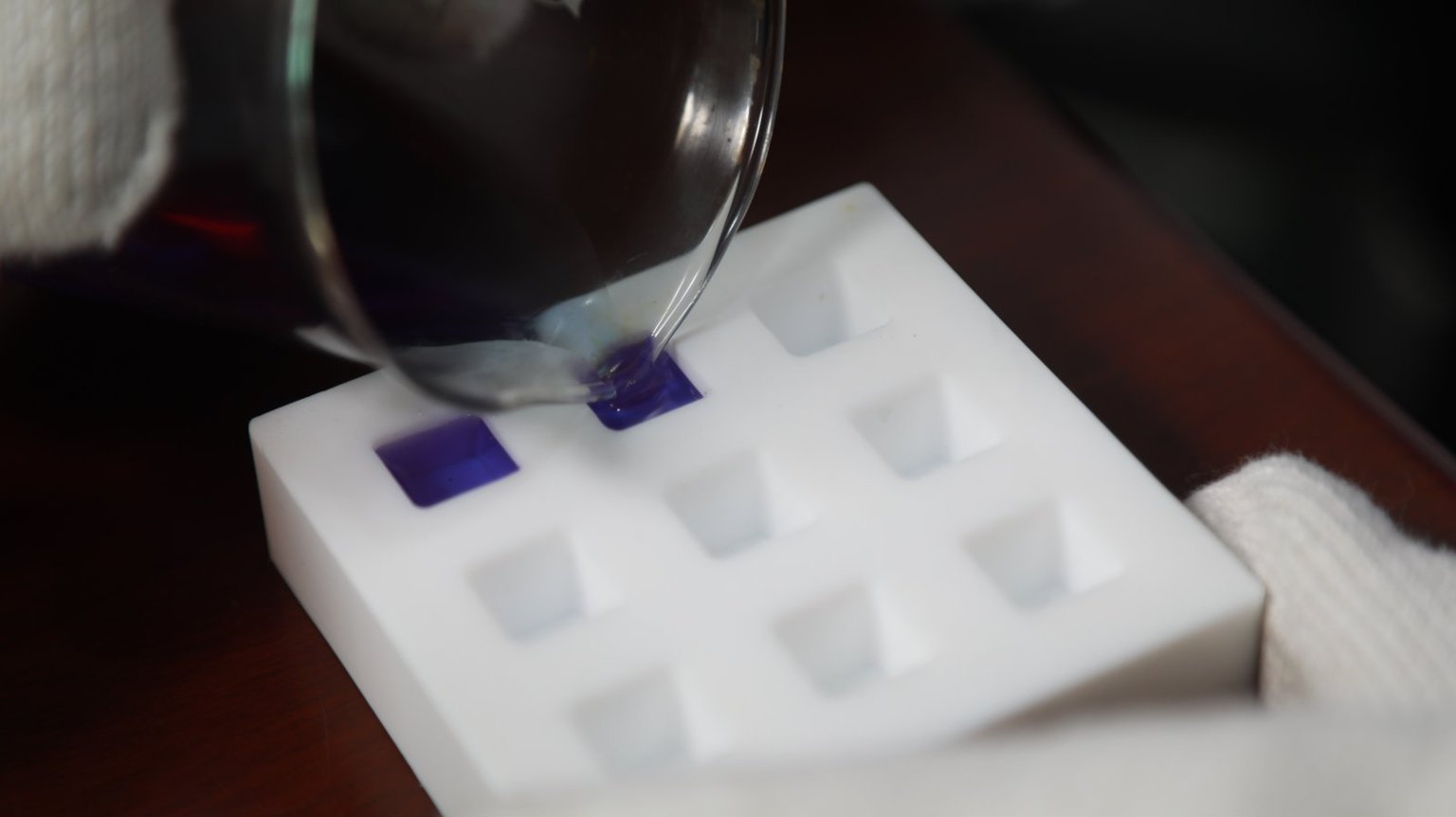
Shanghai Hecheng Polymer Technology leverages 16 major production reactors and an R&D team of 18 engineers to develop formulations with controlled properties. The materials are designed for automated production through two-component metering and conveying, followed by high-pressure mixing and pouring, enabling continuous mass production. The company offers low‑free isocyanate prepolymers based on MDI, PPDI, and TDI, which reduce exposure risks while maintaining elastomeric performance. Typical parameters such as viscosity, NCO content, and pot life can be customised per customer requirements. The technical support includes basic mechanical testing, thermal analysis, and chemical resistance evaluation.
Application Scenarios
These polyurethane raw materials find use across multiple industries in Asia, particularly in tropical high-temperature, high-humidity, and corrosive environments (common in Vietnam, Pakistan, Philippines, Cambodia, Malaysia, Bangladesh, Thailand):
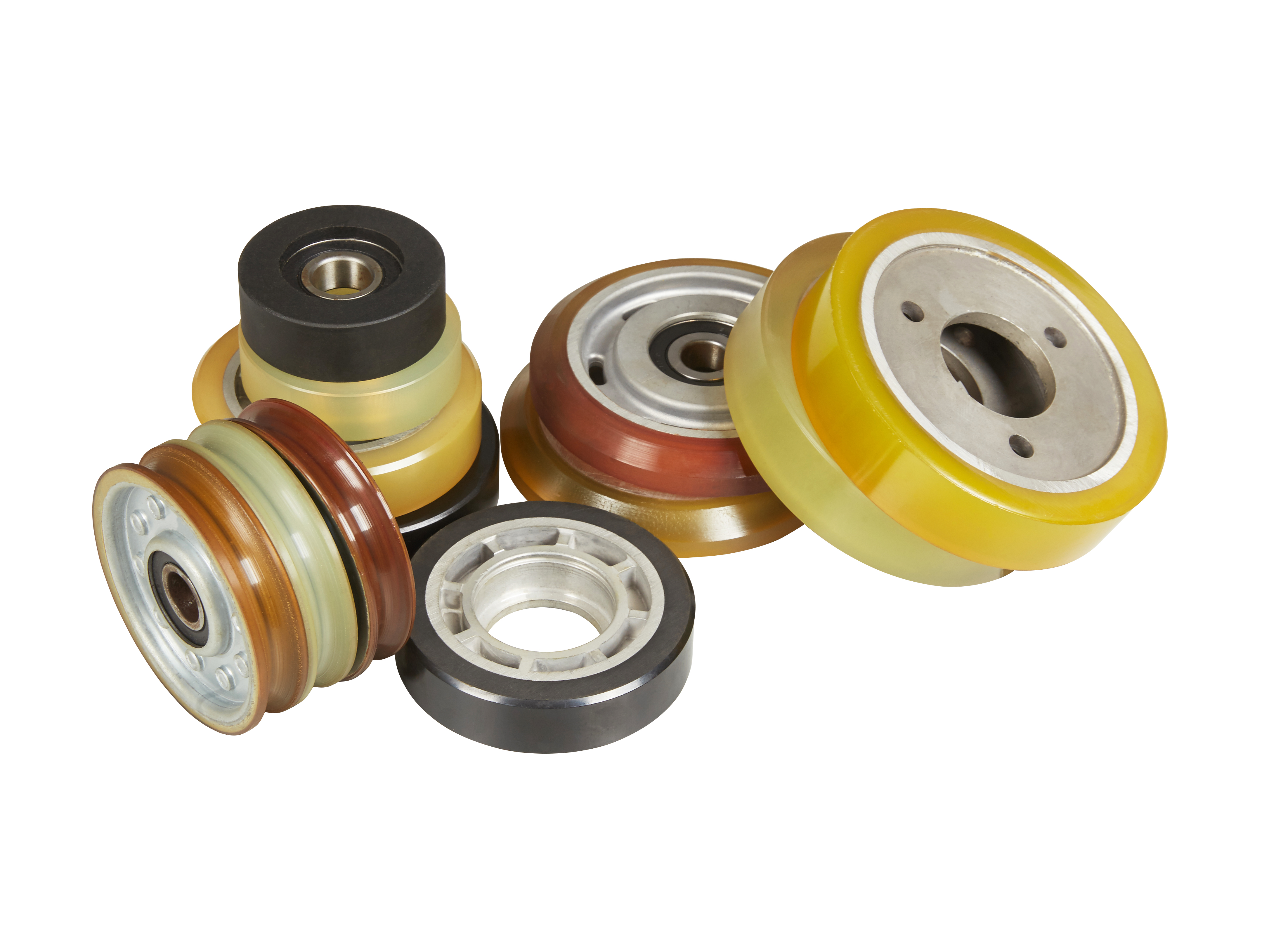
- Automotive industry: TDI low-free prepolymer for parts requiring improved physical and mechanical properties under high humidity and corrosive conditions.
- Construction industry: High hydrolysis and corrosion resistance elastomers for anti-wear parts.
- Composite materials: Production of sealing rings via automated two-component pouring.
- Marine technology: Liquid polyurethane raw materials offering seawater corrosion resistance, anti‑fouling, and shock absorption.
- Wind power generation: Prepolymer for aging resistance, high‑voltage sealing, and vibration damping in components.
- Sports industry: Rubberising of sports equipment such as barbells and climbing points.
- Mining industry: Cast polyurethane for tensionless screen mesh, functioning under frequent friction and abrasive contact.
Market Trend Analysis
Polyurethane raw materials are benefiting from several structural trends. The shift toward lightweight and durable materials in automotive and machinery has boosted demand for elastomers by 12% in 2024 (Straits Research). Waterborne polyurethane dispersions (PUDs) reached an estimated USD 1,984.5 million in 2025, with 4.6% year‑on‑year growth (Persistence Market Research), reflecting tightening environmental regulations. MDI contributed about 60% of global isocyanate volume in 2024 (Prismane Consulting), reinforcing its position as a dominant raw material. Mainland China, home to many prepolymer producers, accounts for roughly one‑third of the global diisocyanate market (S&P Global). These dynamics underscore the importance of reliable raw material supply from established manufacturers.
Comparison with Traditional Solutions
Compared to conventional materials like rubber and metal, polyurethane elastomers provide superior wear resistance, higher load‑bearing capacity, and greater design flexibility due to their liquid casting nature. For instance, a polyester‑based polyurethane scraper (Screen Scraper-5282ABC) offers significantly longer service life in mining screens. However, an honest limitation is that polyurethane raw materials typically require more precise processing conditions (temperature, stoichiometry) and higher upfront tooling investment compared to traditional rubber compounding, which may be a consideration for smaller fabricators.
Future Outlook
As renewable energy, electric mobility, and industrial automation expand, demand for customised polyurethane raw materials will continue to grow. Manufacturers that invest in versatile prepolymer platforms — such as those offering low‑free isocyanate options, hydrolysis‑resistant grades, and waterborne systems — are well‑positioned to serve evolving OEM and processor needs. Shanghai Hecheng Polymer Technology’s combination of scale (1 million tons capacity), R&D capability (18 engineers), and a catalogue of over 1,000 grades provides a solid foundation for serving global markets, particularly in Southeast Asia and South America where industrialisation is accelerating.
Frequently Asked Questions
For detailed product specifications and company capabilities, download the brochure: Automotive-Grade Polyurethane Solutions (PDF).